
In the modern financial ecosystem, few metrics carry as much weight as the prevailing interest rate. Whether you are a first-time homebuyer, a seasoned stock market investor, or a small business owner looking to expand, the question of “what is today’s interest rate” is often the starting point for every major fiscal decision. Interest rates act as the heartbeat of the economy, dictating the flow of capital, the cost of borrowing, and the rewards for saving.
Understanding today’s rates requires looking beyond a single percentage point. It involves navigating a complex web of central bank policies, inflationary pressures, and global economic shifts. This article provides an in-depth analysis of the current interest rate environment, exploring how these figures are determined and, more importantly, how they impact your personal and professional financial health.
The Macroeconomic Engine: How Global and National Rates Are Set
To understand why interest rates are at their current levels, one must look toward the institutions that control the “levers” of the economy. In the United States, this is the Federal Reserve (the Fed); globally, central banks like the European Central Bank (ECB) or the Bank of England play similar roles. These institutions do not set the specific rate you see on your credit card statement, but they set the “benchmark” from which all other rates flow.
The Role of the Federal Reserve and the Federal Funds Rate
The primary tool used by the Federal Reserve is the Federal Funds Rate. This is the interest rate at which commercial banks lend to one another overnight. When the Fed raises this rate, it becomes more expensive for banks to borrow money. To maintain their profit margins, banks pass these costs on to consumers and businesses. Consequently, when you ask what the rate is today, you are essentially looking at the ripples created by the Fed’s most recent policy meeting.
The Fed operates under a “dual mandate”: to promote maximum employment and stable prices. When the economy is “overheating”—meaning inflation is rising too fast—the Fed raises rates to cool down spending. Conversely, during a recession, they lower rates to encourage borrowing and investment.
Inflation and the Consumer Price Index (CPI) Correlation
Interest rates and inflation are inextricably linked in a perpetual tug-of-war. Inflation represents the rate at which the purchasing power of currency is declining. If inflation is high, the “real” return on a loan is diminished for the lender. Therefore, today’s interest rates are heavily influenced by the Consumer Price Index (CPI) reports.
If the CPI shows that the cost of goods and services is rising, central banks are likely to keep interest rates high or even increase them to suppress demand. For the average consumer, this means that “today’s rate” is a direct reflection of how much it cost to buy groceries and fuel over the past several months.
Consumer Debt: The Impact on Mortgages, Auto Loans, and Credit Cards
For most individuals, interest rates are felt most acutely through personal debt. The “prime rate”—the base interest rate that commercial banks charge their most creditworthy corporate customers—is usually pegged directly to the Fed funds rate. As the prime rate moves, so do the rates for a variety of consumer products.
Fixed vs. Variable Rates in a High-Interest Environment
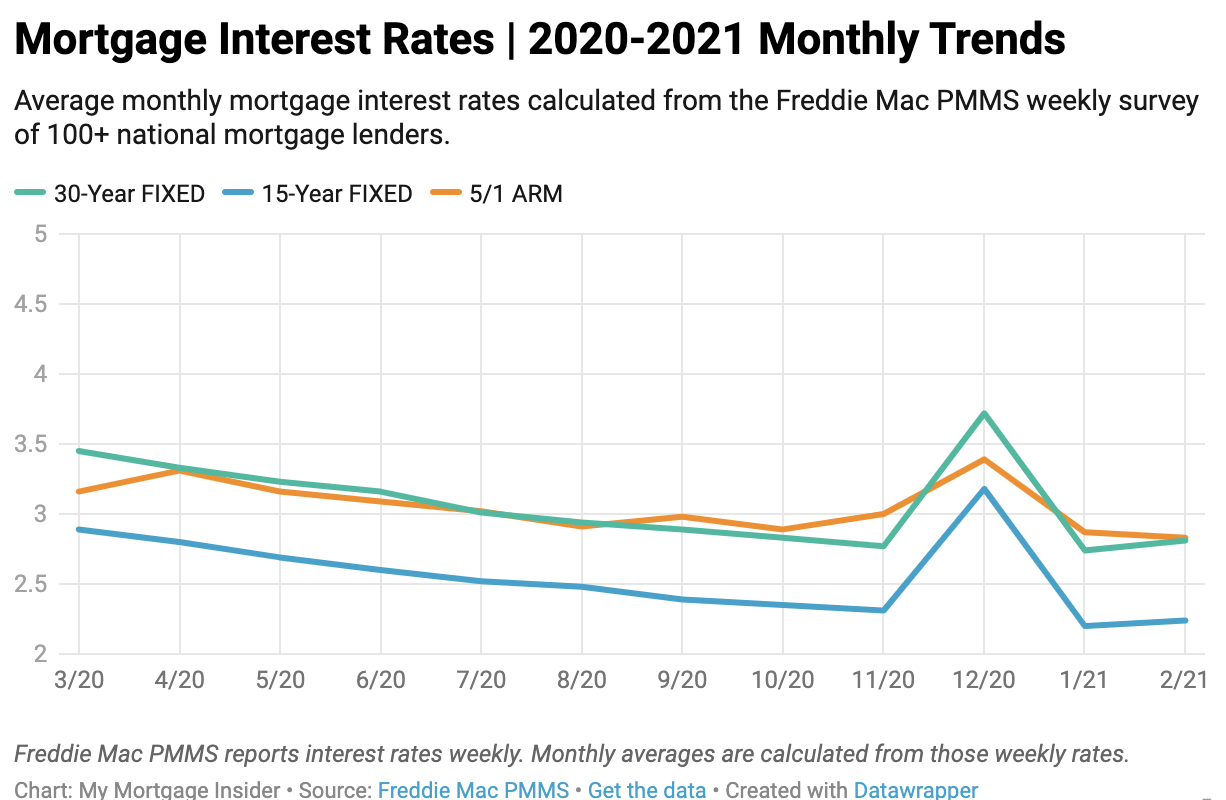
When browsing today’s rates, it is crucial to distinguish between fixed and variable products. Fixed-rate mortgages offer the security of a consistent payment over 15 or 30 years. However, when rates are high, locking in a fixed rate can feel like a burden if rates are expected to drop in the future.
Variable or adjustable-rate mortgages (ARMs), as well as most credit cards, are “floating.” This means that as the benchmark rate changes, your monthly interest obligation changes with it. In an environment where rates are rising, consumers with variable-rate debt often see their monthly minimum payments climb, squeezing their disposable income and forcing a tightening of the household budget.
How Your Credit Score Influences the Rate You Receive
While the “market rate” provides a baseline, the rate you are offered personally is a reflection of your risk profile. Lenders use your credit score to determine the “spread” they will charge over the benchmark.

For example, if the national average for a 30-year mortgage is 7%, a borrower with an elite credit score might secure a 6.5% rate, while someone with a subprime score might be quoted 8.5% or higher. Understanding today’s rate is only half the battle; maintaining a high credit score is what allows an individual to access the lower end of the current interest rate spectrum.
The Saver’s Advantage: Maximizing Returns in High-Yield Environments
While high interest rates are often viewed negatively because they increase the cost of borrowing, they present a significant opportunity for savers and conservative investors. For the better part of a decade following the 2008 financial crisis, interest rates were near zero, meaning money sitting in a bank account effectively lost value against inflation. Today’s higher-rate environment has changed that dynamic.
High-Yield Savings Accounts (HYSA) and Money Market Accounts
In a high-rate environment, traditional “big box” banks are often slow to raise the interest they pay on standard savings accounts. However, online-only banks and credit unions frequently offer High-Yield Savings Accounts (HYSAs) that track much closer to the Fed’s benchmark.
Today’s savvy financial planners are moving their emergency funds and short-term cash into these accounts, which can currently yield significantly more than they did just a few years ago. Money Market Accounts (MMAs) offer similar benefits, often providing slightly higher rates in exchange for higher minimum balance requirements.
Certificates of Deposit (CDs): Locking in Returns for the Future
Certificates of Deposit allow you to “lock in” today’s interest rate for a set period, ranging from a few months to several years. If you believe that interest rates have peaked and will likely fall in the coming year, opening a long-term CD today can be a brilliant strategic move. You essentially guarantee yourself a high rate of return even if the rest of the market’s rates begin to slide. This “laddering” of CDs—buying multiple certificates with different maturity dates—is a classic strategy for maintaining liquidity while maximizing interest income.
Strategic Borrowing for Businesses and Investors
For the business world, the cost of capital is a fundamental component of the balance sheet. When interest rates rise, the hurdle rate—the minimum return an investment must provide to be worth the risk—also rises.
Commercial Loans and the Cost of Capital
Small businesses often rely on Lines of Credit (LOCs) or SBA loans to manage cash flow and fund expansion. These are almost always variable-rate products. When searching for “today’s interest rate,” a business owner must calculate how a 1% or 2% increase in rates affects their debt service coverage ratio. If interest expenses consume too much of the operating profit, expansion plans may need to be mothballed. This is why high-interest environments often lead to a slowdown in corporate hiring and capital expenditures.
Real Estate Investing: Analyzing the Cap Rate vs. Interest Rate Spread
In real estate, the relationship between interest rates and “Cap Rates” (Capitalization Rates) is vital. An investment property is generally valued based on the income it produces. If a mortgage rate is 7% and the property’s Cap Rate is only 5%, the investor is experiencing “negative leverage,” meaning they are losing money on the debt. To compensate for higher interest rates, property prices often must decrease so that the yield (Cap Rate) increases, making the investment viable again. Investors today must be much more disciplined in their underwriting than they were during the “easy money” era of the 2010s.
Future Outlook: How to Navigate Volatility
Interest rates are never static. They are a reflection of human expectations, geopolitical stability, and technological shifts. Navigating today’s rates requires an eye on tomorrow’s forecasts.
Predictive Models and Economic Forecasts
Economists use “Dot Plots” and futures markets to predict where rates are headed. If the consensus is that the economy is cooling too much, the market will begin to “price in” rate cuts. This can lead to a paradoxical situation where long-term rates (like the 10-year Treasury yield) begin to fall even while the Fed is still holding short-term rates high. Staying informed about these trends allows you to time your large purchases—such as refinancing a home or taking out a business loan—more effectively.
Building a Recession-Proof Financial Portfolio
The best way to handle fluctuating interest rates is to build a diversified financial life. This involves:
- Reducing High-Interest Debt: Prioritize paying off credit cards, which usually carry the highest interest rates.
- Maintaining Liquidity: Keeping cash in HYSAs to take advantage of high yields.
- Diversifying Assets: Holding a mix of equities (which can hedge against inflation) and fixed-income assets (which provide steady returns when rates are high).
In conclusion, “today’s interest rate” is more than just a number on a screen; it is a vital economic signal. By understanding the forces that drive these rates and the various ways they manifest in loans and savings, you can move from being a passive observer of the economy to an active, strategic participant in your own financial future. Whether the trend is up or down, knowledge remains the most valuable asset in your portfolio.
aViewFromTheCave is a participant in the Amazon Services LLC Associates Program, an affiliate advertising program designed to provide a means for sites to earn advertising fees by advertising and linking to Amazon.com. Amazon, the Amazon logo, AmazonSupply, and the AmazonSupply logo are trademarks of Amazon.com, Inc. or its affiliates. As an Amazon Associate we earn affiliate commissions from qualifying purchases.