
In the dynamic world of live events, from concerts and theatrical performances to major sporting spectacles, the term “ticket presale” has become a ubiquitous part of the purchasing journey. Far from being a mere early bird opportunity, presales represent a sophisticated financial mechanism with profound implications for both consumers and event organizers. At its core, a ticket presale is a limited-time window during which a select group of individuals can purchase tickets to an event before they are made available to the general public. This seemingly straightforward concept, however, underpins a complex web of financial strategies, consumer behavior, and market economics, fundamentally shaping how value is created, distributed, and perceived within the event industry. Understanding presales is not just about securing a coveted spot; it’s about deciphering the financial incentives, strategic planning, and market forces that dictate access, pricing, and ultimately, the profitability of the entertainment ecosystem.
The Financial Mechanics Behind Presales: A Dual Perspective
The true essence of a ticket presale can only be fully appreciated by examining its financial underpinnings from the vantage points of both the consumer and the event organizer. Each party engages with the presale phenomenon driven by distinct economic objectives, creating a symbiotic relationship that fuels the event industry.
For the Consumer: Strategic Spending and Value Acquisition
For individuals, the presale window often represents a critical juncture for strategic financial planning related to discretionary spending. It’s a chance to secure an experience that might otherwise be out of reach or come at a significant premium later.
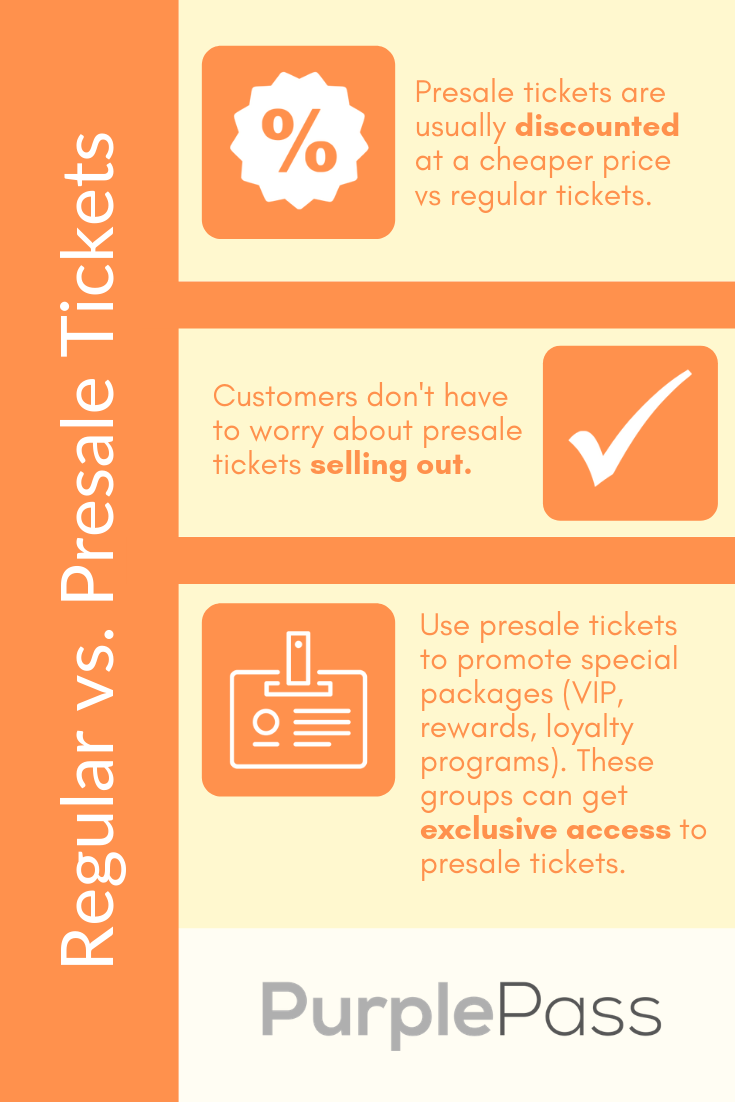
- Early Access as a Financial Advantage: The primary financial benefit for consumers is the opportunity to secure tickets before they sell out, often at face value. In high-demand scenarios, the general sale can be a race against time and bots, frequently leading to disappointment. Presales mitigate this risk, effectively “guaranteeing” a ticket to those with access, thereby avoiding the inflated prices of the secondary market, where scalpers often mark up tickets significantly due to scarcity. This preemptive purchase can represent substantial savings compared to waiting.
- Budgeting for Presale Opportunities: Savvy consumers integrate presale awareness into their personal finance strategies. Knowing that desirable tickets might become available earlier necessitates setting aside funds in advance. This proactive budgeting prevents impulse overspending or missing out due to a lack of immediate liquidity. It transforms a potential luxury purchase into a planned expenditure, aligning with broader financial goals.
- Evaluating the Financial “Deal” of a Presale: While presales offer early access, it’s crucial for consumers to evaluate the financial terms. Sometimes, presale tickets might be priced slightly higher, or exclusive VIP packages might be offered that carry a premium. The consumer must weigh the monetary value of exclusivity and guaranteed access against the potential for a lower price in the general sale (which is rare for high-demand events) or the risk of not getting tickets at all. It’s an economic calculation of certainty versus potential cost savings.
For the Event Organizer: Optimizing Revenue and Mitigating Risk
From the perspective of artists, promoters, and venues, presales are sophisticated financial instruments designed to optimize revenue streams, manage demand, and secure operational stability.
- Early Revenue Generation and Cash Flow Management: Presales provide a crucial influx of capital long before the event date. This early revenue significantly improves cash flow, allowing organizers to cover initial production costs, marketing expenses, and artist advances without relying heavily on external financing or waiting for the general sale. This financial liquidity is vital for the operational health of any large-scale event.
- Demand Forecasting and Pricing Strategies: Presales act as a powerful market research tool. The speed and volume of presale ticket sales offer invaluable insights into the true demand for an event. If presales sell out quickly, organizers gain confidence in their pricing strategy and can potentially adjust remaining general sale prices (within limits) to maximize revenue. Conversely, slow presale uptake might signal the need for additional promotional efforts or even a re-evaluation of pricing for later tiers. This data-driven approach minimizes financial guesswork.
- Building Loyalty and Perceived Value: Offering presale access is a direct investment in customer loyalty. By rewarding fan club members, loyal credit card holders, or previous attendees with early access, organizers cultivate a sense of exclusivity and appreciation. This emotional connection translates into a stronger brand affinity, which is a significant, albeit intangible, financial asset that encourages repeat business and positive word-of-mouth marketing.
- Risk Reduction: Perhaps one of the most critical financial benefits for organizers is risk mitigation. Guaranteeing a certain volume of sales through presales reduces the financial uncertainty associated with staging a large event. It helps secure investments, finalize logistical arrangements, and provides a safety net against the possibility of a poorly performing general sale. This early validation is a financial assurance that reduces potential losses.
Decoding Presale Codes and Access: Investment in Opportunity
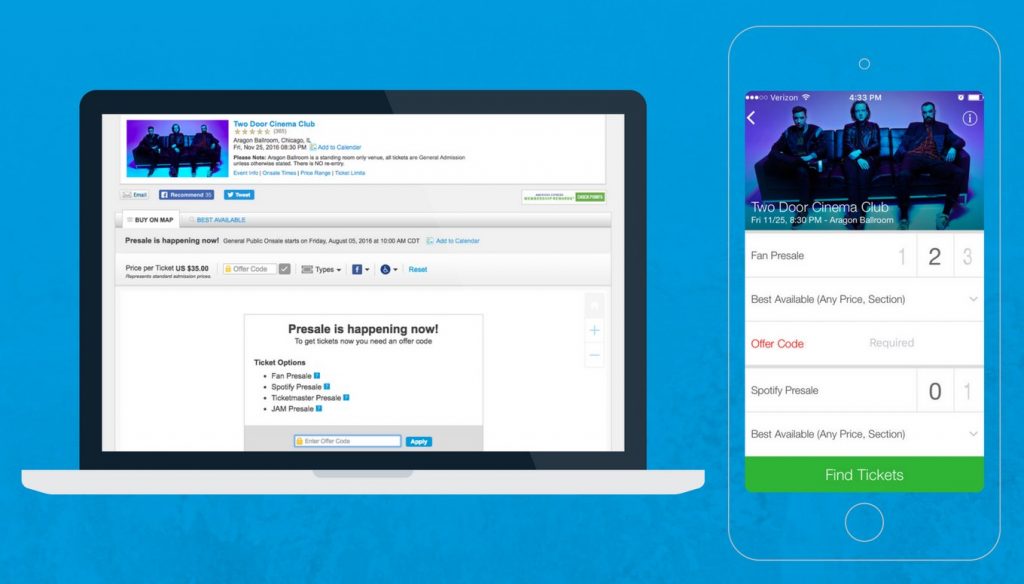
The gateway to presale access often comes in the form of a unique code or specific membership, transforming the simple act of buying a ticket into a strategic quest for opportunity. These access mechanisms are themselves part of a broader financial ecosystem, where companies and artists leverage loyalty and partnerships to control the flow of tickets.
The Economics of Exclusive Access Codes
Behind every presale code lies a carefully constructed financial or marketing agreement, designed to extract value or cultivate specific relationships.
- Fan Club Memberships: A Subscription Model for Access: Many artists offer official fan clubs, which often come with an annual or monthly membership fee. The core value proposition for these fees is often guaranteed presale access. This is a clear subscription-based revenue model for the artist or their management, offering loyal fans a financial investment in priority access and exclusive content. The membership fee becomes a form of “pre-investment” for future ticket purchases.
- Credit Card Partnerships: Financial Institutions Leveraging Customer Loyalty: Major credit card companies frequently partner with artists and venues to offer exclusive presales to their cardholders. For the credit card issuer, this is a powerful customer retention and acquisition tool. It offers a tangible, high-value perk that encourages cardholders to use their specific card for purchases, driving transaction volume and potentially justifying higher annual fees. For event organizers, it provides a financially robust marketing channel and a demographic of consumers with readily available purchasing power.
- Sponsor and Artist Presales: Value Exchange for Brand Engagement: Beyond fan clubs and credit cards, various sponsors, radio stations, or even the artists themselves might offer presale codes. These are often distributed through promotional campaigns, social media engagement, or partnerships. The underlying economic principle here is a value exchange: consumers engage with a brand or artist’s content (e.g., listening to a specific radio station, signing up for a sponsor’s newsletter) in return for the potential financial benefit of early ticket access. This engagement is a form of brand investment for the sponsor.
Strategies for Securing Presale Access: A Return on Effort
For the consumer, gaining access to presales is less about luck and more about strategic effort and informed financial decision-making.
- Proactive Research: Identifying Financial Opportunities: The most effective strategy involves diligent research. This means monitoring official artist websites, venue announcements, and reputable ticketing platforms well in advance. Understanding which financial institutions or fan clubs are likely to offer presales for desired events allows consumers to prepare by potentially acquiring the relevant credit card or joining a fan club – a calculated financial decision.
- Newsletter Subscriptions: Direct Channels for Monetary Offers: Subscribing to newsletters from artists, venues, and primary ticket vendors (e.g., Ticketmaster, Live Nation) is a low-effort, high-reward strategy. These newsletters are often the direct conduits for presale announcements and code distribution. Missing out on these can mean missing critical financial opportunities.
- Social Media Engagement: Free Access to Valuable Financial Information: Following artists, venues, and promoters on social media platforms can provide real-time updates on presales, sometimes even revealing codes directly. While seemingly free, the “cost” is the time and attention spent engaging with these platforms, which implicitly supports the artist’s digital presence – a form of indirect value exchange.
The Financial Impact of Presales on the Broader Market
Presales don’t operate in isolation; they exert a significant influence on the entire ticket market, impacting everything from secondary market dynamics to the long-term sustainability of the event ecosystem.
Influencing Secondary Markets and Ticket Resale Dynamics
The existence of presales fundamentally alters the supply-demand equilibrium, especially for highly sought-after events.
- How Presales Can Alleviate or Exacerbate Scalping: On one hand, by allowing a significant portion of tickets to be sold directly to legitimate fans at face value, presales can theoretically reduce the inventory available for scalpers to hoard, thereby dampening the secondary market. However, if presale access is highly exclusive and tickets are scarce even in the presale, it can inadvertently create artificial scarcity, pushing up secondary market prices even further for those without access. The outcome depends heavily on the volume of tickets released during the presale and the effectiveness of anti-bot measures.
- The Economics of Supply and Demand in the Presale Window: During a presale, the supply of tickets is deliberately restricted to a subset of the total available. This artificial scarcity, coupled with high demand from a targeted group, is a textbook example of how to drive urgency and immediate sales. The high velocity of presale sell-outs reinforces the perceived value and demand, influencing later general sale expectations.
- Impact on Pricing Expectations for General Sale: A successful presale that sells out quickly establishes a strong market signal. It communicates to the general public that demand is extremely high, setting an expectation for rapid sell-out during the general sale and potentially justifying higher prices for subsequent tiers if a dynamic pricing strategy is employed. Conversely, a sluggish presale might temper pricing expectations.
Long-Term Financial Implications for Event Ecosystems
Beyond individual transactions, presales contribute to the financial health and structure of the entire entertainment industry.
- Sustainability for Artists and Venues: Predictable revenue streams generated by presales are crucial for the long-term financial viability of artists, promoters, and venues. It provides the financial stability needed to plan tours, invest in production, and maintain performance spaces, supporting thousands of jobs and creative endeavors.
- Consumer Trust and Brand Loyalty as a Financial Asset: By prioritizing loyal fans through presales, event organizers build a robust base of repeat customers. This brand loyalty is a valuable financial asset, reducing marketing costs for future events and creating a more predictable revenue stream. Trust in the ticketing process, reinforced by fair presale access, encourages continued engagement and spending.
- The Role of Presales in a Competitive Entertainment Industry: In an increasingly crowded entertainment landscape, presales are a competitive differentiator. They allow artists and promoters to reward their most dedicated followers, creating an exclusive experience that fosters deeper engagement than simply offering tickets to everyone simultaneously. This exclusivity is a powerful marketing tool with clear financial benefits.
Navigating the Presale Landscape: Best Practices for Financial Success
Successfully participating in presales requires more than just knowing when they happen; it demands a strategic, financially sound approach.
Smart Budgeting and Financial Preparedness
Prudent financial management is key to leveraging presales effectively without overextending personal finances.
- Setting a Clear Budget Before the Presale: Before even looking for codes, establish a firm budget for event tickets. Decide how much you are willing and able to spend. This prevents emotional overspending in the heat of the moment, especially for highly anticipated events.
- Understanding Payment Methods and Fees: Be aware of the accepted payment methods and account for all associated fees (service fees, delivery fees, taxes). These can significantly add to the base ticket price and must be factored into your budget. Some credit card presales might offer unique financing options or points accumulation, which can add indirect financial value.
- Avoiding Impulse Purchases: The urgency of a presale can lead to impulse buys. Stick to your budget and prioritize events that genuinely align with your interests. Don’t feel pressured to buy tickets for an event just because you have presale access; always consider the true financial and experiential value.
Due Diligence: Protecting Your Investment
Ensuring the legitimacy and terms of your ticket purchase is critical to protecting your financial investment.
- Verifying Legitimate Presale Sources to Avoid Scams: The exclusivity of presales makes them a prime target for fraudsters. Always purchase tickets directly from official ticketing platforms, artist websites, or verified fan clubs. Be wary of unsolicited links or unofficial sources promising guaranteed access or unusually low prices. A fraudulent purchase is a complete financial loss.
- Understanding Ticket Transfer Policies: For various reasons, you might need to transfer or resell your ticket. Understand the platform’s policies regarding ticket transfers and resales, as these can have significant financial implications if your plans change. Some tickets are non-transferable or have strict resale limitations.
- Reading the Fine Print on Refund/Exchange Policies: Before committing financially, thoroughly read and understand the refund and exchange policies associated with presale tickets. Event cancellations or postponements can occur, and knowing your rights and the potential for financial recovery is essential.
The Evolving Economics of Presales: Future Trends
The presale landscape is not static; technological advancements and shifting market demands continue to reshape its financial models and mechanisms.
Dynamic Pricing and Algorithmic Presales
The advent of sophisticated data analytics and AI is revolutionizing how tickets are priced and distributed during presales.
- How AI and Data Analytics are Shaping Presale Pricing: Event organizers are increasingly employing AI-driven algorithms to analyze vast amounts of data—historical sales, artist popularity, venue capacity, demographic information, and even real-time demand. This allows for dynamic pricing strategies where presale ticket prices can fluctuate based on perceived demand, available inventory, and specific target groups, maximizing revenue while managing consumer perception.
- Personalized Presale Offers Based on Purchasing History: Imagine receiving a presale offer tailored specifically to your past concert attendance, genre preferences, and even your spending habits. AI-powered personalization is allowing platforms to deliver highly targeted presale opportunities, increasing conversion rates and optimizing the financial efficiency of marketing efforts by presenting the most relevant offers to individual consumers.

Blockchain and NFTs: Redefining Ticket Ownership and Value
Emerging technologies like blockchain and Non-Fungible Tokens (NFTs) hold the potential to fundamentally transform the economics of ticketing, including presales.
- Potential for Secure, Traceable Ticket Assets: Blockchain technology offers an immutable, transparent ledger that can track every ticket from its initial issuance through any subsequent transfers. This could virtually eliminate fraudulent tickets and provide irrefutable proof of ownership, protecting both consumer investments and organizer revenue.
- New Models for Fan Engagement and Revenue Sharing: NFTs, as unique digital assets, could redefine what a “ticket” means. An NFT ticket could not only grant entry but also serve as a collectible, unlock exclusive digital content, or even provide future presale access to subsequent events. This creates new revenue streams for artists (e.g., royalties on secondary market sales of NFT tickets) and deeper, more financially entangled engagement with fans, transforming a simple purchase into an asset holding potential long-term value.
In conclusion, ticket presales are much more than just a convenience; they are a sophisticated, multi-faceted financial strategy that impacts every corner of the live event industry. For consumers, they offer a strategic pathway to desired experiences, demanding careful budgeting and informed decision-making. For organizers, they are indispensable tools for revenue optimization, risk management, and fostering customer loyalty. As technology continues to evolve, the financial architecture of presales will undoubtedly become even more intricate, offering new opportunities and challenges for everyone involved in the exciting world of live entertainment.
aViewFromTheCave is a participant in the Amazon Services LLC Associates Program, an affiliate advertising program designed to provide a means for sites to earn advertising fees by advertising and linking to Amazon.com. Amazon, the Amazon logo, AmazonSupply, and the AmazonSupply logo are trademarks of Amazon.com, Inc. or its affiliates. As an Amazon Associate we earn affiliate commissions from qualifying purchases.