
A thrift store is much more than a repository for donated clothing and used household goods; it is a fundamental pillar of the modern circular economy and a sophisticated tool for financial management. At its core, a thrift store is a retail establishment that sells secondhand items at a significant discount compared to original retail prices. Often operated by non-profit organizations to fund charitable programs, these stores have evolved into high-growth commercial hubs that attract budget-conscious consumers, professional resellers, and sustainability-focused investors alike.
Understanding what a thrift store is requires looking past the racks of vintage apparel to see the underlying economic engine. In a world of rising inflation and volatile supply chains, the thrift industry represents a resilient secondary market where value is reclaimed and wealth is preserved. Whether viewed through the lens of personal budgeting or as a platform for entrepreneurial arbitrage, the thrift store is a vital component of the global financial landscape.
Understanding the Thrift Store Model: A Financial Perspective
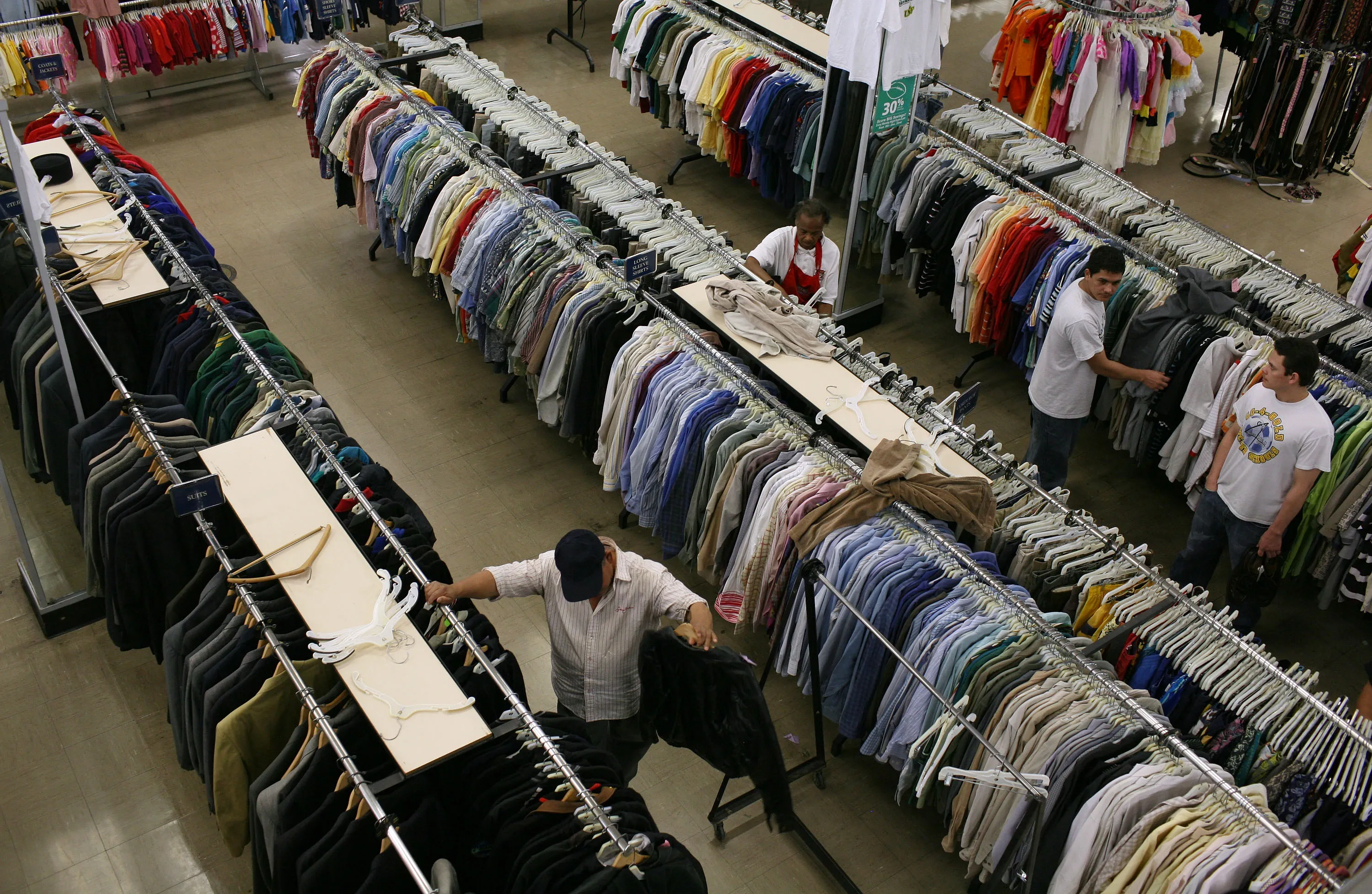
The operational mechanics of a thrift store differ significantly from traditional retail. While a standard department store relies on complex global supply chains and high manufacturing costs, the thrift store thrives on localized inventory acquisition and low-cost overhead. This unique business model allows for profit margins and pricing structures that are impossible in the primary market.
How Thrift Stores Acquire Inventory
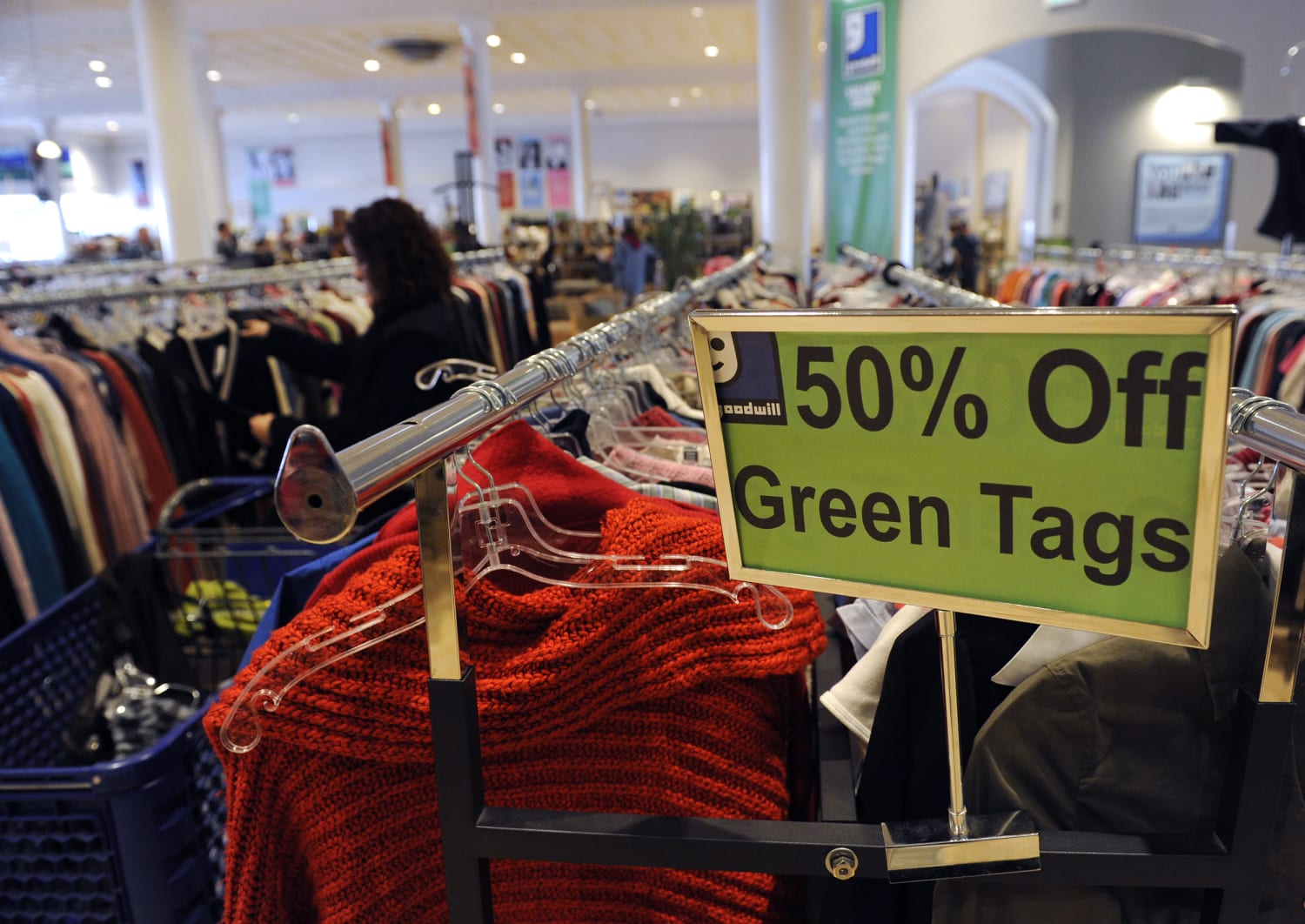
Most traditional thrift stores operate on a donation-based model. Organizations such as Goodwill, The Salvation Army, or local independent charities receive goods from the public for free. Because the cost of goods sold (COGS) is essentially zero—excluding the labor and logistics of sorting and processing—these entities can offer products at 70% to 90% off their original MSRP. This creates an immediate value proposition for the consumer: the ability to acquire high-quality assets for a fraction of their replacement cost.
The Rise of For-Profit Thrift and Consignment
While non-profit models are the most recognizable, the for-profit thrift sector is expanding rapidly. These businesses may purchase inventory in bulk (buy-out models) or operate via consignment. In a consignment model, the store acts as a broker, selling the item for a third party and taking a percentage of the final sale price—usually between 40% and 60%. From a business finance perspective, this is an incredibly efficient model as it minimizes inventory risk; the store doesn’t “own” the item until it sells, preserving liquid capital for marketing and operations.
The Role of Thrifting in Personal Finance and Debt Reduction
For the individual consumer, the thrift store is a strategic asset in the quest for financial independence. The primary benefit is the dramatic reduction in cost-of-living expenses. By decoupling lifestyle quality from retail spending, individuals can reallocate significant portions of their income toward debt repayment, savings, or investment vehicles.
Drastic Cost Savings on Essentials
The most immediate impact of thrifting is found in the “sunk cost” categories of a household budget: clothing, kitchenware, and small furniture. These items typically depreciate by 50% or more the moment they leave a traditional retail store. By purchasing these items at a thrift store, a consumer avoids the “newness premium” and the immediate depreciation hit. Over a fiscal year, a family that shifts 50% of its discretionary spending to the secondhand market can save thousands of dollars, effectively giving themselves a tax-free “raise.”
Finding High-Value Assets for Pennies
Thrift stores are one of the few places where “information asymmetry” works in the favor of the buyer. In a standard retail environment, the price is fixed based on market data. In a thrift store, a high-end designer suit or a solid wood mid-century modern dresser may be priced the same as a fast-fashion alternative or a particle-board shelf because the person pricing the item may not recognize the brand’s intrinsic value. For the financially literate shopper, this creates an opportunity to acquire luxury-tier goods that maintain their value or even appreciate, further strengthening their personal balance sheet.
The Arbitrage Opportunity: Thrifting as a Scalable Side Hustle

The growth of the digital economy has transformed thrifting from a cost-saving measure into a multi-billion dollar “flipping” industry. This is the practice of retail arbitrage: buying undervalued items at thrift stores and selling them for their true market value on digital platforms.
The Mechanics of Resale Arbitrage
Professional resellers treat thrift stores as their primary suppliers. By utilizing mobile apps and historical sales data from platforms like eBay, Poshmark, and Depop, they can identify items that are mispriced at the local level but high in demand globally. For example, a vintage Patagonia fleece purchased for $5 at a local thrift store might sell for $85 online. After shipping fees and platform commissions, the net profit margin remains exceptionally high. This has become a legitimate entry point for many looking to build an online income with minimal startup capital.
Scaling a Resale Business
As this side hustle grows, it mirrors the complexities of a small business. Resellers must manage inventory turnover rates, track tax-deductible expenses (such as mileage and packaging supplies), and analyze market trends to ensure their capital isn’t tied up in “dead” stock. The thrift store, in this context, functions as a decentralized warehouse of opportunity. Successful resellers often specialize in niches—such as high-end electronics, vintage vinyl, or designer handbags—where their specialized knowledge allows them to extract the maximum financial yield from every thrift store visit.
The Institutional Shift: Why Big Business is Entering the Secondhand Market
The financial viability of the thrift model has caught the attention of major corporations and venture capital. What was once seen as a niche market for “bargain hunters” is now being institutionalized as “re-commerce.”
The Multi-Billion Dollar Projections
Market reports frequently suggest that the secondhand market is poised to double in size over the next five years, outpacing traditional retail by a significant margin. This growth is driven by a shift in consumer psychology; “used” is no longer a stigma but a badge of financial and environmental savvy. Large retailers like REI, Levi’s, and Lululemon have launched their own “buy-back” or “pre-loved” sections. By capturing the resale value of their own products, these brands are creating new revenue streams and increasing customer lifetime value (CLV).
The Circular Economy and Corporate Finance
From a corporate finance perspective, the integration of thrift and resale into a brand’s identity is a hedge against resource scarcity and rising manufacturing costs. By facilitating the resale of their goods, companies can reduce the need for new raw materials while maintaining brand presence in the market. Furthermore, the data collected from resale platforms provides invaluable insights into the durability and long-term desirability of their products, informing future R&D and investment strategies.
Strategic Thrifting: How to Maximize ROI on Every Purchase
Whether you are thrifting to save money or to make money, success requires a strategic approach. It is not merely about finding “cheap” items; it is about identifying value that others have overlooked.
Quality Assessment and Material Intelligence
To maximize the financial return on a thrift store visit, one must look past the brand name and focus on the materials. In the world of clothing, items made of natural fibers like silk, cashmere, wool, and leather have a much higher resale and longevity value than synthetic blends. In furniture, solid wood and dovetail joints indicate a piece that can be refinished and sold for a premium. Developing this “eye for quality” is essentially a form of financial education that prevents the waste of capital on low-quality goods.
Timing and Geographic Arbitrage
The inventory of a thrift store is highly dependent on its location and the timing of donations. Wealthier ZIP codes often yield higher-end brands and luxury goods, as the donation stream reflects the surrounding demographic’s spending power. Additionally, understanding the “cycle of the store”—when new stock is put out or when seasonal clearances happen—allows a savvy shopper to get the first pick of high-value items. This level of tactical planning ensures that the time invested in thrifting yields the highest possible hourly “wage” in terms of savings or potential profit.
In conclusion, a thrift store is a complex financial ecosystem that offers a unique path to wealth creation and preservation. It serves as a laboratory for retail arbitrage, a sanctuary for those looking to slash their cost of living, and a growing sector for corporate investment. By viewing the thrift store not just as a shop, but as a source of undervalued assets, individuals and businesses alike can leverage the secondary market to build a more robust and resilient financial future.
aViewFromTheCave is a participant in the Amazon Services LLC Associates Program, an affiliate advertising program designed to provide a means for sites to earn advertising fees by advertising and linking to Amazon.com. Amazon, the Amazon logo, AmazonSupply, and the AmazonSupply logo are trademarks of Amazon.com, Inc. or its affiliates. As an Amazon Associate we earn affiliate commissions from qualifying purchases.