
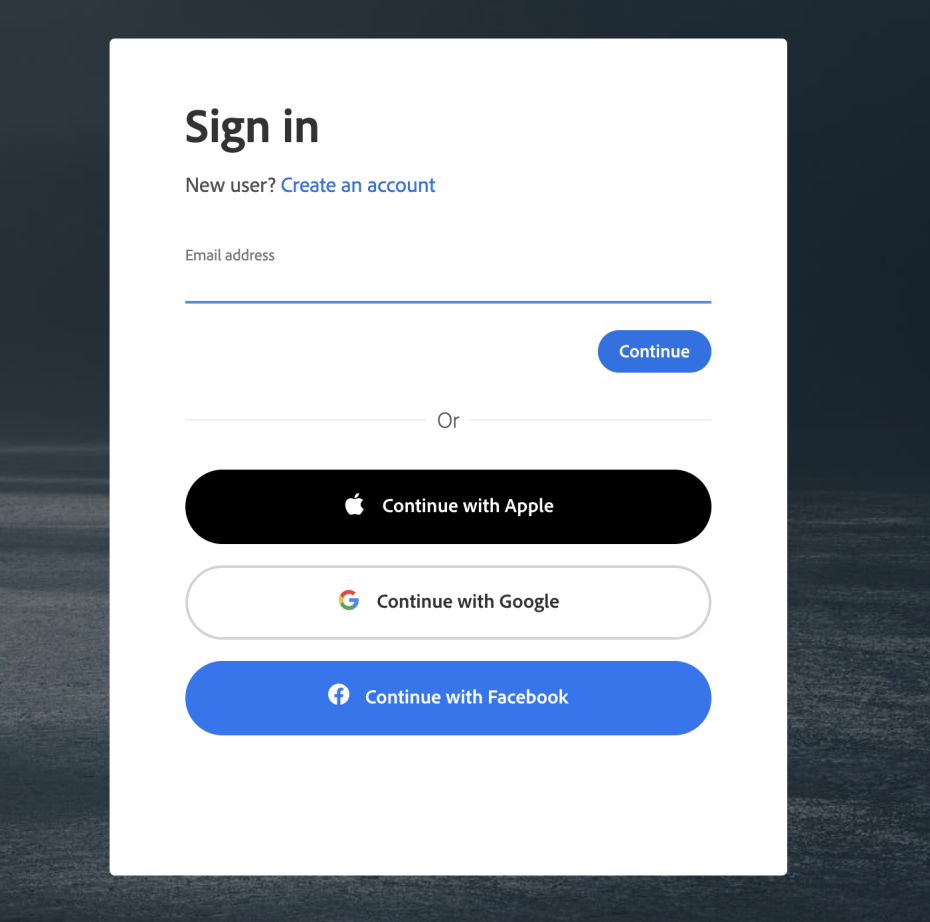
In the modern digital ecosystem, the friction of creating a new account for every website or application has become a significant barrier to user experience. We have all encountered the “Sign Up” page that demands a unique username, a password with complex requirements, and an email verification process that feels like an unnecessary hurdle. Enter third-party sign-in—a technology that streamlines this process by allowing users to authenticate their identity using an existing account from a major provider, such as Google, Apple, Facebook, or Microsoft.
At its core, third-party sign-in is an implementation of identity federation. It allows a service provider to delegate the authentication process to a trusted identity provider (IdP). By leveraging the authentication credentials already established with a tech giant, users can access new platforms with a single click, effectively eliminating the need for password fatigue and the mismanagement of dozens of unique login credentials.
The Mechanics of Identity Federation
Third-party sign-in does not mean that the website you are visiting gains access to your primary password. This is perhaps the most common misconception regarding the technology. Instead, the process relies on sophisticated cryptographic protocols—most notably OAuth 2.0 and OpenID Connect (OIDC)—to manage the exchange of information securely.
The Role of OAuth and OpenID Connect
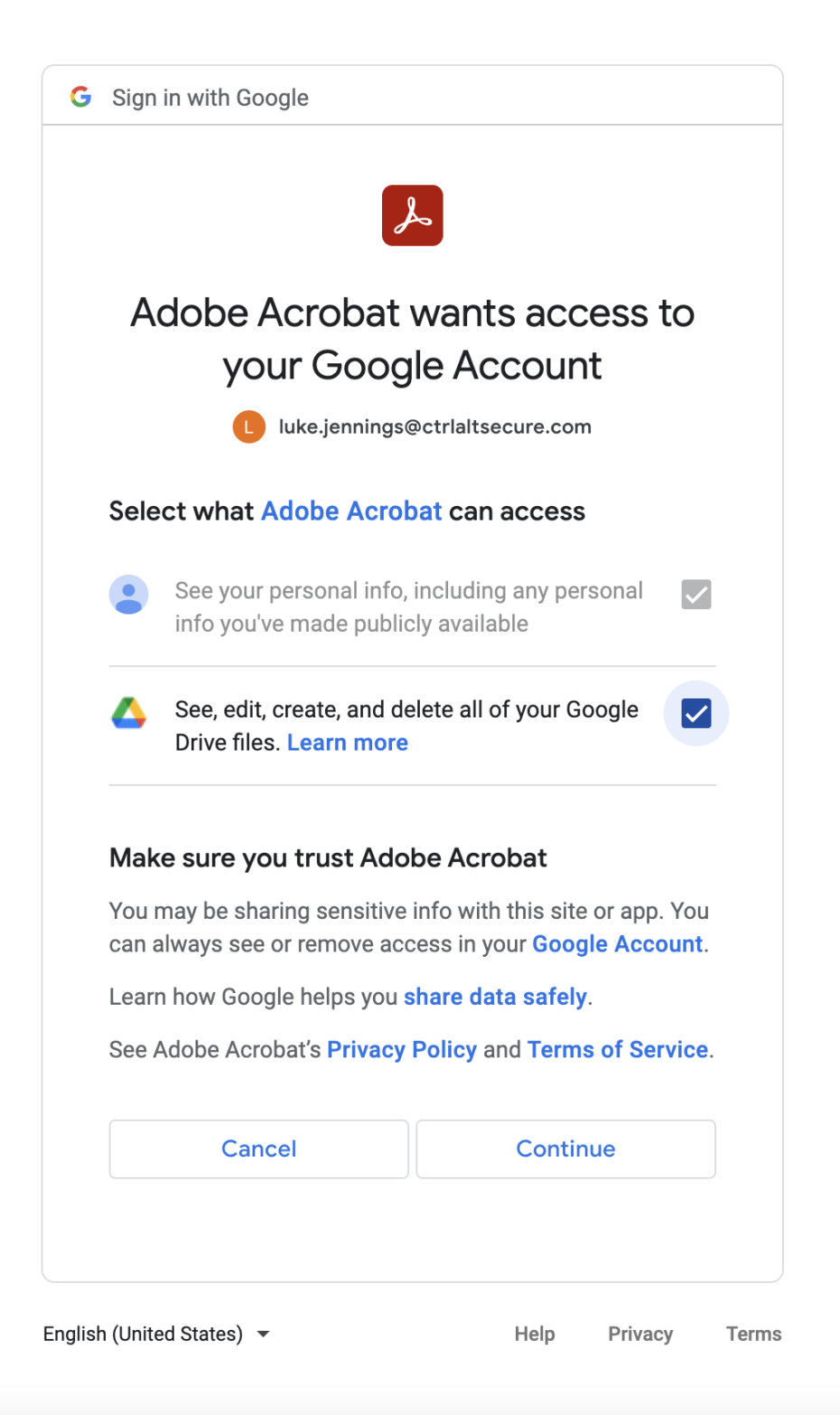
OAuth 2.0 is the industry-standard authorization framework. It functions like a valet key for a car; it grants the third-party application limited access to specific data without providing the “master key” (your actual password). When you click “Sign in with Google,” you are not handing your Google password to the website. Instead, you are logging into Google directly, and Google then issues a digital token to the website.
OpenID Connect (OIDC) sits on top of OAuth 2.0 and acts as an authentication layer. While OAuth is designed for authorization (what can the app do?), OIDC is designed for identity (who are you?). When these two work in tandem, they ensure that the website receives a verifiable identity claim, allowing them to create your profile without ever needing to touch your sensitive credentials.
The Token Exchange Process
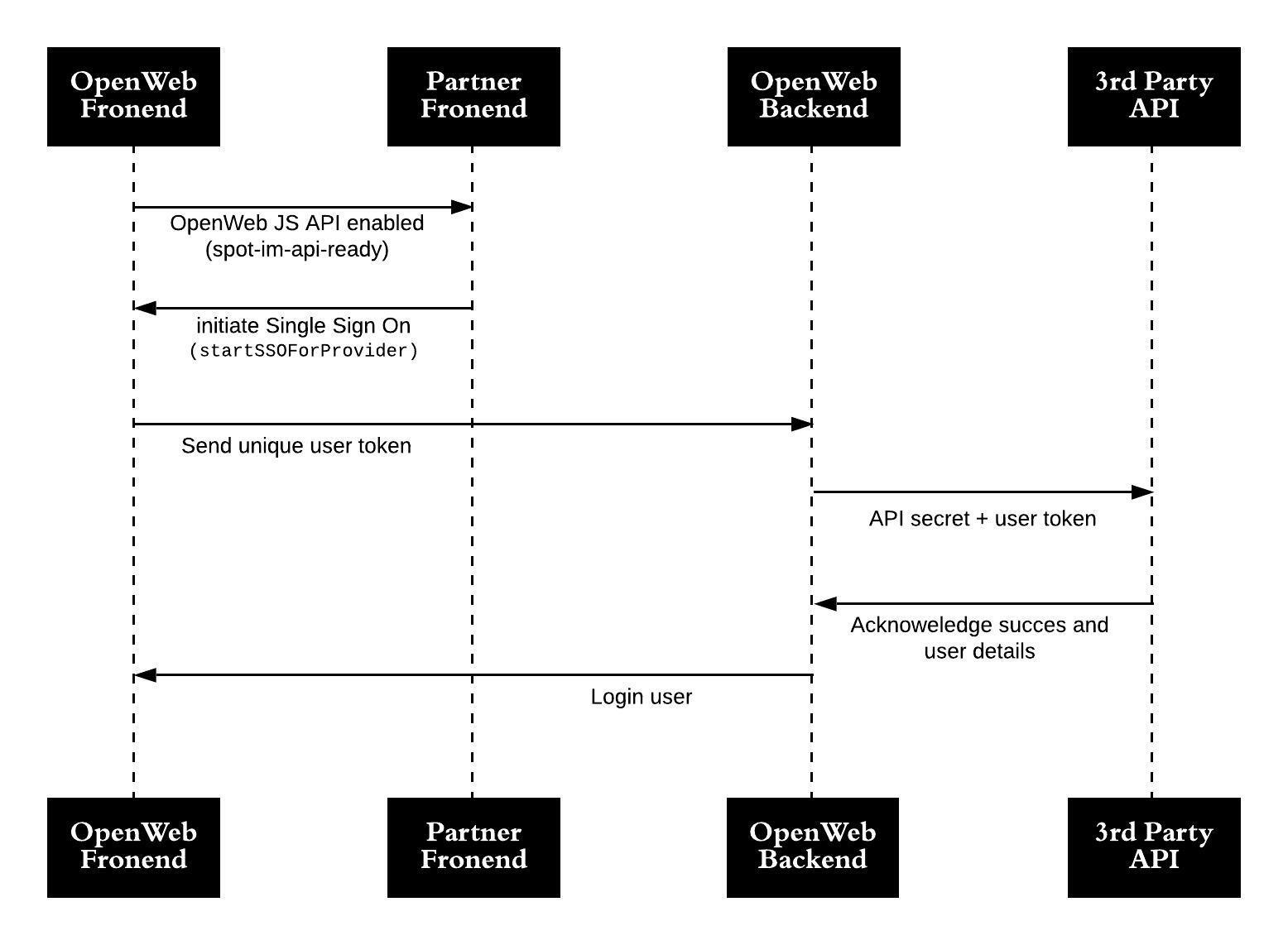
When a user initiates the sign-in process, the application redirects the user to the identity provider. After the user authenticates, the IdP sends an authorization code back to the application. The application then exchanges this code for an identity token. This token acts as a passport, containing encrypted information such as the user’s name, email address, and a unique identifier that the application can use to recognize the user in future sessions. Because this process happens server-to-server, the user’s credentials remain isolated within the ecosystem of the identity provider.
Security Implications and Digital Hygiene
While the convenience of third-party sign-in is undeniable, it is vital to evaluate the security implications. Critics often argue that centralizing identity creates a “single point of failure.” If your Google or Apple account is compromised, the attacker theoretically gains access to every application linked to that account. However, when viewed through the lens of modern digital security, the trade-offs often lean in favor of federated login.
Enhancing Security Through MFA
Most major identity providers have invested billions of dollars into high-grade security infrastructure, including hardware-backed multi-factor authentication (MFA), real-time threat detection, and advanced risk analysis. For a smaller website or a niche app, implementing such a robust security stack is often prohibitively expensive and technically complex. By offloading authentication to a major provider, users are essentially “piggybacking” on the superior security measures of the tech giants. Your account on a small blog is inherently more secure if it relies on Google’s advanced MFA than if it relied on a weak, reused password stored in a poorly encrypted database on the blog’s private server.
Password Fatigue and Phishing Reduction
Password fatigue is a legitimate security vulnerability. When users are forced to create new passwords for dozens of platforms, they invariably resort to password reuse or simple, predictable patterns. This behavior makes them vulnerable to credential stuffing attacks. Third-party sign-in effectively mitigates this by reducing the number of passwords a user must remember to essentially one or two. Furthermore, because users never enter their credentials into the third-party app itself, they are less susceptible to basic phishing attacks that mimic the look of a login form to steal raw username and password combinations.
Privacy Considerations and Data Sharing
The convenience of “one-click” access comes with the caveat of data privacy. It is important to understand exactly what information is being shared during the authentication process.
The Principle of Least Privilege
Well-implemented third-party sign-in systems adhere to the principle of least privilege. When you sign in, the identity provider generally only shares the bare minimum required to identify the user: a unique ID, an email address, and occasionally a name or profile picture. Developers can request additional permissions—such as access to your contact list or calendar—but the user is explicitly presented with a prompt asking for permission to share this data.
Tracking and Profiling
While the security of the sign-in process itself is sound, users must remain aware of the tracking implications. When you use a third-party sign-in, the identity provider is notified that you have accessed a specific website. This data can be used by the identity provider to build a more comprehensive profile of your interests, habits, and digital activity. For users who prioritize extreme privacy, this tracking is a significant concern. It is essentially the price of admission for the convenience of federated authentication. Always review the “Permissions” settings in your Google or Apple account periodically to see which apps you have connected and revoke access to those you no longer use.
The Future of Identity: Moving Beyond Passwords
The evolution of third-party sign-in is pushing the industry toward a passwordless future. Innovations such as FIDO2, WebAuthn, and passkeys are building upon the foundation laid by federated login. These technologies aim to eliminate passwords entirely, replacing them with biometric verification (like FaceID or fingerprint scanning) tied to a physical device.
Decentralized Identity (DID)
As we look ahead, the industry is exploring decentralized identity models. Unlike the current model, where your identity is “owned” by a tech giant, decentralized identity allows users to maintain control over their identity attributes on a blockchain or distributed ledger. Under this model, you would provide a “proof” of your identity to a third party without necessarily needing a middleman identity provider like Google to verify it.
The Standardization of Login
Today, third-party sign-in has become a standard requirement for user acquisition. Apps that lack this feature often see higher abandonment rates at the registration stage. As consumers, we have become conditioned to expect instant access, and the frictionless nature of OIDC and OAuth has become the gold standard. Whether through social logins or the emerging wave of passkeys, the goal remains the same: creating a secure, seamless, and private way to identify ourselves in an increasingly crowded digital world.
Understanding what is happening behind the scenes when you click “Sign in with…” is the first step toward taking control of your digital footprint. By leveraging these tools with an awareness of the data being shared and maintaining a strong primary identity account, users can enjoy the best of both worlds: the efficiency of the modern web and the security of enterprise-grade infrastructure.
aViewFromTheCave is a participant in the Amazon Services LLC Associates Program, an affiliate advertising program designed to provide a means for sites to earn advertising fees by advertising and linking to Amazon.com. Amazon, the Amazon logo, AmazonSupply, and the AmazonSupply logo are trademarks of Amazon.com, Inc. or its affiliates. As an Amazon Associate we earn affiliate commissions from qualifying purchases.