
While many perceive the Whole30 as merely a 30-day dietary elimination program, a closer inspection reveals a sophisticated masterpiece of brand strategy, community engineering, and market positioning. Since its inception in 2009, Whole30 has transcended the volatile world of “fad diets” to become a perennial lifestyle brand. It serves as a premier case study in how to build a high-equity brand identity through psychological triggers, uncompromising standards, and a robust ecosystem of partnerships.
To understand what the Whole30 is from a brand perspective, one must look past the list of prohibited foods and analyze the strategic framework that has allowed a simple PDF download to evolve into a multi-million dollar empire encompassing best-selling books, retail products, and a globally recognized certification seal.
The Architecture of an Uncompromising Brand Identity
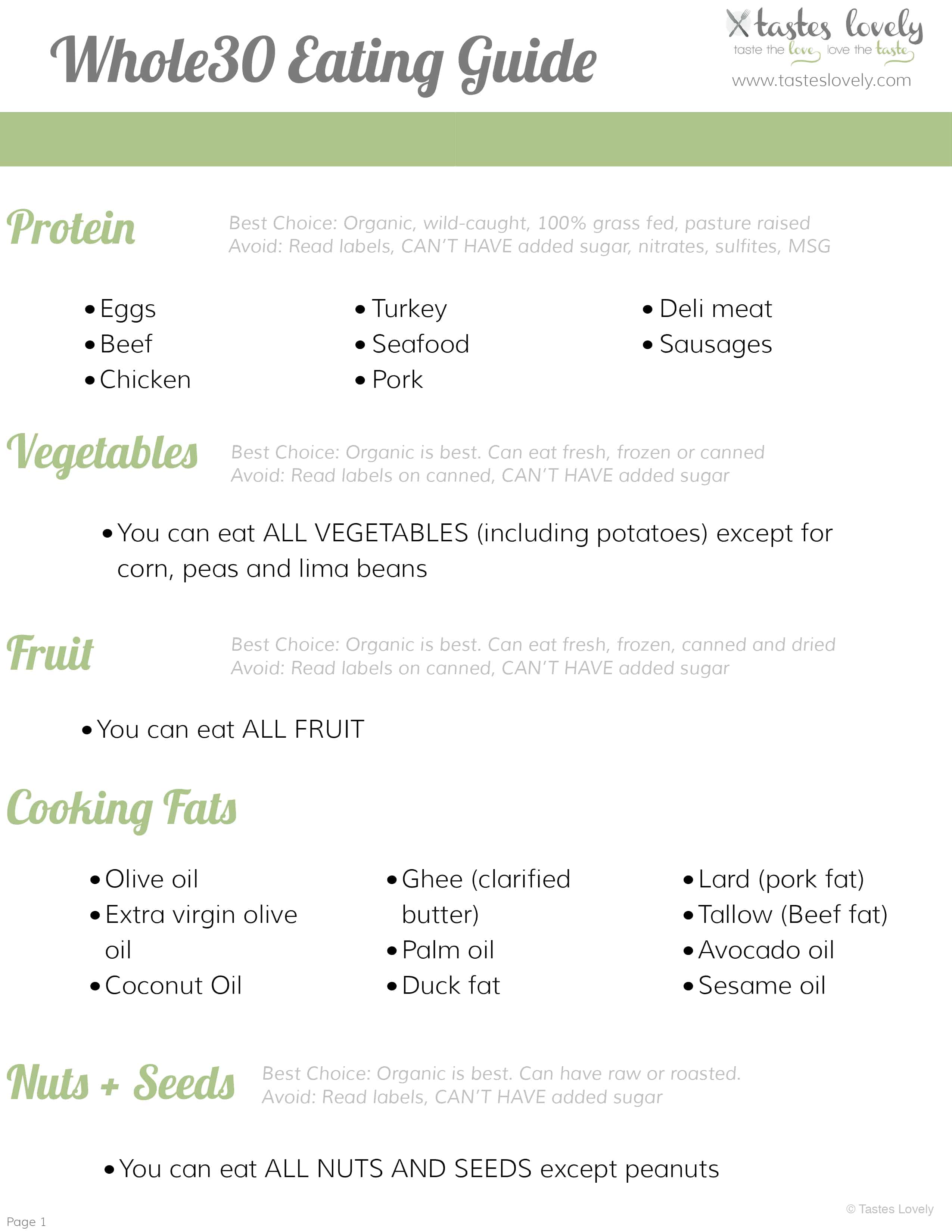
The foundational strength of the Whole30 brand lies in its radical clarity. In a wellness market saturated with “flexible” dieting and moderate lifestyle shifts, Whole30 took a contrarian approach: absolute rigidity. This decision was not just a health choice; it was a brilliant branding move. By establishing a set of “non-negotiable” rules, the brand created an immediate “us vs. them” narrative that fosters intense psychological commitment.
Defining the Core Value Proposition
The Whole30’s value proposition is not weight loss—a metric that is often fleeting and difficult for a brand to “own.” Instead, it promises “Life Changing” results through “Non-Scale Victories” (NSVs). By pivoting the focus away from the scale and toward energy levels, sleep quality, and relationship with food, the brand secures a deeper emotional resonance with its consumers. This shift in metrics allows the brand to avoid the “yo-yo” stigma of fitness products and positions itself as a tool for personal transformation.
The Psychology of “The Rules”
Brand loyalty is often built on shared adversity. The Whole30 program is intentionally difficult, and the brand uses this “tough love” persona to its advantage. The rule stating that “one bite of a non-compliant food resets your 30 days to Day 1” is a masterclass in behavioral branding. It increases the stakes, making the completion of the program a badge of honor. This “earned” status is a powerful driver of brand equity, as participants feel they have joined an elite group of disciplined individuals.
Establishing Authority Through Emotional Resonance
The brand’s voice is distinct—it is authoritative, clinical yet conversational, and deeply empathetic. By speaking directly to the frustrations of the modern consumer—the “food boredom,” the “sugar cravings,” and the “burnout”—Whole30 positions itself not as a vendor of information, but as a guide through a difficult journey. This positioning builds a level of trust that is difficult for corporate health brands to replicate.
Ecosystem Building: The “Whole30 Approved” Certification Strategy
A brand’s longevity is often dictated by its ability to integrate into the daily lives of its consumers beyond its primary product. Whole30 achieved this through vertical integration and a highly successful licensing model: the “Whole30 Approved” label.
The Power of the Third-Party Endorsement
The “Whole30 Approved” seal is a genius stroke of B2B and B2C marketing. For the consumer, it reduces cognitive load in a grocery store, acting as a shortcut to trust. For food manufacturers, the seal is a gateway to a highly engaged, high-intent demographic. By licensing this logo to brands like Applegate, Chipotle, and Thrive Market, Whole30 has effectively turned other companies’ marketing budgets into its own brand awareness campaigns.
Creating a Closed-Loop Economy
Through these partnerships, Whole30 has created a closed-loop ecosystem. A consumer reads the book (the entry point), joins the community (the retention mechanism), and then purchases “Whole30 Approved” dressings, meats, and snacks (the monetization layer). This strategy ensures that even when a consumer is not “on” the 30-day program, they remain within the brand’s financial orbit by purchasing products that align with the brand’s philosophy.
Strategic Retail Partnerships
Whole30’s move into retail, specifically through partnerships with major chains like Whole Foods and Target, demonstrates an understanding of “availability heuristic.” By ensuring the brand is physically present in the premium aisles where its target demographic shops, it reinforces its status as a premium, high-quality authority in the wellness space.
Community Governance and the Power of Social Proof

No lifestyle brand survives without a cult-like community. Whole30’s growth has been largely organic, driven by a decentralized network of advocates who act as unpaid brand ambassadors.
Cultivating Radical Loyalty
The “Whole30 community” is not a passive audience; it is an active workforce. Through social media hashtags like #Whole30 and #Whole30Recipes, the brand has amassed millions of pieces of user-generated content (UGC). This content provides the ultimate social proof. When potential customers see “people like them” succeeding, the brand’s barrier to entry drops. This peer-to-peer marketing is far more effective than traditional advertising because it carries the weight of personal testimony.
The Certified Coach Program: Scaling Personal Touch
To manage a global community without losing the brand’s core voice, Whole30 launched a certification program for coaches. This is a brilliant scaling strategy. By charging individuals to become “Certified Whole30 Coaches,” the brand creates a new revenue stream while simultaneously creating a global sales force. These coaches are incentivized to bring new people into the Whole30 ecosystem, effectively scaling the founder’s reach without increasing the corporate headcount.
Data-Driven Community Management
The brand utilizes its community forums and social media presence as a giant focus group. By observing the “pain points” of their community—such as the difficulty of finding compliant coffee creamer—the brand can make data-backed decisions on what products to launch or what partnerships to pursue. This ensures a high “product-market fit” for every new endeavor.
The Founder-Led Brand: Authenticity as a Scalable Asset
At the heart of the Whole30 brand is its co-founder, Melissa Urban. In the era of the “Personal Brand,” Urban serves as the human face of the corporate entity, providing a level of transparency and relatability that serves as a moat against competitors.
Vulnerability as a Brand Pillar
Urban’s willingness to share her personal history, including her recovery from addiction, has anchored the brand in authenticity. This narrative transforms Whole30 from a set of dietary rules into a philosophy of self-respect and boundaries. For the brand, this means that even if a competitor creates a scientifically “better” program, they cannot replicate the emotional connection consumers have with Urban’s story.
Scaling the Founder’s Vision
The challenge of founder-led brands is scaling beyond the individual. Whole30 has navigated this by codifying Urban’s voice into the “Whole30 tone.” Whether it is a blog post, an Instagram caption, or a newsletter, the communication remains consistent. This allows the brand to maintain its “boutique” feel even as it grows into a global powerhouse.
Boundary Setting as a Marketing Tool
Interestingly, Whole30 often tells people not to do the program if they are not ready. This “reverse psychology” marketing reinforces the brand’s integrity. By being willing to turn away customers who aren’t a fit, the brand increases its value in the eyes of those who are. This selective approach builds a “brand of conviction,” which is far more sustainable than a “brand of convenience.”
Adapting the Narrative: Longevity in an Evolutionary Market
One of the most impressive aspects of the Whole30 brand is its ability to evolve without diluting its core identity. In recent years, the brand has introduced “Whole30 Plant-Based” and has shifted its language to be more inclusive of different cultural foodways and socioeconomic realities.
Strategic Brand Extension
The introduction of the plant-based program was a calculated response to market trends. Instead of dismissing the rise of veganism, Whole30 adapted its framework to fit a new demographic. This move expanded their Total Addressable Market (TAM) without alienating their original base, showcasing a high degree of brand agility.
Defensive Brand Positioning
Whole30 has survived numerous “wellness wars” by staying focused on its specific niche. It does not try to be a keto brand, a paleo brand, or a generic fitness brand. By remaining “The Whole30,” it avoids the commoditization that happens when brands try to follow every passing trend. This focus ensures that when a consumer is ready for a “reset,” Whole30 is the only brand that comes to mind.
The Future of the Lifestyle Ecosystem
As the brand looks forward, its strategy appears to be one of deeper integration into the “wellness stack.” From digital apps that help users track their 30 days to expanded lines of consumer packaged goods (CPG), the goal is ubiquity. The Whole30 is no longer just a program; it is a lens through which a specific, high-value consumer views the world.
In summary, the Whole30 is a masterclass in how to build a brand that is both a community and a commodity. By prioritizing psychological impact, establishing a rigorous certification ecosystem, and leveraging a powerful founder narrative, it has moved beyond the “diet” category and into the realm of essential lifestyle brands. It proves that in a crowded marketplace, the most powerful thing a brand can be is uncompromising.
aViewFromTheCave is a participant in the Amazon Services LLC Associates Program, an affiliate advertising program designed to provide a means for sites to earn advertising fees by advertising and linking to Amazon.com. Amazon, the Amazon logo, AmazonSupply, and the AmazonSupply logo are trademarks of Amazon.com, Inc. or its affiliates. As an Amazon Associate we earn affiliate commissions from qualifying purchases.