
The concept of “wage” is fundamental to individual financial stability, corporate economics, and national prosperity. Far more than just a paycheck, it represents the financial lifeblood that fuels personal consumption, savings, and investment, while simultaneously acting as a critical component of a business’s operational costs and a nation’s economic output. Understanding what constitutes a wage, the forces that shape it, and its profound impact on personal finance is essential for navigating the modern economic landscape.
Defining “Wage” in the Modern Economy
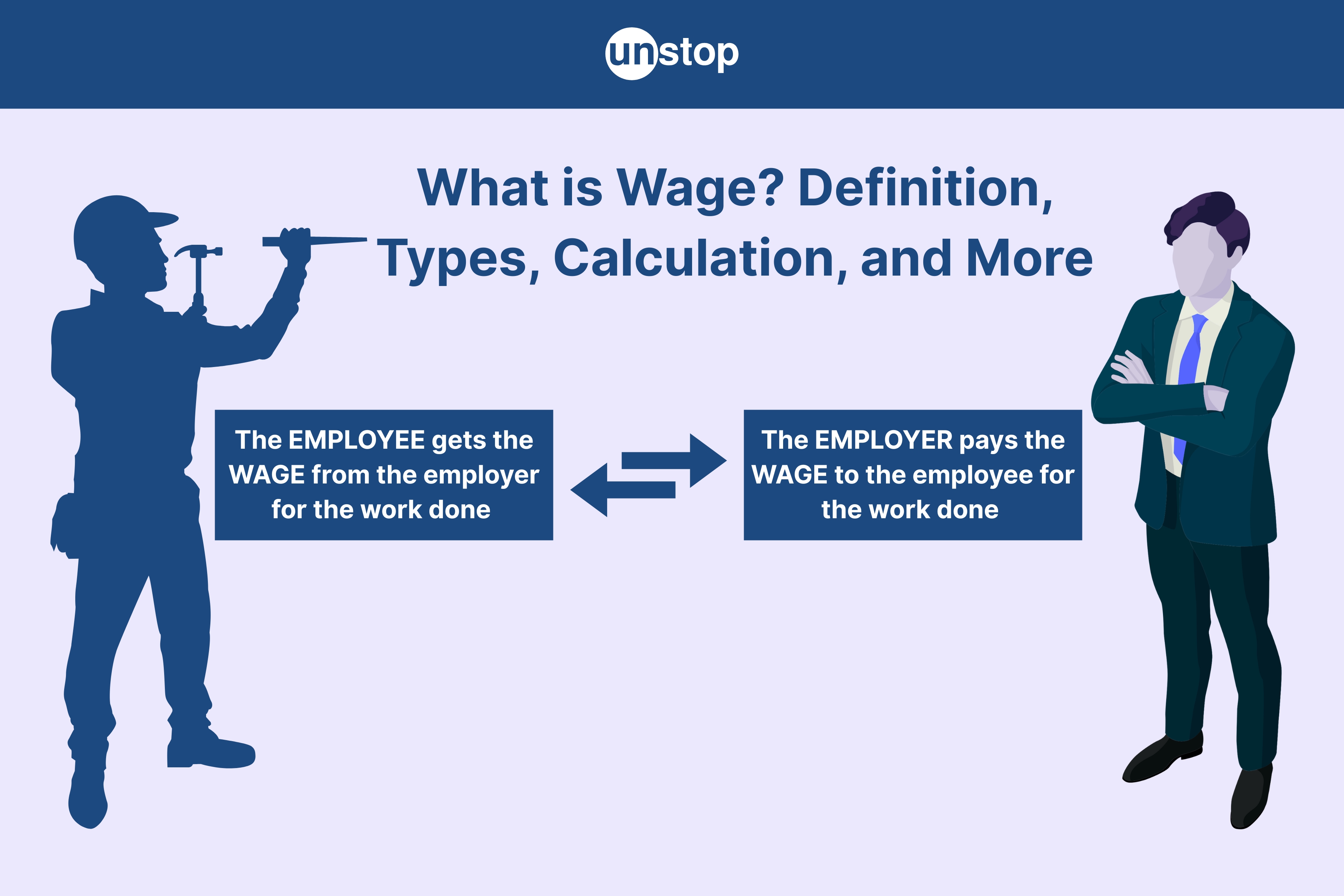
At its core, a wage is the monetary compensation paid by an employer to an employee for work performed. While seemingly straightforward, the modern definition of a wage encompasses various forms and is subject to numerous regulatory and economic considerations.
The Fundamental Concept: Forms of Compensation
Historically, wages were often associated with hourly pay, where compensation was directly proportional to the time spent working. This remains prevalent in many sectors, particularly in retail, hospitality, and manufacturing. However, the term has broadened to include:
-
Salary: A fixed amount paid to an employee over a specific period (e.g., bi-weekly, monthly), regardless of the exact hours worked, common for professional and managerial roles. Salaries typically imply an expectation of completing tasks rather than tracking time precisely.
-
Commission: Compensation based on a percentage of sales or revenue generated, often seen in sales roles. It directly links individual performance to earnings potential.
-
Piece-Rate Pay: Compensation based on the number of units produced or tasks completed, common in certain manufacturing or agricultural sectors.
-
Gig Economy Earnings: While not always categorized as traditional “wages” due to the independent contractor status, payments received for services rendered in the gig economy (e.g., ridesharing, freelance projects) functionally serve as income for labor provided.
Beyond these direct forms, a wage is increasingly viewed as one component of an individual’s total compensation package, which can include a wide array of benefits and non-monetary perks.
Legal and Economic Frameworks
The definition and administration of wages are heavily influenced by legal and economic frameworks.
-
Minimum Wage: A statutory minimum hourly rate that employers must pay their employees. It serves as a financial floor, aiming to prevent exploitation and ensure a basic standard of living. However, debates persist about whether the minimum wage aligns with a “living wage” in many areas, which is the income required to afford basic necessities and maintain a modest standard of living.
-
Prevailing Wage: The hourly wage, usual benefits, and overtime paid to the majority of workers, laborers, and mechanics within a particular area. This is often mandated for public works projects to ensure fair compensation.
-
Gross vs. Net Wage: It’s crucial to distinguish between gross wage (the total earnings before deductions) and net wage (the actual take-home pay after taxes, insurance premiums, retirement contributions, and other deductions). The net wage is what directly impacts an individual’s immediate spending power and personal finance decisions.
Factors Influencing Wage Levels
Wages are not static figures; they are dynamic outcomes shaped by a complex interplay of individual attributes, market forces, economic conditions, and even geographic location. Understanding these factors is key to comprehending earning potential and making informed career and financial choices.
Supply and Demand in Labor Markets
The most significant driver of wage levels is the fundamental economic principle of supply and demand.
-
Skills and Education: Jobs requiring specialized skills, advanced degrees, or unique talents typically command higher wages because the supply of qualified individuals is limited while demand remains high. Conversely, roles requiring easily acquired or common skills tend to have lower wage growth due to a larger labor supply.
-
Experience and Expertise: As individuals gain experience, their value to an employer often increases, leading to higher wages. Expertise implies a proven ability to deliver results, troubleshoot complex issues, and contribute strategically.
-
Scarcity of Talent: Niche industries or emerging technologies often experience a shortage of skilled professionals, driving up wages significantly for those with the required proficiencies.
Industry and Geographic Variations
Wages vary considerably across different industries and geographical regions.
-
Industry Profitability and Growth: High-growth, high-profit industries (e.g., technology, finance, specialized healthcare) often offer higher wages than mature or lower-margin sectors.
-
Cost of Living: Wages in major metropolitan areas with a high cost of living (e.g., New York, San Francisco, London) are typically higher to compensate for elevated housing, transportation, and daily expenses. However, this doesn’t always translate to greater disposable income.
-
Regional Economic Health: Areas with robust economies, strong job growth, and significant business investment tend to support higher wage levels.
Company Size, Profitability, and Economic Conditions
The specific employer and broader economic environment also play a critical role.
-
Company Size and Financial Health: Larger, more established companies with greater financial resources often offer more competitive wages and benefits than smaller businesses or startups. Highly profitable companies may also have more capacity to pay higher wages or offer performance-based bonuses.
-
Economic Cycles: During periods of economic growth and low unemployment, labor markets tend to be “tight,” meaning employers compete more aggressively for talent, leading to upward pressure on wages. Conversely, recessions and high unemployment weaken employees’ bargaining power and can lead to wage stagnation or even reductions.
-
Inflation: While not directly increasing wages, inflation erodes the purchasing power of earnings. If wage growth does not keep pace with inflation, employees effectively experience a decrease in real wages, impacting their financial well-being.
Negotiation Skills and Personal Branding
Ultimately, an individual’s ability to articulate their value and negotiate effectively can significantly influence their personal wage level, regardless of broader market conditions. Strong negotiation skills, backed by market research and a clear understanding of one’s contributions, can secure more favorable compensation packages. Personal branding, demonstrating expertise and reliability, can also increase perceived value and leverage in wage discussions.
The Impact of Wages on Personal Finance
For most individuals, wages are the primary source of income, making them the cornerstone of personal financial planning and stability. The level and consistency of one’s wage directly influence every aspect of financial health, from daily budgeting to long-term wealth accumulation.
Budgeting and Cash Flow Management
The net wage received forms the foundation of every personal budget. It dictates how much money is available for essential expenses like housing, food, transportation, and healthcare, as well as discretionary spending. Effective cash flow management relies on a clear understanding of net wage income versus outflow. A higher wage generally provides more flexibility and reduces financial stress, allowing for greater allocation to savings and investments after covering necessities.

Debt Management and Savings Capacity
The ability to manage debt effectively, whether it’s credit card balances, student loans, or a mortgage, is directly tied to wage levels. A higher and stable wage enables individuals to make larger payments, pay down principal faster, and reduce interest accrual. Similarly, savings capacity—the ability to set aside money for emergencies, future goals, or wealth building—is largely determined by the margin between income and expenses. A strong wage allows for consistent contributions to emergency funds, retirement accounts, and other investment vehicles.
Retirement Planning and Long-Term Goals
Wages are the engine for long-term financial security, particularly retirement planning. Contributions to 401(k)s, IRAs, and other retirement accounts typically come directly from earned wages. Consistent contributions over a career, especially when combined with employer matching programs, can lead to substantial wealth accumulation through compounding returns. Beyond retirement, wages fund major life goals such as purchasing a home, funding children’s education, or starting a business. The higher the wage, the faster these goals can often be achieved, reducing the need for costly borrowing.
Taxation and Net Pay Implications
Understanding the difference between gross and net wage is crucial. Taxes (federal, state, local), Social Security, Medicare, and other deductions significantly reduce the actual take-home pay. Financial planning must always be based on the net wage. Financial tools and advice often focus on optimizing tax deductions and credits to maximize net pay, thereby increasing disposable income and savings potential.
Beyond the Base Wage: Total Compensation and Financial Wellness
While the base wage is critical, a holistic view of an individual’s financial picture requires examining the entire total compensation package. This broader perspective often reveals hidden value that significantly contributes to overall financial wellness.
The Full Compensation Package
Total compensation extends beyond the base salary or hourly rate to include a variety of benefits and incentives that have direct monetary value or reduce an individual’s out-of-pocket expenses:
-
Health and Wellness Benefits: Employer-sponsored health, dental, and vision insurance plans can save employees thousands of dollars annually in premiums and medical costs. Life insurance and disability insurance also provide crucial financial protection.
-
Retirement Contributions: Many employers offer matching contributions to 401(k) or similar retirement plans. This is essentially “free money” that significantly boosts retirement savings and is a key component of long-term financial growth.
-
Bonuses and Incentives: Performance bonuses, profit-sharing, and stock options (especially in tech and executive roles) can substantially augment annual income, providing opportunities for accelerated savings or investment.
-
Paid Time Off (PTO): Vacation days, sick leave, and holidays represent paid time away from work, contributing to work-life balance and mental health without a loss of income.
-
Tuition Reimbursement and Professional Development: Financial support for continued education or certifications can enhance an employee’s skills and market value, leading to future wage growth without personal financial burden for training.
Valuing Non-Monetary Perks
Some aspects of total compensation are not directly monetary but offer significant financial and lifestyle benefits. These might include flexible work arrangements, remote work options (saving on commuting costs), subsidized meals, gym memberships, or even robust employee assistance programs. While not appearing on a pay stub, these perks contribute to financial wellness by reducing expenses or improving quality of life, which can indirectly lead to better financial decision-making and reduced stress.
The Role of Financial Tools and Planning
Leveraging a strong wage for financial wellness often involves utilizing various financial tools and engaging in deliberate planning. Budgeting apps help track spending, investment platforms facilitate growing wealth, and financial advisors can provide tailored strategies for maximizing a compensation package, optimizing tax situations, and building a secure future. Understanding how all components of compensation integrate allows individuals to make smarter choices about their money.
Strategies for Wage Growth and Maximizing Earning Potential
Actively managing and strategically enhancing one’s wage is a continuous process that can significantly impact financial freedom over a lifetime. It involves a combination of skill development, career planning, and effective communication.
Skill Acquisition and Continuous Learning
In today’s rapidly evolving job market, continuous learning is paramount. Investing in skill acquisition, whether through formal education, online courses, certifications, or specialized training, can directly lead to higher earning potential. Focusing on in-demand skills, particularly in areas like data analytics, cybersecurity, project management, or specialized trade skills, can make an individual more valuable to employers and increase their leverage for higher wages. Reskilling (learning new skills for a different job or career) and upskilling (improving existing skills) are crucial for staying competitive and commanding better compensation.
Strategic Career Moves
Proactive career management can be a powerful driver of wage growth. This includes:
-
Seeking Promotions: Demonstrating consistent high performance and leadership qualities can lead to promotions within an organization, typically accompanied by significant wage increases.
-
Job Hopping for Better Offers: Periodically exploring opportunities with different employers can often result in higher wages, as companies are often willing to pay a premium to attract top talent. This should be a strategic move, ensuring the new role aligns with long-term career and financial goals.
-
Industry Changes: Moving into higher-paying industries or sectors with stronger growth prospects can unlock new levels of earning potential, even for similar roles.
Effective Negotiation Techniques
Many individuals undervalue their worth and fail to negotiate effectively for higher wages. Researching market rates for similar roles, articulating one’s value through concrete achievements, and confidently asking for appropriate compensation are critical. Negotiation should extend beyond the base salary to include discussions about bonuses, benefits, stock options, and other components of the total compensation package. Understanding one’s leverage (e.g., in-demand skills, competing offers) is key to successful negotiation.
Exploring Supplementary Income Streams
While the primary wage forms the financial bedrock, supplementing it with additional income streams can accelerate financial goals. This can include:
-
Side Hustles: Freelancing, consulting, teaching, or engaging in gig economy work outside of regular employment can significantly boost overall income.
-
Investing: Once a foundational emergency fund is established, directing a portion of wages into investments (stocks, bonds, real estate, mutual funds) allows money to work for you, generating passive income and capital appreciation, thereby diversifying and growing overall financial resources beyond active labor.
By strategically focusing on these areas, individuals can proactively influence their wage trajectories, enhance their overall financial well-being, and build a more secure future.
aViewFromTheCave is a participant in the Amazon Services LLC Associates Program, an affiliate advertising program designed to provide a means for sites to earn advertising fees by advertising and linking to Amazon.com. Amazon, the Amazon logo, AmazonSupply, and the AmazonSupply logo are trademarks of Amazon.com, Inc. or its affiliates. As an Amazon Associate we earn affiliate commissions from qualifying purchases.