
In the realm of speculative fiction, few concepts have captured the collective imagination—and anxiety—quite like the “Wildfire Virus” from The Walking Dead. While the show focuses on the gritty survival of its protagonists, the underlying mechanism of the apocalypse is a technological and biological marvel that mirrors real-world concerns in bioinformatics, cybersecurity, and digital epidemiology. When we ask, “What is the virus in The Walking Dead?” we are not just asking about a fictional disease; we are exploring the boundaries of how technology identifies, tracks, and attempts to mitigate systemic “network” failures in the human population.
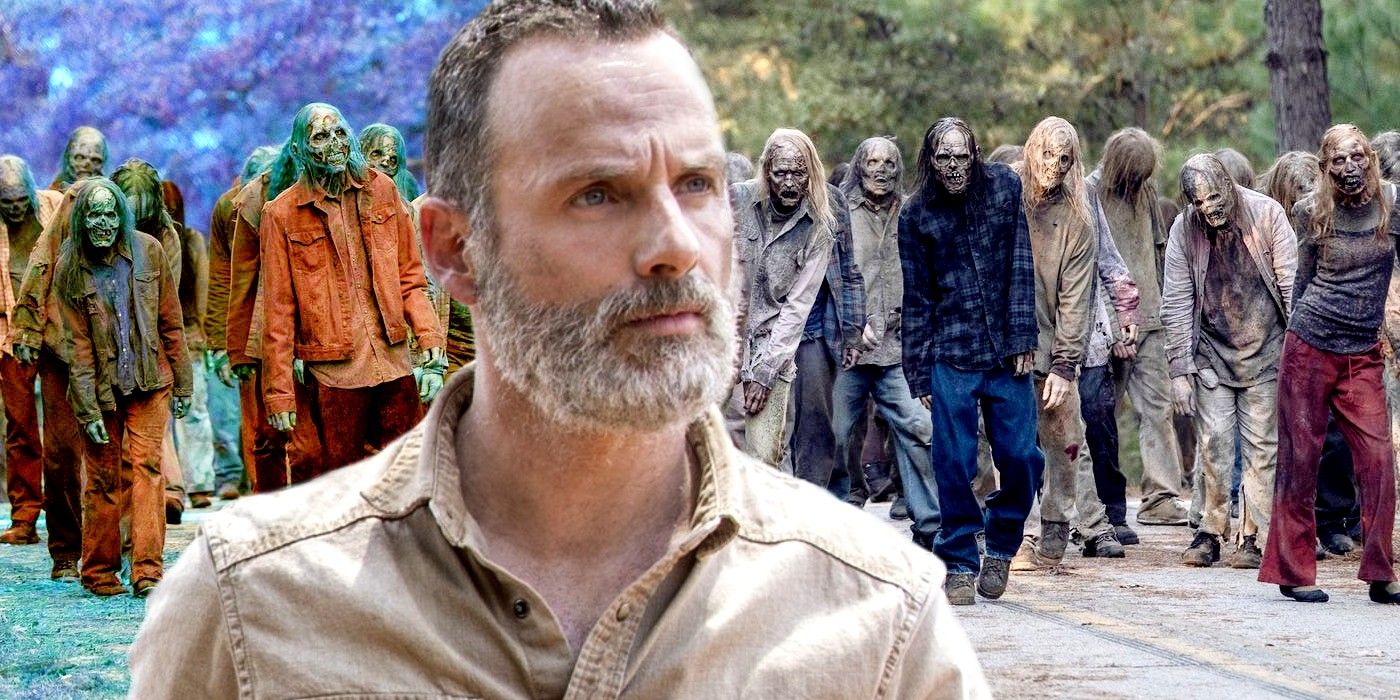
In the tech industry, we often use the term “viral” to describe the rapid spread of information or malware. However, the Wildfire Virus represents the ultimate “Zero-Day Vulnerability” in the human biological operating system. By examining this fictional pathogen through the lens of modern technology, we can gain professional insights into how our current tech stacks are designed to handle global catastrophes and what the future of bio-tech holds.
The Bio-Tech Architecture of the Wildfire Virus
The most defining characteristic of the virus in The Walking Dead—revealed famously at the end of the first season at the CDC—is that it is already ubiquitous. Unlike a standard respiratory infection that spreads from Person A to Person B, the Wildfire Virus is a “pre-installed” dormant code within every living human being. In technological terms, this is a universal back-door vulnerability.
Genetic Engineering or Natural Mutation?
From a bioinformatics perspective, a virus that infects 100% of the population without immediate symptoms suggests a highly sophisticated delivery mechanism. Modern genetic sequencing technology, such as Illumina’s high-throughput platforms, allows scientists to map pathogens in hours. If the Wildfire Virus were real, researchers would look for “recombinant DNA” markers that suggest human intervention. In the show’s universe, the technology to identify the virus was available, but the sheer speed of its “activation” (the death of the host) bypassed the window for a technological response.
This mirrors the “Latency Period” in digital security. Just as a dormant Trojan horse can sit on a server for years before being triggered by a specific command, the Wildfire Virus remains inactive until the host’s biological systems fail. This “activation-on-death” logic is essentially a biological “Dead Man’s Switch,” a concept frequently used in high-level digital security and automated coding.
The Role of Bioinformatics in Identifying the Strain
In the spin-off series The Walking Dead: World Beyond and the Daryl Dixon series, we see glimpses of the “Violet” and “Primrose” teams in France—scientists using advanced laboratory technology to study the virus. The tech required to analyze such a pathogen involves CRISPR-Cas9 for gene editing and complex algorithmic modeling to simulate how the virus reanimates the brain stem.
In a real-world tech environment, we use “Digital Twins” to simulate how a virus interacts with human cells. By creating a virtual model of the human nervous system, bio-tech firms can run millions of simulations to see which chemical compounds might inhibit the virus. The “tech” behind the Wildfire Virus is effectively a masterclass in how a pathogen can bypass the blood-brain barrier—a feat that modern nanomedicine is currently trying to master for beneficial purposes, such as treating Alzheimer’s.
Technological Surveillance: How We Track “Infections” in the Digital Age
The collapse of society in The Walking Dead was accelerated by a failure in data transparency and real-time tracking. Today, the technology used to monitor global health—often referred to as Health IT or Epidemiological Intelligence—relies on AI and Big Data to prevent the very scenario depicted in the show.
AI-Driven Epidemiological Forecasting
If a “Wildfire-style” event were detected today, AI platforms like BlueDot (which famously flagged the COVID-19 outbreak before official reports) would be our first line of defense. These tools scan billions of data points—airline ticketing, social media sentiment, and hospital admission logs—to find anomalies. The “virus” in The Walking Dead succeeded because it was a “low-signal” event until it reached a global tipping point.

Technologically, the failure in the show was a failure of the “Internet of Things” (IoT). In a modern context, smart devices—from Apple Watches to connected thermometers—would provide a real-time heat map of death and reanimation. We now have the “Digital Pulse” necessary to see an outbreak in its infancy, a technological luxury that the characters in the early days of the Rick Grimes era lacked.
The “Zombie” Network: Comparing Biological Spread to Botnets
In the tech world, a “Zombie Computer” is a device infected with malware that is controlled by a remote hacker to perform tasks, such as a DDoS attack. This is a perfect metaphor for the Wildfire Virus. The virus acts as a malicious firmware update that overwrites the original OS (the human consciousness) and replaces it with a singular directive: “Self-Replication via Consumption.”
By studying the “zombie” networks in cybersecurity, we understand how the Wildfire Virus operates as a decentralized network. There is no central server to shut down. Each “node” (walker) is an autonomous unit that contributes to the degradation of the overall system (society). This is the dark side of “Edge Computing,” where the processing happens locally, making the network nearly impossible to dismantle from the top down.
Digital Security Lessons from a Global Collapse
The Walking Dead is, at its core, a story about the failure of infrastructure. From a professional tech perspective, the virus highlights the fragility of our “Just-in-Time” digital economy and the critical importance of redundancy.
Redundancy and Decentralized Systems
When the virus triggered the collapse, the centralized power grids and communication networks were the first to go. This is a primary concern in Digital Security: Single Points of Failure. If our global communication relies on a few centralized data centers, a localized “outbreak” (whether biological or digital) can blind an entire nation.
The shift toward “Web3” and decentralized protocols is a direct technological response to the vulnerabilities exposed in “collapse” scenarios. Technologies like IPFS (InterPlanetary File System) and mesh networking allow communication to persist even when the “backbone” of the internet is severed. In a post-Wildfire world, those with the tech to maintain decentralized communication would be the ones to survive and rebuild.
The Vulnerability of Connected Infrastructure
The “virus” also serves as a cautionary tale for the “Smart City” movement. As we integrate AI into our water systems, power grids, and traffic management, we create a massive attack surface. A virus that affects the “operators” of these systems is just as effective as a virus that affects the code. The tech lesson here is “Air-Gapping”—ensuring that critical life-support systems are not entirely dependent on a network that can be compromised by a biological or digital contagion.
The Future of Pathogen Defense: From Fictional Viruses to Lab-on-a-Chip Tech
As we look at the lore of The Walking Dead, particularly the advanced research labs seen in the later seasons, we see a reflection of where modern medical technology is heading. The “virus” is the problem; “Tech” is the only eventual solution.
CRISPR and the Tech to Rewrite the Narrative
To “cure” the Wildfire Virus, one would need to use CRISPR-Cas9 or similar gene-editing technology to “find and replace” the viral sequence within the human genome. This is no longer the stuff of science fiction. We are currently using gene therapy to treat hereditary blindness and sickle cell anemia. The technological hurdle for the Wildfire Virus is its “integrated” nature—it is part of the host. This requires “Germline Engineering,” a controversial but powerful branch of tech that could theoretically render the human race immune to certain pathogens before they are even born.
Conclusion: The Intersection of Biology and Technology
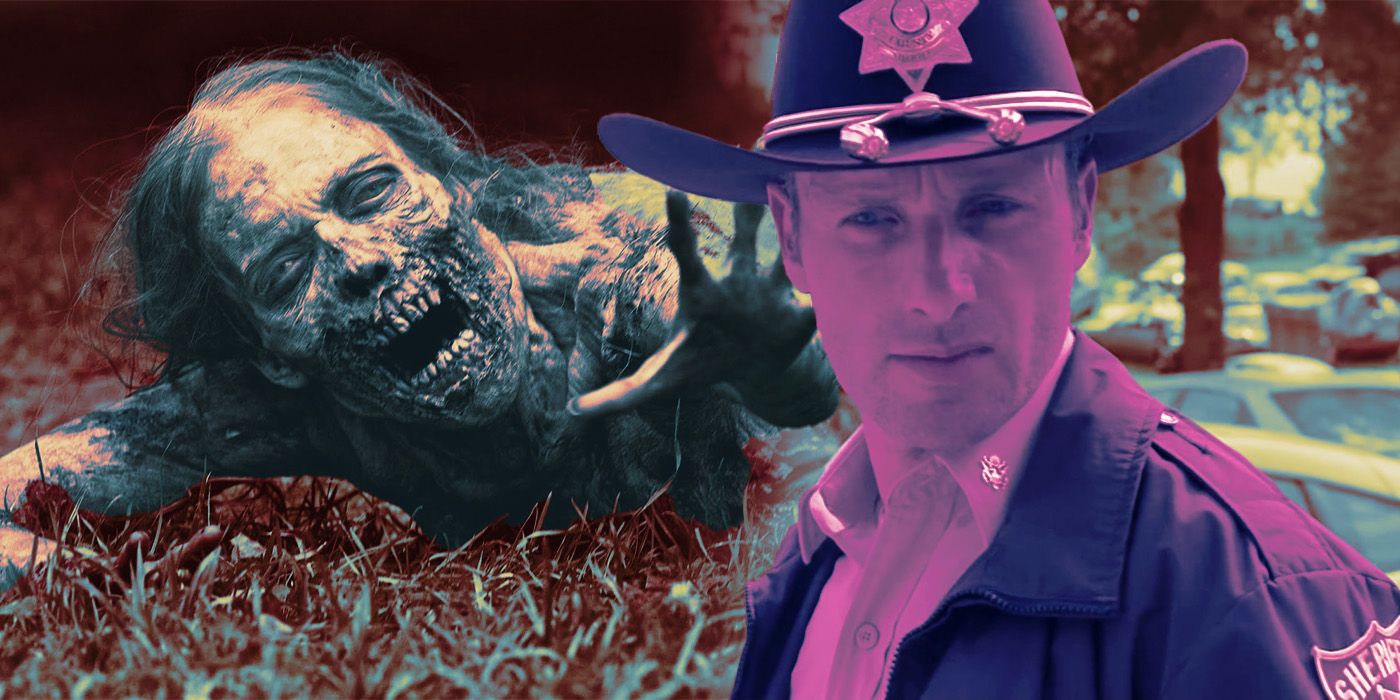
“What is the virus in The Walking Dead?” It is a systemic reboot. It is a biological malware that highlights the “bugs” in our societal and technological architecture. For those in the tech industry, the show serves as a macro-scale simulation of “System Failure” and “Disaster Recovery.”
The real takeaway from a technological analysis of the Wildfire Virus is that our survival depends on the “Integration of Intelligence.” By combining biological insights with AI-driven surveillance, decentralized networks, and advanced gene-editing tools, we are building a technological “immune system” for the planet. While the Wildfire Virus represents the ultimate “System Crash,” the tech we are developing today is the “Patch” designed to ensure that the fictional end of the world remains exactly that: fiction. In the end, technology is the firebreak that prevents a wildfire from becoming an extinction event.
aViewFromTheCave is a participant in the Amazon Services LLC Associates Program, an affiliate advertising program designed to provide a means for sites to earn advertising fees by advertising and linking to Amazon.com. Amazon, the Amazon logo, AmazonSupply, and the AmazonSupply logo are trademarks of Amazon.com, Inc. or its affiliates. As an Amazon Associate we earn affiliate commissions from qualifying purchases.