
In the modern era of automotive technology, a vehicle is no longer just a collection of mechanical components; it is a sophisticated mobile computer. Central to the operation, tracking, and security of this hardware is the Vehicle Identification Number, or VIN. While many drivers recognize the VIN as a simple string of characters found on a dashboard or door jamb, its technological significance is far more profound. It serves as the digital DNA of a vehicle, a 17-character algorithmic code that provides a comprehensive roadmap of a machine’s origin, specifications, and history.
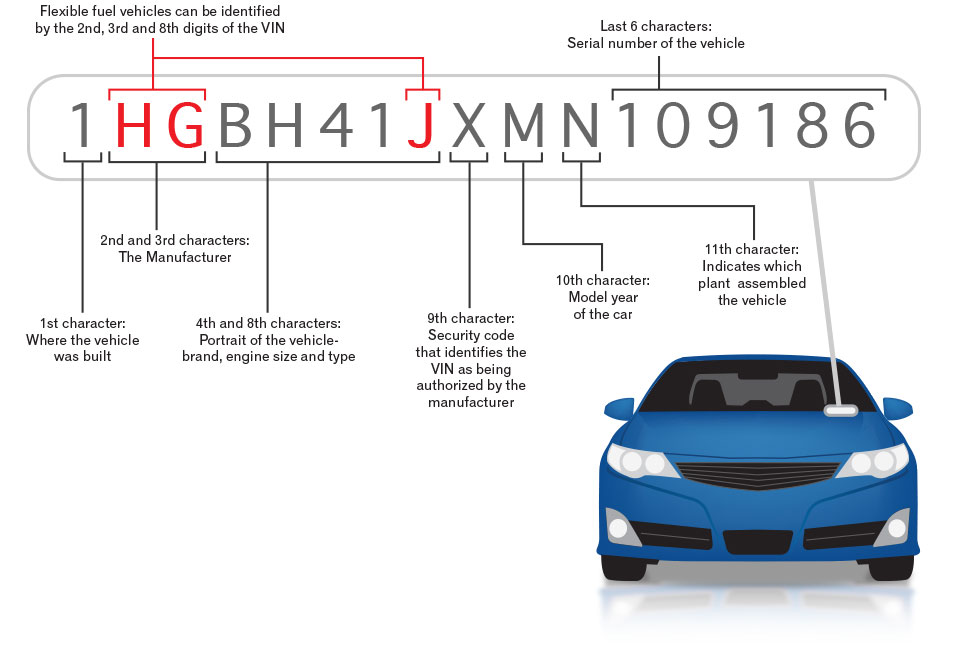
To understand the VIN is to understand the language of automotive data. This unique identifier is the bedrock upon which global supply chains, digital security protocols, and telematics systems are built. In a world increasingly driven by big data and the Internet of Things (IoT), the VIN functions as the primary key in the massive databases that power everything from insurance algorithms to autonomous driving updates.
The Digital Fingerprint: Understanding the Architecture of a VIN
The VIN is not a random sequence of letters and numbers. It is a highly structured data string governed by international standards, specifically ISO 3779 and ISO 3780. Since 1981, all over-the-road vehicles have been required to follow a standardized 17-character format. This uniformity allows software systems worldwide—ranging from customs databases to local repair shop scanners—to communicate seamlessly.
Decoding the 17-Character Algorithm
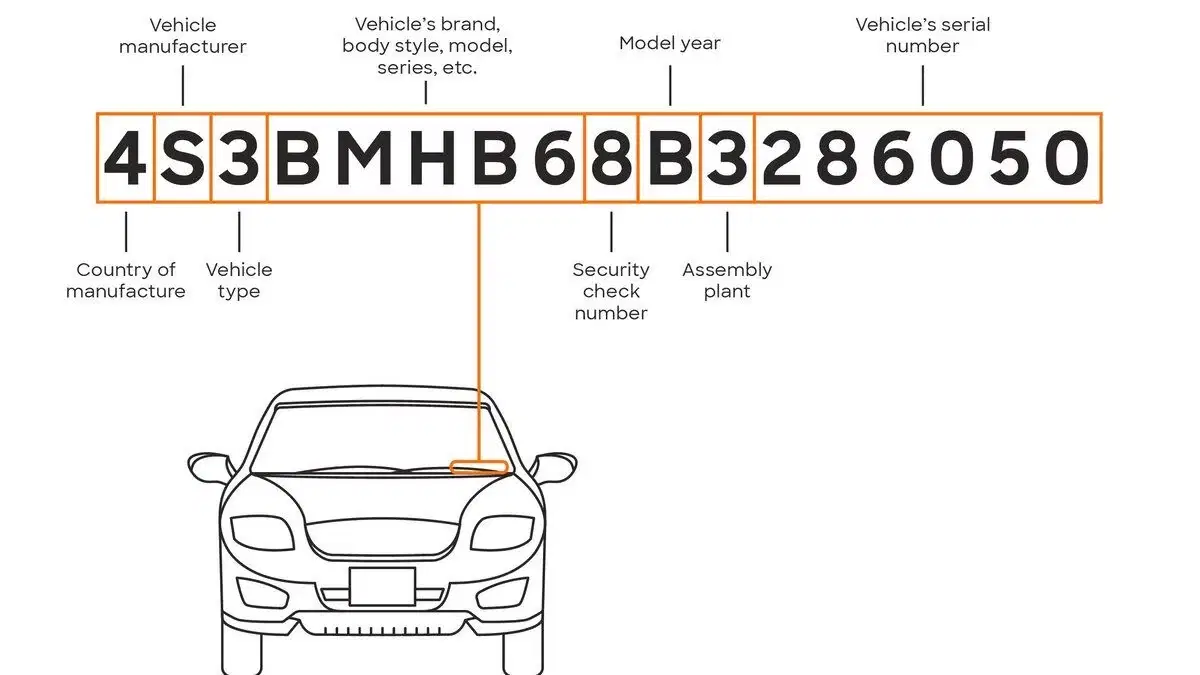
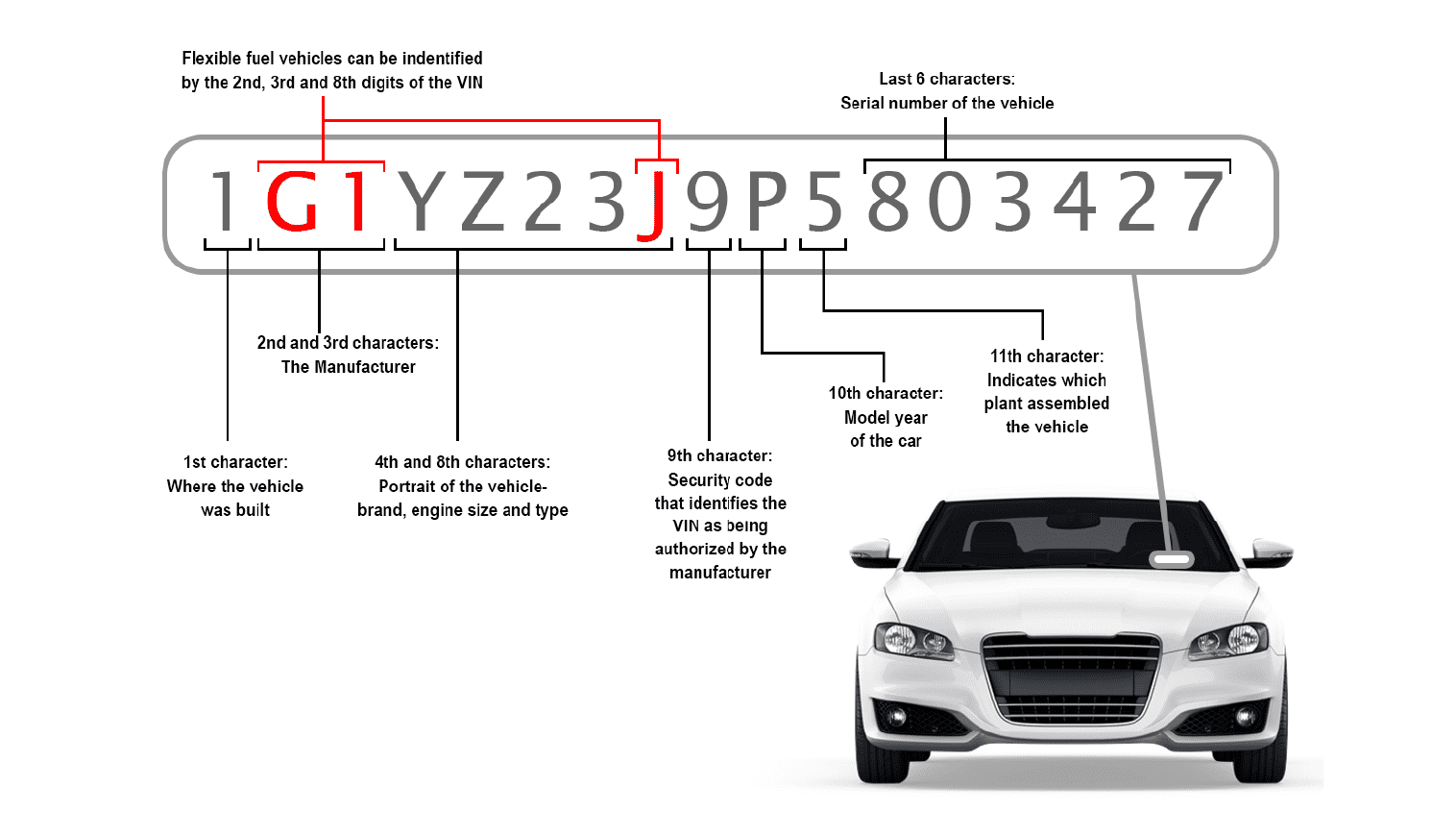
The architecture of a VIN is divided into three distinct functional segments, each serving a specific purpose in the identification process:
- The World Manufacturer Identifier (WMI): The first three characters identify the country of origin, the manufacturer, and the specific vehicle type. For instance, a VIN starting with “1,” “4,” or “5” indicates manufacture in the United States, while “J” points to Japan. This data layer is critical for supply chain logistics and regulatory compliance.
- The Vehicle Descriptor Section (VDS): Characters four through nine provide the technical blueprint of the car. This segment encodes information regarding the engine type, body style, platform, and safety features like airbag configurations. For tech professionals and mechanics, this section is vital for ensuring that software patches or hardware replacements are compatible with the specific configuration of that vehicle.
- The Vehicle Identifier Section (VIS): The final eight characters (10 through 17) provide the specific identity of the individual unit. This includes the model year (encoded as a letter or number), the specific assembly plant code, and the sequential production number.
The ISO Standard and Global Tech Protocols
The move toward a 17-character standard was a pivotal moment in automotive tech history. Before this standardization, manufacturers used their own disparate formats, making it nearly impossible for cross-platform data integration. By adhering to ISO standards, the automotive industry enabled the development of global software tools. Today, an API can query a VIN and instantly retrieve a vehicle’s entire technical specification from a cloud-based server, regardless of whether the car was built in Munich or Tokyo.
Data Integrity and Vehicle History: The Role of the Check Digit
One of the most fascinating technological aspects of the VIN is the “Check Digit,” located at the ninth position. This character is the result of a complex mathematical validation algorithm designed to prevent human error and digital fraud.
The Mathematics of Validation
The check digit is calculated using a weighted system where each of the other characters in the VIN is assigned a numerical value. These values are multiplied by a specific weight factor, summed, and then divided by 11. The remainder of this division determines the check digit.
From a computer science perspective, this is a classic checksum. If a single character in the VIN is entered incorrectly—whether through a typo at a DMV or a glitch in a database transfer—the checksum will not match, and the system will immediately flag the VIN as invalid. This prevents the “pollution” of automotive databases with erroneous data.
Protecting Against Data Tampering
Beyond error detection, the VIN structure is a frontline defense against “VIN cloning” and other forms of digital identity theft. Criminals may attempt to mask a stolen vehicle’s identity by applying a legitimate VIN from a salvaged car. However, modern forensic tech and “black box” (Event Data Recorder) audits can detect discrepancies between the physical VIN and the VIN hard-coded into the vehicle’s Electronic Control Units (ECUs). When the software-reported VIN does not match the physical stamping, it triggers an immediate security alert within diagnostic tools.
Modern Automotive Tech Ecosystems: How Databases Use VINs
In the current landscape of software-defined vehicles (SDVs), the VIN is the anchor for an expansive digital ecosystem. It is the bridge between the physical asset and its “digital twin” maintained by the manufacturer.
Telematics and Software Integration
Modern cars are constantly connected to the internet. Through telematics systems, vehicles transmit real-time data back to manufacturers regarding engine health, battery cycles (in EVs), and software performance. The VIN serves as the unique address for these data packets. When a manufacturer identifies a bug in a specific batch of steering software, they do not need to recall every car; they use VIN filtering to identify the exact production run affected and push an Over-the-Air (OTA) update directly to those specific vehicles.
The Future of VINs: Blockchain and NFTs
The next frontier for VIN technology lies in distributed ledger technology (DLT). Traditionally, vehicle histories have been stored in centralized databases (like Carfax or AutoCheck), which can be vulnerable to data gaps or manipulation.
Forward-thinking tech firms are now experimenting with “Vehicle Passports” powered by blockchain. In this model, every event in a vehicle’s life—from its first oil change to a minor fender bender—is recorded as a transaction tied to its VIN on a blockchain. This creates an immutable, transparent record that cannot be altered. Some luxury manufacturers are even exploring the use of NFTs (Non-Fungible Tokens) tied to the VIN to represent ownership and service history, ensuring that the digital identity of the car is as secure as a financial asset.
Cybersecurity and Digital Security in the Automotive Sector
As vehicles become more autonomous and connected, they become targets for cyberattacks. The VIN plays a paradoxical role here: it is a public-facing identifier that can also be a vector for targeted exploits if not properly managed within a secure framework.
VIN Phishing and Digital Fraud
Sophisticated bad actors can use publicly visible VINs (often seen through the windshield) to gain information about a vehicle’s features or to craft phishing attacks against the owner. By running a VIN through parts-lookup databases, an attacker can determine exactly what technology is on board, potentially identifying vulnerabilities in specific hardware versions. Consequently, automotive cybersecurity experts focus on “hardening” the APIs that access VIN data, ensuring that only authorized entities (like law enforcement or certified technicians) can access the more sensitive data layers associated with a number.
Securing the Internet of Things (IoT) via Unique Identifiers
In the broader IoT framework, the VIN is a critical identifier for “Vehicle-to-Everything” (V2X) communication. When a car communicates with a smart traffic light or another vehicle on the road, it must authenticate its identity. The VIN, integrated with digital certificates and PKI (Public Key Infrastructure), ensures that the data being sent to the grid is legitimate. Without a secure, unique identifier like the VIN, the smart city infrastructure would be highly susceptible to spoofing attacks that could cause traffic chaos.
Tools for the Modern Tech-Savvy Car Owner
For the enthusiast or the professional, the ability to decode and analyze a VIN is a powerful skill. A variety of high-tech tools have emerged to make this data accessible and actionable.
API-Driven Decoding Tools
There are now numerous web-based platforms that offer robust VIN decoding APIs. These tools allow developers to integrate vehicle identification into their own apps. For example, a fintech app might use a VIN API to instantly calculate the collateral value of a car for a loan, while a fleet management tool might use it to automate maintenance schedules based on the specific engine components identified in the VDS section.
Automated Diagnostic Systems
When a “Check Engine” light appears, the first thing a professional diagnostic scanner does is “handshake” with the vehicle’s computer to pull the VIN. This allows the scanner to download the correct repair manual and circuit diagrams for that exact build. This level of automation reduces the margin for error in repairs and ensures that the software being used to calibrate sensors is the correct version for that specific hardware iteration.
In conclusion, the VIN is far more than a serial number; it is the cornerstone of the automotive industry’s digital transformation. From its mathematical checksums to its role in the future of blockchain-based history logs, the VIN ensures that every vehicle on the road is a traceable, verifiable, and secure node in the global transportation network. Whether you are a software developer building the next generation of automotive apps or a consumer looking to verify the integrity of a used car, understanding the tech behind the VIN is essential in the high-tech world of modern mobility.
aViewFromTheCave is a participant in the Amazon Services LLC Associates Program, an affiliate advertising program designed to provide a means for sites to earn advertising fees by advertising and linking to Amazon.com. Amazon, the Amazon logo, AmazonSupply, and the AmazonSupply logo are trademarks of Amazon.com, Inc. or its affiliates. As an Amazon Associate we earn affiliate commissions from qualifying purchases.