
In the complex landscape of personal finance, understanding the true value of your assets is paramount. For many, a vehicle represents one of their most significant depreciating assets, yet its financial significance extends far beyond mere transportation. Whether you’re contemplating a sale, seeking insurance coverage, or simply managing your personal balance sheet, knowing your car’s precise market value is a critical step. This is where Kelley Blue Book (KBB) enters the picture, standing as the undisputed authority and a vital financial tool for automotive valuation.
For over 90 years, Kelley Blue Book has been the benchmark for vehicle pricing, evolving from a simple guide for dealers into a sophisticated digital platform accessible to millions. It’s not just about a number; it’s about providing financial clarity in a market often characterized by volatility and subjective perceptions. This article delves into how KBB functions as an indispensable financial resource, the factors that shape its valuations, and how you can leverage this knowledge to make smarter financial decisions regarding your automotive investment.

Understanding Your Car’s Value: Why It Matters for Your Finances
The value of your car isn’t just an abstract figure; it’s a tangible financial metric with far-reaching implications for your personal wealth, insurance policies, and future transactions. Grasping this value is fundamental to informed financial planning and decision-making.
Informed Buying and Selling Decisions
Perhaps the most immediate financial benefit of knowing your car’s value is the power it grants you in negotiation. If you’re selling, an accurate KBB valuation ensures you set a competitive price that attracts buyers while also maximizing your return on investment. Without this baseline, you risk undervaluing your asset and leaving money on the table, or overvaluing it and deterring potential purchasers. Conversely, when buying a used car, KBB empowers you to assess if the asking price is fair, preventing you from overpaying and protecting your financial health. It levels the playing field, transforming what can often be an emotional transaction into a data-driven financial exchange.
Insurance and Loan Implications
Your car’s market value directly influences critical financial aspects like insurance premiums and loan terms. Insurance companies use a vehicle’s value to determine appropriate coverage levels and payout amounts in the event of a total loss. If your car is undervalued, you might find yourself underinsured, facing a significant financial shortfall should the worst occur. Conversely, overstating its value could lead to unnecessarily high premiums. Similarly, when financing a vehicle, lenders assess its value to determine loan-to-value ratios, interest rates, and overall loan eligibility. A clear understanding of your car’s KBB value ensures you secure financing that aligns with the asset’s true worth, safeguarding against negative equity and promoting sound debt management.
Estate Planning and Asset Management
Beyond immediate transactions, your car’s value plays a role in broader financial strategies. For estate planning, accurate valuations of all assets, including vehicles, are crucial for proper distribution and minimizing tax implications for beneficiaries. Within a personal financial portfolio, a car’s value, though depreciating, represents a liquidable asset. Keeping track of this value allows for a more comprehensive assessment of your net worth, aiding in long-term financial goal setting, whether that’s saving for retirement, making a down payment on a home, or planning for other significant life events. It’s a key component in maintaining a holistic view of your financial standing.
Kelley Blue Book: Your Essential Financial Tool for Car Valuation
For decades, Kelley Blue Book has cemented its reputation as the most trusted source for vehicle valuations. Its methodology and comprehensive data collection make it an indispensable tool for anyone navigating the automotive market.
The KBB Methodology: A Look Under the Hood (Financial Data Points)
Kelley Blue Book’s valuation process is far more sophisticated than a simple average. It’s a complex algorithm that processes millions of data points, making it a robust financial model for asset appraisal. KBB analysts meticulously gather and analyze transaction data from a vast network of sources, including actual sales records from dealerships, auction results, private party sales, manufacturer pricing, economic conditions, and even regional market demand. This continuous influx of real-time data allows KBB to adjust its valuations dynamically, reflecting the ever-changing market conditions. The goal is to provide a realistic, financially sound estimate that buyers and sellers can rely on to make fair, equitable decisions.
Different KBB Values Explained (Trade-in, Private Party, Retail)
Understanding that a car’s “value” isn’t a single, fixed number is crucial. KBB provides several distinct valuations, each relevant to different financial scenarios:
- Trade-in Value: This is the lowest of the values, representing what a dealership is likely to offer you if you trade in your vehicle towards a new purchase. Dealerships factor in their need to recondition the car, hold it on the lot, and make a profit. From a financial perspective, this is a quick, convenient sale, but often yields a lower return than a private sale.
- Private Party Value: This is the estimated price you can expect to receive if you sell your car directly to another individual. Generally higher than the trade-in value, it reflects the market price between a seller and a buyer, without dealership overheads. This requires more effort on your part (advertising, showing the car, handling paperwork) but often maximizes your financial return.
- Retail Value: This represents the price you would pay if buying the car from a dealership. It’s the highest of the values, as it includes the dealership’s profit margin, reconditioning costs, warranty, and other services. When buying, this value helps you benchmark the fairness of a dealer’s asking price.
- Instant Cash Offer: A relatively newer feature, this provides a guaranteed offer from participating dealerships based on your car’s specific details and condition. While offering immediate liquidity, it’s often positioned between trade-in and private party values, providing convenience with a potentially optimized financial outcome compared to a standard trade-in.
How to Access and Interpret Your KBB Report
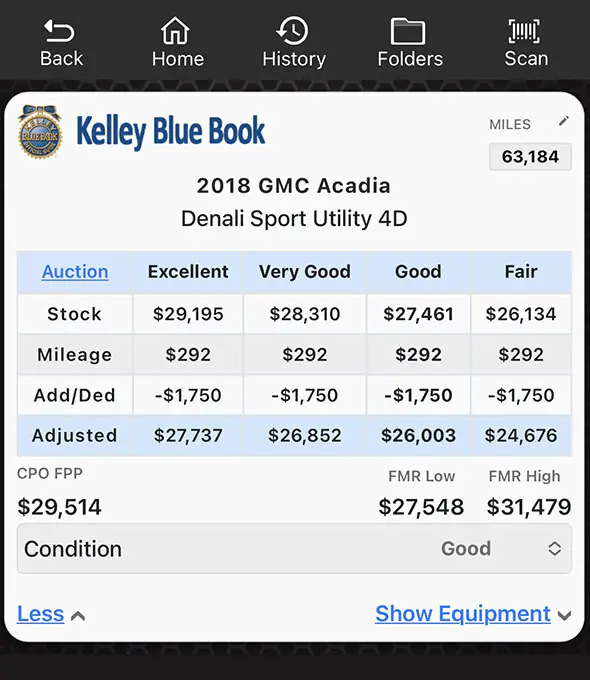
Accessing your KBB valuation is straightforward: visit KBB.com and input your car’s specific details, including year, make, model, trim, mileage, and condition. The more accurate and detailed your input, the more precise the financial estimate will be. When interpreting the report, pay close attention to the range provided for each value type, as specific features or local market nuances can shift the final figure. Use the condition assessment tools honestly; overstating your car’s condition will result in an inflated, unrealistic value, while understating it could lead you to expect less than your car is truly worth. This report is your financial blueprint for your car’s market standing.
Key Financial Factors Influencing Your Car’s KBB Value
While KBB’s algorithm is complex, the underlying financial principles are clear: a combination of intrinsic vehicle attributes, its history, and external market dynamics dictate its monetary worth.
Make, Model, and Trim: Core Depreciation Drivers
At its core, a car’s fundamental attributes—its make, model, and specific trim level—are significant drivers of its financial trajectory. Certain brands and models inherently hold their value better due to factors like reputation for reliability, fuel efficiency, or brand loyalty. A luxury brand, while having a higher initial price, may depreciate more rapidly in terms of percentage than a mass-market, economical vehicle that maintains strong demand. The trim level, which includes specific packages and engine options, also plays a crucial role, with higher trims often retaining more value due to increased desirability and features. Understanding these inherent depreciation patterns is key to smart financial planning when purchasing a new vehicle.
Mileage and Condition: The Wear-and-Tear Impact

These are arguably the most direct and impactful factors on a car’s financial value. Higher mileage generally correlates with greater wear and tear, indicating a shorter remaining lifespan for mechanical components and consequently, a lower financial value. KBB uses industry averages to benchmark what constitutes “normal” mileage for a given year.
Beyond mileage, the car’s physical and mechanical condition is paramount. A car with pristine paint, a clean interior, new tires, and a well-maintained engine will command a significantly higher price than one with dings, stained upholstery, worn tires, and overdue maintenance. KBB’s condition categories (Excellent, Very Good, Good, Fair) provide a structured way to assess this, directly correlating to specific price adjustments. Diligent maintenance and careful use directly translate into a higher financial return when it’s time to sell.
Optional Features and Aftermarket Upgrades: Investment vs. Return
Factory-installed optional features often add value, especially desirable ones like a navigation system, sunroof, advanced safety features, or premium sound systems. These upgrades are integrated and typically well-regarded by buyers. However, the return on investment for these options diminishes over time; you rarely recoup the full cost.
Aftermarket modifications, while appealing to some, can be a double-edged sword financially. While a tasteful, professionally installed upgrade (like quality tint or a backup camera) might add a modest amount, highly personalized or performance-oriented modifications (e.g., custom paint, extreme lift kits, engine tuning) can actually detract from a car’s broad market appeal and thus its KBB value. The financial principle here is that broad marketability often trumps niche personalization.
Geographic Location and Market Demand: Regional Financial Dynamics
A car’s value is not uniform across all regions; local market conditions significantly influence price. For example, a four-wheel-drive SUV might fetch a premium in a snowy climate, while a convertible might be more valuable in a sunny, coastal area. KBB’s algorithm incorporates regional sales data to account for these variations. Local demand, fuel prices, and even state-specific regulations can all play a role in how much a specific vehicle is worth in a particular locale. This is a critical factor for sellers, as adjusting your pricing expectations based on your immediate market can optimize your financial outcome.
Leveraging Your KBB Valuation for Smart Financial Decisions
Understanding your KBB valuation isn’t just an academic exercise; it’s a powerful financial tool that empowers you to make strategic decisions in various automotive scenarios.
Negotiating Your Best Deal: Selling Privately vs. Dealership Trade-in
With your KBB Private Party Value in hand, you have a solid foundation for negotiating when selling your car. If you opt for a private sale, this figure gives you the confidence to set an attractive yet profitable asking price, and to stand firm against lowball offers. You know the financial range of fairness.
When considering a trade-in at a dealership, your KBB Trade-in Value is your leverage. Dealerships often start with a lower offer, but armed with KBB data, you can negotiate for a fairer price. Knowing the difference between the trade-in and private party values also allows you to calculate the financial opportunity cost of convenience versus effort, helping you decide which selling method aligns best with your financial goals and timeline.
Optimizing Your Car Loan or Lease Buyout
For those with existing car loans, understanding your car’s KBB value helps you assess your equity position. If your car is worth more than what you owe, you have positive equity, which can be beneficial when trading in or selling. If you have negative equity (you owe more than the car is worth), knowing this allows you to plan financially, perhaps by paying down the loan faster or rolling the negative equity into a new loan (though this is often not advisable).
If you’re nearing the end of a lease, your KBB value is crucial for determining whether buying out the lease is a financially sound decision. Compare the car’s KBB Retail Value to your lease buyout price. If the car’s market value significantly exceeds the buyout price, purchasing the car might be a smart investment, as you could potentially sell it for a profit or continue driving a vehicle that is worth more than you paid for it.
Protecting Your Investment: Insurance Coverage Review
Regularly checking your car’s KBB value (especially annually) is a smart financial practice for optimizing your auto insurance. If your car has depreciated significantly, you might be overpaying for comprehensive and collision coverage. Adjusting your deductible or reducing coverage limits might be appropriate if the car’s market value no longer justifies the premium costs. Conversely, if your car has held its value exceptionally well, ensuring you have adequate coverage to replace it is vital. This proactive review ensures your insurance policy reflects the current financial reality of your asset, protecting you from both underinsurance and unnecessary expenses.
Maximizing Your Car’s Resale Value: A Proactive Financial Strategy
Protecting and enhancing your car’s financial value isn’t just about what happens at the point of sale; it’s a continuous, proactive strategy throughout your ownership. By making smart financial and maintenance decisions, you can ensure a stronger return when it’s time to part ways.
Consistent Maintenance: Protecting Your Asset’s Value
Regular, preventative maintenance is perhaps the single most impactful financial strategy for preserving your car’s value. Sticking to the manufacturer’s recommended service schedule—oil changes, tire rotations, fluid checks, brake inspections—keeps your car running reliably and prevents minor issues from escalating into costly major repairs. A mechanically sound vehicle, free of warning lights and unusual noises, will always command a higher price. Think of maintenance as a continuous investment in your asset’s long-term financial health, ensuring its operational integrity and reducing the likelihood of unexpected depreciation due to mechanical failure.
Detailed Service Records: Proving Your Financial Due Diligence
Beyond merely performing maintenance, documenting it meticulously is crucial. A complete history of service records, either from a dealership or a trusted independent mechanic, provides irrefutable proof of your car’s diligent upkeep. This transparency builds trust with potential buyers and substantiates a higher asking price. From a financial perspective, these records are like an audited financial statement for your car; they provide tangible evidence of its care, reassuring buyers of its reliability and reducing perceived risk, which directly translates to a better selling price. Keep receipts, dates, and descriptions of all work performed.
Aesthetic Upkeep: Small Investments, Big Returns
While mechanical soundness is paramount, a car’s appearance plays a significant psychological and financial role in its perceived value. Simple aesthetic maintenance can yield disproportionately high returns. Regularly washing and waxing, addressing minor dents and scratches promptly, repairing cracked windshields, and keeping the interior clean and odor-free are all small investments of time and money that pay off. A visually appealing car suggests it has been well-cared for, implying mechanical reliability underneath. First impressions matter, and a clean, tidy, well-maintained exterior and interior signal a cared-for asset, encouraging buyers to offer more closer to its KBB valuation.
In conclusion, understanding “what is the value of my car” is a fundamental aspect of sound personal finance, and Kelley Blue Book serves as the definitive tool for this critical assessment. By leveraging KBB’s comprehensive valuations and taking proactive steps to maintain your vehicle, you can transform your car from a simple means of transport into a strategically managed asset, maximizing its financial return and contributing positively to your overall financial well-being.
aViewFromTheCave is a participant in the Amazon Services LLC Associates Program, an affiliate advertising program designed to provide a means for sites to earn advertising fees by advertising and linking to Amazon.com. Amazon, the Amazon logo, AmazonSupply, and the AmazonSupply logo are trademarks of Amazon.com, Inc. or its affiliates. As an Amazon Associate we earn affiliate commissions from qualifying purchases.