
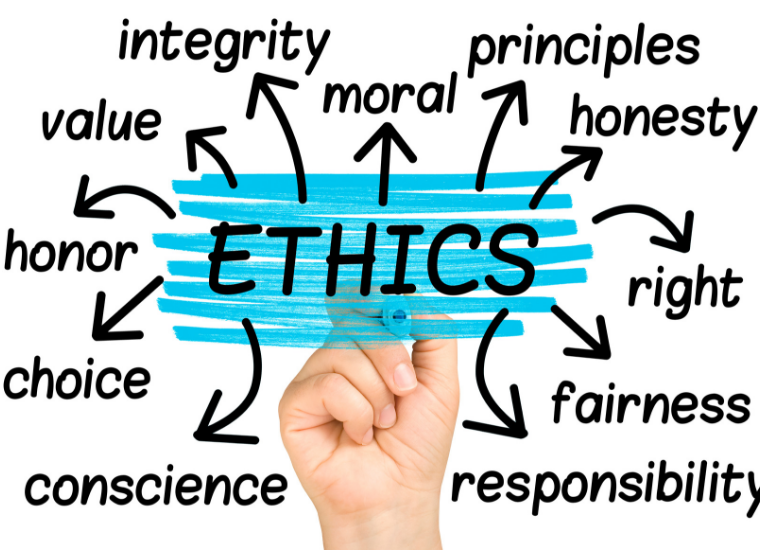
In the hyper-competitive landscape of modern commerce, where market share is often equated with predatory agility, the concept of ethics is frequently relegated to the dusty corners of a corporate handbook. However, as transparency becomes the default setting for the digital age, ethics has shifted from a philosophical ideal to a high-performance business asset. The value of ethics is no longer merely a moral consideration; it is a fundamental driver of sustainable growth, customer loyalty, and long-term brand equity. When a company treats ethical conduct as a core pillar of its brand strategy, it ceases to be a liability and becomes its most formidable competitive advantage.
The Tangible Impact of Ethical Branding on Market Position
Brand strategy is essentially the art of establishing trust at scale. In a saturated marketplace where consumers are bombarded with infinite choices, the “why” behind a brand often dictates the “who” that thrives. Ethics provides the foundation for this narrative.
Building Resilience Against Market Volatility
A brand rooted in ethical principles creates a distinct buffer against the volatility of public opinion. Companies that prioritize integrity build “reputational capital.” When an unforeseen crisis occurs—whether it be a supply chain disruption or a data security hiccup—brands with a history of ethical conduct are granted the benefit of the doubt. Consumers and stakeholders are far more likely to remain loyal to a company they perceive as fundamentally principled. This loyalty reduces churn, lowers the cost of customer acquisition, and protects the stock valuation of the firm during turbulent economic cycles.
Differentiation Through Corporate Identity
In commoditized sectors, features and pricing eventually converge. If a product offers the same utility as its competitor, the deciding factor often shifts to the underlying values of the company. A strong, ethical brand identity acts as a beacon for consumers who wish to align their spending with their own belief systems. This is not mere “virtue signaling”; it is a strategic alignment of brand mission with consumer identity. When a brand takes an explicit stance on fair labor, environmental sustainability, or data privacy, it creates a moat around its business that is difficult for competitors to breach without fundamentally retooling their own organizational DNA.
Trust as the New Currency in Consumer Relationships
The modern consumer is hyper-informed. Through social media and investigative journalism, the veil between corporate policy and actual practice has become paper-thin. Consequently, trust has become the most valuable currency in the marketplace.
The ROI of Transparency
Transparency is the practical application of ethics. Organizations that choose to be open about their sourcing, their labor practices, and their profit margins are effectively inviting the consumer to participate in the business process. This transparency breeds a level of radical trust that converts one-time buyers into lifelong brand advocates. From a strategic marketing perspective, this reduces the need for aggressive, expensive sales tactics. When a brand’s reputation for integrity precedes it, the “cost of trust” drops, allowing for more efficient marketing spend and higher conversion rates.
Mitigating the Risks of “Brand Hypocrisy”
Conversely, the value of ethics is best illustrated by the cost of its absence. We live in an era where “brand hypocrisy”—the gap between what a company claims to stand for and how it actually operates—can lead to catastrophic loss of brand equity. A marketing campaign that promises empowerment while hiding exploitative production practices is a ticking time bomb. The value of ethics lies in its ability to synchronize the internal reality of the company with its external promise. This synchronization is the hallmark of a world-class brand strategy. When the company’s internal culture and external messaging are in alignment, the brand gains an authentic voice that is immune to the accusations of inauthenticity that plague modern corporations.

Ethics as a Catalyst for Employee Engagement and Innovation
A brand is not just what it sells; it is the collective output of the people who work behind the scenes. An ethical framework is a critical tool for human capital management, shaping the culture of an organization in ways that directly impact the bottom line.
Attracting and Retaining Top-Tier Talent
The best talent in the current labor market is not solely motivated by financial compensation. Purpose-driven employees look for organizations where their personal ethics do not clash with their daily responsibilities. By embedding ethics into the core of the corporate identity, companies signal that they are interested in more than just quarterly dividends. This attracts high-performers who bring a greater degree of intellectual rigor and dedication to their work. Retention rates are significantly higher in companies where employees feel they are part of a project that possesses integrity, as the psychological contract between the worker and the employer becomes reinforced by shared values.
Fostering a Culture of Critical Innovation
When a company prioritizes ethics, it encourages a culture of questioning. If an organization values “doing the right thing” over “doing the quick thing,” it inherently fosters a more thoughtful approach to problem-solving. This environment prevents the “silo effect,” where departments hide information or cut corners to meet arbitrary KPIs. Instead, it invites teams to consider the long-term implications of their innovations. Whether it is in product design, marketing automation, or customer service, an ethical framework forces teams to innovate within the bounds of sustainable practice, leading to products that are more durable, more user-centric, and ultimately, more successful in the long run.
Strategic Frameworks for Implementing Ethical Values
To capture the value of ethics, organizations must transition from abstract values to actionable strategy. This requires embedding these principles into the granular decision-making processes of the firm.
Integrating Ethics into the Product Lifecycle
Strategy must be operationalized. For a brand, this means integrating ethical checkpoints into the design and procurement process. This could involve conducting rigorous audits of third-party suppliers, adopting “privacy-by-design” principles in software development, or ensuring that the marketing team is held to a standard of truthfulness that surpasses regulatory requirements. By building ethics into the lifecycle of the product, the company minimizes the risk of a “reputational collapse” and establishes a consistent brand promise that is reinforced at every consumer touchpoint.
Long-Term Value Creation over Short-Term Gains
The most difficult challenge in adopting an ethical strategy is the tension between short-term quarterly results and long-term viability. The value of ethics is often realized in the “long game.” A company might sacrifice a marginal gain in profit by refusing to use exploitative marketing tactics or by choosing more expensive, sustainable materials. However, this is not a loss; it is an investment in the brand’s longevity. Strategic brand management acknowledges that a company’s survival in the next decade depends on the trust it builds today. By prioritizing ethics, leadership is essentially hedging against the inevitable erosion of brand trust that occurs when short-term greed is allowed to dictate operational behavior.
Conclusion: The Ethics-Brand Imperative
The value of ethics in the context of brand strategy is absolute. In an interconnected global economy, the old paradigm of “buyer beware” has been replaced by the reality of “brand beware.” Consumers have the tools, the data, and the social platforms to hold brands accountable for their actions. Those that adopt an ethics-first approach will find that they have built a more resilient, loyal, and innovation-driven company.
Ethics is not a charitable endeavor or a soft skill; it is a hard business requirement. It dictates how a brand is perceived, how its employees perform, and how it survives the inevitable crises of the market. As the digital landscape continues to evolve, the distinction between ethical brands and those that merely pay lip service to the concept will become the primary fault line in industry competition. For leaders looking to build a brand that endures, ethics is not just the right path—it is the only strategic path forward.
aViewFromTheCave is a participant in the Amazon Services LLC Associates Program, an affiliate advertising program designed to provide a means for sites to earn advertising fees by advertising and linking to Amazon.com. Amazon, the Amazon logo, AmazonSupply, and the AmazonSupply logo are trademarks of Amazon.com, Inc. or its affiliates. As an Amazon Associate we earn affiliate commissions from qualifying purchases.