
Bitcoin, since its enigmatic inception in 2008 by Satoshi Nakamoto, has evolved from an obscure digital curiosity into a global financial phenomenon. It represents a paradigm shift in how we perceive and interact with money, challenging conventional notions of currency, banking, and value. For many, Bitcoin is simply a volatile speculative asset; for others, it is a revolutionary technology poised to redefine the global financial architecture. Understanding “what is the value of Bitcoin” requires delving far beyond its fluctuating market price, examining its foundational principles, its economic roles, the myriad factors that influence its worth, and the long-term implications it holds for investors and the global economy. This article aims to unpack these multifaceted layers, providing a comprehensive and insightful perspective on Bitcoin’s true valuation.
Understanding Bitcoin’s Intrinsic Value Propositions
At its core, Bitcoin derives value from a set of fundamental characteristics that distinguish it from both traditional fiat currencies and other assets. These intrinsic properties are crucial for grasping why investors and users attribute significant worth to this digital asset.
Scarcity as Digital Gold: The Fixed Supply Mechanism
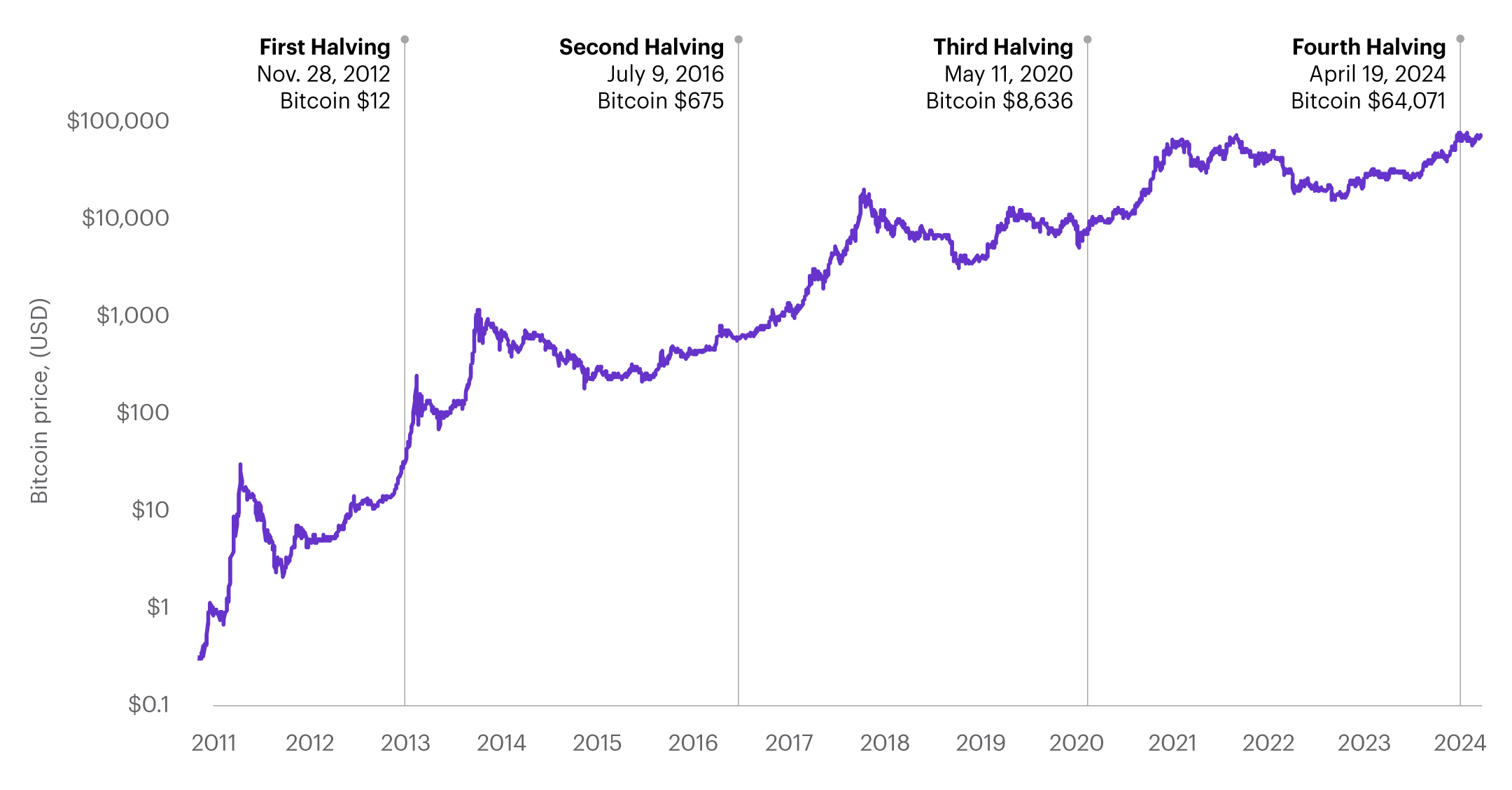
One of Bitcoin’s most compelling value propositions stems from its absolute scarcity. Capped at a maximum supply of 21 million coins, Bitcoin is inherently deflationary by design. This hard cap is algorithmically enforced and transparent, making it impossible for any central authority to unilaterally increase the supply, a stark contrast to fiat currencies which can be printed at will by central banks. This scarcity, combined with a predictable issuance schedule that halves approximately every four years (known as “halving events”), creates an economic model akin to precious metals like gold. As a scarce, unforgeable digital asset, Bitcoin is often dubbed “digital gold,” positioned as a potential hedge against inflation and a reliable store of value in an increasingly uncertain global economic landscape. Investors are drawn to this predictable scarcity, viewing it as a safeguard against the debasement of traditional currencies through quantitative easing and excessive money printing.
Decentralization and Censorship Resistance: A Trustless System
Bitcoin’s decentralized nature is another cornerstone of its value. Operating on a distributed ledger technology known as blockchain, Bitcoin transactions are verified and recorded by a network of independent computers (nodes) worldwide, rather than by a single central entity. This eliminates the need for intermediaries like banks or payment processors, fostering a trustless system where users interact directly with each other. This decentralization makes Bitcoin incredibly resilient to censorship and single points of failure. No government or corporation can unilaterally block transactions, seize funds, or dictate monetary policy. For individuals living under oppressive regimes or in economies plagued by hyperinflation and capital controls, Bitcoin offers unparalleled financial autonomy and sovereignty. This freedom from centralized control imbues Bitcoin with significant value, particularly for those seeking an alternative to traditional financial systems that may be perceived as opaque, inefficient, or authoritarian.
Security and Immutability: The Blockchain’s Foundation
The security of the Bitcoin network is paramount to its value. Transactions are secured using sophisticated cryptographic algorithms, and once recorded on the blockchain, they are virtually immutable. Each block of transactions is cryptographically linked to the previous one, forming an unbroken chain that is incredibly difficult to alter retroactively. To reverse or tamper with a confirmed Bitcoin transaction would require an attacker to control a majority of the network’s computing power (a “51% attack”), an endeavor that becomes exponentially more costly and impractical as the network grows. This robust security model, combined with the transparency of the public ledger, ensures the integrity and finality of transactions. Investors value this high level of security, as it provides confidence that their holdings are safe and that the network is resistant to fraud and manipulation, solidifying Bitcoin’s appeal as a secure digital asset.
Diverse Economic Perspectives on Bitcoin’s Valuation
The market’s understanding and valuation of Bitcoin are not monolithic; rather, they encompass a spectrum of economic roles, each contributing to its overall perceived worth. Depending on an individual’s financial goals and worldview, Bitcoin can represent different things.
Bitcoin as a Store of Value: A Hedge Against Inflation
The most prominent narrative surrounding Bitcoin’s value today is its role as a store of value. Proponents argue that its scarcity, decentralization, and global accessibility make it a superior alternative to traditional safe-haven assets like gold, especially in an increasingly digital world. As global inflation concerns mount and central banks continue expansionary monetary policies, many investors view Bitcoin as a scarce asset with intrinsic properties that protect purchasing power over the long term. Institutions and high-net-worth individuals are increasingly allocating a portion of their portfolios to Bitcoin, seeing it as a “digital gold” that can act as a hedge against currency debasement and geopolitical instability. This narrative underpins significant institutional investment and contributes to its higher valuations.
Bitcoin as a Medium of Exchange: Transactional Utility and Global Reach
While its store of value narrative often dominates, Bitcoin was initially conceived as a peer-to-peer electronic cash system. Its ability to facilitate fast, low-cost, borderless transactions without intermediaries still underpins a significant part of its utility value. For international remittances, cross-border payments, or transactions where traditional banking infrastructure is slow or unavailable, Bitcoin offers a compelling alternative. Innovations like the Lightning Network are enhancing Bitcoin’s scalability, enabling near-instant, inexpensive micro-transactions. This transactional utility, though often overshadowed by its speculative appeal, contributes to its fundamental value by providing a practical solution for global commerce and financial inclusion, particularly in developing economies. Its permissionless nature allows anyone with an internet connection to participate in the global economy, granting access to financial services previously unavailable to billions.
Bitcoin as a Speculative Asset: Market Dynamics and Investor Psychology
For a large segment of the market, Bitcoin is primarily a speculative asset. Its dramatic price swings and potential for exponential returns attract investors seeking high-growth opportunities. The price is influenced by classic supply-demand dynamics, but also heavily by market sentiment, news cycles, celebrity endorsements, and broader macroeconomic trends. This speculative interest, while often leading to volatility, also drives liquidity and price discovery, drawing more capital and attention to the asset class. Traders and investors analyze technical indicators, market depth, and news events to predict its short-to-medium term price movements. This speculative component, while exciting, also introduces significant risk, requiring investors to approach it with caution and a thorough understanding of market dynamics.
Key Factors Driving Bitcoin’s Market Price
Bitcoin’s market price is a complex interplay of fundamental attributes, economic narratives, and external forces. Understanding these drivers is essential for any investor seeking to analyze its value.
Supply-Demand Dynamics and Halving Events
The most direct influence on Bitcoin’s market price is the fundamental law of supply and demand. The supply side is fixed and predictable, especially with the embedded halving mechanism that reduces the rate of new Bitcoin creation by half approximately every four years. These halving events historically precede significant price appreciation, as a reduction in new supply meets consistent or growing demand. The demand side, however, is dynamic and influenced by a multitude of factors, including retail investor interest, institutional adoption, and macroeconomic conditions. When demand outstrips the rate of new supply, the price tends to rise, and vice versa.

Macroeconomic Landscape and Geopolitical Influence
Global macroeconomic conditions play an increasingly significant role in Bitcoin’s valuation. High inflation rates, declining trust in fiat currencies, negative real interest rates, and geopolitical instability often drive investors towards alternative assets like Bitcoin. During times of economic uncertainty or currency crises, Bitcoin’s decentralized and immutable nature makes it an attractive safe haven. Conversely, periods of economic stability or rising interest rates might see some capital flow back into traditional assets. Central bank policies, government debt levels, and international conflicts all contribute to the broader economic backdrop against which Bitcoin’s value is assessed.
Regulatory Environment and Institutional Adoption
The evolving regulatory landscape is a critical determinant of Bitcoin’s price and long-term viability. Clear, supportive regulations can legitimize Bitcoin as an asset class, fostering greater institutional adoption and reducing perceived risks. Conversely, restrictive or uncertain regulations can deter investment and lead to price declines. The increasing interest from major financial institutions, such as hedge funds, asset managers, and corporations, signals a maturing market. The approval of Bitcoin spot ETFs in various jurisdictions, for instance, has opened doors for broader retail and institutional investment, providing a regulated and accessible pathway into the asset and thus significantly bolstering demand. This mainstream acceptance lends credibility and stability, contributing positively to its value.
Technological Advancements and Network Effects
While often discussed from a “Money” perspective, the underlying technology and its continued development are crucial for Bitcoin’s long-term value proposition. Improvements in scalability (e.g., Lightning Network), security, and usability enhance Bitcoin’s utility and broaden its potential applications. The “network effect” is also vital: as more users and developers adopt Bitcoin and its ecosystem, its value and utility increase exponentially. A robust developer community, continuous innovation, and growing user base reinforce its position as a leading digital asset. These technological underpinnings ensure that Bitcoin can continue to evolve and remain relevant in a rapidly changing digital economy.
Evaluating the Risks and Volatility in Bitcoin Investment
Despite its compelling value propositions, investing in Bitcoin is not without significant risks, primarily stemming from its inherent volatility and the evolving regulatory environment. A balanced perspective requires acknowledging and understanding these challenges.
Price Volatility: Managing Risk in a Nascent Asset Class
Bitcoin is renowned for its extreme price volatility. Rapid and substantial price swings, sometimes hundreds of percentage points within short periods, are common. This volatility is a double-edged sword: it attracts speculative investors seeking outsized returns but also poses significant risks for those with lower risk tolerance or shorter investment horizons. Factors contributing to this volatility include its relatively smaller market capitalization compared to traditional asset classes, its sensitivity to news and sentiment, and the concentration of holdings among early adopters. Investors must be prepared for potential drawdowns and consider Bitcoin as a long-term investment, perhaps as a smaller allocation within a diversified portfolio, rather than a short-term trading vehicle.
Regulatory Challenges and Market Manipulation Concerns
The regulatory landscape for Bitcoin remains fragmented and uncertain across different jurisdictions. Governments are still grappling with how to classify and oversee cryptocurrencies, leading to a patchwork of rules that can change rapidly. Potential bans, stringent taxation, or restrictions on exchanges could negatively impact Bitcoin’s price and accessibility. Furthermore, concerns about market manipulation, wash trading, and pump-and-dump schemes, although decreasing with increasing institutional oversight, still exist in some less regulated segments of the crypto market. While robust blockchain analytics tools are improving transparency, the potential for bad actors remains a risk that regulators and investors continually monitor.
Technical Hurdles and Competition from Altcoins
While Bitcoin’s underlying technology is robust, it faces ongoing challenges related to scalability and transaction speeds, especially during peak network congestion. Although layer-2 solutions like the Lightning Network aim to address these issues, their widespread adoption and impact are still evolving. Additionally, Bitcoin faces competition from thousands of other cryptocurrencies (altcoins), some of which claim to offer superior technology, faster transactions, or more diverse functionalities. While none have yet unseated Bitcoin from its dominant position as the largest and most secure cryptocurrency, the constant innovation in the broader blockchain space means Bitcoin must continuously demonstrate its relevance and adapt to remain competitive.
The Long-Term Trajectory of Bitcoin’s Value
Looking ahead, Bitcoin’s value proposition is poised for continued evolution, driven by its expanding utility, growing acceptance, and its unique position at the intersection of technology and finance.
Expanding Use Cases and Ecosystem Development
Beyond its roles as a store of value and medium of exchange, Bitcoin’s ecosystem is continuously expanding. The development of decentralized finance (DeFi) applications, NFTs (non-fungible tokens), and other blockchain-based innovations increasingly leverage Bitcoin’s security and network effects. Projects that enable Bitcoin to be used on other blockchains or to collateralize loans are emerging, broadening its utility. As the infrastructure surrounding Bitcoin matures, including improved wallets, payment processors, and integration into existing financial systems, its practical applications will grow, reinforcing its fundamental value beyond mere speculation. This expansion of its utility creates new demand vectors and strengthens its long-term relevance.
Growing Institutional Integration and Mainstream Acceptance
The trend of institutional adoption is expected to accelerate, further legitimizing Bitcoin as a serious asset class. As more corporations, pension funds, and sovereign wealth funds allocate capital to Bitcoin, its market depth and stability will increase. This institutionalization brings with it greater liquidity, sophisticated market infrastructure, and regulatory clarity, all of which contribute to a more mature and resilient asset. Mainstream acceptance is also growing, with major payment providers and retailers beginning to integrate Bitcoin as a payment option. As Bitcoin transitions from a niche investment to a recognized component of global finance, its perceived value and stability will likely strengthen, reducing some of the extreme volatility seen in its earlier years.

The Enduring Debate: Revolutionizing or Complementing Traditional Finance?
Ultimately, Bitcoin’s long-term value will hinge on whether it fundamentally revolutionizes the global financial system or merely complements it. Enthusiasts believe Bitcoin will eventually supplant traditional fiat currencies and banking, ushering in a new era of decentralized finance. More moderate views suggest it will coexist with, and potentially enhance, existing financial structures, offering an alternative store of value and a more efficient payment rail. Regardless of the precise outcome, Bitcoin has irrevocably changed the conversation around money, trust, and decentralization. Its enduring value will be derived from its ability to offer a credible, secure, and permissionless alternative in an increasingly digital and interconnected world. The ongoing dialogue, technological advancements, and market adoption will collectively shape Bitcoin’s trajectory and its ultimate position in the global financial hierarchy.
In conclusion, the value of Bitcoin is a complex, multi-faceted concept that transcends its fluctuating market price. It is derived from its intrinsic properties of scarcity, decentralization, and security; from its diverse economic roles as a store of value, medium of exchange, and speculative asset; and from the dynamic interplay of market forces, technological innovation, and regulatory landscapes. While risks and volatility remain inherent, Bitcoin’s growing institutional acceptance, expanding utility, and its profound implications for financial sovereignty suggest a compelling long-term value proposition that continues to reshape the future of money.
aViewFromTheCave is a participant in the Amazon Services LLC Associates Program, an affiliate advertising program designed to provide a means for sites to earn advertising fees by advertising and linking to Amazon.com. Amazon, the Amazon logo, AmazonSupply, and the AmazonSupply logo are trademarks of Amazon.com, Inc. or its affiliates. As an Amazon Associate we earn affiliate commissions from qualifying purchases.