
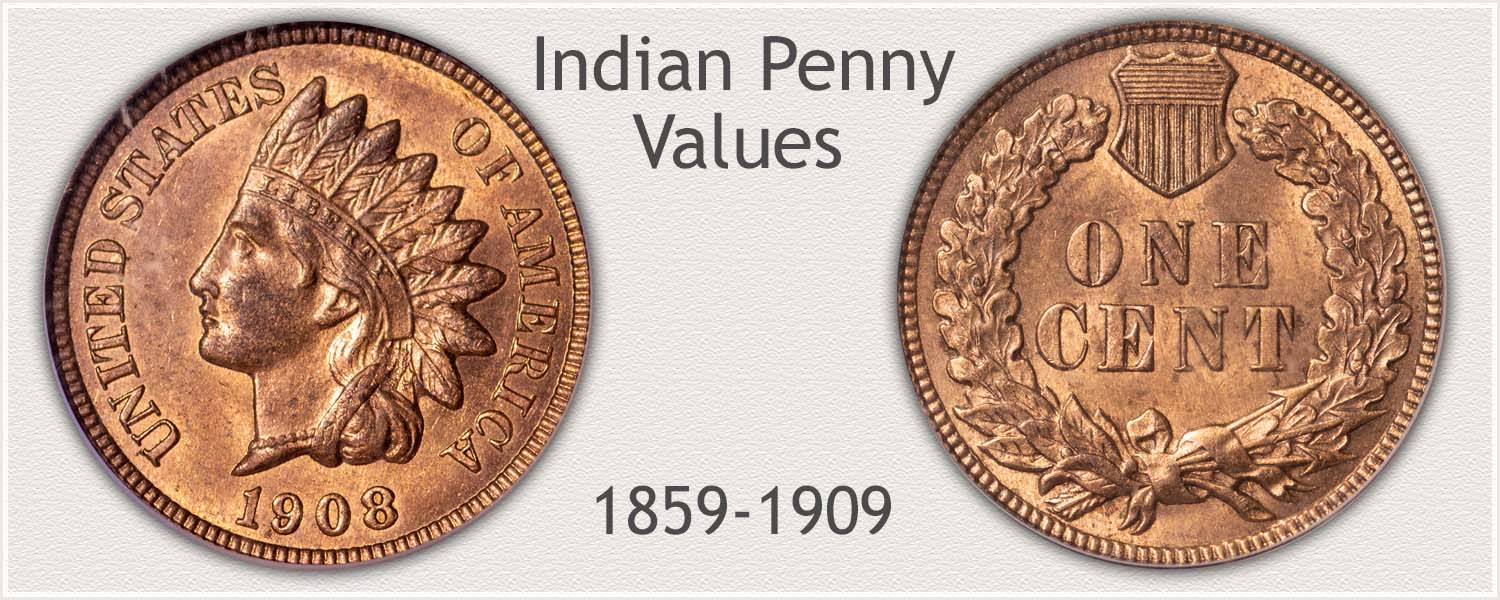
The Indian Head cent, minted between 1859 and 1909, represents one of the most iconic pieces of American numismatic history. For collectors and investors alike, these coins are more than just copper alloy discs; they are historical assets that have demonstrated surprising resilience in value over the last century. Understanding the worth of an Indian Head penny requires a deep dive into the nuances of numismatics, where rarity, condition, and metallurgical composition converge to dictate market price. Whether you have discovered a loose coin in a family estate or are looking to diversify your portfolio with tangible assets, calculating the value of an Indian Head penny is a process of systematic assessment.
Factors That Influence Numismatic Value
The valuation of any collectible coin is governed by the basic economic principles of supply and demand, filtered through the lens of grade and rarity. Unlike modern currency, which is strictly transactional, the Indian Head penny is treated as a store of value that appreciates based on scarcity.
The Impact of Condition and Grading
In the world of coin collecting, the “grade” of a coin is the single most significant factor in determining its retail price. Grading is a standardized process—typically performed by professional services like PCGS or NGC—that assigns a numeric value (on the Sheldon Scale of 1 to 70) to the physical state of the coin.
A coin in “Good” (G-4) condition, where the design is heavily worn but the date is readable, may only be worth a few dollars. Conversely, a coin in “Mint State” (MS-65 or higher) can fetch hundreds, or even thousands, of dollars. Collectors pay a premium for “eye appeal”—the absence of scratches, the preservation of original mint luster, and the sharpness of the strike. Even a seemingly minor detail, such as the visibility of the word “LIBERTY” in the headband of the Indian headdress, can be the difference between a common date and a high-value rarity.
Rarity and Mintage Figures
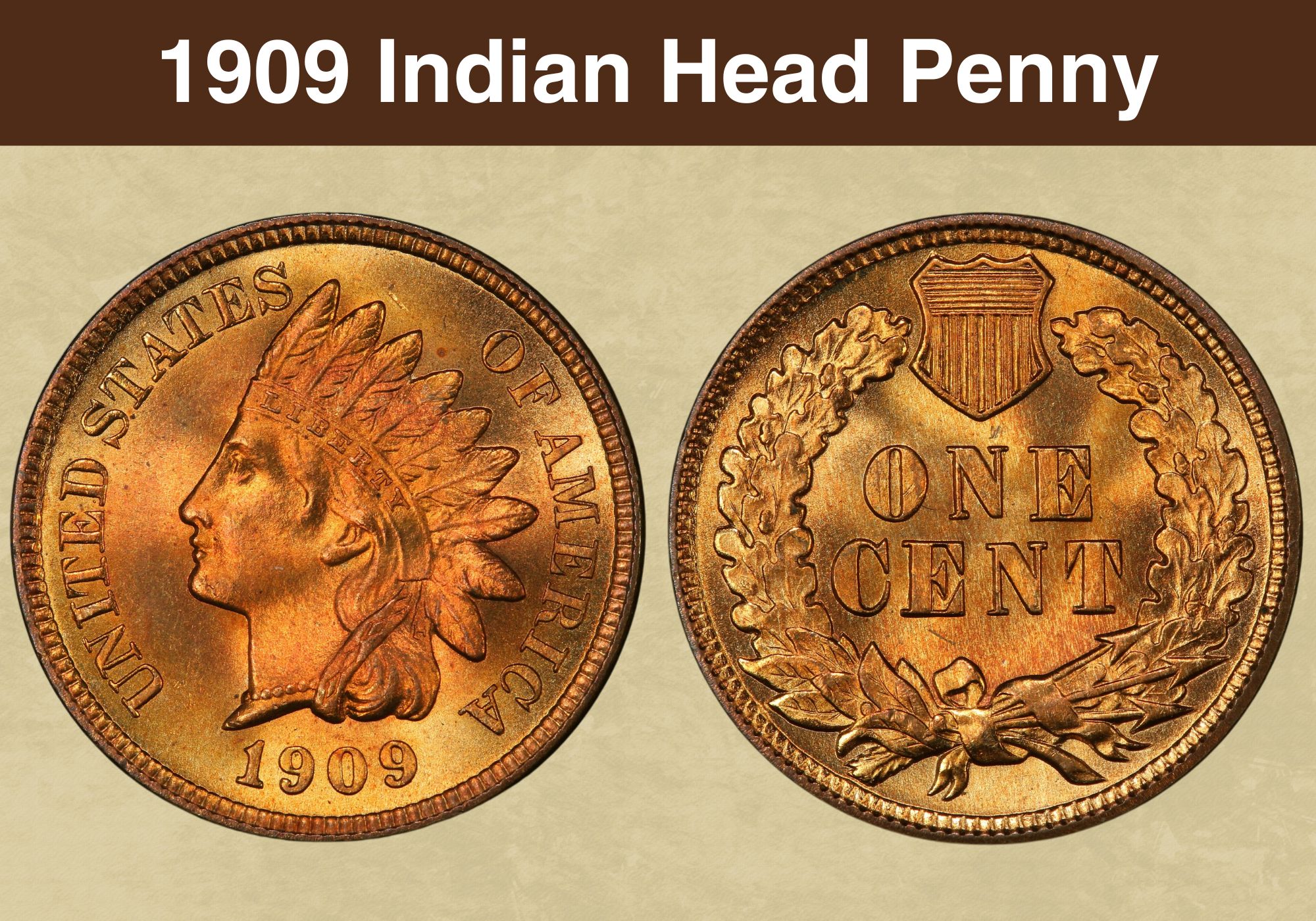
Not all Indian Head pennies were created equal. During the fifty-year production span, minting volumes fluctuated wildly. The key to identifying a valuable specimen often lies in the date and the mint mark. While most Indian Head cents were minted in Philadelphia (which typically does not carry a mint mark), the 1908 and 1909 issues from the San Francisco mint (bearing an ‘S’ mint mark) are exceptionally rare and highly sought after by collectors.
Investors focus on “key dates”—years where production was abnormally low or where many coins were lost to circulation and destruction. The 1877 cent, for example, is widely considered the “King” of the Indian Head series due to its extremely low mintage during an economic downturn, making it the primary target for serious numismatic investors.
Market Trends and the Investment Case
For the modern investor, numismatics serves as an alternative asset class. While it lacks the liquidity of stocks or bonds, it provides a hedge against inflation and a unique form of “tangible wealth” that exists outside the digital financial ecosystem.

The Role of Copper and Precious Metal Content
While the Indian Head penny is not a bullion coin—it consists primarily of copper (95%) with a small amount of tin and zinc—its “melt value” is generally negligible compared to its numismatic value. However, the rising cost of industrial copper provides a “floor” for the coin’s price. Investors should be aware that the intrinsic metal value will rarely drive the price of an Indian Head penny, but it does ensure that even the most damaged, low-grade specimens maintain a baseline worth that prevents them from becoming completely worthless.
Numismatics as a Hedge
During periods of economic volatility, physical assets often perform well. Coins are portable, private, and historically proven to maintain purchasing power over multi-decadal timelines. The Indian Head cent market is mature and established, with auction records stretching back over a century. This historical data allows investors to perform longitudinal analysis on price performance, making it easier to identify undervalued coins that may appreciate as the pool of high-quality, uncirculated specimens shrinks due to loss, damage, or institutional acquisition.
Identifying and Appraising Your Collection
If you find yourself in possession of Indian Head pennies, the path from discovery to appraisal requires a structured approach to ensure you maximize your return or insurance valuation.
Avoiding Common Valuation Pitfalls
A frequent mistake made by novices is the cleaning of coins. In the world of coin collecting, “cleaning”—using chemical dips or abrasive cloths to make a coin look bright and new—is a cardinal sin that can destroy up to 80% of a coin’s value. Collectors value the “patina,” or the natural oxidation that occurs over decades. This layer of history is irreplaceable; once removed, the coin is considered “damaged” and loses its status as a collector’s item, dropping immediately to its base metal value.
Leveraging Professional Authentication
Before attempting to sell or insure your coins, verification is essential. Counterfeiting is a reality in the numismatic world, particularly with rare dates like the 1877 or the 1909-S. Professional grading services do more than just assign a number; they encapsulate the coin in a tamper-evident plastic slab. This provides a guarantee of authenticity and a definitive grade that allows the coin to be traded sight-unseen in professional marketplaces. For high-value assets, the cost of third-party grading is a necessary investment to protect the owner from fraud and to ensure the highest market price.
Where to Sell or Trade
The venue chosen for selling Indian Head pennies can significantly impact the net proceeds.
- Local Coin Shops (LCS): Offer immediate liquidity but usually provide the lowest margins, as the shop must account for their own overhead and profit.
- Auction Houses: The preferred route for high-end, rare, or professional-grade specimens. While they take a commission, they expose the coin to a global pool of wealthy collectors.
- Online Marketplaces: Platforms like eBay are useful for low-to-mid-grade coins, but they require a significant amount of seller effort and carry the risk of shipping disputes.
The Future of Indian Head Penny Collecting
The market for 19th and early 20th-century American coinage remains robust. As the number of surviving, high-grade coins continues to decrease, scarcity forces prices upward. This is an asset class that is largely insulated from the boom-and-bust cycles of modern tech stocks.
For the collector, the value is found in the hunt—the satisfaction of finding a specific date or a high-grade example to complete a collection. For the investor, the value is found in the long-term appreciation of a finite supply of history. As we move further into a digital-first economy, the allure of physical assets that can be held and examined is unlikely to wane. The Indian Head penny, with its blend of artistry, historical significance, and reliable scarcity, stands as a pillar of American numismatic investment, offering a tangible connection to the past and a strategic opportunity for the future. Whether you are holding a single penny or a collection of hundreds, the principles remain the same: preserve the condition, seek professional authentication, and understand the rarity that drives the market.
aViewFromTheCave is a participant in the Amazon Services LLC Associates Program, an affiliate advertising program designed to provide a means for sites to earn advertising fees by advertising and linking to Amazon.com. Amazon, the Amazon logo, AmazonSupply, and the AmazonSupply logo are trademarks of Amazon.com, Inc. or its affiliates. As an Amazon Associate we earn affiliate commissions from qualifying purchases.