
For those who have served in the United States Armed Forces, the VA home loan stands as one of the most powerful financial instruments available. However, potential homebuyers often approach the market with a single, pressing question: “What is the VA home loan rate?” While the answer fluctuates daily based on global economic shifts, understanding the mechanics behind these rates is essential for any veteran or active-duty service member looking to maximize their purchasing power.
Unlike conventional mortgages, VA loan rates are typically lower, but they are not a “one-size-fits-all” figure. They represent a complex intersection of government backing, private lender competition, and individual financial health. To truly grasp what the VA home loan rate means for your wallet, one must look beyond the percentage sign and examine the structural advantages and market forces that define this unique financial product.
The Mechanics of VA Loan Rates: How They Differ from Conventional Financing
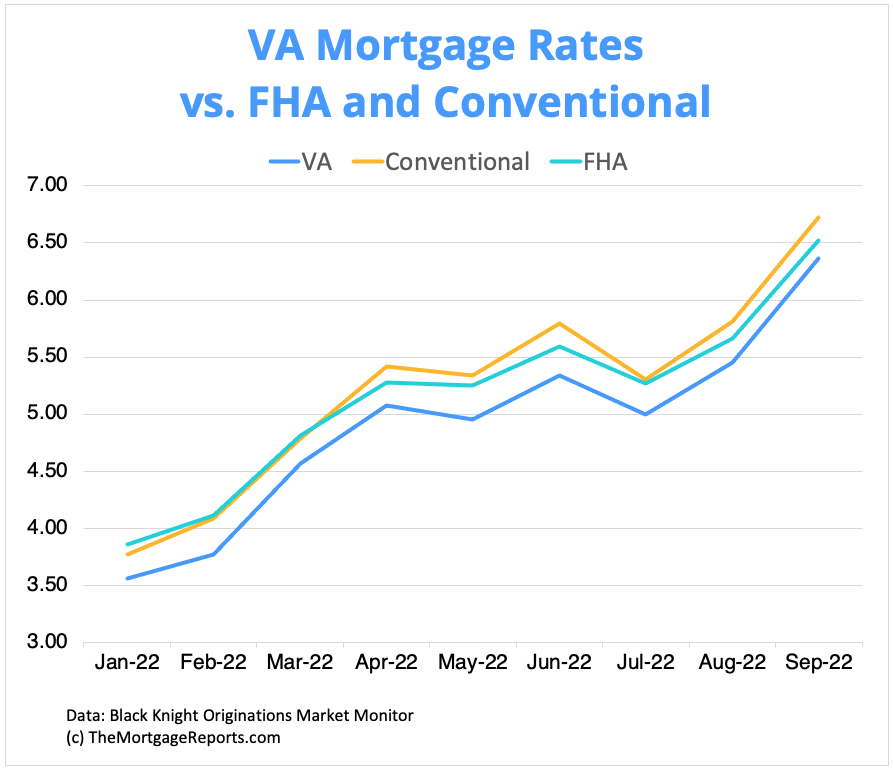
When discussing interest rates, it is vital to understand that the Department of Veterans Affairs (VA) does not actually set the interest rates for VA loans. Instead, these rates are determined by private lenders—such as banks, credit unions, and mortgage companies. The VA’s role is to provide a “guarantee” on a portion of the loan, which reduces the risk for the lender.
The Role of the Government Guarantee
The government guarantee is the primary reason VA loan rates are consistently lower than conventional mortgage rates. Because the VA promises to repay a portion of the loan if the borrower defaults, lenders feel more secure offering competitive terms. This secondary market confidence allows lenders to pass on interest rate savings to the veteran, often resulting in rates that are 0.25% to 0.50% lower than standard 30-year fixed-rate mortgages.
Market Volatility and the 10-Year Treasury Yield
While the VA guarantee provides a baseline for lower rates, the daily movement of the VA home loan rate is tied to the broader financial markets. Specifically, mortgage rates track closely with the 10-year Treasury bond yield. When investors feel the economy is risky, they flock to bonds, driving yields down and taking mortgage rates with them. Conversely, in a high-inflation environment, yields and mortgage rates tend to rise. For a veteran, this means the “rate” is a moving target that requires careful timing and market awareness.
Fixed vs. Adjustable Rates in the VA Program
Veterans generally have the choice between fixed-rate and adjustable-rate mortgages (ARMs). A fixed-rate VA loan offers the security of a consistent monthly payment over 15 or 30 years. An ARM might offer a lower initial “teaser” rate, which can be attractive for those who plan to sell or refinance within a few years. However, in a volatile interest rate environment, the stability of a fixed rate is often the preferred choice for long-term financial planning.
Factors That Influence Your Personal VA Interest Rate
While market trends set the “par rate,” your individual financial profile determines exactly what rate a lender will offer you. Even within the protected ecosystem of VA loans, lenders still assess risk based on several key financial metrics.
The Impact of Credit Scores on VA Rates
Although the VA does not technically require a minimum credit score, most lenders (the ones actually providing the money) do. These are known as “lender overlays.” A veteran with a credit score of 740 will almost certainly receive a better interest rate than a veteran with a score of 620. In the world of personal finance, even a 0.5% difference in your interest rate can result in tens of thousands of dollars saved over the life of the loan.
Debt-to-Income (DTI) Ratio and Loan Terms
Lenders also look at your Debt-to-Income ratio—the percentage of your gross monthly income that goes toward paying debts. The VA is more generous than conventional programs, often allowing DTIs up to 41% or even higher with “compensating factors.” However, a lower DTI signals to the lender that you are a lower-risk borrower, which can sometimes provide leverage when negotiating points or seeking the lowest possible rate tier.
Discount Points: Buying Down the Rate
One of the most effective ways to influence your VA home loan rate is through the use of discount points. One point is equal to 1% of the loan amount. By paying this fee upfront at closing, you can “buy down” the interest rate. This is a strategic move for veterans who plan to stay in their home for a long time, as the monthly savings will eventually exceed the initial cost of the points—a calculation known as the “break-even point.”
The Hidden Financial Advantages Beyond the Interest Rate
When evaluating “what is the VA home loan rate,” it is a mistake to focus solely on the interest percentage. The true value of a VA loan lies in the elimination of costs that typically plague conventional borrowers.
The Absence of Private Mortgage Insurance (PMI)
In a conventional loan, if you put down less than 20%, you are required to pay Private Mortgage Insurance (PMI), which can cost hundreds of dollars every month. VA loans require no PMI, regardless of the down payment amount. When you factor this into your effective monthly cost, a VA loan at a 6.5% rate is often significantly cheaper than a conventional loan at 6.0% plus PMI. This is a massive win for the veteran’s monthly cash flow.
The Zero Down Payment Benefit
The VA loan remains one of the few 0% down payment programs available in the modern market. From a wealth-management perspective, this allows veterans to keep their capital invested in other assets—such as the stock market or high-yield savings accounts—rather than tying up all their liquidity in home equity. The ability to secure a competitive interest rate without an initial capital outlay is a significant financial lever.
VA Funding Fee vs. Closing Costs
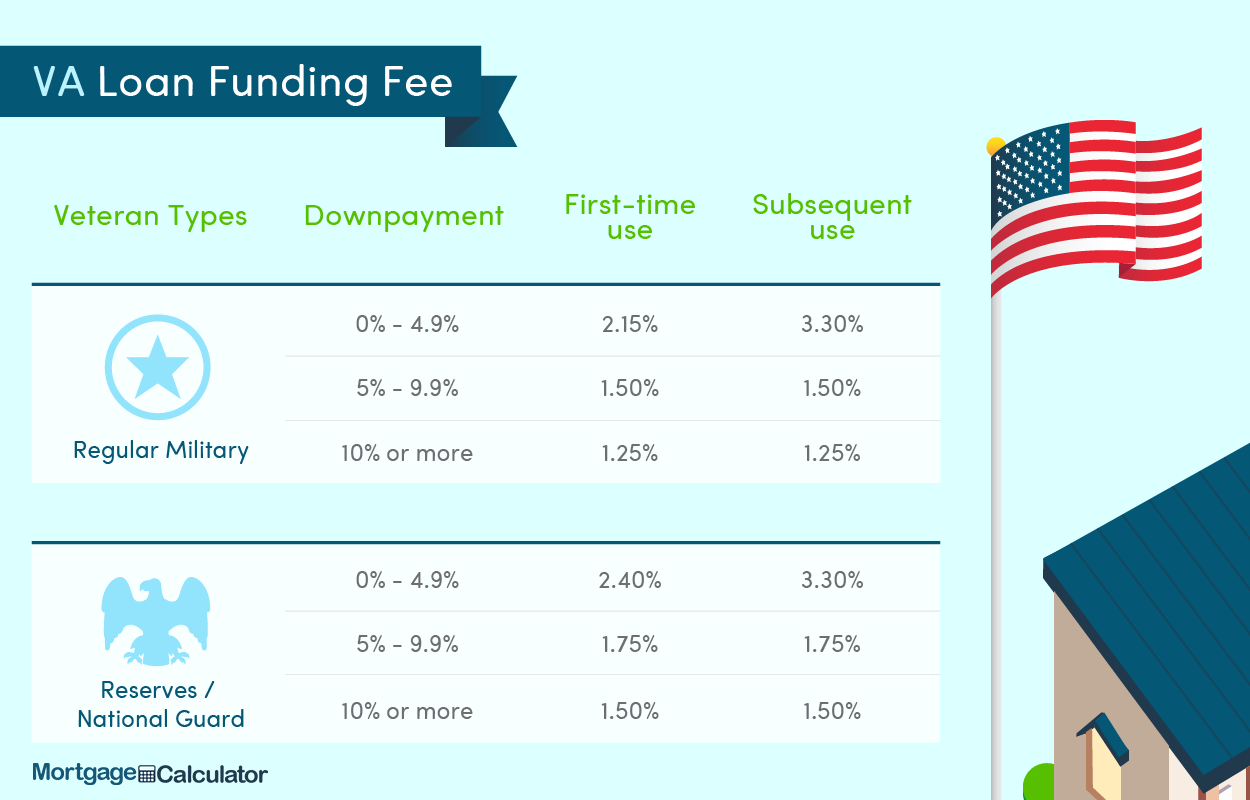
While there is no PMI, the VA does charge a “Funding Fee” to keep the program running for future generations. This fee varies based on whether it is your first time using the benefit and your down payment amount. Crucially, veterans with a service-connected disability are often exempt from this fee. Understanding how this fee interacts with your loan balance is essential for calculating the total cost of your mortgage.
Strategic Moves to Secure the Best VA Loan Rate
Securing the best rate requires more than just meeting the eligibility requirements; it requires a proactive approach to the lending market. Because VA loans are a specialized product, not all lenders offer the same terms.
The Importance of Shopping Multiple Lenders
Many veterans make the mistake of going to the first bank that mentions “VA-approved.” However, rates and fees can vary wildly between a local credit union, a national mortgage bank, and a specialized VA lender. By obtaining three to five Loan Estimates, you can compare the “Annual Percentage Rate” (APR), which includes both the interest rate and the fees, providing a more accurate picture of the total cost.
Leveraging the IRRRL for Future Savings
The VA Interest Rate Reduction Refinance Loan (IRRRL), also known as a “VA Streamline,” is a powerful tool for when rates eventually drop. If you close on a home when rates are high, the IRRRL allows you to refinance into a lower rate later with very little paperwork and no out-of-pocket costs. This “safety valve” makes the initial interest rate less of a permanent burden and more of a temporary starting point.
The Role of the Certificate of Eligibility (COE)
Before a lender can offer you a firm rate, they need your Certificate of Eligibility (COE). This document proves to the lender that you have the necessary service requirements to qualify for the VA guarantee. Having this ready early in the process shows lenders you are a serious, “mortgage-ready” buyer, which can streamline negotiations and lock-in periods.
Long-Term Financial Impact: Why the VA Rate Matters for Wealth Building
The VA home loan is not just a way to buy a house; it is a tool for long-term financial stability and wealth accumulation. By securing a lower-than-market interest rate, veterans can allocate their resources more effectively toward retirement, education, or other investments.
Amortization and Total Interest Paid
Over a 30-year period, a difference of just 1% in an interest rate can mean the difference of $100,000 or more in total interest paid. By utilizing the VA’s lower rates, veterans are essentially keeping more of their lifetime earnings. This “saved interest” acts as a form of passive wealth creation, as that money stays in the veteran’s pocket rather than going to a banking institution.
The VA Loan as an Investment Tool
Because VA loans are assumable (meaning a future buyer can take over your low interest rate if they qualify), they add significant value to the home as a resale asset. If you lock in a 5% rate today and market rates are 8% ten years from now, your home becomes much more attractive to potential buyers who want to assume your lower rate. Furthermore, the ability to turn a VA-purchased primary residence into a rental property later allows veterans to build a real estate portfolio with incredibly favorable financing terms.
Conclusion: More Than Just a Number
What is the VA home loan rate? It is a reflection of the nation’s commitment to those who served, manifested as a competitive, government-backed financial advantage. While the number will change with the tides of the economy, the underlying benefits—no down payment, no PMI, and lower-than-average rates—remain constant. By understanding the factors that drive these rates and the strategies to optimize them, veterans can turn their home purchase into the cornerstone of a secure financial future. Focus on the APR, shop around, and remember that your service has earned you a seat at the table for the best mortgage terms available in the United States today.
aViewFromTheCave is a participant in the Amazon Services LLC Associates Program, an affiliate advertising program designed to provide a means for sites to earn advertising fees by advertising and linking to Amazon.com. Amazon, the Amazon logo, AmazonSupply, and the AmazonSupply logo are trademarks of Amazon.com, Inc. or its affiliates. As an Amazon Associate we earn affiliate commissions from qualifying purchases.