
The question of what constitutes the “national sport” of the United States is rarely answered by a single, governing decree. While baseball has long held the mythological title of “America’s Pastime,” the modern landscape of American sports is a complex ecosystem of competing interests, massive broadcasting deals, and carefully cultivated brand identities. From a marketing and brand strategy perspective, the national sport is not defined by history alone, but by market share, cultural penetration, and the strength of the leagues that command the most attention.
The Evolution of Brand Dominance: From Pastime to Powerhouse
To understand which sport defines the American identity today, one must look at how leagues have repositioned themselves as global entertainment brands. Branding in the sports industry has shifted from selling a game to selling a lifestyle, a community, and a high-stakes narrative.
The Baseball Legacy: Building a Historical Brand
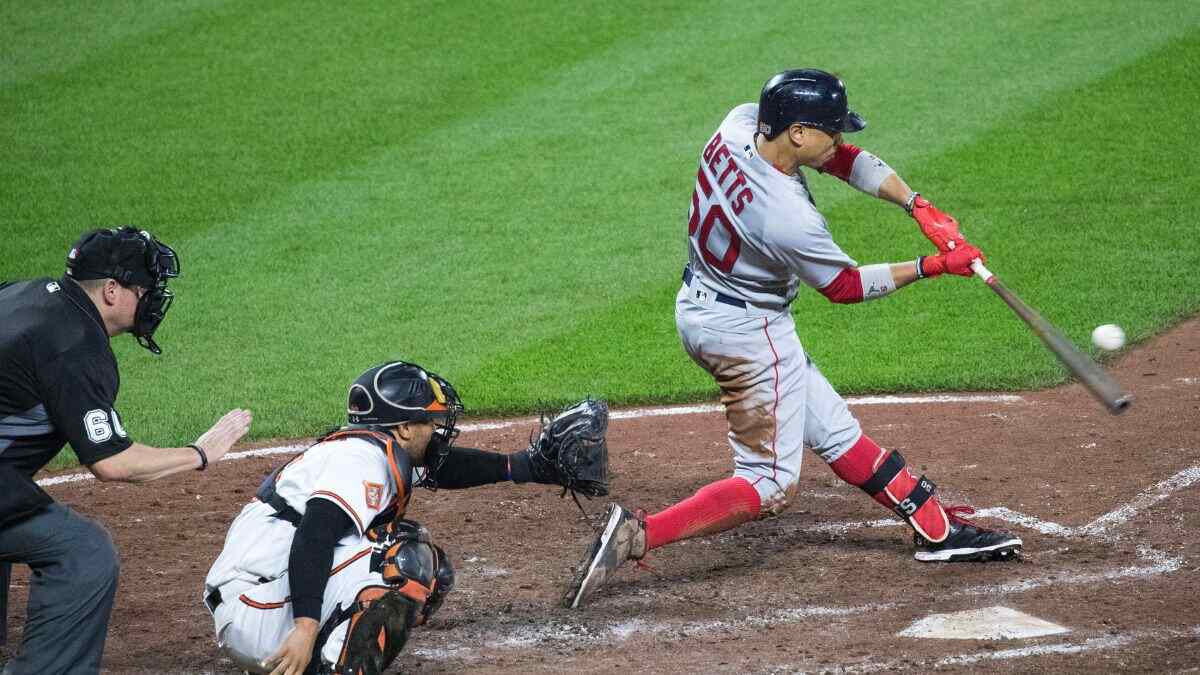
Baseball, specifically Major League Baseball (MLB), built its foundation on nostalgia and regional loyalty. For decades, it was the only major game in town. The “America’s Pastime” narrative is a masterclass in brand positioning; it equates the sport with the agrarian, simple, and wholesome virtues of 20th-century American life. However, in the modern branding era, this reliance on tradition has become a double-edged sword. As the pace of life accelerated, the slow, rhythmic nature of baseball faced challenges in maintaining relevance among younger demographics, leading to significant shifts in marketing tactics—such as introducing pitch clocks and base-running incentives—to “rebrand” the experience for the modern viewer.
The NFL’s Marketing Monopoly
If “national sport” is defined by cultural impact, annual revenue, and brand ubiquity, the National Football League (NFL) stands unrivaled. The NFL has mastered the art of “event-based branding.” By limiting its product to a short, intense season—where every single game feels like a standalone event—the NFL creates a scarcity model that drives demand higher than any other sport. The Super Bowl has evolved from a championship game into the most significant marketing day of the year, functioning as a cultural phenomenon that transcends the sport itself.
Brand Strategy and the Competitive Landscape
When analyzing sports through the lens of brand strategy, the goal is to capture “mindshare.” The leagues that succeed are the ones that successfully integrate their brand into the daily habits, media consumption, and social rituals of the American consumer.
High-Octane Engagement: The NBA’s Influence
The National Basketball Association (NBA) has utilized a different strategy: the power of the individual influencer. By branding its players as global icons and fashion leaders, the NBA has created a bridge between basketball and streetwear, hip-hop culture, and digital media. In the realm of personal branding, the NBA dominates. When a brand strategy focuses on the personality rather than just the league, it captures a younger, more mobile, and socially active audience. This is a critical lesson for any corporate entity: brand loyalty is often tied to the “faces” of the organization rather than the organization itself.

The Challenge of Niche Markets
Other sports—such as the NHL, MLS, or individual-centric sports like golf and NASCAR—operate on a model of high-intensity niche branding. These leagues understand that they cannot out-compete the NFL for broad national attention. Instead, they focus on hyper-targeted demographic segments. A brand strategy focused on NASCAR, for example, emphasizes community, regional pride, and a “family-first” mentality that creates remarkably high levels of customer retention. For small businesses, this is the blueprint: don’t try to be everything to everyone; identify the core identity of your audience and lean into it.
The Business of Sports: Monetization and Consumer Behavior
The “national sport” is often a synonym for the sport that attracts the most advertising dollars and consumer spending. The financial mechanics behind these leagues provide a clear window into where the “national” attention is currently focused.
The Power of Rights Deals and Broadcasting
Media rights are the lifeblood of modern sports business. The gargantuan contracts signed between networks and the NFL signal where the market believes the future value lies. From a branding perspective, these deals serve as a signal of trust and longevity. When a tech giant or a major broadcasting network invests billions, they are essentially endorsing the “brand health” of the league. The NFL’s ability to demand these record-breaking sums proves that it is the primary anchor for linear television, even in a streaming-first world.
Consumer Experience and Digital Transformation
We are currently witnessing a massive shift in how these “national” brands interact with their customers. We have moved from the era of the passive spectator to the era of the active participant. Fantasy sports, legal sports betting, and social media commentary have turned sports into an interactive digital product. The league that wins the “national sport” title in the future will be the one that most successfully integrates technology into the fan experience. Whether it is through immersive VR broadcasts or data-driven gambling integrations, the brand that provides the most seamless user experience (UX) will retain the highest customer lifetime value.
Synthesizing Brand Identity and Future Outlook
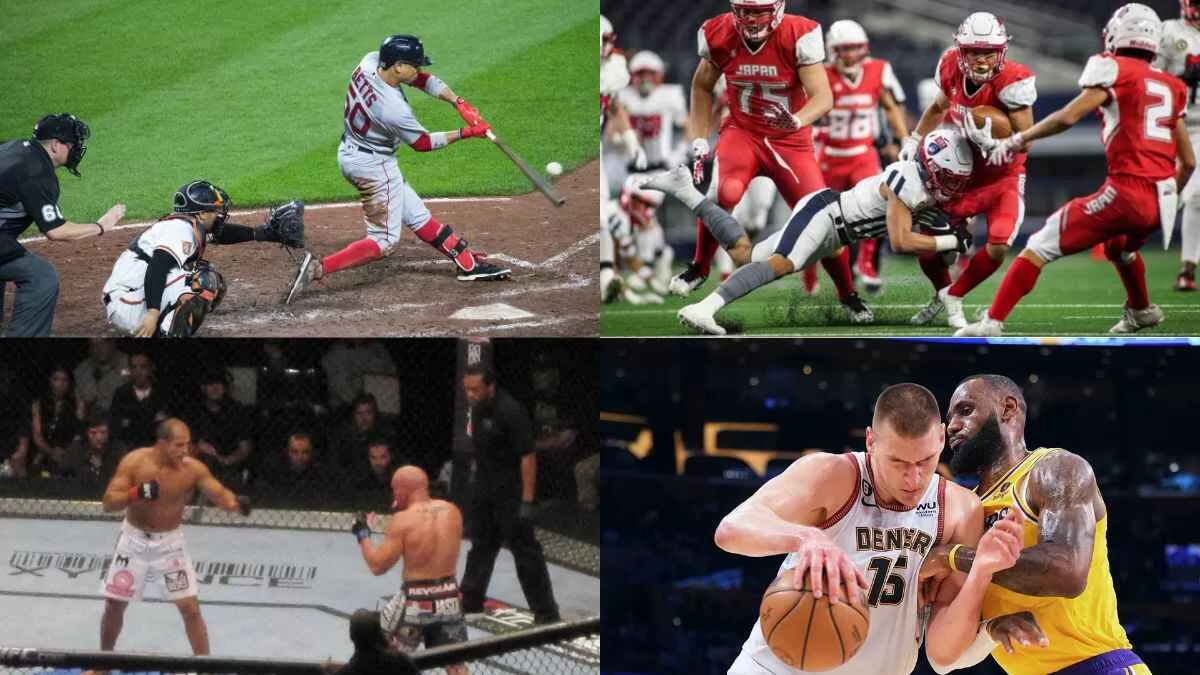
Ultimately, choosing a “national sport” depends on which metric you prioritize. If you prioritize history and tradition, baseball wins by default. If you prioritize cultural impact and economic muscle, the NFL is the undisputed champion. If you prioritize global reach and individual personal branding, the NBA claims the crown.
The Marketing Takeaway for Modern Brands
For any strategist or business owner looking at these leagues, the takeaway is clear: dominance comes from the ability to evolve. Even the most entrenched institutions—like the MLB—must be willing to innovate their core product to meet changing consumer expectations. Brand equity is not a static asset; it is a living entity that requires constant maintenance.
The “national sport” of the USA is a placeholder for the American desire for collective entertainment and shared narrative. Just as businesses compete for market share, these sports leagues compete for the limited attention span of the American public. The winning brand—the one that becomes “the” national sport—is the one that effectively balances its historical prestige with an agile, consumer-centric approach to the future.
In this competitive marketplace, the identity of the national sport remains fluid. It exists where the revenue, the cultural chatter, and the technological innovation intersect. As long as these leagues continue to invest in their brand stories, the competition will remain fierce, and the American audience will remain the ultimate beneficiary of this high-stakes marketing game.
aViewFromTheCave is a participant in the Amazon Services LLC Associates Program, an affiliate advertising program designed to provide a means for sites to earn advertising fees by advertising and linking to Amazon.com. Amazon, the Amazon logo, AmazonSupply, and the AmazonSupply logo are trademarks of Amazon.com, Inc. or its affiliates. As an Amazon Associate we earn affiliate commissions from qualifying purchases.