
The global energy market is one of the most volatile and influential sectors in the world of finance. For individual investors seeking to gain exposure to the fluctuations of energy prices without the logistical nightmare of storing physical barrels of crude, the United States Oil Fund (USO) has long been the primary vehicle of choice. As an Exchange Traded Security, USO provides a gateway into the complex world of commodity trading, yet it operates very differently from a traditional stock or bond fund.
In the realm of personal finance and sophisticated investing, understanding the mechanics of the United States Oil Fund is essential. It is not merely a “bet on oil”; it is a complex financial instrument governed by the mechanics of the futures market. This article explores the inner workings of USO, the risks associated with commodity ETFs, and how it fits into a modern investment strategy.
What is the United States Oil Fund (USO)?
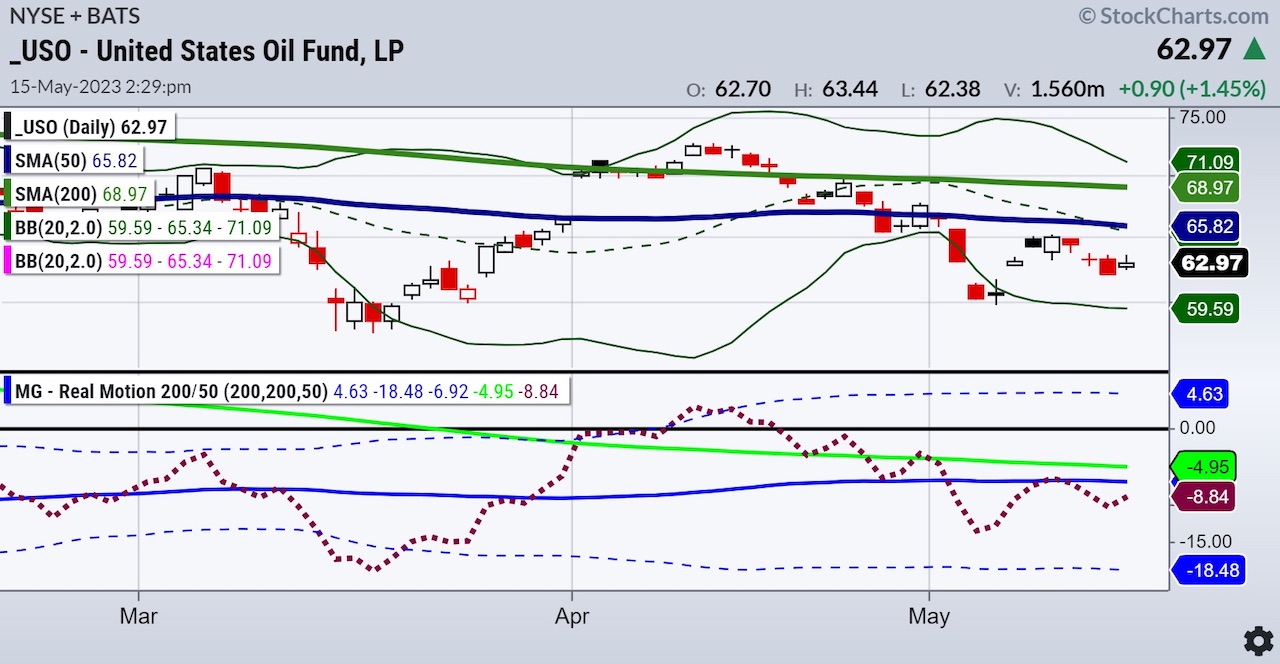
The United States Oil Fund (USO) is an exchange-traded security designed to track the daily price movements of West Texas Intermediate (WTI) light, sweet crude oil. Managed by United States Commodity Funds LLC (USCF), it was launched in 2006 and has since become the most liquid oil-focused ETF in the world.
The Basics of Oil-Linked ETFs
Unlike a traditional equity ETF that holds shares in companies—such as ExxonMobil or Chevron—USO is a commodity pool. It does not own physical assets like oil rigs, refineries, or pipelines. Instead, it seeks to provide investors with a simple way to participate in the oil market via the New York Stock Exchange (NYSE). For the average retail investor, buying USO is as easy as buying a share of Apple, providing immediate exposure to the energy sector through a standard brokerage account.
How USO Tracks West Texas Intermediate (WTI)
The primary benchmark for USO is the daily price movement of WTI light, sweet crude oil delivered to Cushing, Oklahoma. WTI is the standard reference point for oil prices in the United States. To achieve its investment objective, USO invests primarily in listed crude oil futures contracts and other oil-related interests. When the price of WTI rises, the Net Asset Value (NAV) of USO generally follows suit, and vice versa. However, because of the way the fund is structured, the correlation is not always one-to-one over the long term.
How USO Operates: The Mechanics of Futures Contracts
To understand USO, one must understand the futures market. A futures contract is a legal agreement to buy or sell a particular commodity at a predetermined price at a specified time in the future. Because USO cannot practically take delivery of millions of barrels of oil, it must constantly manage these “paper” contracts to maintain its exposure.
The Concept of “Rolling” Contracts
Futures contracts have expiration dates. To avoid taking physical delivery of oil, the fund must sell its expiring contracts and buy new ones for a later date. This process is known as “rolling.” Historically, USO focused on “front-month” contracts—those closest to expiration—because they are the most sensitive to current spot prices. However, the act of selling a cheaper expiring contract and buying a more expensive future contract can create a “roll yield” loss, which can erode the fund’s value over time even if oil prices remain stable.
Physical Storage vs. Paper Assets
The United States Oil Fund is a “paper” asset. In the physical oil market, storage costs, transportation, and insurance are significant factors in pricing. In the financial market, these costs are reflected in the “carrying cost” of futures. Investors in USO are essentially paying the fund managers to handle the complexities of the futures market on their behalf. This convenience comes with an expense ratio—the annual fee charged by the fund—which investors must factor into their total return calculations.
Key Risks and Market Dynamics
Investing in commodities via ETFs like USO involves specific risks that are not present in the stock market. The most significant of these are contango and backwardation, two terms that every oil investor must master.

Contango and Backwardation Explained
Contango occurs when the future price of oil is higher than the current spot price. This is the “normal” state of the market, reflecting the costs of storage and interest. In a contango market, USO loses money every time it “rolls” its contracts because it is selling low and buying high. This “negative roll yield” is why USO often underperforms the actual spot price of oil over long periods.
Conversely, backwardation occurs when the spot price is higher than the future price, usually due to immediate supply shortages. In this scenario, USO benefits from a “positive roll yield,” as it sells expensive expiring contracts and buys cheaper future contracts.
Tracking Error and NAV Discrepancies
During periods of extreme market volatility—such as the oil price crash of April 2020—the USO can experience significant tracking errors. When the price of WTI briefly turned negative in 2020, USO was forced to drastically change its investment mandate. Instead of only holding front-month contracts, it began diversifying across various months to protect the fund from total collapse. These shifts can cause the fund’s price to deviate from the immediate spot price of oil, leading to surprises for investors who do not closely follow the fund’s regulatory filings.
Strategic Uses of USO in a Diversified Portfolio
Despite its complexities and the risks of roll decay, USO remains a powerful tool for certain types of investors. It serves specific functions that traditional stocks and bonds cannot fulfill.
Hedging Against Inflation
Oil is a primary driver of inflation. When energy prices rise, the cost of goods and transportation follows. For investors worried about the eroding purchasing power of the dollar, holding a position in USO can act as a hedge. As the price of energy increases, the value of the fund typically rises, offsetting the increased costs an investor might face in their daily life or other parts of their portfolio.
Speculating on Geopolitical Volatility
The oil market is highly sensitive to geopolitical events, from conflicts in the Middle East to production decisions by OPEC+. Active traders use USO to capitalize on these short-term price movements. Because USO is highly liquid, it allows for rapid entry and exit. It is often used as a tactical tool to express a view on global supply and demand dynamics rather than a “buy and hold” investment.
Tax Considerations and Regulatory Framework
From a financial planning perspective, USO is unique because of its legal structure. It is organized as a Limited Partnership (LP) rather than a standard corporation, which has significant implications for how it is taxed and regulated.
The K-1 Requirement for Limited Partnerships
Most stock ETFs provide investors with a 1099-DIV form at the end of the year. However, because USO is a commodity pool, it generally issues a Schedule K-1. K-1 forms are notoriously more complex than 1099s and can delay the filing of personal income taxes, as they often arrive later in the tax season. Furthermore, investors may be subject to “mark-to-market” tax rules, where they are taxed on unrealized gains at the end of the year. This makes USO more suitable for taxable brokerage accounts than for IRAs, depending on an individual’s specific tax situation.
Regulatory Oversight by the CFTC
Because USO deals in futures, it falls under the jurisdiction of the Commodity Futures Trading Commission (CFTC) as well as the Securities and Exchange Commission (SEC). This dual oversight ensures a high level of transparency regarding the fund’s holdings. The fund managers are required to disclose their positions daily, allowing investors to see exactly which futures contracts the fund holds. This transparency is vital for institutional investors who use USO for large-scale liquidity management.
Conclusion: Is USO Right for Your Financial Strategy?
The United States Oil Fund is a sophisticated financial instrument that offers unparalleled access to the world’s most important commodity. For the short-term trader or the investor looking to hedge against a sudden spike in energy prices, it is an invaluable resource. However, its reliance on the futures market and the inherent costs of “rolling” contracts make it a dangerous tool for the uninformed.
Before allocating capital to USO, investors must weigh the convenience of the ETF structure against the risks of contango and the complexities of K-1 tax reporting. In the world of money and investing, knowledge is the ultimate hedge. By understanding the mechanics of the United States Oil Fund, you can better navigate the volatile waters of the energy market and make informed decisions that align with your long-term financial goals.
aViewFromTheCave is a participant in the Amazon Services LLC Associates Program, an affiliate advertising program designed to provide a means for sites to earn advertising fees by advertising and linking to Amazon.com. Amazon, the Amazon logo, AmazonSupply, and the AmazonSupply logo are trademarks of Amazon.com, Inc. or its affiliates. As an Amazon Associate we earn affiliate commissions from qualifying purchases.