
In the classical understanding of physics, the question “what is the unit of measure of force” yields a straightforward answer: the Newton (N). Named after Sir Isaac Newton, this SI unit defines the amount of force required to accelerate one kilogram of mass at a rate of one meter per second squared. However, in the rapidly evolving landscape of modern technology, the “Newton” is no longer just a static concept found in textbooks. It has become a critical data point, a digital variable, and a fundamental metric that powers everything from high-end robotics to the subtle haptic feedback in your smartphone.
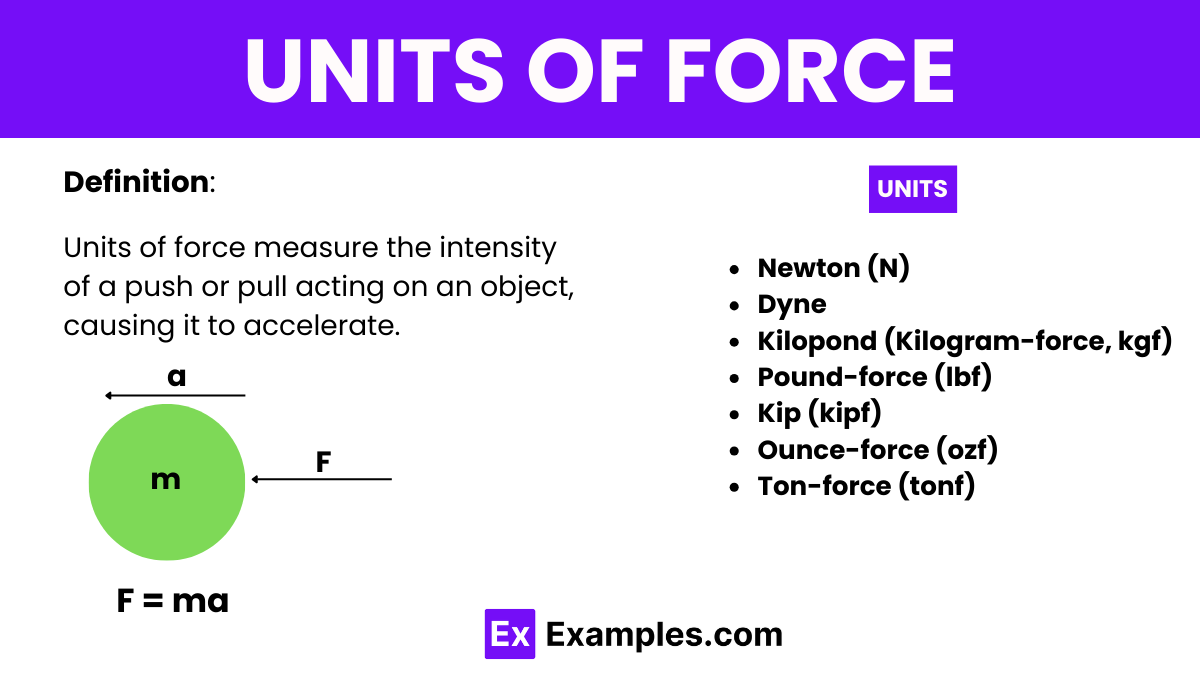
As we transition further into an era defined by the Internet of Things (IoT), Artificial Intelligence (AI), and advanced manufacturing, the measurement of force has moved from the laboratory to the silicon chip. Today, tech innovators are obsessed with how we quantify, simulate, and exert force in virtual and physical digital environments. Understanding the unit of measure of force is essential for grasping how modern gadgets interact with the physical world and how software simulations prevent real-world disasters.
The Newtonian Foundation in Modern Engineering Software
In the realm of software development, particularly within Computer-Aided Design (CAD) and Computer-Aided Engineering (CAE), the Newton is the primary language spoken by algorithms. When engineers design the next generation of electric vehicles or aerospace components, they are not just drawing shapes; they are applying mathematical forces to virtual materials.
CAD and CAE Systems: Simulating Reality
Software suites like AutoCAD, SolidWorks, and Ansys rely heavily on the precise calculation of force units. When a structural engineer designs a bridge or a drone frame, the software performs Finite Element Analysis (FEA). This process involves breaking down a complex object into millions of smaller elements and applying forces—measured in Newtons—to see where the structure might buckle or fail.
Without the digital integration of the unit of force, the “Tech” sector could not iterate at its current speed. We would be stuck in a cycle of physical prototyping and manual testing. Instead, tech trends are moving toward “Digital Twins,” where a virtual replica of a machine experiences real-time force data, allowing for predictive maintenance and stress testing before a single bolt is tightened in the physical world.
Physics Engines in Gaming and VR
Beyond industrial use, the measurement of force is a cornerstone of the gaming and Virtual Reality (VR) industries. Modern physics engines, such as Unreal Engine’s Chaos or Unity’s PhysX, are sophisticated software tools that calculate the force of impact, gravity, and friction in real-time.
When a player in a VR environment “throws” a digital object, the software calculates the Newtons of force exerted by the user’s virtual hand. This data ensures that the object’s trajectory and the resulting impact on other digital assets look and feel realistic. The tech behind these engines is increasingly being used in professional training simulators for surgeons and pilots, where the “force” applied to a digital scalpel or flight stick must be measured with 100% accuracy to ensure a successful transfer of skills to the real world.
Robotics and the Quantifiable Force of Automation
One of the most significant technology trends of the decade is the rise of Collaborative Robots, or “Cobots.” Unlike the heavy industrial robots of the past that operated behind safety cages, Cobots work alongside humans. This proximity is only possible because of the tech sector’s ability to measure force with extreme precision.
Sensors and Haptic Feedback
At the heart of modern robotics are force-torque sensors. These are high-tech gadgets that measure the Newtons of force applied to a robot’s joints or end-effectors. If a robot is tasked with picking up a fragile egg, it must apply enough force to secure it, but not so much that it crushes the shell. This delicate balance requires sensors capable of measuring forces in the millinewton range.
This technology has trickled down into consumer electronics in the form of haptics. When you press a “button” on a modern smartphone that doesn’t actually move, or feel a “click” on a laptop trackpad, you are experiencing haptic technology. These devices use tiny actuators to push back against your finger. Tech giants like Apple and Sony invest billions in “Force Touch” and “DualSense” technologies, which rely on measuring the force of your touch and responding with a specific amount of Newtons to simulate the sensation of texture or resistance.

The Precision of Surgical Tech
In the medical tech field, robotic-assisted surgery platforms like the Da Vinci system represent the pinnacle of force measurement. Surgeons operating these robots rely on force-feedback systems that provide a sense of touch through the controls. By quantifying the force exerted on delicate human tissue, the software can prevent the surgeon from applying too much pressure, thereby reducing trauma and improving recovery times. Here, the Newton is not just a unit of measure; it is a safeguard for human life.
The Digital Security of Force: “Brute Force” and Computational Work
While “force” is usually associated with the physical world, the tech industry has adopted the term to describe computational intensity and security protocols. In the world of digital security and cryptography, “force” takes on a metaphorical but equally measurable meaning.
Measuring Computational Strength
A “Brute Force Attack” is a common term in digital security where an automated script tries every possible password combination to gain access to a system. While we don’t measure this in Newtons, we do measure the “force” of the attack in terms of hashes per second or floating-point operations (FLOPS).
As AI tools become more prevalent, the “force” of these attacks is increasing. Hackers are now using AI-driven software to predict password patterns, requiring a more “forceful” defense. This has led to the development of quantum-resistant cryptography—a new tech trend aimed at creating digital locks that no amount of computational “force” can break.
The Power of AI Models
We also talk about the “force” of Large Language Models (LLMs) and AI tools. In this context, force refers to the sheer scale of parameters and the massive amounts of data used during the training phase. The “unit of measure” for an AI’s force might be its parameter count (e.g., 175 billion for GPT-3) or the petaflops of compute power required to run it. Understanding the scale of this digital force is crucial for developers who are building the apps and tools of tomorrow, as it dictates the speed, accuracy, and “intelligence” of the software.
The Future of Force Measurement in AI and Aerospace
As we look toward the future of technology, the way we measure and apply force is becoming increasingly integrated with Artificial Intelligence. We are moving away from reactive systems to predictive ones.
AI-Driven Predictive Maintenance
In the industrial tech sector, the next big trend is the use of AI to monitor the force exerted on machinery parts. By using IoT sensors that constantly report force data (in Newtons) back to a central AI, companies can detect “anomalous forces.” For instance, if a bearing in a wind turbine begins to experience a slight increase in friction-based force, the AI can flag it for repair before the part fails. This integration of physical units of measure with AI-driven analytics is saving industries billions of dollars in downtime and repair costs.
Propelling the Next Tech Frontier: Space Exploration
Finally, the unit of measure of force is the most critical variable in the burgeoning “New Space” economy. Tech companies like SpaceX and Blue Origin are pushing the boundaries of rocket propulsion. The thrust of a rocket engine is measured in kilonewtons (kN).
Modern aerospace tech is focused on maximizing this force while minimizing fuel weight. This requires advanced software for fluid dynamics and new materials that can withstand the intense forces of atmospheric exit and reentry. As we aim for Mars, the ability to measure, control, and generate force with unprecedented accuracy remains the primary technical hurdle.

Conclusion: The Digital-Physical Convergence
In conclusion, while the Newton remains the fundamental unit of measure of force, its application within the technology sector has transformed it into a cornerstone of digital innovation. From the simulations that allow us to build safer structures to the haptic sensors that make our gadgets feel more “human,” the quantification of force is what allows software to interact meaningfully with the physical world.
As AI continues to mature and robotics become more integrated into our daily lives, our reliance on the precise measurement of force will only grow. Whether it is the “force” of a processor’s computation or the literal Newtons applied by a robotic arm, understanding this unit of measure is essential for anyone navigating the complex and exciting world of modern technology. The Newton is no longer just for physicists; it is the pulse of the digital age.
aViewFromTheCave is a participant in the Amazon Services LLC Associates Program, an affiliate advertising program designed to provide a means for sites to earn advertising fees by advertising and linking to Amazon.com. Amazon, the Amazon logo, AmazonSupply, and the AmazonSupply logo are trademarks of Amazon.com, Inc. or its affiliates. As an Amazon Associate we earn affiliate commissions from qualifying purchases.