
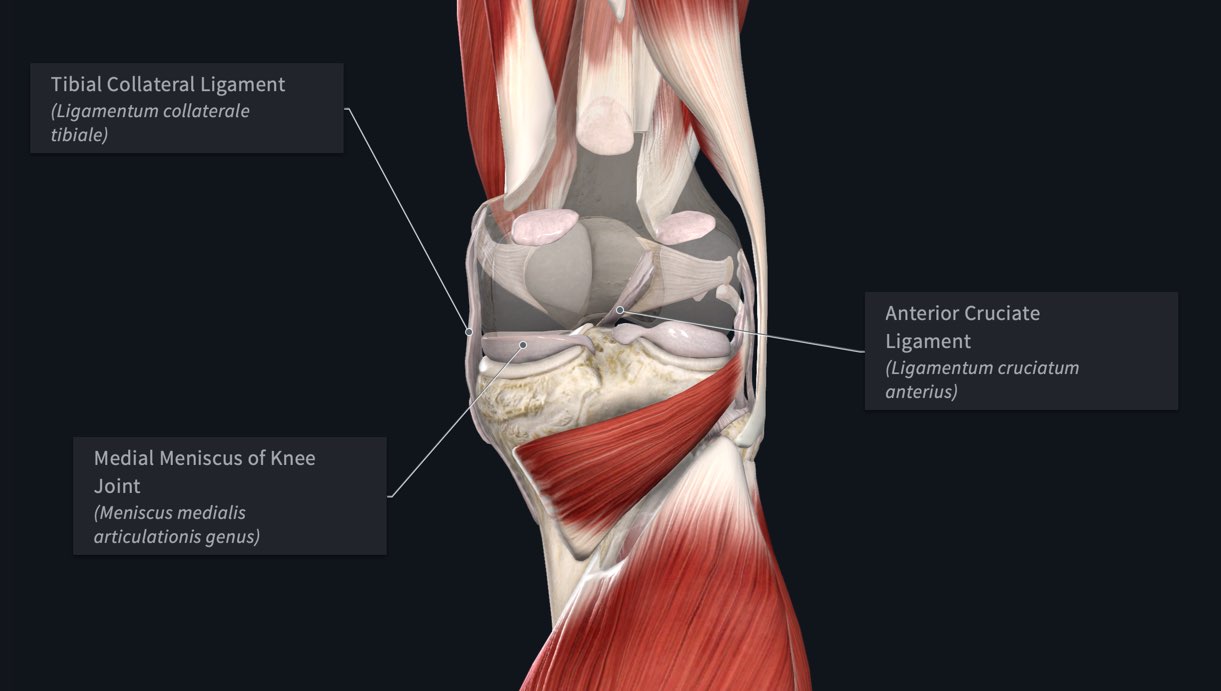
In the world of sports medicine, the “unhappy triad” refers to a devastating knee injury involving the simultaneous tearing of the ACL, MCL, and the medial meniscus. It is a catastrophic event that requires surgery, months of rehabilitation, and a fundamental shift in how an athlete approaches their physical health. In the world of personal finance, a similar “Unhappy Triad” exists. While it doesn’t involve ligaments or bone, it is equally destructive to a person’s long-term mobility—specifically, their upward financial mobility.
The Unhappy Triad of money is the convergence of three distinct but interconnected factors: high-interest consumer debt, chronic lifestyle creep, and a lack of liquid emergency reserves. When these three elements coexist, they create a systemic failure that prevents individuals from building wealth, regardless of how much they earn. Understanding this triad is the first step toward financial rehabilitation and long-term solvency.
Understanding the Unhappy Triad of Personal Finance
To the untrained eye, financial struggles are often blamed on a singular event—a job loss, a medical bill, or a market downturn. However, professional financial analysts and wealth managers recognize that most long-term financial stagnation is the result of a structural “Unhappy Triad.” This combination of factors creates a feedback loop that drains capital faster than it can be replenished.
Defining the Core Elements
The financial Unhappy Triad consists of High-Interest Debt, Lifestyle Creep, and Liquidity Scarcity. Individually, these are hurdles; together, they are a wall. High-interest debt (typically credit cards) acts as a parasite on your monthly cash flow. Lifestyle creep ensures that as your income grows, your expenses grow in lockstep, leaving your net savings rate at zero. Finally, a lack of liquidity means that any minor inconvenience—a flat tire or a broken appliance—forces you back into the arms of high-interest debt, restarting the cycle.
Why the Triad is More Dangerous Than Individual Challenges
The danger of the Unhappy Triad lies in its synergy. If you have debt but also have a high savings rate, you can pay it off quickly. If you have no emergency fund but have zero debt, you have “dry powder” and credit capacity to handle a crisis. However, when you combine high expenses (lifestyle creep) with high debt and no cash, you are living on a knife’s edge. This state of “fragility” means you are one paycheck away from a total collapse. It creates a psychological burden of stress that often leads to poor decision-making, further cementing the triad’s hold on your economic life.
The First Pillar: The Debt Trap and High-Interest Obligations
The most visible component of the Unhappy Triad is high-interest consumer debt. In the current economic climate, interest rates on credit cards and personal loans have surged, making it mathematically impossible for many to pay down their balances while only making minimum payments. This is the “interest trap,” where your capital is used to service the bank’s profits rather than build your own equity.
The Psychology of Compounding Debt
Compounding is often called the eighth wonder of the world when it works in your favor through investing. However, in the context of the Unhappy Triad, compounding is a weapon used against you. When you carry a balance at a 20% or 25% APR, you are effectively paying a “tax” on your future self. Most people do not realize that consumer debt is often an emotional decision manifested in a financial statement. We use debt to bridge the gap between our current reality and our desired lifestyle, but the interest ensures that the gap only grows wider over time.
Strategies to Dismantle Interest-Heavy Liabilities
To break the first pillar of the triad, one must adopt a clinical approach to debt repayment. This usually involves two primary methodologies: the Debt Snowball and the Debt Avalanche. The Snowball method focuses on psychological wins by paying off the smallest balances first to build momentum. The Avalanche method focuses on mathematical efficiency by targeting the highest interest rates first. Regardless of the choice, the goal is to stop the “bleed.” Without eliminating high-interest debt, any attempt at investing is essentially like trying to fill a bucket with a massive hole in the bottom.
The Second Pillar: Lifestyle Creep and the Erosion of Surplus

Lifestyle creep, or “lifestyle inflation,” is perhaps the most insidious member of the Unhappy Triad because it feels like a reward. It is the phenomenon where your standard of living increases as your income increases. You get a 10% raise, and suddenly you feel you “need” a more expensive car, a larger apartment, or more frequent luxury dining experiences.
When Earnings Outpace Financial Intelligence
The tragedy of lifestyle creep is that it affects high-income earners just as much as those in the middle class. We see “HENRYs” (High Earners, Not Rich Yet) who make $250,000 a year but have a net worth of zero because their overhead matches their take-home pay. When your lifestyle expands to swallow every new dollar you earn, you remain in a perpetual state of “working for your bills.” You have increased your comfort, but you haven’t increased your freedom.
Maintaining the “Wealth Gap” Between Income and Spending
The secret to escaping the second pillar of the triad is to consciously maintain a “Wealth Gap.” This is the spread between what you earn and what you spend. Wealth is not built on what you make; it is built on what you keep. Professional wealth management suggests that as your income rises, you should keep your expenses relatively stagnant or increase them at a much slower rate than your earnings. By “hiding” your raises from yourself—automatically diverting them into investments or debt repayment—you neutralize lifestyle creep before it can take root.
The Third Pillar: The Absence of a Liquidity Safety Net
The final component of the Unhappy Triad is the lack of liquidity. In financial terms, liquidity is the ease with which an asset can be converted into cash without affecting its market price. For an individual, this means having an emergency fund. Without this safety net, you are structurally vulnerable.
The Vulnerability of the Asset-Rich, Cash-Poor
Many people make the mistake of putting all their money into illiquid assets—like a home or a retirement account with withdrawal penalties—while having no “ready cash.” This makes them “asset-rich but cash-poor.” When an emergency strikes, they cannot easily access their wealth. They are forced to either take out a high-interest loan (triggering the first pillar) or sell assets at a loss. The Unhappy Triad thrives in the absence of a buffer. A lack of liquidity is the catalyst that turns a minor inconvenience into a major financial disaster.
Building a Resilient Emergency Fund in a Volatile Economy
A resilient financial plan requires at least three to six months of essential living expenses kept in a high-yield savings account or a money market fund. This is not “lazy money” that isn’t working for you; it is “insurance money” that protects your investments. Having this liquidity allows you to remain calm during market volatility and avoid the “debt-panic-repay” cycle that characterizes the Unhappy Triad.
Breaking the Cycle: Integrated Wealth Strategies
Overcoming the Unhappy Triad requires more than just a budget; it requires a paradigm shift in how you view money. You must transition from a defensive posture, where you are constantly reacting to bills and crises, to an offensive posture, where your money is a tool for expansion.
Automated Systems for Financial Freedom
The most effective way to combat the triad is to remove human emotion from the equation through automation. Set up “pay yourself first” systems where a portion of your paycheck is diverted to debt repayment or savings before it ever hits your checking account. This makes lifestyle creep physically more difficult to execute and ensures that your liquidity grows consistently. If you don’t see the money, you are less likely to spend it on depreciating assets or lifestyle upgrades.

Shifting from a Defensive to an Offensive Money Mindset
Ultimately, the Unhappy Triad is a trap of the present. Debt pays for the past, and lifestyle creep pays for the current moment. Neither pays for the future. By dismantling these three pillars, you shift your focus to the “Happy Triad”: Low or manageable debt, a wide margin between income and expenses, and robust liquidity for opportunities.
True financial independence is the ability to walk away from a job you dislike or a situation that no longer serves you. You cannot do that while being held captive by the Unhappy Triad. By recognizing the synergy between debt, spending, and a lack of cash, you can begin the necessary “rehab” to restore your financial health and build a legacy of lasting wealth.
aViewFromTheCave is a participant in the Amazon Services LLC Associates Program, an affiliate advertising program designed to provide a means for sites to earn advertising fees by advertising and linking to Amazon.com. Amazon, the Amazon logo, AmazonSupply, and the AmazonSupply logo are trademarks of Amazon.com, Inc. or its affiliates. As an Amazon Associate we earn affiliate commissions from qualifying purchases.