
In the realm of homeownership and property valuation, the garage is more than just a place to store vehicles; it’s a functional extension of a home’s living space. For many, a two-car garage represents the standard, offering convenience and ample storage. However, the definition of “typical” can be surprisingly fluid, influenced by a multitude of factors from architectural trends to local building codes. Understanding the standard dimensions of a two-car garage is crucial for homeowners planning renovations, purchasing vehicles, or simply optimizing their storage solutions. This exploration delves into the typical sizes, the variables that influence them, and the practical implications for your automotive and storage needs.

The Baseline Dimensions: Standard Two-Car Garage Sizes
When discussing a “typical” two-car garage, a common set of dimensions emerges, established by years of construction practices and homeowner expectations. These baseline figures provide a solid starting point for understanding what to expect.
Minimum Viable Dimensions for Two Vehicles
The most fundamental requirement for a two-car garage is the ability to comfortably house two standard-sized vehicles. This dictates a minimum width that allows for sufficient clearance between cars, as well as space for opening doors.
- Width: The generally accepted minimum width for a two-car garage is 20 feet. This measurement typically spans from the interior wall to the interior wall. This 20-foot span aims to provide approximately 10 feet of width per vehicle, which is often considered the bare minimum for parking two cars side-by-side without them touching and allowing for some maneuverability.
- Depth: The typical minimum depth for a two-car garage is 20 feet. This depth ensures that both vehicles can fit entirely within the garage space, from the garage door to the back wall, without encroaching on valuable storage areas or requiring cars to be parked at an angle.
- Height: While not always the primary consideration for the “size” in terms of parking, ceiling height is important for accessibility and potential storage solutions. A standard ceiling height for a garage is typically 8 feet. This allows for the comfortable opening of most vehicle doors and accommodates common garage storage racks and shelving systems.
The “Comfortable” Two-Car Garage
While the minimum dimensions allow for parking, they can feel cramped. Many homeowners opt for or are accustomed to garages with slightly more generous dimensions that offer enhanced usability and comfort.
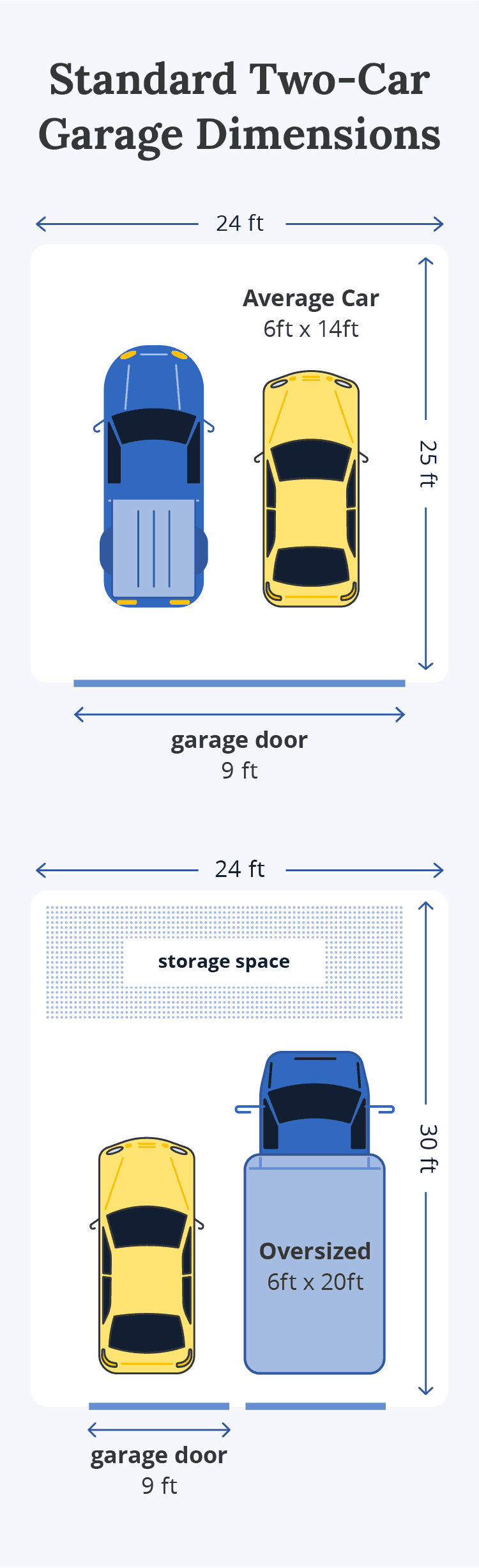
- Expanded Width: A more comfortable width for a two-car garage often starts at 24 feet. This provides approximately 12 feet of width per vehicle. This extra 2 feet per car makes a significant difference, allowing for easier ingress and egress, reducing the risk of door dings, and providing more flexibility for parking larger vehicles such as SUVs or trucks. It also allows for more room to walk around the vehicles.
- Increased Depth: Similarly, an increased depth, often to 22 to 24 feet, provides more usable space at the rear of the garage. This extra depth is invaluable for storage. It can accommodate workbenches, shelving units, lawn equipment, bicycles, or other household items without impeding the parking of the vehicles.
- Enhanced Height: For those with taller vehicles (like large SUVs or vans) or those planning extensive overhead storage solutions, a ceiling height of 9 or 10 feet can be highly beneficial. This provides ample clearance for taller vehicles and opens up possibilities for robust overhead storage systems.
Factors Influencing Garage Size
The “typical” size of a two-car garage is not a rigid standard but rather a flexible guideline influenced by various contributing factors. Understanding these elements can shed light on why variations exist and what might be considered standard in different contexts.
Architectural Design and Home Size
The design of a house and its overall footprint often dictate the size of the attached or detached garage. Larger, more luxurious homes tend to feature larger garages, reflecting the owners’ potential need for more vehicle storage or extensive workshop and storage spaces.
- Integration with Home Layout: When a garage is attached to a home, its dimensions may be influenced by the overall architectural style and the layout of the adjacent rooms. Builders often aim for proportional garage sizes that complement the house’s aesthetic and functional flow. A grand entryway might necessitate a wider garage door and a more substantial garage structure.
- Luxury and Custom Builds: In higher-end homes and custom builds, garages often exceed standard dimensions significantly. These may feature three-car or even four-car widths, extended depths for specialty vehicles (like RVs or boats), and dedicated workshop areas. While these are not “typical” two-car garages, they reflect the increasing trend towards garages as extensions of living and hobby spaces.
- Builder Practices and Market Trends: The building industry itself has norms. Over time, what was once considered a large garage can become the new standard as consumer expectations evolve and builders adapt to market demands for more spacious living and storage solutions.
Local Building Codes and Regulations
Building codes exist to ensure safety, structural integrity, and functionality. While they may not always specify exact garage dimensions for every scenario, they often set minimum requirements that indirectly influence typical sizes.
- Minimum Clearances: Building codes often mandate minimum clearances around garage doors for safety and accessibility. They might also have regulations concerning the distance between vehicles parked inside, especially if the garage is also considered a habitable space or has direct access to the home.
- Setback Requirements: Local zoning ordinances dictate how far structures must be from property lines. These setback requirements can limit the maximum width or depth of a detached garage, influencing its proportion and design.
- Accessibility Standards: In some regions, building codes may include provisions for accessibility, which could necessitate wider garage door openings or increased interior space to accommodate individuals with mobility aids.
Vehicle Types and Owner Needs
The primary purpose of a garage is to house vehicles, and the size and type of vehicles owned by a household are a significant determinant of garage size.
- Standard Sedans vs. Larger Vehicles: The distinction between parking two compact sedans versus two large SUVs or pickup trucks is substantial. The latter requires considerably more width and depth to avoid contact and allow for easy entry and exit. A garage designed for two large trucks will inherently be larger than one intended for two small cars.
- Specialty Vehicles: Owners with motorcycles, classic cars, boats, or RVs will require garages that are either wider, deeper, or taller than a standard two-car configuration. While these are not strictly “two-car” garages, the desire to accommodate such vehicles might lead to custom builds that start with a two-car footprint and are then expanded.
- Storage and Workshop Requirements: Beyond parking, many homeowners utilize their garages for storage of tools, recreational equipment, seasonal items, and even as a workshop. The amount of desired storage or workspace directly correlates to the needed depth and width of the garage, often pushing it beyond the minimum requirements.
Practical Implications and Considerations
Understanding the typical sizes of two-car garages has direct practical implications for homeowners, from making purchasing decisions to optimizing existing spaces.
Purchasing Vehicles and Ensuring Fit
When considering a new vehicle, especially if you have a garage with known dimensions, it’s essential to confirm that it will fit comfortably.
- Vehicle Dimensions: Always check the exterior dimensions of a vehicle, including its length, width (including mirrors), and height. Compare these to your garage’s interior dimensions. Don’t forget to factor in the additional space needed for opening doors and for maneuvering.
- Parking Strategy: For tighter garages, consider how you will park. Will one car be pulled in further than the other? Will you need to park at a slight angle? While not ideal for maximizing space, this can be a necessity in some situations.
- Future Needs: If you anticipate acquiring larger vehicles in the future or have evolving storage needs, it might be prudent to consider a garage that offers slightly more space than your immediate requirements.
Optimizing Storage within a Two-Car Garage
Even a spacious two-car garage can become cluttered. Strategic storage solutions are key to maximizing its utility.
- Vertical Storage: Utilize the height of your garage with wall-mounted shelving, overhead storage racks, and ceiling-mounted systems. This frees up valuable floor space.
- Organization Systems: Invest in tool chests, cabinets, pegboards, and modular storage systems to keep items organized and easily accessible. Designating specific zones for different types of items (e.g., gardening tools, sports equipment) can significantly improve efficiency.
- Smart Garage Door Openers: Modern garage door openers often come with features like built-in LED lighting, smart connectivity (allowing control via smartphone), and even battery backup, enhancing both convenience and functionality. Some advanced systems can even integrate with smart home platforms.
Garage Renovations and Additions
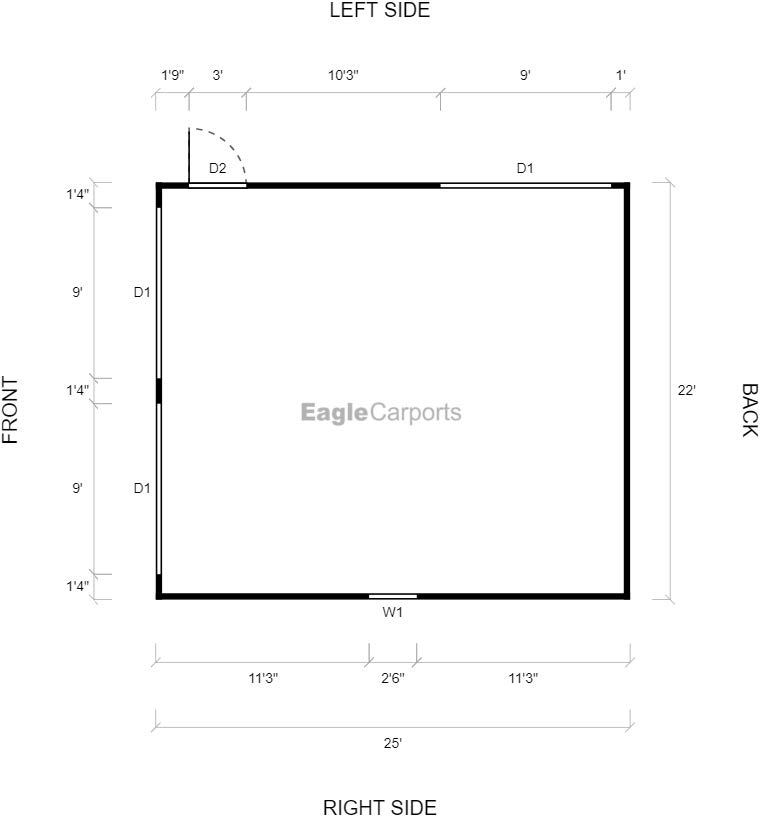
When undertaking garage renovations or planning an addition, accurate measurements and an understanding of typical sizes are paramount.
- Planning for Expansion: If you’re considering expanding your existing garage, consult with contractors and architects. They can help you navigate building codes, structural considerations, and design options that align with your budget and needs.
- Cost Considerations: The size of a garage is a significant factor in its construction or renovation cost. Larger dimensions, more complex designs, and specialized materials will all contribute to a higher overall expense.
- Return on Investment: While a larger or more functional garage can be a significant investment, it can also add considerable value to a property, both in terms of market appeal and practical utility.
In conclusion, the typical size of a two-car garage generally ranges from 20×20 feet for minimal functionality to 24×24 feet for greater comfort and storage. However, these are guidelines, and actual dimensions can vary based on architectural design, local regulations, and the specific needs of the homeowner, particularly concerning vehicle types and storage requirements. A well-designed and appropriately sized garage is a valuable asset, enhancing the functionality and livability of a home.
aViewFromTheCave is a participant in the Amazon Services LLC Associates Program, an affiliate advertising program designed to provide a means for sites to earn advertising fees by advertising and linking to Amazon.com. Amazon, the Amazon logo, AmazonSupply, and the AmazonSupply logo are trademarks of Amazon.com, Inc. or its affiliates. As an Amazon Associate we earn affiliate commissions from qualifying purchases.