
The Corporate Blueprint: Decoding the TVA’s Organizational Identity
In the narrative architecture of the Loki series, the Time Variance Authority (TVA) functions less as a mystical force and more as a masterclass in hyper-bureaucratic corporate identity. While the show presents the TVA as a metaphysical monitor of the “Sacred Timeline,” from a branding and organizational design perspective, it serves as the ultimate case study in totalizing institutional culture. The TVA is not merely an agency; it is a brand that has successfully weaponized mission statements, visual identity, and operational silos to enforce a monolithic reality.
The Power of Aesthetic Branding
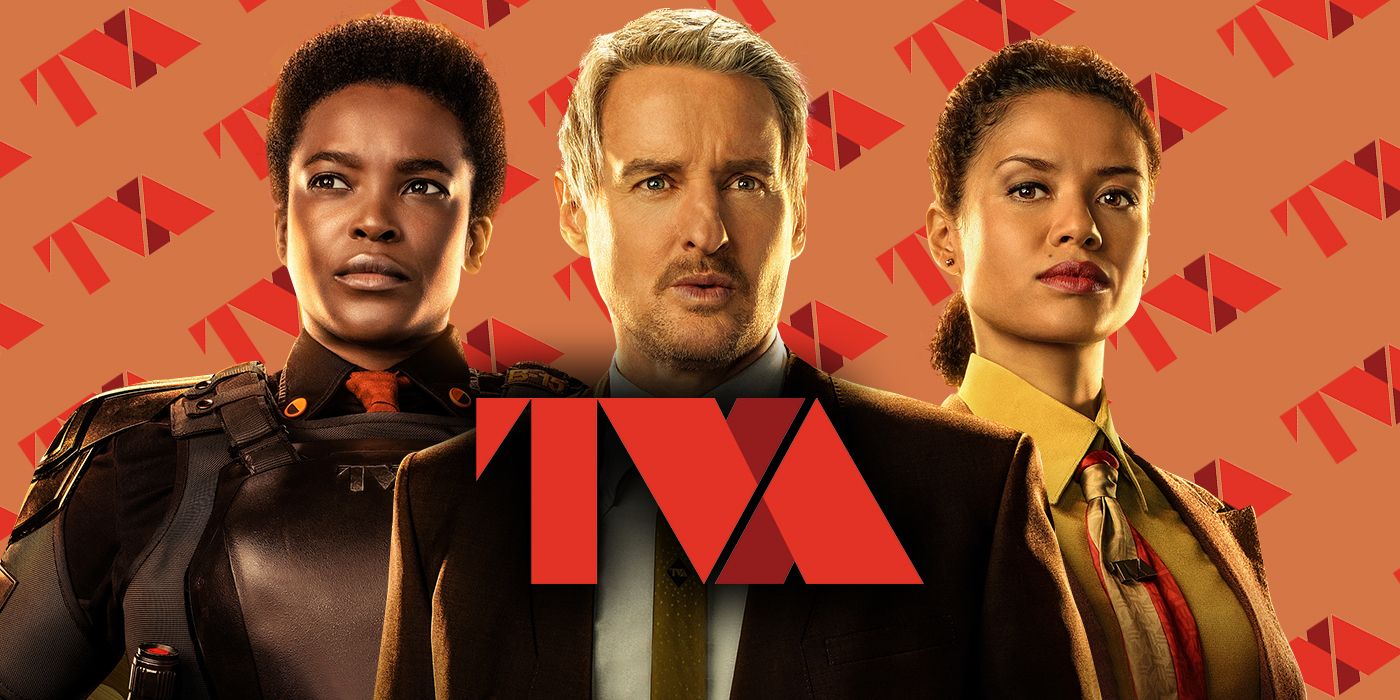
The TVA’s visual identity—a mid-century modern aesthetic defined by clashing oranges, browns, and brutalist industrial architecture—is a deliberate strategic choice. In brand management, this is known as “cohesive environmental design.” The TVA doesn’t just manage time; it brands it. By forcing every inhabitant and “Variant” into a specific uniform and surrounding them with consistent, mid-century retro-futuristic iconography, the organization asserts total control over the perception of reality. The brand is designed to feel permanent, established, and immutable.
Internal Communication as a Control Mechanism
The TVA relies on a rigid system of internal communication, exemplified by its instructional videos, posters, and the ubiquitous presence of Miss Minutes. This is the zenith of corporate messaging. Miss Minutes acts as the organization’s mascot—a brand ambassador who softens the edges of a draconian regime. By utilizing an approachable, animated interface, the TVA lowers the psychological defenses of its employees and detainees alike, masking the brutality of “pruning” timelines with a veneer of administrative necessity.
Operational Silos and the Illusion of Purpose
Every organization, whether in the private sector or the TVA, struggles with the alignment of individual employee roles and the overarching corporate objective. The TVA presents an extreme version of departmentalization, where employees like Mobius M. Mobius are confined to specific workflows, effectively preventing cross-functional insight that might lead to an existential crisis.
The Architecture of Specialization
The TVA is structured around extreme vertical integration. Analysts, Hunters, and Minutemen all operate within distinct silos. This specialization is a classic management strategy intended to maintain operational efficiency while obscuring the “Big Picture.” By compartmentalizing the knowledge of what the TVA actually is—and who created it—the leadership ensures that no single employee can challenge the foundational strategy of the organization.
Culture vs. Compliance
Within the halls of the TVA, culture is entirely secondary to compliance. The “Time-Keepers,” as the purported figureheads of the organization, act as the board of directors. Even when the employees learn that the reality of their mission is a fabrication, the inertia of the organizational culture—the manual of procedures, the filing systems, and the daily grind—keeps them in check. The TVA proves that once a corporate culture is deeply embedded, it becomes self-sustaining, even in the absence of a legitimate purpose.

Strategic Pivot: When the Brand Collapses
The most compelling aspect of the TVA from a business development standpoint is its response to crisis. When the “Sacred Timeline” is breached and the brand’s core promise—absolute order—is invalidated, the organization faces a critical strategic pivot. We see this in the series as the hierarchy begins to fray, revealing that the “brand” was essentially a monopoly built on a lie.
The Risk of Institutional Truths
In corporate strategy, an “Institutional Truth” is a belief that everyone within an organization accepts as fact, often without evidence. For the TVA, the truth was that the Time-Keepers established order. When that truth is exposed as a fallacy, the organization suffers a total collapse of authority. This mirrors real-world corporate scandals where a company’s identity is tied to a fraudulent premise. Once the narrative shift occurs, the TVA must either adapt its core values or risk total obsolescence.
Adaptive Resilience
Loki’s trajectory within the TVA highlights the difficulty of rebranding from within. As the protagonist disrupts the internal workflow, he forces the organization to confront its own redundancy. The tension in the series stems from the conflict between the TVA’s desire for stability and the reality of an evolving, chaotic marketplace (the Multiverse). For any organization, the lesson is clear: when the external environment becomes too volatile, the old branding, if it remains rigid, will inevitably break.
Future-Proofing and the Multiverse Challenge
The final evolution of the TVA within the show is its transition from a rigid enforcer to a custodian of expansion. This represents the ultimate challenge in corporate growth strategy: scaling a system designed for stability in a context that requires infinite growth and variation.
Moving Beyond the “Sacred” Model
The “Sacred Timeline” represented a monopolistic business model. It was designed to control the entire market and eliminate all competition (Variants). However, the natural progression of the series forces the TVA to adopt a more decentralized, pluralistic approach. This is akin to a company shifting from a restrictive, proprietary model to an open-source, collaborative ecosystem. The TVA is forced to learn that managing a multi-faceted reality requires flexible infrastructure rather than top-down decree.
Legacy and Transformation
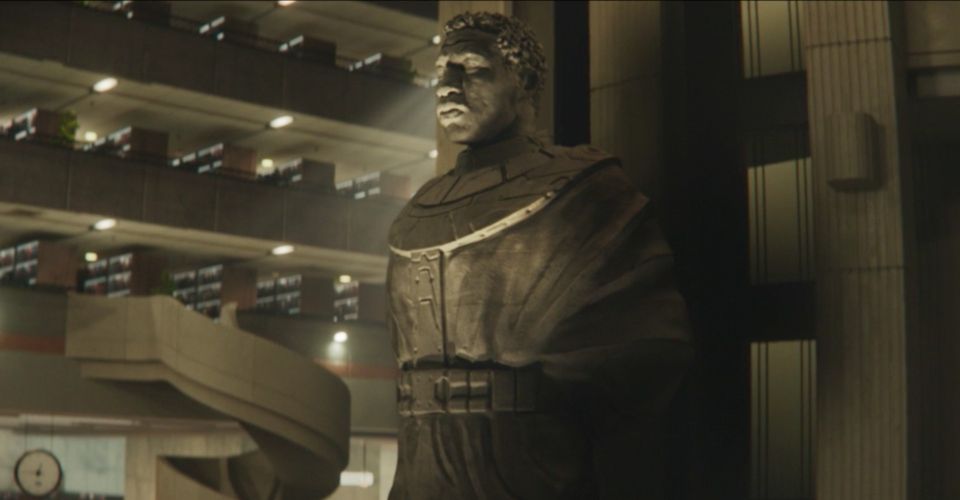
The transition of the TVA from a vessel of control to an institution that manages the stability of a vast, interconnected network is a masterclass in organizational metamorphosis. By allowing the “Multiverse” to exist, the TVA stops being a prison and starts being a framework—a vital distinction in the life cycle of any long-term institution. It moves from managing “what is” to facilitating “what could be.”
This evolution serves as a reminder that the most successful organizations are not those that enforce the status quo, but those that build the systems capable of sustaining innovation, even when that innovation threatens the original business model. The TVA, for all its bureaucratic coldness, ultimately succeeds only when it abandons its original, restrictive branding and embraces the chaotic reality it was designed to destroy. In the end, the most powerful brand is the one that allows its environment to grow without needing to control every outcome.
aViewFromTheCave is a participant in the Amazon Services LLC Associates Program, an affiliate advertising program designed to provide a means for sites to earn advertising fees by advertising and linking to Amazon.com. Amazon, the Amazon logo, AmazonSupply, and the AmazonSupply logo are trademarks of Amazon.com, Inc. or its affiliates. As an Amazon Associate we earn affiliate commissions from qualifying purchases.