
Bone spurs in the neck, medically known as cervical osteophytes, have traditionally been viewed through the lens of aging and physical wear. However, as the digital age progresses, the “treatment” for this condition is no longer limited to manual physical therapy or conventional open surgery. Today, the intersection of healthcare and technology—often referred to as HealthTech—is redefining the patient journey. From artificial intelligence (AI) used in early detection to robotic-assisted precision surgery, the landscape of treating bone spurs is being reshaped by cutting-edge innovations.
This article explores how technology is revolutionizing the diagnosis, management, and surgical treatment of cervical bone spurs, highlighting the gadgets, software, and digital trends currently leading the charge in spinal health.

1. AI-Driven Diagnostics and Advanced Imaging Software
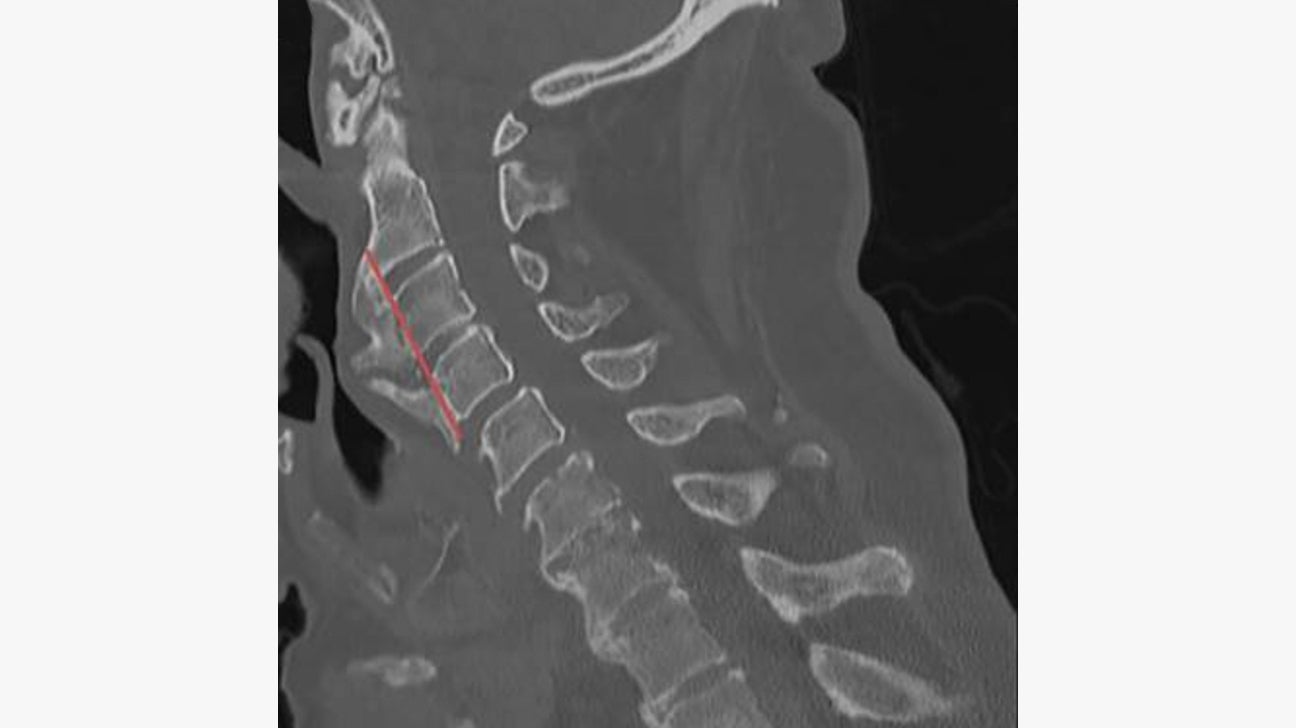
The first step in treating any spinal condition is an accurate diagnosis. In the past, identifying a bone spur required a radiologist to manually review X-rays or MRI scans. Today, the integration of artificial intelligence and machine learning into diagnostic imaging is significantly increasing both the speed and accuracy of these assessments.
Machine Learning in Radiology
AI algorithms are now being trained on millions of clinical images to recognize the earliest signs of bone spur formation. These “Deep Learning” models can detect subtle changes in bone density and structure that might be invisible to the human eye during a routine screening. By identifying cervical osteophytes in their nascent stages, technology allows for early intervention, often preventing the need for invasive procedures later in life. Companies are developing CAD (Computer-Aided Detection) software that highlights potential problem areas for radiologists, reducing the margin of human error and ensuring that treatment plans are based on precise data.
3.D Modeling and Pre-Surgical Visualization
One of the most significant leaps in spine tech is the transition from 2D slices to 3D reconstructions. Advanced software can now convert standard CT scans into interactive 3D models of a patient’s neck. This allows surgeons to “walk through” the patient’s anatomy before ever entering the operating room. Using these models, doctors can pinpoint exactly where a bone spur is impinging on a nerve or the spinal cord, allowing for a highly customized treatment strategy. This level of digital twin technology ensures that the treatment is as minimally invasive as possible, targeting only the problematic growth while preserving healthy tissue.
2. Robotic-Assisted Surgery and Precision Engineering
When conservative treatments fail, surgical removal of bone spurs (a procedure known as a foraminotomy or laminectomy) becomes necessary. The technology used in these operations has evolved from traditional manual tools to high-tech robotic systems that offer sub-millimeter precision.
Precision Navigation Systems
Modern operating rooms are now equipped with surgical navigation systems that function similarly to GPS for the human body. By syncing real-time imaging with the surgeon’s movements, these systems provide a live digital map of the cervical spine. When removing a bone spur in the neck—an area crowded with vital nerves and arteries—this technological oversight is a game-changer. It allows surgeons to operate through smaller incisions, leading to faster recovery times and less post-operative pain for the patient.
Robotic Arms and Ultrasonic Tools
Robotic-assisted platforms, such as the Mazor X or the Da Vinci system, are increasingly being adapted for spinal procedures. These robots do not replace the surgeon but act as a highly stabilized extension of their hands. Furthermore, the “treatment” hardware itself has seen a tech upgrade. Traditional bone drills are being replaced by ultrasonic bone-cutting tools. These devices use high-frequency vibrations to cut through the hard bone spur while leaving soft tissues, such as nerves and blood vessels, completely unharmed. This selective cutting technology is a cornerstone of modern tech-driven spine care.
3. Wearable Technology and Digital Therapeutics
For many, the treatment for bone spurs involves long-term management rather than immediate surgery. This is where the world of “Internet of Medical Things” (IoMT) and wearable devices comes into play. Technology is empowering patients to treat and manage their symptoms from the comfort of home.
Smart Posture Correctors and Biofeedback
“Tech neck”—the strain caused by looking down at mobile devices—is a leading contributor to the development of bone spurs. To combat this, a new generation of wearable sensors has emerged. These small devices, worn on the upper back or integrated into “smart” clothing, use haptic feedback (gentle vibrations) to alert the user when their neck alignment deviates from the optimal position. By using real-time data to correct posture, these gadgets act as a preventative treatment, reducing the mechanical stress that triggers the body to form bone spurs in the first place.
Telehealth and Remote Physical Therapy Apps
The rise of digital therapeutics (DTx) has transformed physical therapy. Specialized apps now use the camera on a smartphone or tablet to perform “computer vision” analysis of a patient’s movements. As the patient performs neck exercises designed to alleviate pressure from bone spurs, the software provides real-time corrections on their form. This ensures that the patient is receiving high-quality treatment without needing to visit a clinic daily. These platforms also collect data on range-of-motion improvements, which is then shared with their healthcare provider through secure cloud portals, creating a data-driven feedback loop.
4. The Horizon: Regenerative Tech and 3D Printed Implants
As we look toward the future of technology in treating bone spurs, the focus is shifting from simply removing the spurs to regenerating the damaged environment around them and using bespoke hardware to replace compromised structures.
Custom 3D-Printed Titanium Implants
In cases where a bone spur has caused significant disc degeneration, a discectomy and fusion might be required. The latest tech trend in this field is the use of 3D-printed titanium implants. Unlike traditional “off-the-shelf” cages, these implants are printed based on the specific dimensions of the patient’s vertebrae. They feature a porous architecture that mimics natural bone, encouraging the patient’s own bone cells to grow into the implant. This bio-digital integration ensures a more stable and long-lasting recovery.
Targeted Delivery and Nano-Technology
Research is currently underway into using nanotechnology to treat the inflammation associated with bone spurs. Scientists are developing “smart” nanoparticles that can be injected into the cervical area to deliver anti-inflammatory drugs directly to the site of the bone spur, triggered by specific biological markers. While still in the developmental phase, this represents the pinnacle of tech-based medical treatment: a non-invasive, molecular-level solution to a structural problem.

Conclusion: The Digital Transformation of Spinal Health
The treatment for bone spurs in the neck has officially moved beyond the era of “wait and see” or “major surgery.” We are entering an age where technology provides a multi-layered approach to spinal health. Through the power of AI diagnostics, surgeons are better informed; through robotic precision, operations are safer; and through wearable technology, patients are more proactive.
As these technology trends continue to evolve, the focus will increasingly shift toward personalization. Every patient’s spine is unique, and the digital tools now at our disposal allow for a level of customized care that was unimaginable a decade ago. Whether it is through an app that monitors your posture or a robotic arm that assists in a delicate procedure, technology is ensuring that bone spurs no longer have to be a permanent sentence of pain and limited mobility. The future of treating cervical osteophytes is digital, data-driven, and incredibly promising.
aViewFromTheCave is a participant in the Amazon Services LLC Associates Program, an affiliate advertising program designed to provide a means for sites to earn advertising fees by advertising and linking to Amazon.com. Amazon, the Amazon logo, AmazonSupply, and the AmazonSupply logo are trademarks of Amazon.com, Inc. or its affiliates. As an Amazon Associate we earn affiliate commissions from qualifying purchases.