
The question of “what is the tread depth of a new tire?” might seem straightforward, but delving into it reveals a surprising amount about manufacturing precision, safety standards, and the underlying technology that ensures our journeys are both smooth and secure. While the answer itself is a measurement, understanding its implications is crucial for any vehicle owner. This exploration isn’t just about a number; it’s about the engineering, the regulatory frameworks, and the economic considerations that dictate the performance and lifespan of a critical component of any vehicle.
The Science and Standardization of Tire Tread
Tire tread is far more than just decorative patterns. It’s a meticulously engineered system designed to provide grip, channel water, and withstand the rigors of the road. The depth of this tread is a fundamental characteristic, directly influencing a tire’s ability to perform its essential functions.
The Purpose and Function of Tire Tread
At its core, tire tread is designed to create friction between the tire and the road surface. This friction is what allows a vehicle to accelerate, brake, and steer effectively. Without adequate tread, a vehicle would simply spin its wheels, unable to move or control its direction.
The intricate patterns and grooves within the tread serve several vital purposes:
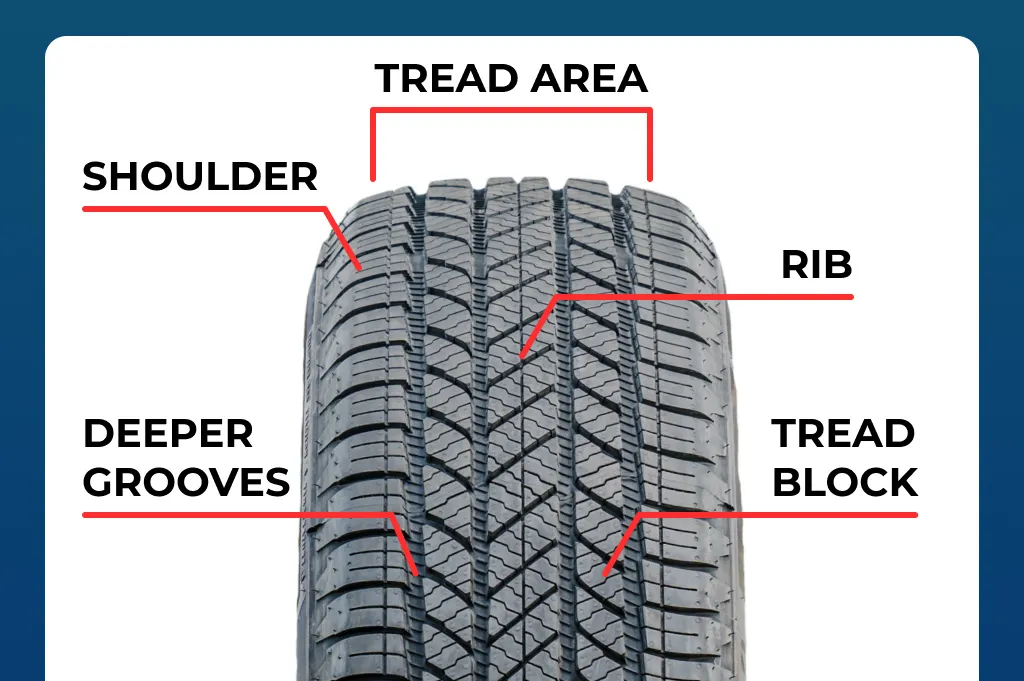
- Grip and Traction: The raised blocks and sipes (small slits) of the tread dig into the road surface, providing the necessary grip. This is especially important during acceleration and braking, where significant forces are applied.
- Water Evacuation: During wet conditions, the grooves act as channels to displace water from beneath the tire. This process, known as hydroplaning prevention, is critical for maintaining traction on slippery surfaces. Without effective water channeling, a thin film of water can lift the tire off the road, leading to a loss of control.
- Heat Dissipation: As tires rotate at high speeds, friction generates heat. The tread design, along with other tire components, plays a role in dissipating this heat, preventing premature wear and potential blowouts.
- Noise Reduction: Modern tire tread patterns are also designed to minimize road noise, contributing to a quieter and more comfortable driving experience. The arrangement and depth of tread elements can influence the frequencies and patterns of sound produced.
Measuring Tread Depth: The Standard Units
The depth of tire tread is almost universally measured in millimeters (mm) or in 32nds of an inch. While the metric system is prevalent globally, the imperial measurement in 32nds of an inch is still commonly used in some regions, particularly in North America.
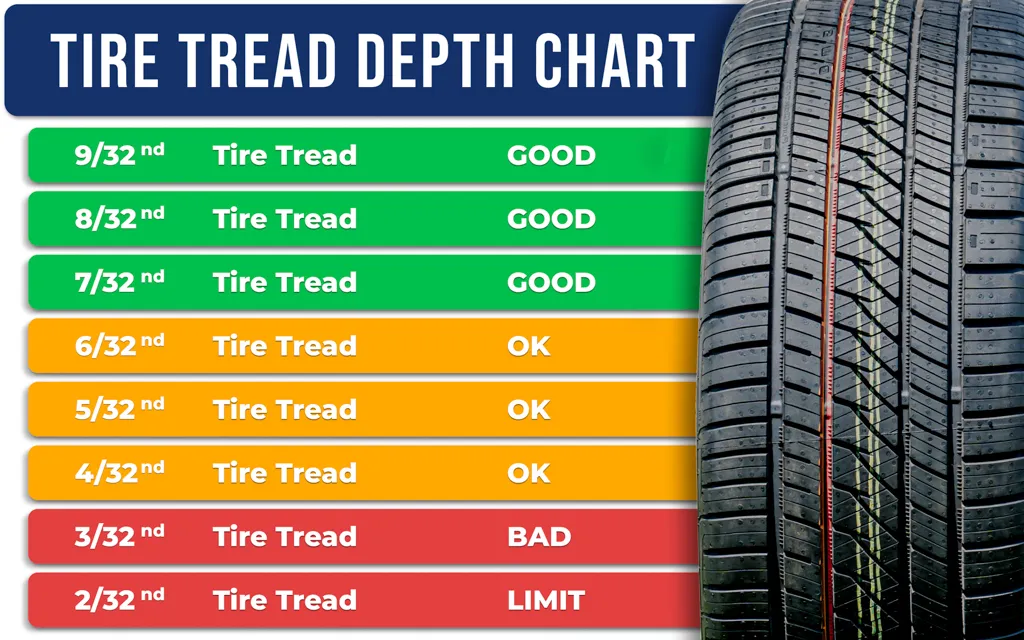
For example, a common tread depth for a new passenger car tire might be expressed as 8/32nds of an inch, which is equivalent to approximately 6.35 mm. High-performance tires or tires designed for heavy-duty applications might have deeper treads.
Regulatory Standards and Minimum Tread Depth
Governments and regulatory bodies worldwide have established minimum tread depth requirements for safety. These standards are in place to ensure that tires maintain sufficient grip and water evacuation capabilities throughout their usable life.
- Legal Minimums: In most countries, the legal minimum tread depth is typically around 1.6 mm (or 2/32nds of an inch). Driving with tread below this level is illegal and extremely dangerous, as the tire’s ability to grip and evacuate water is severely compromised.
- Optimal Performance: While 1.6 mm is the legal limit, most tire manufacturers and safety experts recommend replacing tires long before they reach this point. Performance significantly deteriorates as tread depth decreases, making even slightly worn tires less effective.
The standardization of tread depth measurements and legal minimums is a testament to the global recognition of tire safety as a paramount concern. It ensures a baseline level of performance, regardless of the tire’s origin or the vehicle it’s fitted to.
The Varied Tread Depths of New Tires: A Comprehensive Look
The precise tread depth of a new tire is not a single, universal figure. It varies depending on several factors, including the tire’s intended application, its manufacturer, and specific design choices. Understanding these variations provides insight into the nuanced engineering that goes into tire production.
Passenger Car Tires: The Everyday Standard
For the majority of vehicles on the road today – passenger cars, SUVs, and light trucks – new tires typically come with a tread depth ranging from 8/32nds of an inch (approximately 6.35 mm) to 11/32nds of an inch (approximately 8.73 mm).
This range is a carefully calculated compromise. Deeper tread provides longer life and better performance in adverse conditions, but it can also lead to slightly increased rolling resistance, which can impact fuel economy. Manufacturers aim for a depth that offers a good balance of longevity, performance, and efficiency for everyday driving scenarios.
- “All-Season” vs. “Summer” Tires: While the general range remains similar, there might be slight variations. All-season tires, designed for a wider range of conditions including light snow, may sometimes feature slightly deeper tread or more intricate siping to enhance grip in colder temperatures. Summer tires, focused on dry and wet grip in warmer climates, might have shallower tread depths but with larger, more robust tread blocks for maximum contact patch.
- “Performance” Tires: High-performance tires, often found on sports cars, may have a tread depth in the lower end of this range, sometimes as low as 7/32nds of an inch. This is because they prioritize immediate responsiveness and road feel, which can be achieved with a more rigid tread structure and less rubber to flex. However, this also means they might wear out faster and offer less capability in challenging conditions.
Truck and Heavy-Duty Tires: Built for Durability
Tires designed for commercial trucks, buses, and heavy-duty vehicles often have significantly deeper treads than passenger car tires. This is a necessity driven by the demanding nature of their use, which involves carrying heavy loads, covering vast distances, and often operating in harsh environments.
New truck tires commonly feature tread depths of 13/32nds of an inch (approximately 10.32 mm) to as much as 16/32nds of an inch (approximately 12.7 mm) or even more.
- Longevity and Retreading: The primary reason for this deeper tread is longevity. These tires are expected to last hundreds of thousands of miles. Furthermore, the deep tread allows for “retreading” – a process where the worn tread is removed and a new layer of tread is applied to the casing. This significantly extends the tire’s life and reduces costs for fleet operators.
- Load and Stress Resistance: The robust tread also contributes to the tire’s ability to withstand the immense pressures and stresses associated with heavy loads and constant operation.
Specialty Tires: Tailored to Unique Demands
Beyond mainstream passenger and commercial vehicles, a host of specialty tires cater to unique applications, each with its own typical tread depths.
- Off-Road Tires: Tires designed for extreme off-road use, such as mud-terrain or all-terrain tires for trucks and SUVs, often have very aggressive tread patterns with deep, widely spaced lugs. Their tread depth can be comparable to or even exceed that of heavy-duty truck tires, measured in the 14/32nds to 20/32nds of an inch range. This design prioritizes maximum traction in loose surfaces like mud, sand, and gravel.
- Winter/Snow Tires: While passenger winter tires generally fall within the 8-11/32nds range, they are specifically engineered with more sipes and often a deeper tread compound formulation designed to remain flexible in freezing temperatures, enhancing grip on snow and ice.
- Racing Tires: In stark contrast, competition racing tires (slick tires) have virtually no tread at all, designed for maximum contact with dry pavement. However, rain tires for racing do have grooves, but their tread depth is generally shallower than street tires, optimized for water evacuation at high speeds.
The diversity in tread depths reflects the specialized engineering and material science that goes into creating tires for every conceivable driving condition and purpose.
The Economic and Technological Drivers Behind Tread Depth
The tread depth of a new tire is not an arbitrary figure. It’s the result of a complex interplay between economic considerations, technological advancements, and regulatory requirements. Manufacturers must balance cost, performance, and lifespan to create a product that is both competitive and safe.
Manufacturing Costs and Material Science
The rubber compound used in tires is a sophisticated blend of natural and synthetic rubbers, carbon black, silica, and various other chemicals. The quantity of this material directly impacts the cost of production.
- Material Quantity: A deeper tread means more raw material is used, which directly translates to higher manufacturing costs per tire. Therefore, manufacturers must judiciously determine the optimal tread depth that provides sufficient lifespan and performance without making the tire prohibitively expensive.
- Compound Formulation: The actual rubber compound itself also plays a significant role. Softer compounds offer superior grip but wear out faster, while harder compounds last longer but may sacrifice some traction. The chosen compound, in conjunction with the tread depth, dictates the tire’s overall performance and longevity. Tire engineers spend considerable effort developing compounds that balance these often-competing properties.
- Energy Consumption: The manufacturing process of tires, including vulcanization (the process of curing rubber with heat and pressure), is energy-intensive. While not directly tied to tread depth itself, the overall efficiency of the manufacturing process influences the final cost and, consequently, the economies of scale that can dictate the amount of material allocated to tread depth.
Performance Expectations and Consumer Demand
Consumer expectations and the intended performance profile of a tire heavily influence its tread depth.
- Lifespan and Value: Most consumers desire tires that offer good mileage and a reasonable lifespan. A deeper tread generally equates to more miles driven before replacement, which is a key selling point. Manufacturers aim to provide a tread depth that aligns with the expected service life for that specific tire category.
- Fuel Efficiency: As environmental concerns and fuel costs become more prominent, manufacturers are increasingly focused on reducing rolling resistance. Deeper treads, especially those with more aggressive patterns, can sometimes contribute to higher rolling resistance, slightly impacting fuel economy. This leads to ongoing research and development in tread design and compound technology to optimize grip and wear without compromising efficiency.
- Driving Experience: As mentioned earlier, performance-oriented tires may have shallower treads to enhance steering response and road feel. Conversely, tires for harsher conditions might have deeper treads for improved durability and traction. The target market and its specific demands are a primary driver in setting the tread depth.
Technological Innovations and Tire Design
Advancements in materials science, manufacturing processes, and computer-aided design (CAD) have allowed for greater precision and optimization in tire tread design.
- Advanced Compounds: The development of advanced rubber compounds, such as those incorporating high-silica formulations, has enabled tires to achieve better grip and wear resistance simultaneously. This can allow for slightly shallower treads in some cases while maintaining or even improving performance metrics.
- Simulation and Modeling: Sophisticated computer modeling and simulation tools allow engineers to predict how a tire will perform under various conditions. This helps in optimizing tread patterns and depths for specific applications, reducing the need for extensive physical prototyping and testing.
- Manufacturing Precision: Modern tire manufacturing equipment ensures a high degree of precision, leading to consistent tread depths across all tires produced. This consistency is vital for balanced vehicle handling and predictable performance.
The tread depth of a new tire is a carefully considered specification, balancing the cost of materials, the demands of performance, and the advancements in technology to deliver a safe, durable, and effective product to the consumer.
Maintaining Your Tire’s Tread: Longevity and Safety
Understanding the initial tread depth of a new tire is only half the story. The true value of that depth lies in how well it’s maintained throughout the tire’s life. Proper care and attention to your tires can significantly extend their usability and ensure you benefit from their designed performance for as long as possible.
Regular Inspections: The First Line of Defense
Consistent visual inspection of your tires is the most crucial step in monitoring tread depth and overall tire health.
- Visual Checks: Make it a habit to quickly look at your tires before driving, or at least weekly. Look for any obvious signs of uneven wear, cuts, bulges, or embedded objects.
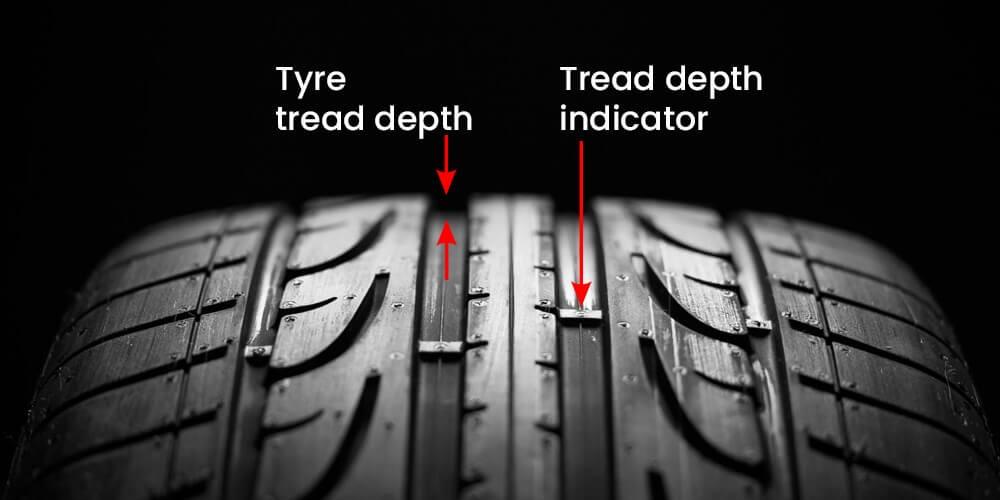
- Tread Wear Indicators (TWIs): Most tires have built-in Tread Wear Indicators (TWIs). These are small raised bars located in the bottom of the main grooves. When the tread wears down to the same level as the TWIs, it signifies that the tire has reached its legal minimum tread depth and should be replaced.
- Using a Tread Depth Gauge: For a more precise measurement, a dedicated tire tread depth gauge is an inexpensive and invaluable tool. It allows you to accurately measure the depth at multiple points across the tire, revealing any potential for uneven wear.
Factors Affecting Tread Wear
Several factors can accelerate the wear of your tire tread, diminishing its lifespan and performance prematurely.
- Underinflation and Overinflation: Both conditions lead to uneven and accelerated tread wear. Underinflated tires wear faster on the outer edges, while overinflated tires wear faster in the center. Maintaining the manufacturer-recommended tire pressure is paramount.
- Improper Wheel Alignment: Misaligned wheels can cause tires to drag or scuff against the road, leading to rapid and uneven wear patterns, often characterized by feathering or cupping.
- Unbalanced Tires: Tires that are out of balance can cause vibrations and uneven wear, particularly on the edges of the tread. Regular tire balancing during rotations helps prevent this.
- Aggressive Driving Habits: Hard acceleration, sharp braking, and taking corners at high speeds all put excessive stress on the tire tread, leading to faster wear.
- Road Conditions: Driving frequently on rough or abrasive surfaces can naturally lead to quicker tread wear.
The Importance of Tire Rotation and Balancing
Tire rotation and balancing are essential maintenance procedures that directly contribute to maximizing tread life and ensuring even wear.
- Tire Rotation: This involves moving tires from one position on the vehicle to another (e.g., front to back, side to side). This is done to ensure that all tires wear down evenly over time. Different positions on the vehicle experience different stresses and wear patterns. By rotating them, you equalize this wear, allowing all four tires to reach their full lifespan potential. It’s generally recommended to rotate tires every 5,000 to 7,500 miles, or as specified in your vehicle’s owner’s manual.
- Tire Balancing: As tires and wheels accumulate wear, small imbalances can develop. Tire balancing corrects these imbalances by adding small weights to the wheel rim. This ensures smooth rotation and prevents vibrations that can lead to uneven tread wear and potential damage to suspension components. Balancing is typically performed at the time of tire installation and whenever uneven wear or vibrations are detected.
By understanding the initial tread depth and actively participating in the maintenance of your tires, you not only ensure your safety on the road but also derive the maximum economic value from your tire investment. This proactive approach transforms a simple measurement into a cornerstone of responsible vehicle ownership.
aViewFromTheCave is a participant in the Amazon Services LLC Associates Program, an affiliate advertising program designed to provide a means for sites to earn advertising fees by advertising and linking to Amazon.com. Amazon, the Amazon logo, AmazonSupply, and the AmazonSupply logo are trademarks of Amazon.com, Inc. or its affiliates. As an Amazon Associate we earn affiliate commissions from qualifying purchases.