
When we examine the biomechanics of equine performance, we are essentially looking at a masterclass in biological engineering. Much like a high-performance vehicle designed for a specific purpose, the horse has evolved through selective breeding and natural adaptation to maximize kinetic output. Understanding the top speed of a horse requires moving beyond simple anecdotal observation and into the realm of physiological analysis, physics, and the intersection of speed with structural integrity.
The Physiology of Peak Velocity
To understand why a horse can reach the speeds it does, one must look at the musculoskeletal system as a complex array of levers and springs. The anatomy of a Thoroughbred, in particular, is optimized for short-to-medium-range explosive output.
Muscle Fiber Composition
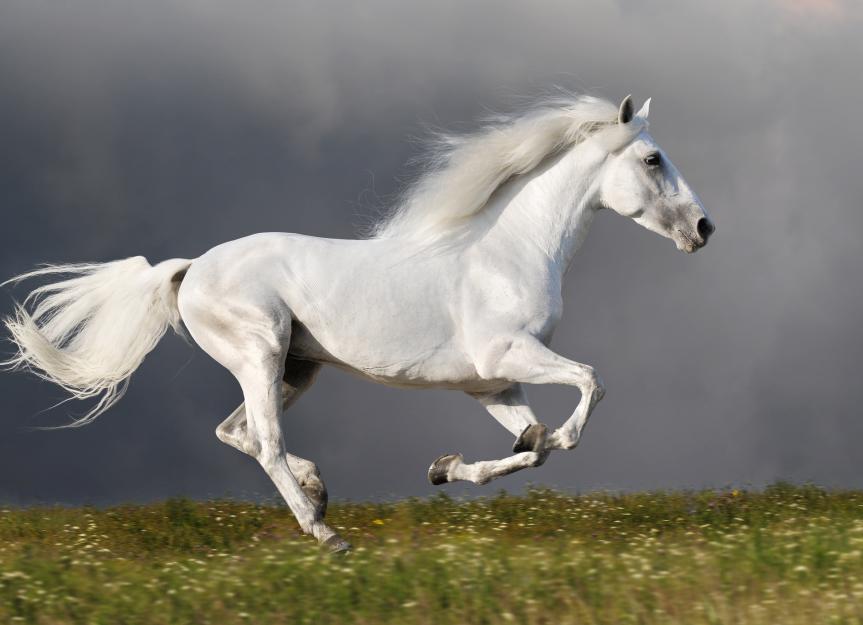
The primary driver of equine speed is the composition of muscle fibers. Horses possess a high percentage of Type IIb (fast-twitch) fibers, which are capable of generating massive amounts of force in very short intervals. These fibers allow for the rapid contraction necessary to propel a 1,000-pound animal at speeds exceeding 40 miles per hour. Unlike the sustained endurance of Type I fibers, which are prevalent in long-distance runners, the fast-twitch fibers in high-speed horses are designed for maximum power output at the cost of rapid fatigue.
Aerobic and Anaerobic Capacity
The cardiovascular system acts as the engine’s cooling and fueling mechanism. At full gallop, a horse’s heart rate can exceed 200 beats per minute. The ability to oxygenate muscle tissue under extreme load defines the limit of that speed. When a horse reaches its anaerobic threshold, it begins to rely on stored energy sources, which limits the duration of the top-speed sprint. Most horses can only maintain their maximum velocity for a relatively short window—typically between a quarter-mile and a half-mile—before lactic acid buildup necessitates a deceleration.
Quantifying Speed: The World Records and Data
When asking about the top speed of a horse, we must look at the empirical data provided by the racing industry, where precision timing is a multi-billion dollar standard.
The Guinness World Record
The current recognized world record for the fastest speed by a horse over a two-furlong distance is held by a Thoroughbred named Winning Brew, who clocked in at 43.97 miles per hour (70.76 km/h) at the Penn National Race Course in 2008. This figure serves as the gold standard for equine velocity. While individual bursts of speed in a shorter distance might technically be higher, 43.97 mph represents the verified ceiling of sustained sprint performance under race conditions.
Factors Influencing Speed Variance
The variance in speed is governed by a multitude of external and internal variables. Surface condition is paramount; a track that is too deep or too firm alters the energy return of the hoof strike. Furthermore, the rider’s weight and the horse’s own gait mechanics play crucial roles. A longer stride length, combined with a higher turnover rate, creates the velocity differential between an average horse and an elite sprinter.

Biomechanical Limitations and Structural Integrity
The pursuit of higher speeds in the equine world is constrained by the same laws of physics that govern all biological locomotion. As velocity increases, the forces exerted on the musculoskeletal structure increase exponentially.
The Impact of Concussive Force
Every time a horse hits top speed, its legs absorb a force equivalent to several times its own body weight. This is why the lower limb of a horse—which lacks large muscle groups—is so prone to injury. The tendons and ligaments function as elastic bands, storing and releasing potential energy. However, if the ground is uneven or the horse’s stride deviates from its natural axis, the stress on these structures can exceed their structural limit, leading to catastrophic failure.
The Energy Return Mechanism
The equine gallop is an asymmetrical gait where the horse is entirely suspended in the air at one point in the stride cycle. This “flight phase” is where the most energy is expended and where speed is gained. Efficient horses are those that waste the least amount of energy in vertical movement. A horse that keeps its center of gravity stable while maximizing its horizontal projection will always outperform a horse with excessive vertical oscillation. This is the difference between a powerhouse sprinter and a slower, less efficient galloper.
Breeding and Evolution: Designing for Performance
Much of the horse’s ability to reach these speeds is the result of centuries of intentional human intervention. The modern Thoroughbred, for instance, is the product of three foundation sires and a rigorous selective breeding program aimed solely at speed and stamina.
Selective Breeding for Velocity
Breeders look for specific physical markers: a deep chest cavity to house large lungs, a sloping shoulder to allow for a greater reach of the forelimbs, and strong hindquarters for the “engine” power. When we look at the genetics of speed, we are observing a narrowing of the gene pool to favor traits that provide a competitive advantage. This has created an animal that is essentially a high-precision machine, built specifically for the track.
The Future of Equine Performance
With the advent of high-resolution motion analysis and wearable sensor technology, the training of elite horses has become a data-driven science. Trainers now monitor stride frequency, ground contact time, and heart rate variability in real-time. This technological shift means that we are approaching the theoretical biological maximum of the species. While breeding continues to refine the horse’s capability, we are likely near the upper limit of what the current equine anatomy can sustain without risking injury.
The Intersection of Power and Control
At the end of the day, the top speed of a horse is not merely a number, but a complex synergy of biology, environment, and training. While 44 miles per hour stands as the benchmark for a sustained sprint, the true wonder lies in the fact that such a massive creature can coordinate its movements with such precision and power. The horse remains a testament to evolutionary design, refined by selective pressure into one of the most efficient modes of biological transportation in history.
As we look toward the future, the integration of biomechanical monitoring and advanced veterinary medicine will continue to ensure that these animals can reach their peak potential while minimizing the risks associated with such high-intensity physical output. Whether on the track or in the field, the horse continues to define our understanding of speed and grace in the natural world.
aViewFromTheCave is a participant in the Amazon Services LLC Associates Program, an affiliate advertising program designed to provide a means for sites to earn advertising fees by advertising and linking to Amazon.com. Amazon, the Amazon logo, AmazonSupply, and the AmazonSupply logo are trademarks of Amazon.com, Inc. or its affiliates. As an Amazon Associate we earn affiliate commissions from qualifying purchases.