
In the modern era of entertainment, a movie ticket is no longer just a scrap of cardstock intended to be torn by an usher. It has evolved into a sophisticated data point within a complex technological ecosystem. For AMC Theatres, the largest movie exhibition company in the world, the “ticket number” serves as the primary key in a massive relational database that connects a consumer’s financial transaction to a specific physical seat in a specific auditorium.
Understanding what the ticket number is, where to find it, and how the underlying technology processes it is essential for navigating today’s digital-first cinema experience. This article explores the technical architecture of AMC’s ticketing system, the security protocols involved in ticket verification, and the digital transformation of the movie-going process.
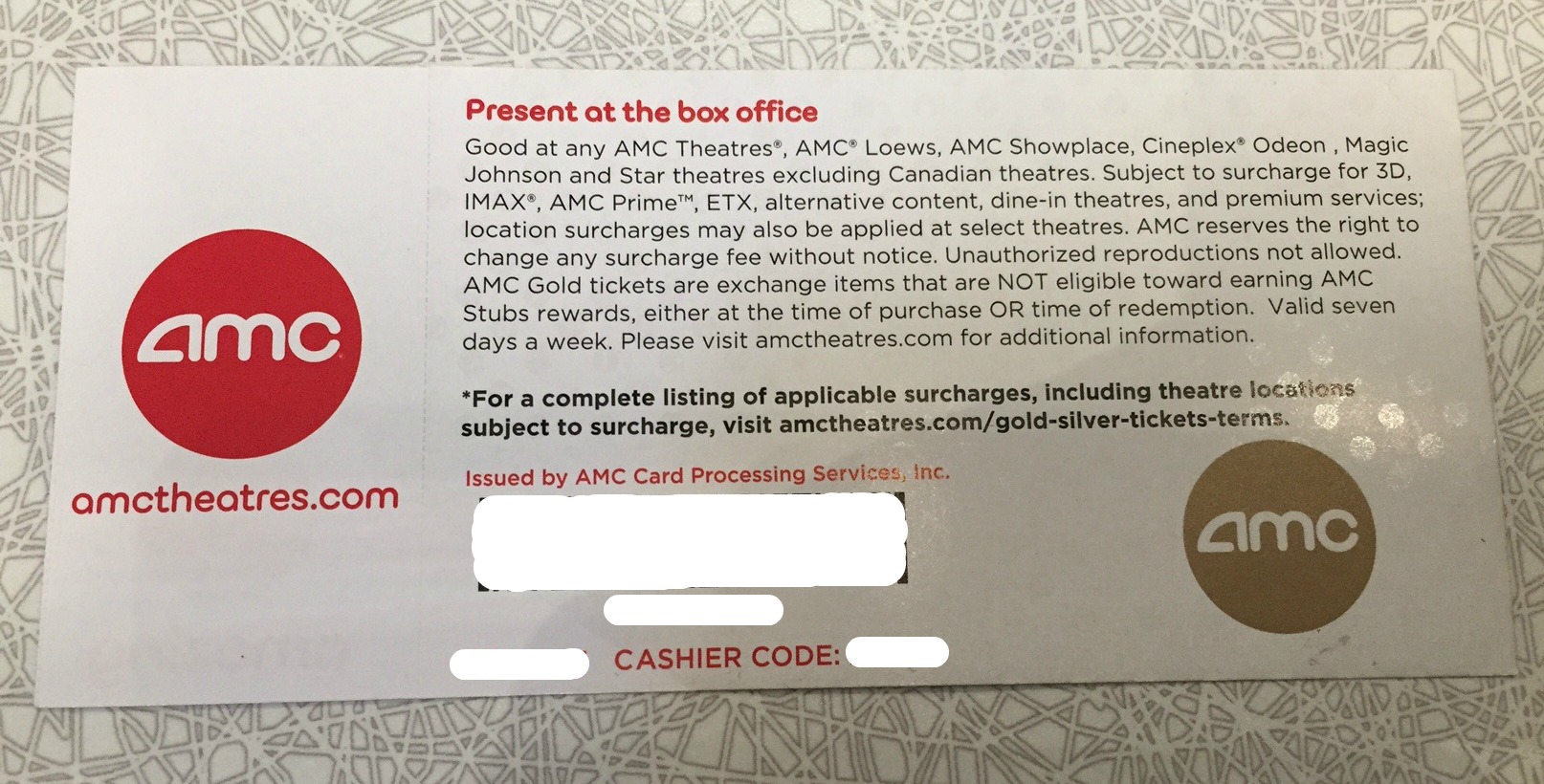
The Anatomy of a Digital Ticket: More Than Just a Random String
When you look at an AMC ticket—whether it is a physical printout from a kiosk or a digital version within the AMC mobile app—you are looking at a user interface for a complex set of backend data. The ticket number itself is the unique identifier that allows the theater’s software to pull your specific reservation from the cloud.
Identifying the Unique Identifier (UID)
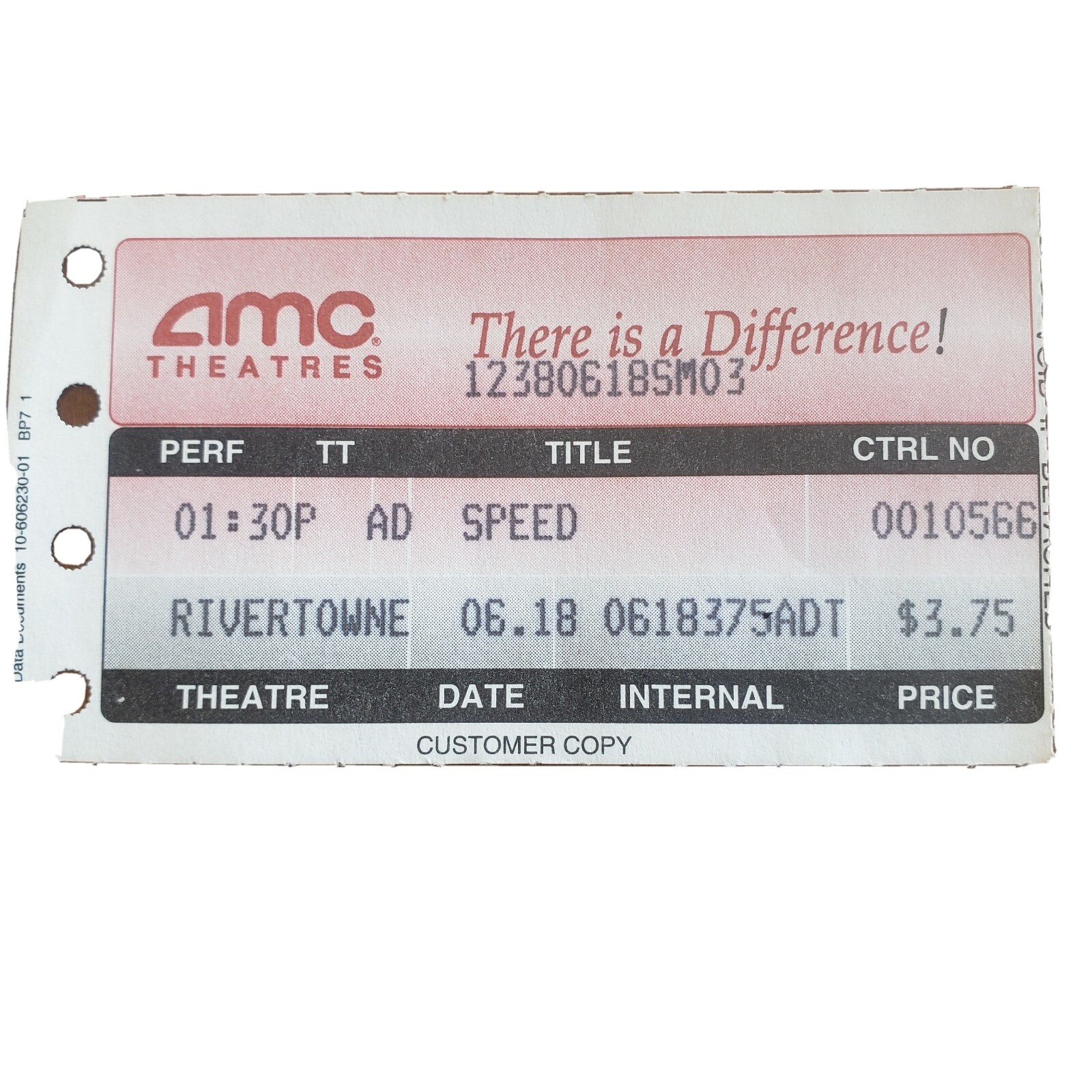
On an AMC ticket, the “ticket number” is typically a 12 to 20-digit numeric or alphanumeric string. In the digital app, this is often found directly beneath the QR code or within the “Ticket Details” section. On a physical ticket printed at the theater, it is usually located near the bottom or along the side, often labeled as “Ticket #” or simply “ID.”
Technically, this number is a Unique Identifier (UID). Unlike a confirmation code (which usually identifies a whole transaction), the ticket number identifies an individual seat. If you buy four tickets, you will have one confirmation number but four distinct ticket numbers. Each number corresponds to a specific entry in the theater’s Point of Sale (POS) system, mapping to a row and seat number in their inventory database.
The Role of the Confirmation Code vs. the Ticket Number
It is a common technical misconception to conflate the confirmation code with the ticket number. From a software architecture perspective:
- The Confirmation Code: This is a shorter, human-readable string (usually 6-7 characters) used for quick lookups. It acts as a pointer to a “bucket” containing your order.
- The Ticket Number: This is the granular data point used by the optical scanners at the podium. When the scanner reads the QR code, it isn’t “reading” your name or the movie title; it is reading the encoded ticket number and asking the local server, “Is this specific UID valid for entry right now?”
The Backend Infrastructure: How AMC Validates Your Entry
The journey of a ticket number begins the moment you click “Purchase.” Behind the scenes, a series of high-speed API (Application Programming Interface) calls ensure that your seat is locked and your ticket is generated.
Cloud-Based Reservation Systems
AMC utilizes a robust cloud infrastructure to manage its global inventory. When you select a seat, the system places a “soft lock” on that coordinate in the database. Once the payment gateway confirms the transaction, the “soft lock” becomes a “hard reservation,” and a unique ticket number is generated using a specific algorithm. This algorithm ensures that no two tickets—across thousands of screens—share the same identifier.
This data is then pushed to the specific theater’s local server. This synchronization is crucial. If the theater’s internet connection drops, the local server must still have a record of every ticket number generated for that day’s screenings to allow for offline verification.
Optical Recognition and QR Encoding
The ticket number is rarely entered manually. Instead, it is encoded into a QR (Quick Response) code or a Data Matrix barcode. These symbols are designed for high redundancy; even if your phone screen is cracked or the printed ticket is slightly smudged, the optical scanner can still reconstruct the ticket number.
When the scanner at the usher’s station captures the code, it decodes the image back into the ticket number string. The software then performs a “check-in” function. If the ticket number is valid, the database flags that UID as “redeemed,” preventing the same number from being used twice. This real-time update is the primary defense against unauthorized duplication.
Security Protocols: Protecting the Integrity of the Ticket Number
As ticketing has shifted to mobile devices, the security risks associated with digital assets have increased. A ticket number is essentially a digital currency, and AMC employs several tech-heavy strategies to ensure its security.
Anti-Fraud and Duplication Measures
One of the greatest challenges in digital ticketing is the “screenshot” problem. In the past, a user could screenshot a QR code and send it to multiple people. To combat this, modern ticketing apps are moving toward dynamic QR codes. While the underlying ticket number remains the same, the QR code displayed in the app refreshes every few seconds using a Time-based One-Time Password (TOTP) algorithm.
This ensures that only the person with the live app can enter. If a ticket number is flagged for suspicious activity—such as being scanned in two different locations simultaneously—the system can automatically void the UID and require the user to present the original credit card used for the purchase at the box office.
Mobile Wallet Encryption
When you add an AMC ticket to Apple Wallet or Google Pay, the ticket number is handled with an extra layer of encryption. These platforms use Near Field Communication (NFC) protocols. Instead of a visual scan, the phone communicates the ticket data via an encrypted wireless signal to the reader. This process masks the actual ticket number during transmission, using a “token” instead. This prevents “skimming,” where a malicious actor might try to capture ticket numbers over a public Wi-Fi network or via a rogue scanner.
Troubleshooting and Technical Integration
Even the most advanced systems encounter friction. Understanding the tech behind the ticket number allows for faster resolution when things go wrong.
API Connectivity and Third-Party Sellers
Many AMC tickets are purchased through third-party platforms like Fandango or Atom Tickets. This requires a seamless API integration between the vendor and AMC’s proprietary “Stubs” database.
When you buy from a third party, the vendor’s system requests a ticket number from AMC’s pool. If there is a “sync error,” it is usually because the API handshake failed. In these instances, the confirmation code becomes the “fail-safe.” Theater managers can manually query the database using the confirmation code to “force-print” a physical ticket, which generates a new ticket number and voids the original, non-synced one.
Manual Entry Protocols
In the event of a hardware failure—such as a broken optical scanner—the usher can manually type the ticket number into a mobile terminal. This is why the number is printed in human-readable text beneath the barcode. This manual override is a critical “low-tech” backup for a “high-tech” system, ensuring that database integrity is maintained even when the primary hardware interface fails.
The Future of Cinema Tech: Beyond the Ticket Number
As we look toward the future, the traditional ticket number may become even more invisible to the consumer. AMC is currently exploring technologies that streamline the “friction points” of theater entry.
Biometric and Location-Based Entry
Future iterations of theater tech may involve “geofencing.” When your mobile device (carrying the encrypted ticket number) enters the theater’s perimeter, the system could automatically “check you in” via Bluetooth Low Energy (BLE). In this scenario, the ticket number acts as a background handshake, allowing you to walk straight to your seat without ever showing a screen to an usher.

Blockchain and Digital Collectibles
There is also growing interest in transitioning ticket numbers into NFTs (Non-Fungible Tokens) on a blockchain. This would provide an immutable ledger of ownership, making ticket reselling safer and allowing the “ticket number” to double as a permanent digital souvenir with verified rarity. For blockbuster releases, the ticket number wouldn’t just be an entry pass; it would be a unique cryptographic asset.
The ticket number on an AMC ticket is far more than a sequence of digits. It is a vital link in a sophisticated chain of cloud computing, optical physics, and cybersecurity. By understanding the technology that powers these identifiers, moviegoers can better appreciate the seamless digital infrastructure that makes the modern cinematic experience possible. Whether it’s an encrypted token in a mobile wallet or a printed string on a kiosk stub, that number is the key that unlocks the door to the magic of the movies.
aViewFromTheCave is a participant in the Amazon Services LLC Associates Program, an affiliate advertising program designed to provide a means for sites to earn advertising fees by advertising and linking to Amazon.com. Amazon, the Amazon logo, AmazonSupply, and the AmazonSupply logo are trademarks of Amazon.com, Inc. or its affiliates. As an Amazon Associate we earn affiliate commissions from qualifying purchases.