
Decoding the Market’s Shorthand
In the fast-paced world of financial markets, efficiency and clarity are paramount. Every company listed on a stock exchange is assigned a unique identifier, a concise code that allows investors, traders, and financial professionals to swiftly identify and track specific securities. This identifier is known as the ticker symbol. Far from being a mere abbreviation, the ticker symbol serves as the bedrock for all transactional activity and data dissemination in public markets, acting as a universal language that transcends geographical boundaries and complex corporate structures.
The Core Definition
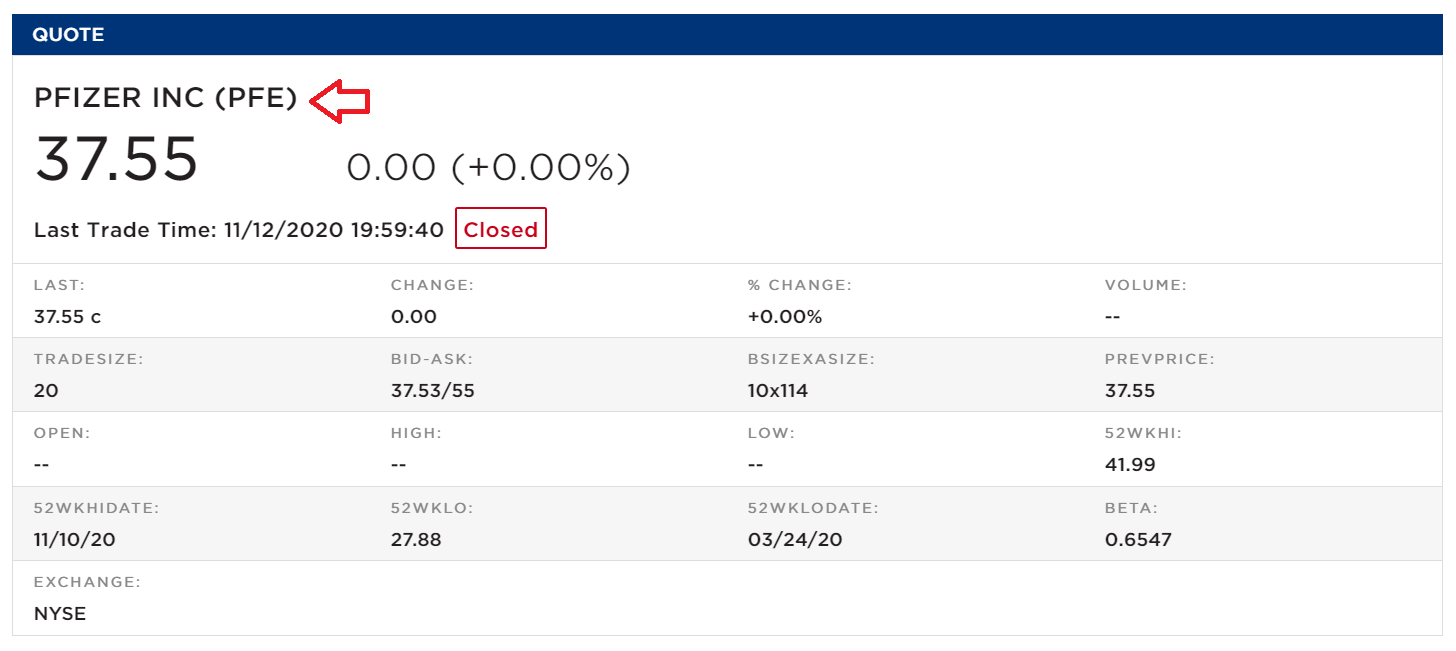
At its most fundamental level, a ticker symbol is an arrangement of alphanumeric characters, typically one to five letters, that uniquely identifies a publicly traded stock on a particular stock exchange. For instance, Apple Inc. is traded under the symbol AAPL on the NASDAQ, while Berkshire Hathaway Class B shares are traded as BRK.B on the New York Stock Exchange (NYSE). These symbols are meticulously chosen and registered, ensuring no two active companies on the same exchange share an identical ticker, thus preventing any ambiguity when an investor places an order or researches a stock.
More Than Just an Abbreviation
The genesis of ticker symbols dates back to the advent of the ticker tape machine in the late 19th century, which printed stock quotes on a continuous strip of paper. To save space and speed up transmission, company names were condensed into these short codes. While the ticker tape machine is now a relic of history, the fundamental concept of using a concise symbol for identification persists and has evolved with digital trading. Today, ticker symbols are the digital keys that unlock vast amounts of financial data, from real-time price fluctuations and trading volumes to historical performance, news feeds, and fundamental company reports. They are the reference points used across all trading platforms, financial news websites, and analytical tools.
A Gateway to Financial Data
For any individual engaged in investing, understanding and utilizing ticker symbols is not merely a convenience—it is a necessity. Without the correct ticker, locating specific information about a company’s stock becomes an arduous, if not impossible, task. The ticker symbol acts as a direct query to databases containing everything from the company’s market capitalization and dividend yield to its latest earnings reports and analyst ratings. It’s the essential first step in due diligence, portfolio management, and executing trades, ensuring that investors are always looking at the right security at the right time.
Anatomy of a Ticker Symbol: Understanding Its Components
While ticker symbols are designed for brevity, they often contain subtle clues about the security they represent, including the exchange on which they trade, the class of shares, or even special circumstances affecting the company. Recognizing these components can provide a deeper understanding of the security beyond just its name.
Exchange Identification
In many international markets, and sometimes implicitly in domestic ones, ticker symbols are often combined with an exchange code to form a comprehensive identifier. For example, a stock traded on the London Stock Exchange might append “.L” to its ticker (e.g., BP.L for BP plc), while a Canadian stock on the Toronto Stock Exchange might use “.TO” (e.g., RY.TO for Royal Bank of Canada). In the U.S., where the NYSE and NASDAQ are dominant, the exchange is often inferred by the brokerage or platform based on the symbol’s structure or is explicitly stated alongside the ticker. This ensures that even if two companies in different countries happen to have the same core alphanumeric symbol, their full identifiers remain distinct.
Share Class and Special Indicators
Some companies issue different classes of shares, each with varying voting rights or dividend preferences. These are frequently denoted by suffixes appended to the primary ticker symbol. For instance, Google’s parent company, Alphabet, has two main classes of shares: Class A (GOOGL) with voting rights, and Class C (GOOG) without voting rights. Similarly, Berkshire Hathaway offers Class A (BRK.A) and Class B (BRK.B) shares, with the latter being more affordable for individual investors. Beyond share classes, special indicators can flag unique situations. A “Q” suffix might indicate bankruptcy proceedings (e.g., when a company has moved to the OTC Pink Sheets after delisting), or a “WT” might signify a warrant. While less common for everyday investing, being aware of these indicators can prevent misinterpretations and inform more precise investment decisions.
Distinguishing Between Similar Companies
Given the vast number of publicly traded companies globally, instances of similar-sounding company names are inevitable. Ticker symbols offer an unambiguous way to differentiate them. For example, while there might be several companies with “Global Tech” in their name, each will have a unique ticker symbol. This precision is critical in financial markets, where a slight misunderstanding could lead to an incorrect trade, potentially resulting in significant financial loss. The standardized nature of ticker symbols ensures that every transaction is directed towards the intended security, maintaining the integrity and efficiency of the trading process.
Why Ticker Symbols Are Indispensable for Investors
For any serious investor, mastering the use of ticker symbols is as fundamental as understanding asset allocation or risk management. They are the essential tools that streamline research, enable accurate trading, and facilitate effective portfolio oversight, underpinning virtually every interaction with financial markets.
Streamlined Research and Analysis
Imagine trying to research “Apple” or “Microsoft” across various financial news sites and data platforms without a specific identifier. You’d be inundated with results ranging from the fruit to personal software. Ticker symbols cut through this noise directly. By simply typing “AAPL” into a search bar, an investor immediately accesses a wealth of relevant information: current stock price, historical charts, company news, earnings reports, analyst ratings, and peer comparisons. This efficiency is crucial for conducting timely due diligence, especially in volatile markets where information advantage can translate directly into financial gains or losses. Ticker symbols empower investors to quickly gather the insights needed to make informed decisions.
Precision in Trading and Portfolio Management
When it comes to executing trades, there is no room for ambiguity. A single misplaced character could result in buying the wrong company’s stock or entering the incorrect order. Ticker symbols ensure precision. When an investor places an order through a brokerage platform, they must input the exact ticker symbol, confirming that they are buying or selling the intended security. This unambiguous identification extends to portfolio management. Tracking the performance of a diverse portfolio of stocks, ETFs, and mutual funds would be chaotic without unique symbols for each holding. Ticker symbols allow investors to monitor individual asset performance, rebalance their portfolios, and evaluate their overall financial health with clarity and accuracy.
Real-Time Price Tracking
In today’s interconnected financial world, market data moves at lightning speed. Real-time price tracking, which is vital for active traders and long-term investors alike, relies entirely on ticker symbols. Financial news channels, investment websites, and brokerage platforms continually stream data linked to these symbols, providing up-to-the-minute quotes, bid/ask spreads, and volume metrics. This continuous flow of information, anchored by the ticker symbol, allows investors to react swiftly to market developments, capitalize on opportunities, and manage risks effectively. Whether it’s setting stop-loss orders or identifying entry points, the ticker symbol is the linchpin of real-time market engagement.
Finding and Utilizing Ticker Symbols in Your Investing Journey
Effectively integrating ticker symbols into your investing routine involves knowing where to find them and how to leverage them across various financial tools and platforms. The accessibility of this information has dramatically improved, making it easier than ever for individual investors to navigate the markets.
Leveraging Financial News Websites and Platforms
The internet has democratized access to financial information, with numerous websites serving as excellent resources for finding ticker symbols. Popular platforms like Google Finance, Yahoo Finance, Bloomberg, Reuters, and dedicated financial news outlets (e.g., The Wall Street Journal, Investor’s Business Daily) all feature robust search functionalities. Typically, you can type in a company’s full name, a common abbreviation, or even part of its name, and the system will return the correct ticker symbol along with associated market data. These sites often allow you to create watchlists using ticker symbols, enabling you to track the performance of companies you are interested in without owning their shares.
Brokerage Accounts and Research Tools
Your brokerage account is perhaps the most direct and crucial place where you’ll interact with ticker symbols. When you log in to place a trade, you will be prompted to enter the ticker symbol of the security you wish to buy or sell. Most modern brokerage platforms also integrate advanced research tools, charting capabilities, and news feeds, all of which are organized and searchable by ticker symbol. These platforms are designed to provide a comprehensive ecosystem for managing your investments, with the ticker symbol acting as the primary navigation tool to access company profiles, financial statements, analyst reports, and execution windows. Learning to efficiently use the search and data retrieval features within your brokerage account is a fundamental skill for all investors.
Practical Examples: From Blue Chips to ETFs
Let’s look at some examples to solidify understanding.
- Blue-Chip Stocks: For well-known corporations, the symbols are often intuitive or widely recognized. For example, Microsoft is MSFT, Amazon is AMZN, and Visa is V.
- Exchange Traded Funds (ETFs): These investment vehicles, which hold a basket of assets like stocks or bonds, also have their own unique ticker symbols. For instance, SPY tracks the S&P 500 index, QQQ tracks the NASDAQ 100, and GLD tracks the price of gold. Just like stocks, you can buy and sell ETFs using their ticker symbols through your brokerage.
- Mutual Funds: While mutual funds traditionally use CUSIP numbers for identification, many now have ticker-like symbols for ease of access, especially those traded on exchanges. However, for mutual funds, it’s often more common to search by fund name or manager to ensure you’re accessing the correct share class and fund.
By becoming proficient in finding and using these symbols, investors can navigate the complex financial landscape with greater confidence and precision, ensuring their investment actions align perfectly with their intentions.
Common Pitfalls and Best Practices
While ticker symbols are designed to simplify identification, investors must remain vigilant to avoid common mistakes that can lead to misdirected research or erroneous trades. Adopting best practices can safeguard your investment capital and enhance the accuracy of your financial endeavors.
Avoiding Confusion with Similar-Sounding Names
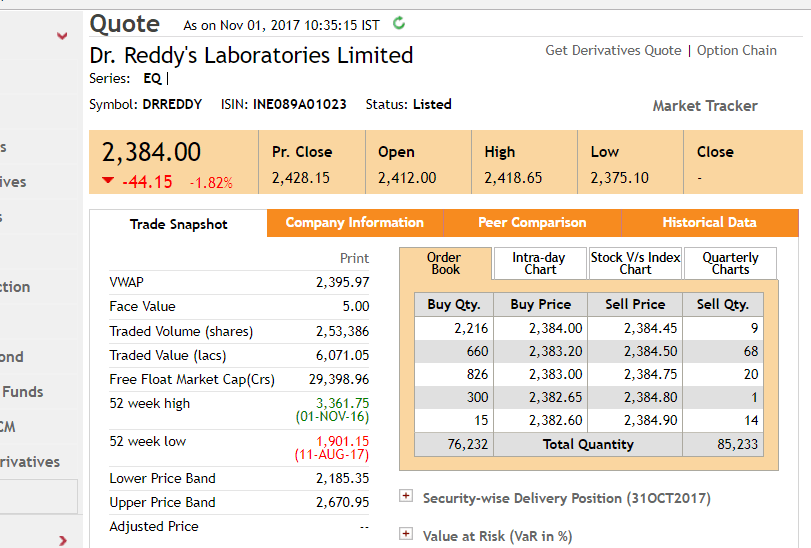
One of the most frequent pitfalls for new investors is confusing companies with similar names. For example, an investor might search for “American Airlines” and inadvertently come across a ticker for a different “American” company, or even a foreign airline with a similar name. Always verify the full company name associated with the ticker symbol before making any investment decision. Most financial platforms clearly display the company’s legal name alongside its ticker, providing an immediate opportunity for verification. Double-checking this information is a simple yet effective way to prevent costly errors.
The Role of Due Diligence
A ticker symbol is merely an identifier; it is not a substitute for thorough due diligence. While it provides immediate access to a wealth of data, an investor’s responsibility is to analyze that data critically. This includes reviewing financial statements, understanding the company’s business model, assessing its competitive landscape, and evaluating its management team. Relying solely on the recognition of a ticker symbol without deeper investigation into the underlying company’s fundamentals can lead to uninformed and potentially detrimental investment choices. The ticker symbol initiates the research process, it does not complete it.
Staying Informed About Changes and Delistings
Ticker symbols are generally stable, but they can change under specific circumstances. Corporate actions such as mergers, acquisitions, stock splits, or bankruptcies can lead to a company’s ticker symbol being updated or even retired if the company is delisted from an exchange. For instance, when a company undergoes a reverse stock split, its ticker might temporarily append a “D” to indicate the change before returning to its original form. Staying informed about your portfolio companies through reliable financial news sources and alerts from your brokerage firm is crucial. If a company you own undergoes a significant corporate action, always verify the new ticker symbol or the implications of its delisting to ensure your records are accurate and your investment strategy remains appropriate. Being proactive in monitoring these changes ensures continuous, precise management of your investments.
aViewFromTheCave is a participant in the Amazon Services LLC Associates Program, an affiliate advertising program designed to provide a means for sites to earn advertising fees by advertising and linking to Amazon.com. Amazon, the Amazon logo, AmazonSupply, and the AmazonSupply logo are trademarks of Amazon.com, Inc. or its affiliates. As an Amazon Associate we earn affiliate commissions from qualifying purchases.