
In the fast-paced world of modern finance, where algorithmic trading executes orders in milliseconds and social media sentiment can shift a stock’s valuation in minutes, the concept of “waiting” seems almost archaic. However, seasoned investors and financial advisors often point to a foundational principle known as the “Three Day Rule.” This rule is not a hard-coded regulation, but rather a strategic psychological buffer used to navigate market volatility, corporate crises, and personal financial decisions.
Understanding the Three Day Rule is essential for anyone looking to move beyond reactive trading and toward a philosophy of disciplined wealth management. Whether applied to a plummeting stock, a major purchase, or a shift in investment strategy, this rule serves as a safeguard against the most expensive emotion in finance: impulsivity.
Understanding the Three Day Rule in Stock Market Investing
In the context of equity markets, the Three Day Rule suggests that when a stock experiences a significant price movement—particularly a sharp decline driven by negative news—investors should wait three full trading days before taking action. This period allows the market to digest information, shake out “weak hands,” and find a new level of price equilibrium.
The Psychology Behind the Three-Day Wait
Human psychology is wired for “fight or flight,” a trait that served our ancestors well but often sabotages our brokerage accounts. When a company misses an earnings report or becomes embroiled in a scandal, the immediate reaction is panic. This leads to a cascade of selling that often overshoots the actual intrinsic value of the damage.
The Three Day Rule acts as a circuit breaker for the individual investor. By committing to a 72-hour observation window, you move from the amygdala-driven “panic phase” to the prefrontal cortex-driven “analytical phase.” It prevents the common mistake of “catching a falling knife”—buying a stock on its first day of decline only to realize the bottom is much deeper than anticipated.
Historical Context: From Wall Street Wisdom to Modern Trading
The rule originated in an era when information moved slower, but its relevance has arguably increased in the age of high-frequency trading (HFT). In the past, it took days for news to reach all market participants. Today, while the news is instantaneous, the interpretation of that news still takes time.
Institutional investors and hedge funds often need several days to re-evaluate their positions and adjust their models. If you buy on Day One of a crash, you are often buying from institutions that are in the middle of a massive liquidation process. By waiting until Day Three, you are often trading against a more stabilized market where the “forced selling” has concluded.
How the Three Day Rule Works in Practice
To effectively use this rule, one must understand the anatomy of a market shock. Financial analysts typically observe a three-stage process during a significant volatility event. By breaking down the timeline, investors can see why jumping in too early is a high-risk gamble.
Day One: The Catalyst and Initial Panic
Day One is characterized by high volume and high volatility. This is when the “event” occurs—an unexpected CEO resignation, a regulatory fine, or a broader market correction. On this day, the price action is almost entirely driven by emotion and automated stop-loss orders. The “Three Day Rule” dictates that you should do nothing on Day One. Even if the stock looks like a bargain, the momentum of the sell-off is usually too strong to overcome.
Day Two: The “Dead Cat Bounce” and False Recoveries
Day Two is often the most deceptive period. It is common to see a slight recovery or a stabilization in price, often referred to as a “dead cat bounce.” Amateur traders see the green candles and assume the worst is over. However, Day Two is frequently a period of “aftershocks” where late-arriving news or secondary analyst downgrades hit the wire. Selling often resumes toward the end of the trading session as investors who missed the Day One exit decide to cut their losses while they still can.
Day Three: Reaching Equilibrium and Informed Action
By the third day, the “selling exhaustion” phase usually begins. The volume tends to normalize, and the narrative surrounding the news becomes clearer. On Day Three, you are no longer guessing; you are analyzing. You can look at the total percentage drop, compare it to the company’s cash flow and long-term prospects, and make a rational decision. If the stock is still declining on Day Three, it suggests a fundamental shift in the business model rather than a temporary shock, providing a clear signal to stay away.

Legal and Regulatory “Three Day Rules” in Personal Finance
While the trading version of the rule is a guideline, there are several “Three Day Rules” in the world of personal finance and consumer law that are legally binding. these are designed to protect individuals from high-pressure sales tactics and financial “buyer’s remorse.”
The Right of Rescission: The Cooling-Off Period
In the United States, the Federal Trade Commission (FTC) enforces a “Cooling-Off Rule.” This gives consumers three days to cancel certain sales made at their home, workplace, or dormitory. This is a critical financial protection tool for homeowners. For example, if you sign a contract for a high-cost home improvement project under pressure from a door-to-door salesperson, you generally have until midnight of the third business day to cancel the contract without penalty.
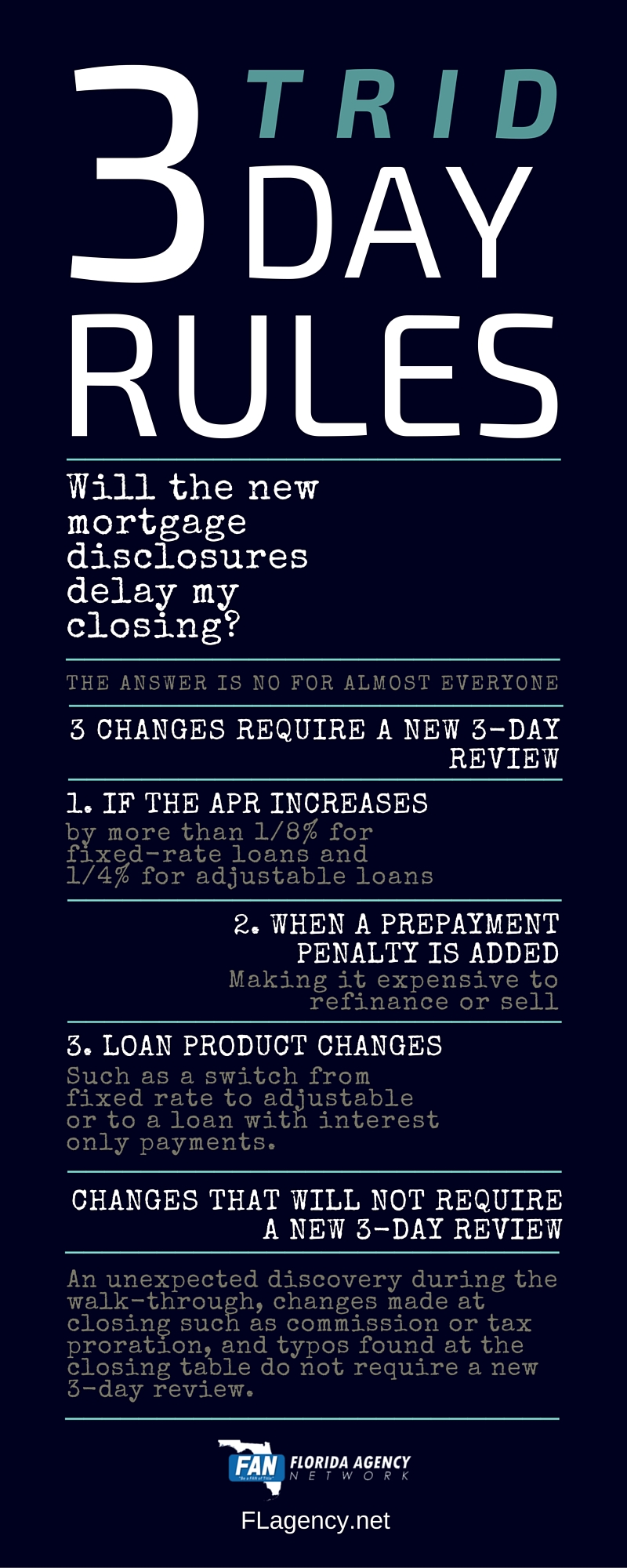
Similarly, in real estate refinancing, the “Right of Rescission” allows a borrower to cancel a home equity loan or a refinance on a primary residence within three business days of signing the closing documents. This ensures that the largest financial commitment in a person’s life is not made in a state of duress.
T+2 Settlement Cycles and Liquidity Management
In the technical world of brokerage finance, the “Three Day Rule” used to refer to the settlement period (T+3). However, modern markets have moved to a T+2 cycle. Despite this acceleration, the principle of liquidity management remains. When you sell a security, it takes time for those funds to settle and become “withdrawable” cash. Understanding this timeline is vital for personal financial planning, especially when you are coordinating the sale of assets to cover a major life expense, such as a down payment on a house.
Strategic Implementation: Applying the Rule to Your Portfolio
To move from theory to practice, an investor must integrate the Three Day Rule into their broader risk management framework. It is not just about waiting; it is about what you do during that wait.
Filtering the Noise: Distinguishing Volatility from Fundamentals
During the three-day waiting period, your job is to perform a “post-mortem” on the news. Ask yourself:
- Is the event transitory? (e.g., a temporary supply chain glitch).
- Is the event structural? (e.g., a new competitor rendering the product obsolete).
- Has the “Moat” been breached? (e.g., a loss of consumer trust in a brand).
If the issue is transitory, Day Three often provides the best entry point for a long-term position. If the issue is structural, Day Three is your confirmation to avoid the “value trap.”
Risk Management and the Avoidance of Emotional Trading
The Three Day Rule is, at its core, a tool for emotional regulation. Financial success is often less about brilliance and more about the absence of catastrophic errors. By forcing a delay, you eliminate the possibility of making a trade in a state of high cortisol. This discipline carries over into other areas of personal finance, such as the “72-hour rule” for large consumer purchases, which suggests waiting three days before buying a luxury item to see if the desire was a whim or a genuine need.
The Future of the Three Day Rule in an Instant-Trading World
As we look toward the future of finance, characterized by AI-driven portfolios and 24/7 crypto markets, one might wonder if a three-day window is still practical. In markets that never sleep, such as Bitcoin or Forex, three days can feel like an eternity.
Algorithmic Trading vs. Human Patience
While algorithms can react in milliseconds, they lack the ability to weigh qualitative factors, such as the long-term impact of a brand’s reputation. For the human investor, the Three Day Rule remains a “competitive advantage.” While the “bots” are fighting over pennies in the immediate aftermath of a news event, the patient investor is waiting for the dust to settle to capture the larger trend.

Conclusion: Building a Disciplined Financial Mindset
The Three Day Rule is more than a trading tactic; it is a philosophy of financial mindfulness. It acknowledges that while markets are fast, wisdom is slow. By implementing a mandatory cooling-off period in both your investment strategy and your personal spending, you protect your capital from the volatility of the world and the volatility of your own emotions. In a financial landscape that rewards the fastest, the Three Day Rule reminds us that the greatest wealth is often built by the most patient.
aViewFromTheCave is a participant in the Amazon Services LLC Associates Program, an affiliate advertising program designed to provide a means for sites to earn advertising fees by advertising and linking to Amazon.com. Amazon, the Amazon logo, AmazonSupply, and the AmazonSupply logo are trademarks of Amazon.com, Inc. or its affiliates. As an Amazon Associate we earn affiliate commissions from qualifying purchases.