
When navigating the complexities of digestive health, few subjects are as critical as identifying the presence of Helicobacter pylori (H. pylori). This bacterium is a common cause of gastritis, peptic ulcers, and, if left unaddressed, more serious gastric conditions. Understanding the diagnostic landscape is the first step toward effective management. For individuals managing their health as a personal investment, recognizing the tools available for detection is essential for long-term well-being and mitigating potential medical costs associated with chronic illness.
The Urea Breath Test: A Gold Standard for Detection
The urea breath test (UBT) is widely considered one of the most accurate, non-invasive diagnostic tools currently available. Its reliability and ease of use make it a preferred choice for both initial diagnosis and post-treatment follow-up.
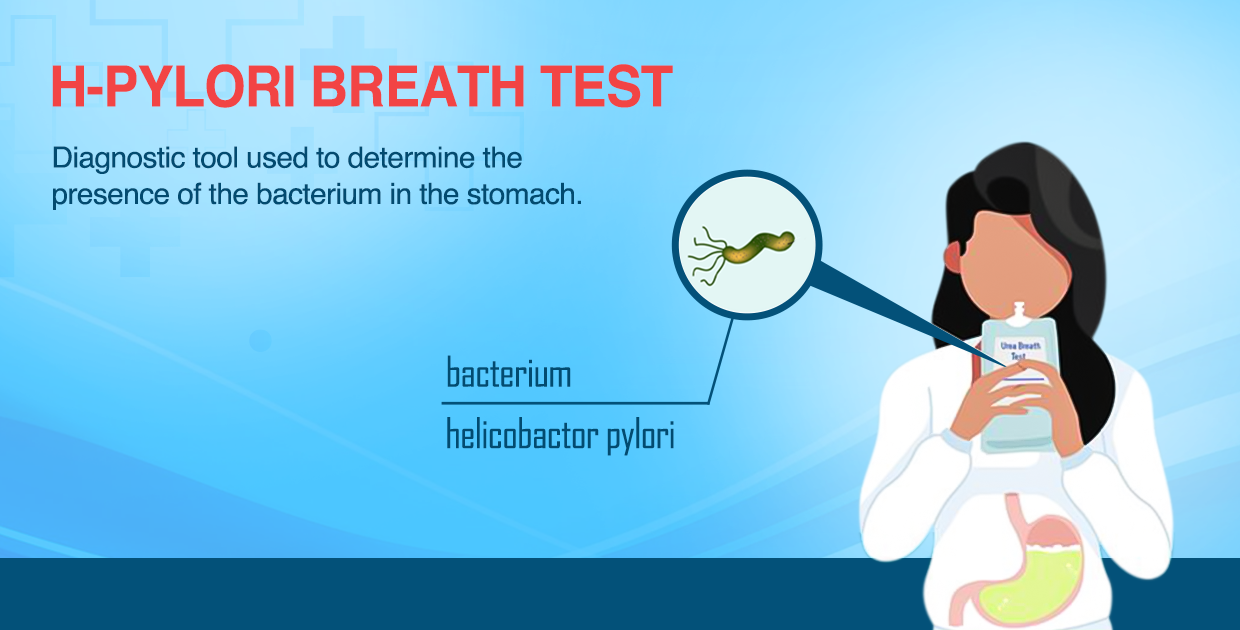
How the Test Functions
The biological principle behind the urea breath test is relatively straightforward. H. pylori produces an enzyme called urease, which breaks down urea into carbon dioxide and ammonia. During the test, a patient consumes a specialized solution containing urea labeled with a specific carbon isotope. If the bacteria are present in the stomach, they will break down this urea, and the labeled carbon dioxide will be absorbed into the bloodstream, eventually traveling to the lungs and being exhaled.
What to Expect During the Procedure
The procedure is efficient and comfortable. A patient first provides a baseline breath sample by exhaling into a specialized collection bag or device. Following this, the patient consumes the urea solution. After a waiting period—typically 15 to 30 minutes—a second breath sample is collected. Laboratory professionals then compare the carbon isotope levels in both samples. An increase in the labeled carbon dioxide in the second sample indicates a positive result for H. pylori. To ensure accuracy, patients are often instructed to fast for several hours prior to the test and may need to temporarily pause the use of proton pump inhibitors (PPIs) or antibiotics, as these can produce false negatives.
Stool Antigen Testing: Accuracy and Convenience
For those seeking an alternative to breath tests, the stool antigen test offers a robust clinical solution. This diagnostic method directly detects the presence of H. pylori antigens in a sample of the patient’s stool.
Clinical Reliability
Stool antigen tests are highly effective, demonstrating sensitivity and specificity levels comparable to the urea breath test. By identifying the proteins (antigens) produced by the bacteria, the test confirms an active infection. It is frequently utilized in primary care settings due to its non-invasive nature and relative affordability.
Logistical Considerations for Patients
While the test is straightforward, it requires specific handling to maintain sample integrity. Patients are provided with a sterile container and instructions for sample collection. It is crucial to follow these instructions precisely, as contamination or improper storage can affect the validity of the results. Similar to the urea breath test, clinicians will generally advise patients to refrain from taking bismuth-containing medications or certain antibiotics for several weeks before the test to avoid skewed outcomes.

Endoscopic Biopsy: The Diagnostic Procedure for Complex Cases
While non-invasive tests are suitable for the majority of patients, there are instances where an upper endoscopy (EGD) becomes necessary. This procedure provides a comprehensive view of the upper gastrointestinal tract and allows for a physical biopsy, which is considered the definitive clinical benchmark for confirming an infection.
The Role of Endoscopy in Diagnosis
An endoscopy involves the use of an endoscope—a thin, flexible tube equipped with a light and camera—which is passed through the esophagus and into the stomach. This allows a gastroenterologist to visually inspect the lining of the stomach for signs of inflammation or ulceration. If the physician suspects an H. pylori infection, they can perform a rapid urease test on a small tissue sample taken during the procedure or send the biopsy for histological examination.
When Is a Biopsy Required?
A biopsy is usually reserved for patients who exhibit “alarm symptoms” such as persistent vomiting, unexplained weight loss, difficulty swallowing, or signs of gastrointestinal bleeding. Additionally, if initial non-invasive testing yields ambiguous results or if a patient has a history of complicated ulcers, the detailed analysis afforded by an endoscopic biopsy ensures that the underlying pathology is thoroughly investigated. This approach, while more intensive, offers the highest level of clinical certainty.
Interpreting Results and Strategic Follow-Up
Receiving a positive result for H. pylori is not a cause for alarm, but it is a call to action. Modern clinical protocols for H. pylori typically involve a combination of antibiotics and acid-suppressing medications, often referred to as “triple” or “quadruple” therapy.
The Importance of Eradication Testing
One of the most common mistakes in managing H. pylori is failing to confirm that the treatment was successful. It is a vital health strategy to undergo “test-of-cure” procedures. Clinicians typically recommend repeating a urea breath test or a stool antigen test at least four weeks after the completion of antibiotic treatment. This ensures that the bacteria have been fully eradicated and are not simply dormant or resistant to the initial medication regimen.

Navigating Healthcare Decisions and Resources
From a personal management perspective, understanding these tests is about optimizing health and preventing future financial burdens. Chronic gastric issues can lead to frequent doctor visits, repeated testing, and potential long-term complications that increase medical expenditure. By engaging in proactive, accurate testing when symptoms arise, patients can achieve a more definitive resolution to their digestive issues.
When discussing testing options with a healthcare provider, consider the following:
- Availability: Is the facility equipped for the urea breath test, or is a stool test more accessible?
- Preparation: What specific medications need to be paused to ensure the test is accurate?
- Insurance: How do different diagnostic methods align with coverage and out-of-pocket costs?
By maintaining an informed approach to these diagnostic pathways, individuals take control of their gastrointestinal health. Whether opting for the convenience of a breath test, the precision of a stool antigen test, or the comprehensive oversight of an endoscopic procedure, the objective remains the same: the early and accurate detection of H. pylori to preserve long-term health and wellness. Engaging with medical professionals about these specific tests is an essential step toward achieving digestive balance and avoiding the complications associated with untreated bacterial infections in the stomach.
aViewFromTheCave is a participant in the Amazon Services LLC Associates Program, an affiliate advertising program designed to provide a means for sites to earn advertising fees by advertising and linking to Amazon.com. Amazon, the Amazon logo, AmazonSupply, and the AmazonSupply logo are trademarks of Amazon.com, Inc. or its affiliates. As an Amazon Associate we earn affiliate commissions from qualifying purchases.