
In the landscape of modern kitchen gadgets, few devices have maintained their relevance as consistently as the slow cooker. While it may appear to be a simple ceramic vessel encased in a heating element, the technology governing its performance—specifically the “Low” temperature setting—is a masterclass in thermal engineering and precision electronics. For the tech-enthusiast and the gadget-conscious consumer, understanding what happens under the hood of a slow cooker involves exploring thermodynamics, sensor accuracy, and the evolution of smart home integration.
When we ask, “What is the temperature in a slow cooker on low?” we are not just looking for a single number. We are investigating a sophisticated thermal curve designed to balance food safety with enzymatic breakdown. This article explores the technical specifications of slow cooker hardware, the transition from manual resistance to microprocessor control, and the future of IoT-enabled precision cooking.
The Physics of Low-Temperature Cooking Technology
At its core, a slow cooker is an application of resistance heating. Unlike an oven, which relies on the convection of air, or a microwave, which uses electromagnetic radiation to agitate water molecules, the slow cooker utilizes conductive heat transfer. The “Low” setting is a specific calibration of energy input designed to reach a stabilized equilibrium.
Thermal Induction vs. Resistance Heating
Most traditional slow cookers utilize wrap-around heating elements located between the outer metal housing and the inner ceramic liner. On the “Low” setting, the device typically operates at a lower wattage—usually around 75 to 150 watts, depending on the volume of the unit. The technology relies on the high thermal mass of the ceramic “crock,” which acts as a heat reservoir. This design ensures that even if the heating element cycles on and off, the temperature remains steady, preventing the rapid fluctuations that can degrade the texture of proteins and vegetables.
The Equilibrium Point: Why 190°F to 200°F is the Gold Standard
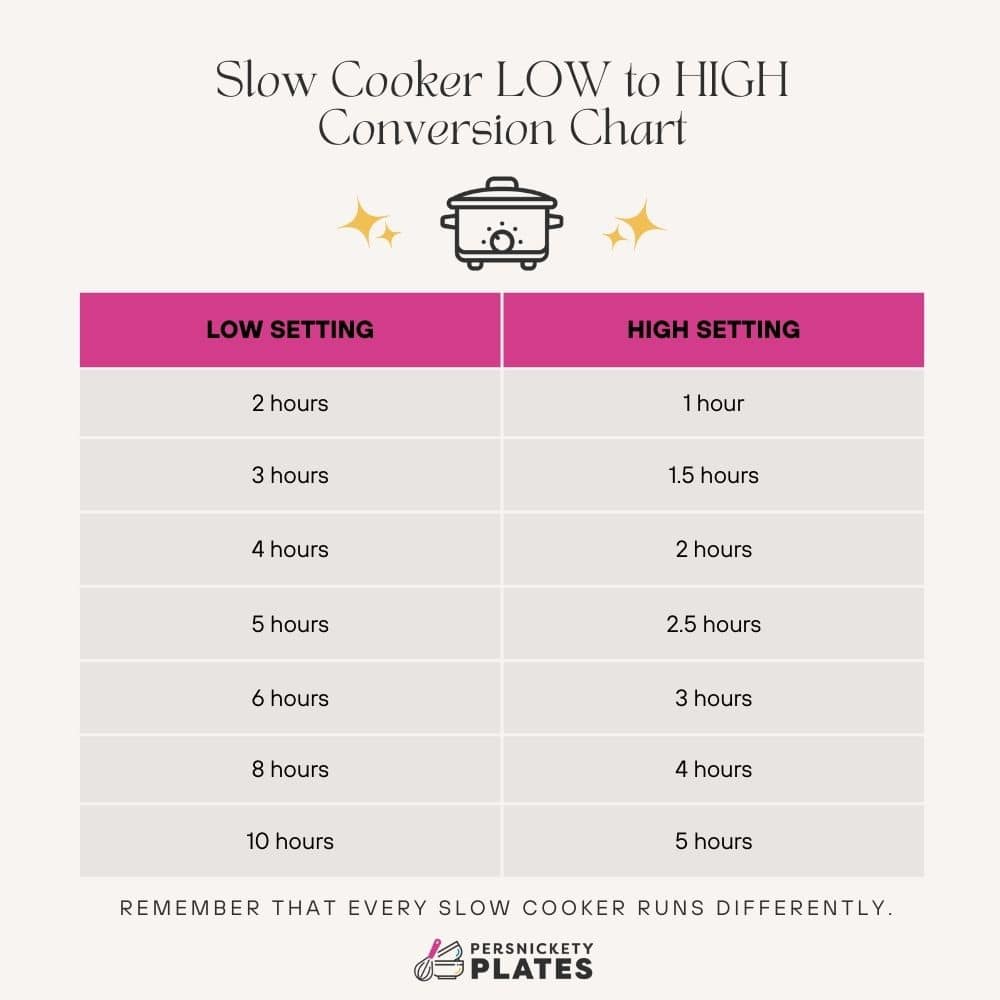
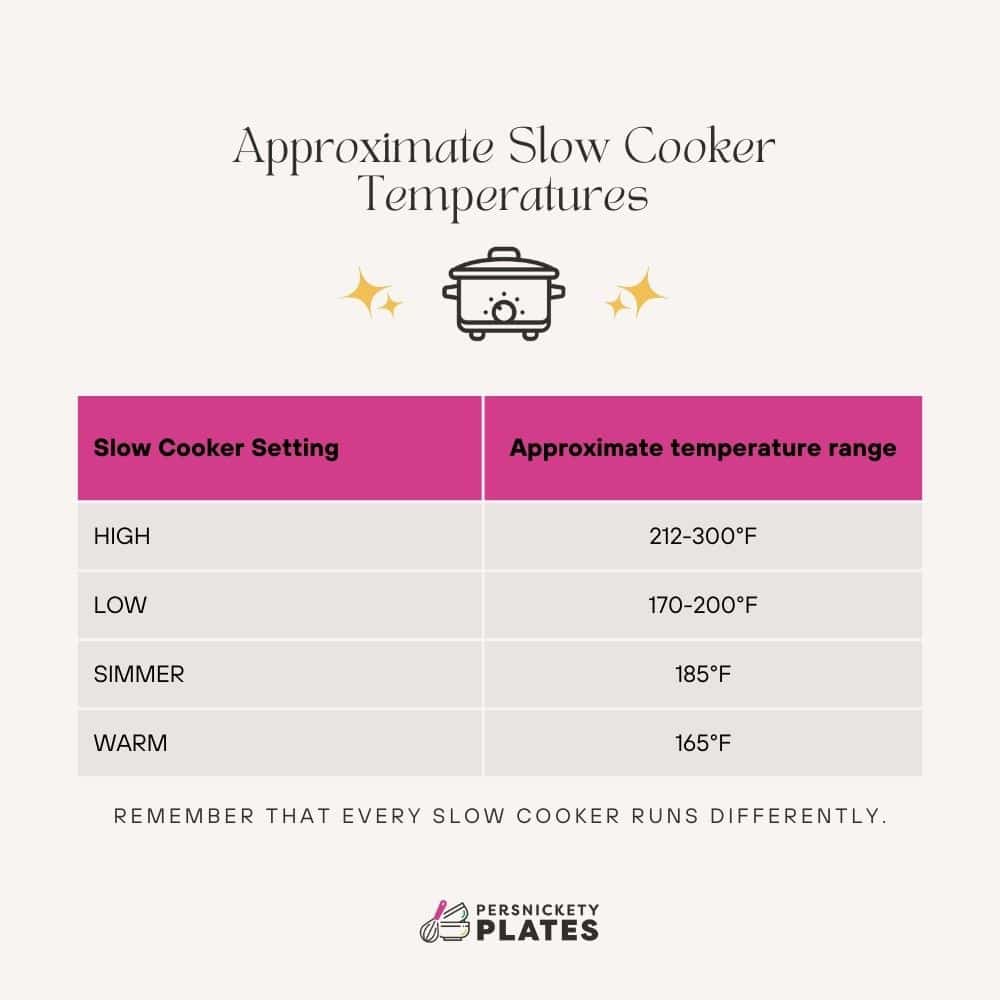
Technically, the “Low” setting on most modern slow cookers is designed to reach a peak temperature of approximately 190°F to 200°F (87°C to 93°C). It is a common technological misconception that the “Low” and “High” settings reach different maximum temperatures. In reality, in the majority of digital and manual hardware, both settings are calibrated to reach the same simmer point. The difference lies in the ramp-up time. The “Low” setting uses a lower wattage to reach the target temperature over a period of 7 to 8 hours, whereas the “High” setting achieves it in 3 to 4 hours. This deliberate slow-climb is a feat of engineering intended to facilitate the slow breakdown of collagen into gelatin without boiling the liquid too vigorously.
Intelligent Control Systems and Sensor Integration
As we move away from the basic “Off-Low-High” knobs of the 1970s, modern slow cookers have integrated sophisticated electronic control units (ECUs). The transition from mechanical thermostats to digital microprocessors has revolutionized how these gadgets manage heat.
PID Controllers and Feedback Loops
High-end slow cookers and multi-cookers now utilize PID (Proportional-Integral-Derivative) controllers. This is the same type of logic used in industrial automation and high-end espresso machines. A PID controller doesn’t just turn the heat on when it’s cold and off when it’s hot; it calculates the rate of temperature change and adjusts power delivery to prevent “overshoot.” On the “Low” setting, this ensures that the temperature remains within a razor-thin margin of the target, providing a level of precision that was historically impossible with manual hardware.
Microprocessors in Modern Smart Slow Cookers
Inside a digital slow cooker, a microprocessor acts as the brain of the operation. It monitors data from NTC (Negative Temperature Coefficient) thermistors—resistors whose resistance varies significantly with temperature. These sensors are often embedded in the base or the sides of the unit. The microprocessor interprets the electrical resistance as a temperature reading and adjusts the pulse-width modulation (PWM) of the heating element. This digital oversight allows for features like “Auto-Shift,” where the device hardware automatically drops the temperature to a “Keep Warm” setting (usually 165°F) once a specific time-temperature curve has been met.

IoT and the Evolution of the Connected Kitchen
The integration of the “Internet of Things” (IoT) has turned the humble slow cooker into a node on a digital network. This connectivity offers more than just convenience; it provides a layer of data transparency that helps users understand exactly what is happening during the cooking cycle.
Remote Monitoring and Safety Algorithms
Smart slow cookers equipped with Wi-Fi modules allow users to monitor the internal temperature of the device from a smartphone application. This is a significant leap in kitchen tech. If the “Low” setting is running too hot—perhaps due to a lower volume of food than recommended—the user can intervene remotely. Furthermore, cloud-based algorithms can now analyze cooking cycles. If the hardware detects an unusual spike or a failure to reach the safety threshold of 140°F within a specific timeframe, it can trigger an alert to the user’s device, mitigating the risk of foodborne illness through proactive tech-intervention.
The Future of AI-Driven Recipe Adjustments
We are seeing the emergence of AI integration in kitchen appliances. Future iterations of slow cooker technology are expected to use machine learning to adjust the “Low” setting based on the specific weight and density of the ingredients. By using load sensors (to measure weight) and advanced thermal probes, the gadget could theoretically calculate the exact thermal diffusivity of a meal and adjust the wattage in real-time. This would move the “Low” setting from a static wattage output to a dynamic, intelligent response system.
Safety Engineering: Preventing Thermal Runaway and Pathogen Growth
From a hardware engineering perspective, the “Low” setting must be designed with a strict “Safety First” architecture. Because the device is intended to operate unattended for long periods, engineers must account for potential hardware failures.
The “Danger Zone” and Sensor Accuracy
The “Danger Zone” for food is between 40°F and 140°F, where bacteria multiply most rapidly. The engineering challenge for a slow cooker on “Low” is to move the food through this zone as efficiently as possible while still maintaining a slow cooking profile. Tech manufacturers calibrate the heating elements to ensure that even on the lowest power draw, the internal temperature of the food reaches 140°F within two hours. This is verified through rigorous testing in controlled environments, ensuring that the hardware meets UL (Underwriters Laboratories) safety standards.
Fail-Safe Mechanisms in Consumer Hardware
Modern slow cooker circuitry includes several layers of fail-safes. Thermal fuses are standard; these are components that permanently break the circuit if the device exceeds a certain critical temperature (preventing fires caused by thermal runaway). Additionally, digital units often feature software locks that prevent the device from staying in the “Keep Warm” mode for more than 24 hours. These technical constraints are programmed into the firmware to protect the consumer and the integrity of the device’s electronic components, which can be sensitive to prolonged heat exposure.
Conclusion: The Sophistication of Slow Heat
The question of what temperature a slow cooker reaches on “Low” reveals a complex intersection of physics and modern technology. Far from being a “dumb” appliance, the contemporary slow cooker is a refined piece of hardware that utilizes thermistors, microprocessors, and sophisticated power management to maintain a precise thermal environment.
Whether it is the use of PID controllers to prevent temperature overshoot or the integration of Wi-Fi for remote telemetry, the technology behind the “Low” setting is designed to provide consistency, safety, and efficiency. As the kitchen continues to become more digitized, we can expect the slow cooker to evolve even further, transforming from a simple heating vessel into an intelligent, data-driven cooking system that masters the art of the long, slow simmer through the power of silicon and circuitry.
aViewFromTheCave is a participant in the Amazon Services LLC Associates Program, an affiliate advertising program designed to provide a means for sites to earn advertising fees by advertising and linking to Amazon.com. Amazon, the Amazon logo, AmazonSupply, and the AmazonSupply logo are trademarks of Amazon.com, Inc. or its affiliates. As an Amazon Associate we earn affiliate commissions from qualifying purchases.