
Technological innovation is the process of translating an idea or invention into a good or service that creates value or for which customers will pay. In the context of the 21st century, it refers specifically to the refinement, application, and evolution of digital tools, hardware systems, and software architectures to solve complex problems more efficiently than ever before. It is not merely the act of inventing a new gadget; rather, it is the systemic integration of new scientific knowledge into the practical fabric of society, industry, and daily life.
To understand technological innovation, one must look beyond the “Eureka” moment. It is a continuous cycle of research, development, and commercialization. Whether it is the transition from localized servers to the decentralized cloud or the leap from linear computing to quantum logic, innovation is the engine that drives productivity and redefines the boundaries of what is possible.
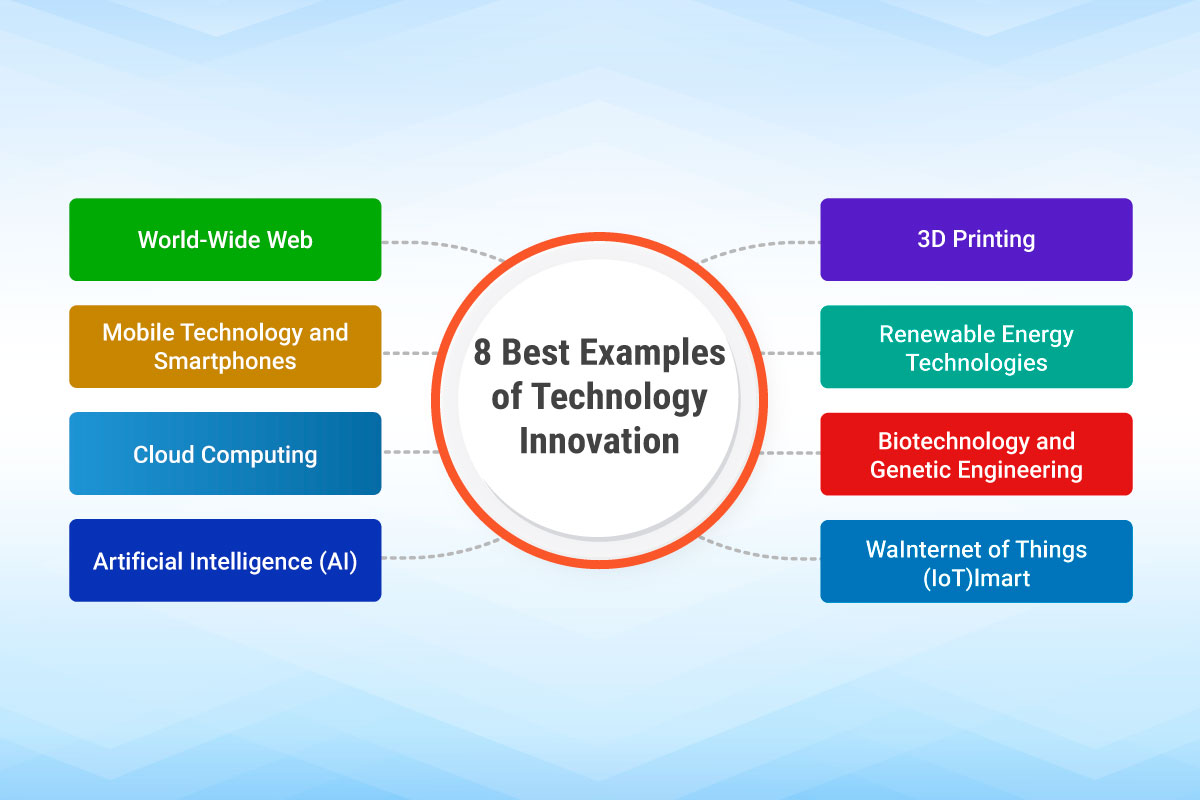
The Taxonomy of Innovation in the Digital Age
Not all innovations are created equal. In the tech sector, experts typically categorize innovation based on its impact on existing markets and the degree of novelty involved. Understanding these distinctions is crucial for anyone navigating the current landscape of software development and hardware engineering.
Incremental vs. Radical Innovation
Incremental innovation involves the constant improvement of existing technologies. This is most visible in the annual release cycles of smartphones or the version updates of enterprise software (SaaS). It focuses on optimizing performance, fixing bugs, and enhancing user experience (UX) without fundamentally changing the underlying architecture.
Radical innovation, conversely, involves a complete departure from existing practices. The shift from vacuum tubes to transistors was radical; the shift from traditional internal combustion to high-performance electric drivetrains governed by AI-driven software is radical. These breakthroughs often create entirely new industries and render previous technologies obsolete.
Disruptive Innovation
Popularized by Clayton Christensen, disruptive innovation refers to a technology that initially targets the lower end of a market but eventually moves upmarket, displacing established competitors. In the tech world, we saw this with cloud-based storage disrupting physical hardware manufacturers. Initially, cloud storage was seen as slow and insecure for enterprise use, but as the technology matured, it redefined how data is managed globally.
Architectural Innovation
This occurs when the core components of a technology remain the same, but the way they are linked together changes. A prime example is the development of the “Internet of Things” (IoT). The sensors, processors, and wireless radios already existed; the innovation was the architectural framework that allowed these disparate devices to communicate as a unified, intelligent ecosystem.
Primary Drivers of Modern Technological Innovation
The current era of innovation is defined by several “force multipliers”—technologies that do not just exist in isolation but accelerate the development of other tools.
Artificial Intelligence and Machine Learning
AI is the quintessential innovation driver of our time. It has moved from theoretical research into the core of functional software. Large Language Models (LLMs) and generative AI represent a shift in how humans interact with machines. By moving from command-based interfaces to natural language processing, innovation is becoming more accessible. Machine learning algorithms now optimize everything from supply chain logistics to real-time cybersecurity threat detection, identifying patterns that are invisible to the human eye.
The Evolution of Cloud Computing and Edge Processing
The transition to the cloud was the first step; the current innovation lies in “Edge Computing.” As we deploy more autonomous vehicles and smart city infrastructure, the latency inherent in sending data to a centralized server becomes a bottleneck. Innovation here involves moving processing power closer to the data source (the “edge”). This allows for real-time decision-making in critical applications, such as remote surgery or autonomous navigation, where every millisecond counts.
Blockchain and Decentralized Ledgers
While often associated exclusively with finance, the technological innovation of the blockchain is actually a breakthrough in data integrity and security. By creating immutable, decentralized ledgers, this technology enables “trustless” systems. In tech, this is being applied to secure supply chains, verifiable digital identities, and the management of intellectual property in a digital-first world.
The Critical Role of Software Engineering and DevOps
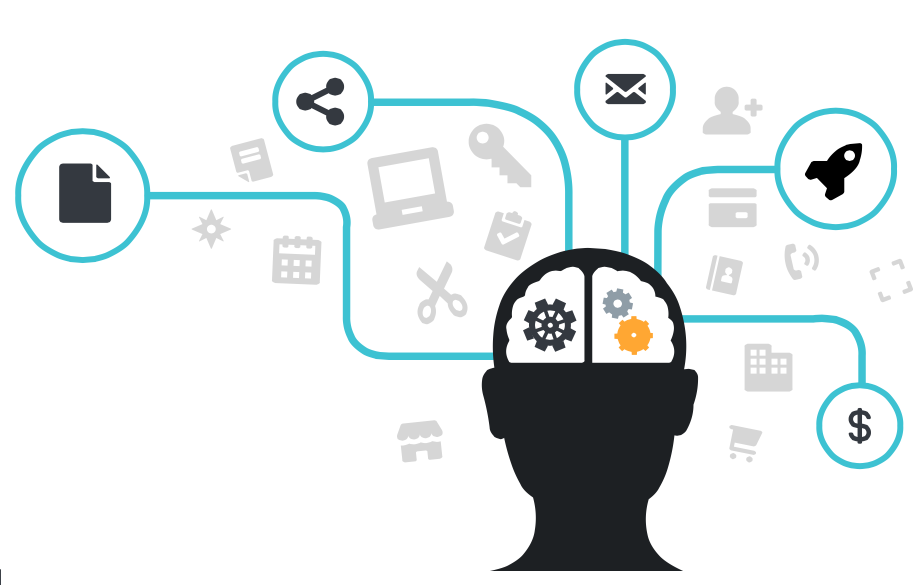
Innovation is often perceived as a hardware-centric phenomenon—a faster chip or a thinner screen. However, the most profound innovations today occur within the logic of software and the methodologies used to build it.
From Monolithic to Microservices
Historically, software was built as a single, massive entity (a monolith). Innovation in software architecture has led us to microservices, where an application is broken down into small, independent services that communicate over APIs. This allows tech companies to update specific parts of an app without taking down the whole system. This architectural shift is what allows platforms like Netflix or Amazon to deploy updates thousands of times a day without user interruption.
The Automation of Development (CI/CD)
The Continuous Integration and Continuous Deployment (CI/CD) pipeline is a landmark innovation in how technology is brought to market. By automating the testing and deployment of code, organizations have moved from annual software releases to a state of perpetual innovation. This ensures that security patches and feature enhancements are delivered to the end-user almost instantaneously.
Low-Code and No-Code Platforms
One of the most significant democratic innovations in tech is the rise of low-code/no-code platforms. By abstracting the complexities of coding into visual interfaces, these tools allow non-technical professionals to build functional apps. This accelerates the pace of innovation within organizations, as the “bottleneck” of the IT department is bypassed in favor of rapid prototyping by those closest to the business problem.
Digital Security as an Innovative Frontier
As technology becomes more integrated into the physical world, the risks associated with it grow exponentially. Consequently, digital security has become one of the most innovative sub-sectors in the industry.
Zero Trust Architecture
The traditional “castle and moat” strategy of cybersecurity (protecting the perimeter of a network) is no longer sufficient in a world of remote work and cloud services. The innovation of “Zero Trust” operates on the principle of “never trust, always verify.” It requires strict identity verification for every person and device trying to access resources on a private network, regardless of whether they are sitting in an office or a coffee shop.
Quantum-Resistant Cryptography
With the impending arrival of viable quantum computing, existing encryption methods are at risk. Innovation in “Post-Quantum Cryptography” involves developing mathematical algorithms that are secure against both quantum and classical computers. This is a proactive innovation, designed to protect the digital infrastructure of the future before the threat even fully manifests.
AI-Driven Threat Hunting
Modern cybersecurity tools now use behavioral analytics to identify “zero-day” exploits. Instead of looking for known viruses, these innovative systems monitor for unusual behavior—such as a user accessing data at an odd hour or a sudden spike in outbound data—and automatically neutralize the threat before it can cause damage.
The Future: Quantum Computing and Beyond
Looking ahead, the definition of technological innovation will continue to expand. We are on the precipice of several shifts that will dwarf the digital revolution of the 1990s.
Quantum Computing
Unlike classical computers that use bits (0s and 1s), quantum computers use qubits, which can exist in multiple states simultaneously. The innovation here lies in the ability to solve problems that are currently impossible, such as simulating complex molecular structures for new drug discovery or optimizing global logistics systems in real-time. We are currently in the “NISQ” (Noisy Intermediate-Scale Quantum) era, where the focus is on error correction and scaling these fragile systems.
The Convergence of Bio-Tech and Info-Tech
We are seeing an unprecedented merger between biology and information technology. Brain-computer interfaces (BCIs) are moving from the realm of science fiction into clinical trials. These innovations aim to allow humans to control software via neural signals, potentially restoring mobility to the paralyzed or creating entirely new ways for humans to interface with digital environments.

Sustainable Tech (Green-Tech) Innovation
The tech industry is increasingly focused on the innovation of efficiency. This includes the development of data centers that run on carbon-free energy, the creation of biodegradable hardware components, and the use of AI to drastically reduce the power consumption of global networks. Innovation is no longer just about power and speed; it is about sustainability and the ethical footprint of our digital lives.
Technological innovation is a relentless, multifaceted force. It is the bridge between a theoretical “what if” and a practical “how to.” By continuously refining our tools, securing our data, and exploring the frontiers of computation, we are not just changing the gadgets we use—we are fundamentally altering the way humanity interacts with the universe. Understanding this process is the first step in mastering the digital future.
aViewFromTheCave is a participant in the Amazon Services LLC Associates Program, an affiliate advertising program designed to provide a means for sites to earn advertising fees by advertising and linking to Amazon.com. Amazon, the Amazon logo, AmazonSupply, and the AmazonSupply logo are trademarks of Amazon.com, Inc. or its affiliates. As an Amazon Associate we earn affiliate commissions from qualifying purchases.