
Sweetest Day, observed annually on the third Saturday of October, presents a fascinating case study in brand strategy and the manufacturing of consumer sentiment. While often dismissed by cynics as a “Hallmark holiday”—a cynical invention by corporations to move excess inventory—it offers profound insights into how brands can engineer niche cultural moments to drive revenue and foster brand loyalty. By analyzing Sweetest Day through the lens of brand strategy, we can understand the mechanics of emotional marketing and the strategic positioning required to create a retail holiday from thin air.
The Origins and Strategic Intent of Sweetest Day
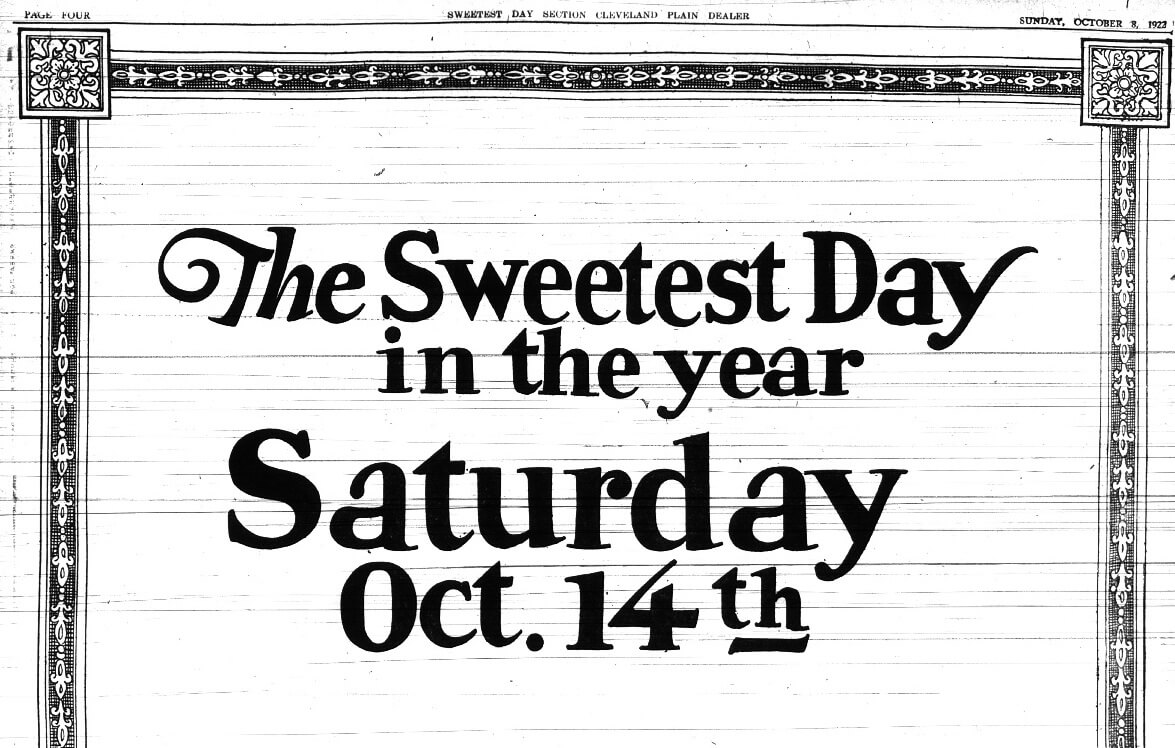
Sweetest Day was not born from historical tradition or religious observance, but from a strategic decision by candy manufacturers in 1921. Herbert Birch Kingston, a candy philanthropist in Cleveland, Ohio, initiated the day to distribute sweets to the underprivileged, orphans, and the lonely. However, the movement quickly pivoted from altruism to a sophisticated marketing machine designed to stimulate sluggish mid-autumn retail sales.
The Marketing Pivot
From a brand perspective, the early adoption of Sweetest Day by the confectionery industry serves as a masterclass in behavioral psychology. By positioning the act of gift-giving as a social obligation rather than a discretionary choice, companies shifted the product from a “treat” to a “token of affection.” This rebranding of chocolate and confectionaries as emotional messengers allowed companies to justify higher price points, premium packaging, and gift-set bundles that would otherwise struggle for relevance in the long gap between Valentine’s Day and the winter holiday season.
Creating the Gap in the Calendar
Brand strategists are always looking for “white space”—gaps in the calendar where consumer spend is low and attention is fragmented. Sweetest Day effectively filled the void between the back-to-school rush and the holiday season. By creating a specific day dedicated to “doing something nice for someone,” companies successfully programmed the market to associate the brand with the positive emotional reinforcement of social recognition. This is a foundational strategy in building long-term brand equity: linking the product directly to an act of kindness or social validation.
The Psychology of Niche Holidays and Brand Loyalty
For a brand, the goal of participating in or championing a day like Sweetest Day is to foster a sense of belonging and community. In an era where digital saturation makes it difficult to stand out, niche holidays provide a structured environment for brand engagement.
The Architecture of Reciprocity
Human behavior is deeply rooted in reciprocity. When a brand prompts consumers to celebrate Sweetest Day, they are tapping into the expectation of mutual social exchange. By purchasing a product, the consumer is performing a social contract. This is a sophisticated brand strategy known as “permissioned consumption.” The consumer feels empowered to spend because the purchase is framed as an act of altruism or relationship maintenance. The brand, in turn, occupies the role of the enabler, providing the necessary tools (the product) to satisfy the emotional need.
Consumer Sentiment vs. Corporate Cynicism
The tension surrounding Sweetest Day—often characterized by media backlash regarding its “made-up” nature—is actually a valuable metric for brand marketers. Brands that successfully navigate this cynicism do so by leaning into the sentimentality rather than the commercialism. Companies that emphasize the “sweet gesture” rather than the “sweet purchase” build a stronger corporate identity. They are not selling candy; they are selling the opportunity to be thoughtful. This distinction is critical in modern brand strategy, where consumers prioritize brands that align with their personal values and emotional states.
Leveraging Sweetest Day in a Modern Digital Strategy
In the current digital landscape, Sweetest Day functions as an excellent “micro-moment” for content marketing and brand storytelling. Unlike the high-stakes, high-budget pressure of Christmas or Valentine’s Day, Sweetest Day allows for a more authentic, low-pressure approach to customer acquisition and retention.
Micro-Influencer Integration and Social Proof
For many brands, Sweetest Day provides the perfect hook for influencer marketing campaigns. Because the day is centered on small, personal acts of kindness, it is perfectly suited for user-generated content (UGC). Brands that encourage their community to share stories of how they are making someone’s day “sweeter” generate organic social proof. This strategy moves the brand away from a transactional relationship and into a relational one. A campaign that highlights real-world stories of kindness is far more likely to generate high conversion rates than a standard discount-driven push.
Personalization and Data Collection
Niche holidays offer unique opportunities for data harvesting and personalization. By creating Sweetest Day digital gift guides or sentiment-based quizzes, brands can capture valuable consumer preferences. For example, a company might use a “What is your partner’s sweetness profile?” quiz to segment their email list, allowing for highly targeted product recommendations. This turns a minor holiday into a strategic data-gathering exercise that informs broader marketing initiatives for the remainder of the Q4 shopping season.
The Long-Term Brand Equity of Manufactured Occasions
Does a manufactured holiday like Sweetest Day actually build long-term value, or does it merely provide a temporary bump in revenue? The answer lies in how the brand integrates the day into its broader corporate identity.
Creating a Sustainable Retail Calendar
Successful brand strategy is about consistency. If a brand only engages with Sweetest Day in a purely transactional way—focusing solely on price cuts or limited-time offers—they risk cheapening their identity. However, brands that build a narrative around the day—perhaps by partnering with local charities, donating a percentage of proceeds, or promoting themes of gratitude—reinforce their brand purpose. By aligning the retail event with a clear brand mission, the company ensures that the “holiday” adds value to their overall positioning rather than detracting from it.
Scaling the Strategy
As we look at the evolution of retail, the rise of “micro-holidays” is likely to continue. Amazon Prime Day and various “National [Product] Days” are modern equivalents of the Sweetest Day strategy. They represent the democratization of the calendar. For companies, the takeaway is clear: don’t wait for established holidays to engage your customer base. Identify the emotional triggers that align with your product and design your own occasions. Whether it is a “Founder’s Day” sale or a “Customer Appreciation Day” modeled after Sweetest Day, the strategic objective remains the same: create a reason to engage, provide a vehicle for emotional expression, and reinforce your position in the consumer’s lifestyle.

Conclusion: Lessons for the Modern Brand
Sweetest Day serves as a critical reminder that brand strategy is essentially the engineering of human experience. It proves that with the right combination of emotional resonance and consistent messaging, any day can become a focal point for commerce. While it may have originated from a simple need to sell sweets, the legacy of Sweetest Day is the realization that people crave reasons to celebrate and connect. Brands that understand this fundamental human need, and that can effectively articulate their role in that connection, are the ones that survive the volatility of the retail environment.
In summary, the holiday teaches us that brand equity is not just about the quality of the product, but the quality of the narrative surrounding the act of consumption. Whether or not Sweetest Day is “real” is irrelevant; what matters is that it provides a platform for brands to demonstrate empathy, foster community, and drive meaningful engagement. As we move into an increasingly automated world, the ability to manufacture such moments of human warmth and sentimentality will remain one of the most effective tools in the marketer’s arsenal. Those who learn to balance the commercial reality of the retail calendar with the emotional needs of their customer base will find that the sweetest days are often the ones they create for themselves.
aViewFromTheCave is a participant in the Amazon Services LLC Associates Program, an affiliate advertising program designed to provide a means for sites to earn advertising fees by advertising and linking to Amazon.com. Amazon, the Amazon logo, AmazonSupply, and the AmazonSupply logo are trademarks of Amazon.com, Inc. or its affiliates. As an Amazon Associate we earn affiliate commissions from qualifying purchases.