
The Technological Foundation of Immunotherapy Efficacy
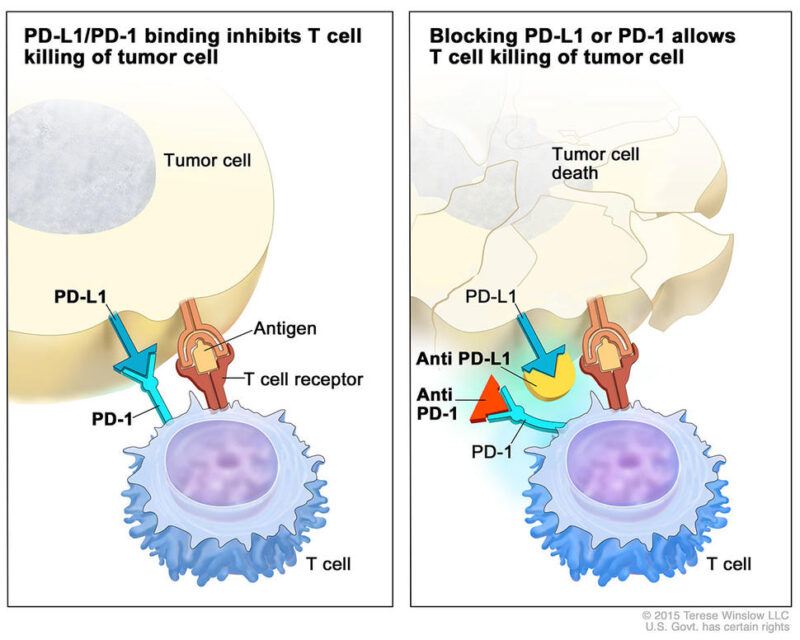
Immunotherapy represents a significant paradigm shift in cancer treatment, leveraging the body’s own immune system to identify and destroy cancer cells. For bladder cancer, particularly advanced stages, it has emerged as a cornerstone therapy. The success rates, while variable and continuously evolving, are intrinsically linked to a cascade of technological advancements that have enabled its development, precision, and application. At its core, immunotherapy for bladder cancer, primarily involving immune checkpoint inhibitors, relies on sophisticated biotechnological engineering. These inhibitors, such as pembrolizumab and atezolizumab, are monoclonal antibodies designed using advanced protein engineering techniques to block specific proteins (like PD-1 or PD-L1) that cancer cells exploit to evade immune detection.

The initial success of these agents stemmed from decades of cellular and molecular biology research, powered by high-throughput screening technologies, genomic sequencing, and advanced computational modeling. These tools allowed scientists to map immune pathways, identify critical checkpoints, and design molecules with high specificity and affinity. Without these foundational technological capabilities, the very existence of targeted immunotherapies would not be possible. The ability to produce these complex biological drugs on a large scale, maintaining their structural integrity and potency, is a marvel of biopharmaceutical manufacturing technology, involving bioreactor design, purification processes, and quality control systems.
Biotech Innovations in Drug Development for Bladder Cancer
The development of immune checkpoint inhibitors, specifically targeting the PD-1/PD-L1 pathway, has revolutionized the treatment landscape for advanced urothelial carcinoma (bladder cancer). These drugs, representing a pinnacle of modern biotechnology, effectively “uncloak” cancer cells, allowing the immune system to recognize and attack them. Initial success rates in metastatic bladder cancer, particularly for patients ineligible for cisplatin-based chemotherapy, showed objective response rates (ORR) ranging from 15% to 25% with durable responses observed in a subset of patients. This was a significant improvement over previous second-line therapies which offered limited survival benefits. For patients who respond, the durability of the response can be remarkable, often lasting for years, which contrasts sharply with the transient benefits often seen with conventional chemotherapy in this setting.
Beyond these established checkpoint inhibitors, the biotech pipeline is rich with next-generation immunotherapies. This includes bispecific antibodies, oncolytic viruses, and adoptive cell therapies like CAR-T cells, all of which are products of intensive biotechnological innovation. While CAR-T cells are not yet standard for bladder cancer, ongoing research is exploring their potential, building on success in hematologic malignancies. These advanced therapies promise to expand the responder population and improve success rates further by addressing mechanisms of resistance and enhancing immune activation through novel technological means.
Diagnostic Technologies for Precision Patient Selection
A critical factor influencing the perceived “success rate” of immunotherapy is patient selection, which is heavily reliant on advanced diagnostic technologies. Biomarker testing, especially for PD-L1 expression, plays a pivotal role, though its predictive value for bladder cancer remains complex and often debated. Technologies such as immunohistochemistry (IHC) staining, flow cytometry, and advanced genomic sequencing are employed to identify patients most likely to benefit. Next-generation sequencing (NGS) platforms, a cornerstone of precision oncology, enable comprehensive molecular profiling of tumors. This technology allows for the identification of tumor mutational burden (TMB) and microsatellite instability (MSI), which are emerging as important predictive biomarkers for immunotherapy response across various cancers, including bladder cancer. High TMB, for instance, suggests a greater likelihood of neoantigen presentation, making the tumor more visible to the immune system.
Furthermore, liquid biopsies, a less invasive diagnostic technology, are gaining traction. These involve analyzing circulating tumor DNA (ctDNA) or circulating tumor cells (CTCs) from a blood sample. This technology allows for real-time monitoring of tumor evolution, assessment of treatment response, and detection of minimal residual disease, providing invaluable insights without the need for repeat tissue biopsies. The sensitivity and specificity of these liquid biopsy platforms are continuously being refined through advancements in molecular biology and bioinformatics, contributing to more precise patient selection and adaptive treatment strategies, thereby optimizing the chance of success with immunotherapy.
Leveraging Digital Health and AI for Optimized Outcomes
The journey from initial response rates to truly optimized outcomes in bladder cancer immunotherapy is increasingly paved by digital health technologies and artificial intelligence (AI). These technologies are not just tools but transformative forces that promise to enhance every stage of the patient journey, from diagnosis and treatment planning to real-time monitoring and long-term follow-up, ultimately aiming to elevate the overall success rate.
Predictive Analytics and Machine Learning in Treatment Response
Machine learning (ML) algorithms are being deployed to analyze vast datasets encompassing clinical outcomes, genomic profiles, imaging data, and even gut microbiome information. By identifying subtle patterns and correlations that are imperceptible to the human eye, AI can predict which patients are most likely to respond to specific immunotherapies for bladder cancer and, conversely, who might experience adverse events or primary resistance. This capability is revolutionary. For example, AI models are being trained on hundreds of thousands of patient records to pinpoint specific gene mutations, immune cell infiltration patterns (analyzed from digital pathology slides), or radiomic features from CT scans that correlate with durable responses. This moves beyond simple PD-L1 testing to a multi-modal, integrated predictive approach. The accuracy of these predictive analytics tools, while still under active development, is rapidly improving, allowing clinicians to make more informed decisions, tailor treatment strategies, and potentially avoid ineffective therapies for non-responders, thereby enhancing the overall “success” of the treatment paradigm.
Real-time Monitoring and Data Integration
Digital health platforms, including advanced electronic health records (EHRs), patient portals, and wearable devices, facilitate the real-time monitoring of patients undergoing immunotherapy for bladder cancer. Wearable sensors can track vital signs, activity levels, sleep patterns, and even early indicators of immune-related adverse events (irAEs). This continuous data stream, when integrated and analyzed by smart algorithms, allows for timely interventions, preventing severe complications and ensuring patients remain on therapy longer and more safely.
Furthermore, sophisticated data integration platforms are crucial for consolidating information from diverse sources – pathology reports, genomic sequencing results, imaging studies, and patient-reported outcomes. This holistic view, often presented through intuitive dashboards, empowers multidisciplinary teams to track treatment efficacy, manage side effects proactively, and adapt care plans dynamically. The ability to quickly identify non-responders or those developing resistance allows for prompt shifts to alternative therapies, minimizing wasted time and resources and improving the patient’s prognosis. This technological ecosystem transforms reactive care into proactive, personalized medicine, directly contributing to better overall treatment success.
Challenges and Technological Solutions in Improving Success Rates
Despite the undeniable progress, immunotherapy for bladder cancer still faces significant challenges, notably primary and acquired resistance. A substantial portion of patients either do not respond to initial therapy or experience disease progression after an initial period of response. Addressing these challenges requires continuous technological innovation across multiple fronts.
Overcoming Resistance with Novel Tech Approaches
Primary resistance, where the tumor never responds to immunotherapy, is a complex biological phenomenon. Technological solutions are exploring several avenues. Advanced gene-editing technologies like CRISPR-Cas9 are being investigated to modify tumor cells to make them more immunogenic or to engineer immune cells to enhance their tumor-killing capabilities. For instance, researchers are exploring ways to knockout genes in tumor cells that contribute to immune evasion or to insert genes into T-cells that improve their ability to infiltrate and destroy bladder cancer.
Combination therapies, often involving novel drugs developed through biotechnology, are another key strategy. This includes combining checkpoint inhibitors with targeted therapies that address specific oncogenic pathways (e.g., FGFR inhibitors for bladder cancer with FGFR alterations), chemotherapy, radiation, or other immunomodulatory agents. The design and testing of these complex combinatorial regimens are highly technology-dependent, relying on high-throughput screening, advanced cell culture models, and sophisticated computational simulations to predict synergistic effects and optimize dosing.
Acquired resistance, where a tumor initially responds but then progresses, often involves tumor adaptation and evolution. Here, liquid biopsy technologies become critical for non-invasively monitoring changes in the tumor’s genetic landscape, allowing for the early detection of resistance mechanisms. This enables clinicians to switch therapies proactively before significant disease progression occurs.
Enhancing Delivery Systems and Targeting Precision
The efficacy of immunotherapy can also be limited by suboptimal drug delivery to the tumor site and off-target effects. Nanotechnology offers promising solutions for enhancing delivery systems. Nanoparticles can be engineered to encapsulate immunotherapeutic agents, protecting them from degradation and enabling targeted delivery directly to tumor cells or tumor-infiltrating immune cells. This localized delivery can significantly increase drug concentration at the tumor site while minimizing systemic exposure and reducing side effects. For bladder cancer, intravesical delivery of nanoparticles or modified viruses might enhance efficacy for non-muscle invasive disease.
Furthermore, advanced imaging technologies, such as molecular imaging with PET/CT using novel tracers, are being developed to precisely visualize tumor lesions and immune cell infiltration. This not only aids in diagnosis and staging but also helps guide the delivery of immunotherapeutic agents and monitor their uptake and distribution within the tumor microenvironment. Robotics and minimally invasive surgical techniques, when combined with localized immunotherapy, also offer avenues for more precise and effective treatment application, further contributing to improved success rates.
The Future of Bladder Cancer Immunotherapy: A Tech-Driven Horizon
The continuous evolution of immunotherapy for bladder cancer is inextricably linked to ongoing technological innovation. The future landscape promises even greater precision, personalization, and enhanced efficacy, all driven by cutting-edge developments in technology.
AI-driven Drug Discovery and Clinical Trial Design
Artificial intelligence is poised to accelerate drug discovery for bladder cancer immunotherapies dramatically. AI algorithms can analyze vast chemical libraries, biological pathways, and genomic data to identify novel drug targets and design new therapeutic molecules with unprecedented speed and accuracy. Beyond discovery, AI is transforming clinical trial design. By using machine learning to predict patient responses, identify optimal trial populations, and analyze complex trial data in real-time, AI can streamline the drug development process, reduce costs, and bring effective therapies to patients faster. This includes identifying biomarkers for predicting both response and toxicity, enabling more adaptive and personalized clinical trial designs specifically for bladder cancer patients.

Personalized Medicine Through Advanced Data Science
The ultimate goal for improving success rates in bladder cancer immunotherapy is true personalized medicine. This future is built upon advanced data science. By integrating a patient’s unique genomic profile, proteomic data, microbiome composition, lifestyle factors, and real-world outcomes data into comprehensive computational models, clinicians will be able to select the most effective immunotherapy regimen for each individual patient with high precision. Wearable technology and continuous monitoring will feed into these models, allowing for dynamic adjustments to treatment plans based on real-time physiological responses and early indicators of disease progression or treatment toxicity. This sophisticated, data-driven approach, powered by big data analytics and AI, will move beyond “one-size-fits-all” treatment, ushering in an era where the success rate of immunotherapy for bladder cancer is not just an average statistic but a personalized certainty for a growing number of patients.
aViewFromTheCave is a participant in the Amazon Services LLC Associates Program, an affiliate advertising program designed to provide a means for sites to earn advertising fees by advertising and linking to Amazon.com. Amazon, the Amazon logo, AmazonSupply, and the AmazonSupply logo are trademarks of Amazon.com, Inc. or its affiliates. As an Amazon Associate we earn affiliate commissions from qualifying purchases.