
The quest for the “strongest” over-the-counter (OTC) cough medicine is a common pursuit for consumers battling the discomfort of a lingering cough. Yet, the answer isn’t a simple medical recommendation; it’s a complex interplay of pharmacological efficacy, strategic branding, sophisticated marketing, and carefully cultivated consumer perception. In the crowded landscape of OTC remedies, pharmaceutical companies invest heavily in defining, articulating, and proving the “strength” of their offerings to stand out. This article delves into how brands approach this challenge, examining the strategies that translate active ingredients into compelling brand promises of potency and relief.

The Brand Strategy Behind “Strength”: Decoding Efficacy Claims
For consumers, “strength” often equates to rapid, effective relief. For brands, it’s a multi-faceted concept encompassing ingredient potency, formulation innovation, and the astute communication of these attributes. Crafting a brand image around being the “strongest” requires more than just a powerful formula; it demands a coherent strategy that aligns product development with marketing narratives and consumer expectations.
Active Ingredients and Brand Positioning
At the core of any cough medicine is its active ingredient(s). These are the chemicals responsible for alleviating symptoms, such as dextromethorphan (a cough suppressant), guaifenesin (an expectorant), or antihistamines and decongestants for multi-symptom relief. Brands meticulously select and combine these ingredients to target specific types of coughs or multiple symptoms. The brand’s positioning then hinges on how it communicates the efficacy and concentration of these ingredients.
A brand aiming for “strongest” will often highlight:
- Higher Doses: Emphasizing maximum permissible doses of active ingredients, often reflected in product names like “Maximum Strength” or “Extra Strength.” This communicates potency directly.
- Multi-Symptom Formulas: Positioning a product as strong because it tackles a broader range of symptoms (cough, cold, flu) with multiple active ingredients, suggesting comprehensive relief.
- Unique Combinations: Highlighting proprietary blends or combinations that claim superior or faster action compared to single-ingredient alternatives.
The brand’s visual identity and messaging must consistently reinforce this ingredient-based positioning. Packaging might feature bold fonts, scientific-looking iconography, or clear labels that state “2x the Power” or “Fast-Acting Formula,” all designed to convey immediate and robust relief.
The Role of Formulation in Brand Perception
Beyond just the active ingredients, the formulation of a cough medicine plays a critical role in its perceived strength and how it’s branded. This includes the delivery method, taste, texture, and onset of action.
- Delivery Systems: Brands develop various formats—syrups, capsules, lozenges, sprays—each with specific benefits that can be leveraged for branding. A “fast-acting liquid gel” capsule, for instance, implies quick absorption and powerful effect, even if the active ingredient is common. A “long-lasting” syrup might suggest sustained relief, thereby defining strength in terms of duration.
- Flavor and Texture: While not directly related to efficacy, a pleasant taste or smooth texture can enhance user experience and indirectly contribute to a perception of quality and effectiveness. A harsh-tasting medicine, even if effective, might be perceived as less desirable. Brands often invest in R&D to mask the taste of potent ingredients without compromising their effectiveness, turning a potential drawback into a positive brand attribute.
- Onset of Action: Brands frequently highlight how quickly their product starts working. Phrases like “starts working in minutes” are powerful marketing tools that associate speed with strength and immediate relief, addressing a critical consumer need. This is often supported by clinical data which, when communicated effectively, bolsters the brand’s credibility.
Ultimately, the goal is to translate these formulation advantages into clear, compelling brand benefits that resonate with consumers looking for the most effective solution.
Crafting a Powerful Brand Identity for OTC Cough Remedies
A strong brand identity is essential for distinguishing an OTC cough medicine in a highly competitive market. It’s not just about what the product does, but what it represents in the consumer’s mind—trust, reliability, and, crucially, efficacy. Every element, from packaging to advertising, must cohesively communicate the brand’s promise of “strength.”
Visual Cues and Packaging Design that Communicate Potency
Packaging is often the first point of contact between a brand and a consumer. For OTC cough medicines, visual cues on the packaging are paramount in conveying strength and efficacy at a glance.
- Color Palette: Brands often utilize colors associated with intensity, science, or immediate action. Deep blues, strong reds, metallic accents, and stark whites can evoke a sense of clinical effectiveness and power. Conversely, lighter, more natural tones might be used for “natural” or “gentle” formulations, demonstrating how color strategy aligns with desired brand perception.
- Typography and Graphics: Bold, uppercase fonts communicate authority and impact. Sharp, angular graphics or scientific-inspired imagery (e.g., molecular structures, stylized bursts) can visually reinforce potency. Icons depicting speed (e.g., a clock or a lightning bolt) or comprehensive relief (e.g., multiple symptom icons) are effective shorthand for communicating product benefits.
- Structural Design: The shape and material of the bottle or box can also contribute. A sturdy, no-nonsense bottle might convey reliability and effectiveness, while sleek, modern packaging can suggest advanced formulation. Child-proof caps, while a regulatory necessity, also subtly communicate the potency that requires careful handling.
The goal is to create a visual language that instantly assures the consumer that this product means business and delivers on its promise of robust relief.
Messaging and Slogans: Reinforcing “Strength”
The language used in marketing and branding is critical for shaping perception. Slogans, taglines, and ad copy are meticulously crafted to reinforce the message of “strength” without making unsubstantiated claims.
- Direct Claims: Phrases like “Maximum Strength,” “Extreme Relief,” “Severe Cold & Cough,” and “All-Day/Night Power” directly communicate potency and duration of effect. These terms are often accompanied by specific symptom relief claims.
- Benefit-Oriented Language: Marketing copy focuses on the outcome of strength: “Knocks out tough coughs,” “Works hard so you don’t have to,” “Powerful relief you can feel.” This connects the product’s efficacy to the consumer’s desire for comfort and quick recovery.
- Trust and Authority: Brands often incorporate language that builds trust, such as “Doctor Recommended,” “Pharmacist Trusted,” or “Clinically Proven.” These endorsements lend scientific credibility to the strength claims, transforming them from mere marketing hype into evidence-backed assurances.
- Narrative Building: Some brands create narratives around their products, positioning them as the ultimate weapon against illness. This might involve portraying a struggle against a cough, with the product emerging as the triumphant solution, thereby embedding the idea of its superior strength.
Effective messaging ensures that the brand’s promise of “strength” is not just heard but understood and believed by the target audience.
Marketing “Strongest”: From Consumer Trust to Competitive Edge
The journey from a potent formula to a market-leading “strongest” brand involves sophisticated marketing strategies that build consumer trust and carve out a distinct competitive edge. This is particularly crucial in a segment where product differentiation can often appear subtle to the uninitiated consumer.
Leveraging Clinical Trials and Endorsements in Brand Narratives
In the pharmaceutical world, evidence is king. Brands seeking to claim “strongest” leverage scientific backing to underpin their marketing efforts.
- Clinical Data Communication: While detailed clinical trial results might be too dense for mainstream advertising, brands distill key findings into digestible messages. Stating “proven to relieve cough for up to 8 hours” or “clinical studies show faster symptom relief” adds a layer of scientific credibility. The challenge is to simplify complex data into a compelling, trustworthy brand narrative without oversimplifying or misleading.
- Professional Endorsements: Endorsements from doctors, pharmacists, or medical associations are powerful tools. A “doctor recommended” seal or testimonial significantly boosts consumer confidence and reinforces the perception of efficacy and safety, aligning the brand with medical authority. These endorsements are often the result of long-term relationship building and proof of concept within the medical community.
- Testimonials and User-Generated Content: While not clinical, positive testimonials from real users can be incredibly persuasive. When consumers share their personal experiences of rapid and effective relief, it creates an authentic narrative around the product’s strength. Brands often encourage and amplify these stories, turning satisfied customers into brand advocates.
By weaving scientific evidence and expert opinions into their brand narratives, companies transform abstract claims of “strength” into tangible, trustworthy promises.
Digital Marketing Strategies for Over-the-Counter Products
The digital age has opened new avenues for OTC brands to market their products and reinforce their “strongest” positioning. Digital strategies allow for more targeted, interactive, and measurable campaigns.
- Content Marketing: Brands create educational content that not only promotes their product but also provides valuable information about cough types, active ingredients, and symptom management. Blog posts, infographics, and videos that explain why certain ingredients are effective or how a specific formulation works help consumers understand the science behind the strength claims. This builds authority and trust.
- Search Engine Optimization (SEO): Optimizing content for keywords like “best cough medicine,” “fastest cough relief,” or “strongest cough suppressant” ensures that when consumers search for solutions, the brand’s offerings appear prominently. This organic visibility is crucial for capturing interest at the point of need.
- Social Media Engagement: Platforms like Facebook, Instagram, and TikTok allow brands to engage directly with consumers, answer questions, and build community. Campaigns can highlight user experiences, offer practical tips, and run polls that reinforce the brand’s effectiveness. Influencer marketing, where credible voices share their positive experiences, can also be highly effective.
- Programmatic Advertising and Retargeting: Digital advertising allows brands to target specific demographics and individuals who have shown interest in cold & flu remedies. Retargeting strategies can remind potential customers of the brand’s “strongest” offerings, ensuring top-of-mind awareness.
Digital marketing enables brands to communicate their strength claims efficiently and effectively, reaching consumers where they are seeking information and solutions.
Case Studies in Cough Medicine Branding: Lessons from the Leaders
Examining successful brands in the OTC cough medicine market reveals common threads in their approach to defining and marketing “strength.” These brands have not only developed effective products but have also mastered the art of brand storytelling and market positioning.
Analyzing Brand Success in a Crowded Market
Leading brands often achieve their “strongest” perception through a combination of consistent innovation, clear communication, and strategic market segmentation.
- Vick’s/VapoRub: While not a typical oral cough medicine, VapoRub exemplifies branding “strong” relief through sensory experience and tradition. Its distinct menthol scent and topical application are immediately associated with powerful, penetrating relief. The brand has successfully ingrained itself as a trusted, generations-old remedy, implying a proven, enduring strength.
- Robitussin/Delsym: These brands often use clear, benefit-oriented language (“DM” for cough suppressant, “CF” for cold & flu) and highlight specific active ingredients and their durations of action (e.g., “12-hour relief”). Their packaging is typically straightforward and clinical, reinforcing a no-nonsense, effective approach. They have successfully segmented the market by offering different “strengths” or combinations for various symptoms, catering to precise consumer needs.
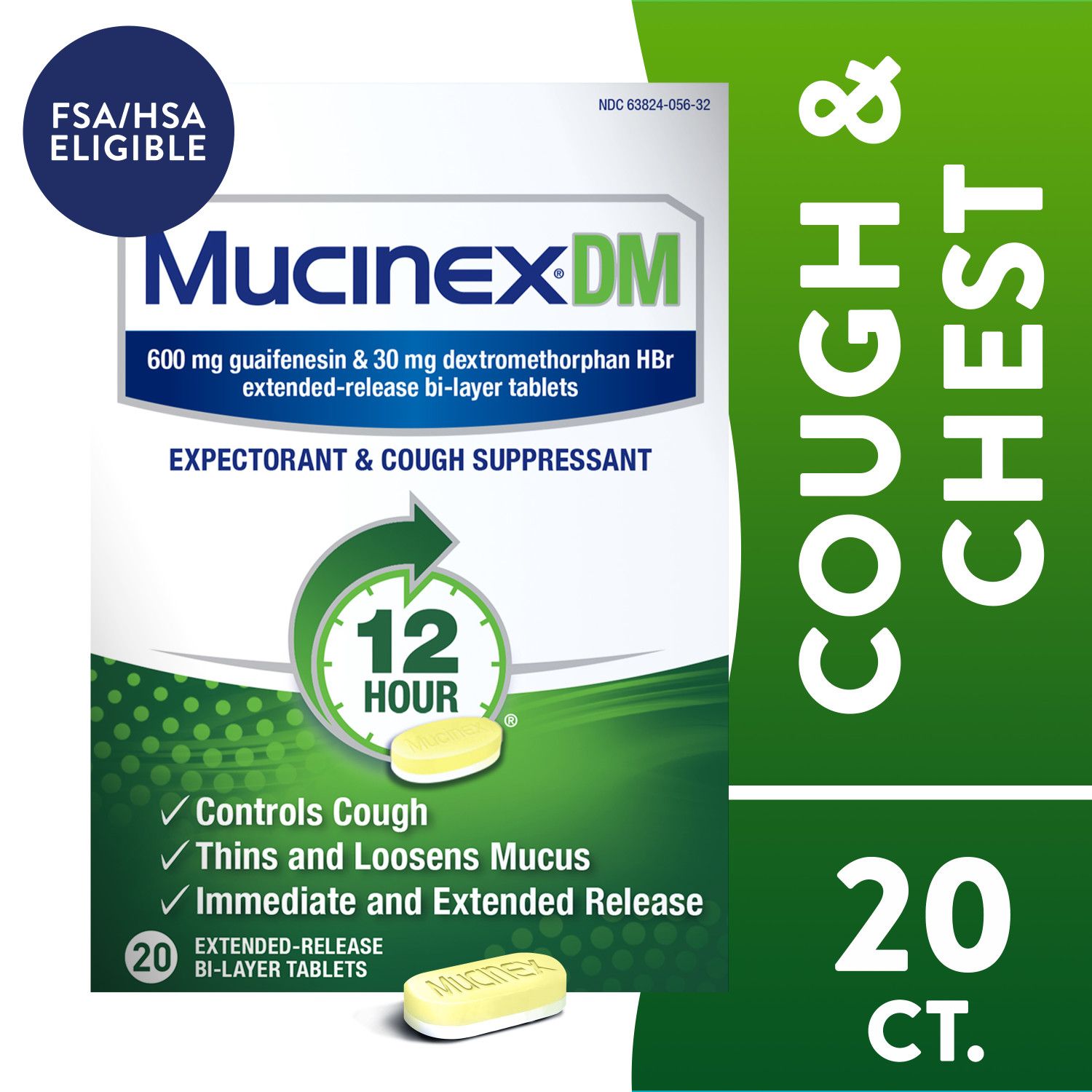
- Mucinex: Mucinex famously broke through the market with a strong focus on a single active ingredient (guaifenesin) and its unique extended-release bi-layer tablet, which allowed for 12-hour relief. Their marketing centered on “breaking up mucus” with bold, often humorous, but always direct messaging. The visual identity, particularly their “Mr. Mucus” character, personified the problem and positioned Mucinex as the powerful solution, effectively branding the specific strength of their expectorant.
These case studies highlight that “strength” can be defined in multiple ways—sensory, duration, comprehensive, or specific—and that effective branding involves clearly articulating this unique value proposition.

Adapting Brand Strategy for Evolving Consumer Needs
The definition of “strongest” is not static; it evolves with consumer preferences, scientific advancements, and cultural shifts. Brands must continually adapt their strategies to remain relevant and perceived as leaders.
- Natural and Holistic Trends: With a growing interest in natural remedies, some brands are exploring formulations with ingredients like honey, elderberry, or herbal extracts. The challenge here is to brand these as “strong” in a different sense—powerful because they are natural or gentle, appealing to consumers who might be wary of synthetic compounds. This requires a shift in messaging and visual identity to reflect purity and natural efficacy.
- Personalization and Customization: As consumers seek more tailored health solutions, brands might explore ways to offer personalized recommendations or even customized product blends (within regulatory limits). A future “strongest” brand might be one that offers the most precise and individualized relief.
- Transparency and Ethical Sourcing: Modern consumers demand transparency. Brands that can openly communicate the sourcing of their ingredients, their manufacturing processes, and their commitment to ethical practices build a deeper level of trust, which in turn strengthens their overall brand equity and perception of reliability.
In conclusion, the quest for the “strongest over-the-counter cough medicine” is not merely a search for a pharmacological powerhouse; it’s an engagement with the sophisticated strategies employed by pharmaceutical brands. From the careful selection and formulation of active ingredients to the intricate design of packaging, the strategic messaging, and the deployment of targeted marketing campaigns, every element works in concert to define, communicate, and solidify a brand’s promise of efficacy and robust relief. Ultimately, the “strongest” brand is not just the one with the most potent formula, but the one that most effectively convinces consumers of its unwavering commitment to overcoming their symptoms, building lasting trust and loyalty in the process.
aViewFromTheCave is a participant in the Amazon Services LLC Associates Program, an affiliate advertising program designed to provide a means for sites to earn advertising fees by advertising and linking to Amazon.com. Amazon, the Amazon logo, AmazonSupply, and the AmazonSupply logo are trademarks of Amazon.com, Inc. or its affiliates. As an Amazon Associate we earn affiliate commissions from qualifying purchases.