
In the annals of history and literature, few narratives provide as comprehensive a framework for economic management as the story of Joseph. While traditionally viewed through a theological lens, the account of Joseph’s rise from a Hebrew slave to the Vizier of Egypt serves as one of the earliest and most profound case studies in macroeconomics, strategic planning, and personal finance. At its core, the “Joseph Principle” is a blueprint for navigating the inevitable cycles of abundance and scarcity that define global markets.
For the modern investor, entrepreneur, or financial professional, the lessons derived from this ancient narrative are more relevant than ever. In an era of high-market volatility, inflationary pressures, and geopolitical instability, understanding how to manage “the seven years of plenty” to survive “the seven years of famine” is the difference between long-term solvency and financial ruin.
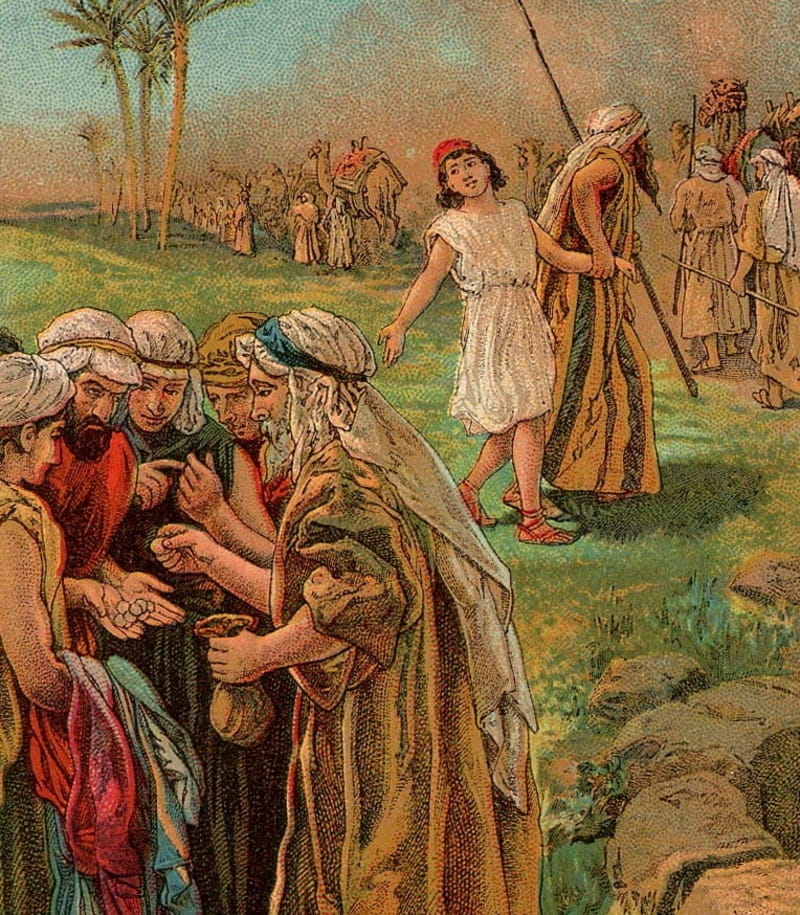
The Macroeconomic Foresight of Joseph: Understanding Market Volatility
The story begins with a prophetic vision of two distinct seven-year cycles. In modern financial terms, these represent the “Boom and Bust” cycles that characterize every capitalist economy. Joseph’s unique contribution was not merely the prediction of these cycles, but the immediate implementation of a proactive fiscal policy.
Identifying the Seven Years of Plenty
In the modern market, the “years of plenty” are characterized by bull markets, low interest rates, and high consumer confidence. During these periods, asset prices inflate, and capital flows freely. Joseph recognized that the primary danger of a period of abundance is the illusion of permanence. When the “Nile overflows” and harvests are bountiful, the natural human inclination is toward increased consumption and over-leveraging.
Professional wealth management requires the discernment to recognize when a market is at its peak. Just as Joseph observed the fat cows and full ears of corn, modern investors must look at P/E ratios, employment data, and central bank signals to identify the stage of the current economic cycle.
The Psychology of Overconsumption in Bull Markets
One of the most significant hurdles in personal finance is “lifestyle creep.” During prosperous years, both individuals and corporations tend to expand their overhead. Joseph’s strategy was radical because it demanded restraint during a time of unprecedented surplus. He understood that the psychological comfort of a booming economy often blinds participants to systemic risks. By maintaining a disciplined perspective, Joseph prepared for a downturn that others refused to believe was coming.
Strategic Asset Allocation: The Art of the Reserve Fund
Joseph’s primary solution to the coming crisis was a mandatory 20% tax—or savings rate—on all produce during the years of abundance. This is the foundational principle of modern capital preservation.
The 20% Rule: Building a Modern Granary
In personal finance, the “Joseph Strategy” translates to a high savings rate and the aggressive building of an emergency fund. While many financial advisors suggest a three-to-six-month reserve, Joseph’s model suggests a much more robust approach. By setting aside 20% of his nation’s “GDP” during the good years, he created a sovereign wealth fund that ensured survival.
For a modern business, this means maintaining a “fortress balance sheet.” Companies like Berkshire Hathaway often follow this principle, holding massive cash reserves that allow them to remain liquid when credit markets freeze. This “granary” of capital serves as a buffer against unforeseen shocks, whether they be technological shifts, global pandemics, or market crashes.
Liquidity vs. Long-Term Growth
A critical aspect of Joseph’s management was the storage of grain—a highly liquid asset during a famine. In financial planning, there is often a tension between investing for growth and maintaining liquidity. Joseph’s strategy teaches us that while growth is essential during the “plenty” years, liquidity is the only thing that matters during the “famine.”
Modern investors must balance their portfolios so that they are not entirely tied up in illiquid assets (like real estate or private equity) when a downturn hits. Having “grain in the storehouse”—cash, short-term bonds, or highly liquid equities—allows for survival and, more importantly, provides the “dry powder” needed to acquire undervalued assets during a crash.
Navigating the Famine: Defensive Investing and Crisis Management

When the seven years of famine arrived, it was not just Egypt that suffered; the entire region was impacted. This illustrates the concept of “systemic risk.” When a major economic bubble bursts, the effects are rarely localized.
Preparing for the Lean Years Before They Arrive
The brilliance of Joseph’s plan was that by the time the famine started, the work was already done. Financial success in a recession is determined by the actions taken during the preceding boom. Once a crisis hits, options become limited. Credit tightens, asset values drop, and panic selling begins.
Joseph’s defensive posture allowed Egypt to not only survive but to thrive. Because they were the only ones with reserves, they became the world’s “lender of last resort.” In a modern context, those who enter a recession with low debt and high cash reserves are positioned to buy assets at a steep discount. This is the essence of contrarian investing: being fearful when others are greedy, and greedy when others are fearful.
Diversification as a Shield Against Systematic Failure
While Joseph focused on grain, the broader lesson is about resource management. The famine was a “Black Swan” event—an unpredictable occurrence with extreme consequences. The only defense against a Black Swan is redundancy and diversification. Joseph didn’t just save in one city; he built storehouses throughout every district of Egypt.
In a modern investment portfolio, this means diversifying across asset classes, geographies, and sectors. If your wealth is entirely tied to a single industry or a single currency, you are vulnerable to a localized “famine.” A geographically and sectorally diverse portfolio ensures that even if one “harvest” fails, the others can sustain the whole.
Ethics, Stewardship, and Leadership in Financial Governance
Joseph’s story concludes with him not only saving Egypt but also his own family and the surrounding nations. This highlights the ethical dimension of finance: wealth is not merely for personal consumption but for stewardship and the preservation of the community.
Social Responsibility in Wealth Accumulation
Joseph’s management of the Egyptian economy during the crisis was a masterclass in administrative ethics. He provided a mechanism for people to survive, though it involved a complex restructuring of property and labor. In modern corporate identity and brand strategy, this is reflected in the concept of “Stakeholder Capitalism.”
True financial leadership involves considering the long-term health of the ecosystem in which a business operates. A company that price-gouges during a crisis might see short-term gains, but it destroys its brand equity and long-term viability. Joseph’s “brand” as a wise and trustworthy leader was his greatest asset, allowing him to maintain social order during a period of extreme stress.
Sustainable Legacy and Intergenerational Wealth
Finally, Joseph’s story is one of legacy. He used his financial position to provide security for his descendants. In the world of money and investing, the goal is often shifted from “getting rich” to “staying wealthy.” Building a multi-generational legacy requires more than just picking the right stocks; it requires teaching the next generation the principles of the Joseph Strategy.
Intergenerational wealth is often lost because the “years of plenty” lead to a decay in the discipline required to survive the “years of famine.” By instilling a culture of stewardship, reserve-building, and ethical management, individuals can ensure that their financial “storehouses” remain full for generations to come.

Conclusion: Implementing the Joseph Strategy Today
The story of Joseph is far more than an ancient tale; it is a sophisticated economic framework that has stood the test of time. It teaches us that markets are cyclical, that scarcity is inevitable, and that preparation is the only rational response to uncertainty.
To master the Joseph Principle, one must:
-
Anticipate the Cycle: Recognize that periods of high growth will eventually be followed by periods of contraction.
-
Practice Disciplined Accumulation: Save aggressively (the 20% rule) when income is high.
-
Prioritize Liquidity: Ensure that a portion of your wealth is accessible during a crisis.
-
Invest Ethically: View wealth as a tool for stewardship and community stability.
In an increasingly volatile global economy, those who follow the wisdom of Joseph do not fear the “lean years.” Instead, they see them as an opportunity to demonstrate leadership, provide value, and secure their financial future. By building your storehouse today, you ensure that you will have plenty when the rest of the world faces a famine.
aViewFromTheCave is a participant in the Amazon Services LLC Associates Program, an affiliate advertising program designed to provide a means for sites to earn advertising fees by advertising and linking to Amazon.com. Amazon, the Amazon logo, AmazonSupply, and the AmazonSupply logo are trademarks of Amazon.com, Inc. or its affiliates. As an Amazon Associate we earn affiliate commissions from qualifying purchases.