
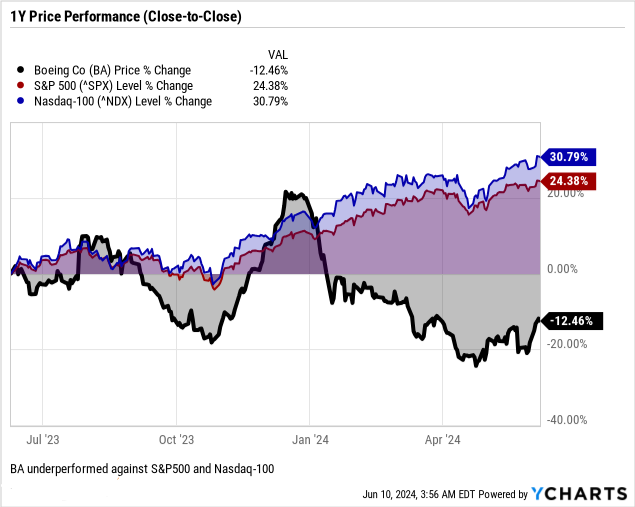
Understanding the stock price of a company like Boeing (NYSE: BA) goes far beyond simply knowing a numerical value at a given moment. It’s an intricate dance of market forces, global economics, corporate performance, and investor sentiment, all converging to assign a perceived worth to one of the world’s most iconic aerospace giants. For anyone interested in investing, tracking the stock price of a blue-chip industrial behemoth like Boeing offers a fascinating case study in market dynamics within the Money niche, encompassing aspects of personal finance, investing, and business finance.
Boeing, as an enterprise, is deeply embedded in critical global industries: commercial aviation and defense. Its performance is often seen as a bellwether for global trade, air travel demand, and geopolitical stability. Consequently, its stock price reflects not only the company’s internal health but also a broader panorama of economic and political conditions worldwide. This article delves into how one can ascertain Boeing’s stock price, interpret the various factors influencing it, and understand what this information truly means for an astute investor.
Understanding Boeing (BA) as an Investment
Before diving into the mechanics of its stock price, it’s crucial to grasp what Boeing represents as an investment. Boeing is not just another company; it’s a colossal entity with a rich history and a profound impact on global transportation and security.
A Legacy in Aerospace and Defense
Founded in 1916, Boeing has evolved from a small seaplane manufacturer into a global aerospace leader. Its legacy is built on innovation, from iconic commercial airliners like the 747 “Queen of the Skies” to advanced defense systems and space exploration technologies. This long-standing presence in critical sectors gives it a certain resilience and strategic importance, which can be attractive to investors seeking stability, albeit with its own set of unique industry-specific volatilities.
Key Business Segments: Commercial Airplanes, Defense, Space & Security, Global Services
Boeing operates primarily through several core segments, each contributing to its overall revenue and profitability, and thus influencing its stock performance:
-
Commercial Airplanes (BCA): This segment designs, develops, manufactures, markets, and sells commercial jet aircraft and provides related support services, predominantly for passenger and cargo transport. Demand in this sector is highly cyclical, tied closely to global economic growth, airline profitability, and air travel trends.
-
Defense, Space & Security (BDS): This segment is responsible for military aircraft, weapons, satellite systems, and space exploration vehicles. Its revenue streams are often more stable, driven by government contracts and geopolitical landscapes, making it a counter-cyclical hedge against commercial downturns to some extent.
-
Global Services (BGS): This segment provides aerospace services worldwide, including supply chain management, engineering, modifications, maintenance, and training for both commercial and defense customers. It represents a growing, higher-margin part of Boeing’s business, offering more predictable revenue streams.
The interplay and performance of these segments collectively determine Boeing’s financial health, which is then reflected in its stock price. Investors often analyze segment-specific news and performance indicators to form a comprehensive view.
Market Position and Competitive Landscape
Boeing operates in an oligopolistic market, particularly in commercial aviation, where its primary competitor is Airbus. In defense, it competes with other giants like Lockheed Martin, Northrop Grumman, and Raytheon Technologies. This competitive landscape means that market share shifts, new product introductions, and technological advancements by competitors can significantly impact Boeing’s future earnings potential and, consequently, its stock price. Understanding Boeing’s strategic positioning, order backlog, and production capabilities relative to its rivals is crucial for assessing its long-term investment viability.
How to Find and Interpret Boeing’s Stock Price
Knowing where to look for Boeing’s stock price and how to contextualize that number is fundamental for any investor. The raw number itself tells only a fraction of the story.
Real-time vs. Delayed Quotes: Where to Look
The most direct way to find Boeing’s stock price is through a financial market data provider.
-
Financial News Websites: Major financial news outlets like Bloomberg, Reuters, The Wall Street Journal, Yahoo Finance, and Google Finance offer easily accessible stock quotes. Simply type “BA” (Boeing’s ticker symbol) into their search bars. These platforms typically provide real-time or slightly delayed quotes (15-20 minutes, depending on the exchange and data agreement).
-
Brokerage Platforms: If you have an investment account, your brokerage platform (e.g., Fidelity, Schwab, E*TRADE, Interactive Brokers) will offer real-time streaming quotes for stocks you follow or hold. These platforms often provide the most comprehensive data, including bid/ask prices and depth of market.
-
Stock Exchange Websites: The official website of the New York Stock Exchange (NYSE), where Boeing is listed, also provides detailed information, though it might be less user-friendly for quick lookups.
When checking the price, note whether it’s “real-time” or “delayed.” For most retail investors, a 15-minute delay is usually acceptable for general monitoring, but for active trading, real-time data is critical.
Key Metrics Beyond the Price: Market Cap, P/E Ratio, Dividend Yield
The stock price is just one data point. To truly understand Boeing’s market valuation, other metrics are essential:
-
Market Capitalization (Market Cap): This is the total value of all outstanding shares, calculated by multiplying the current stock price by the number of shares outstanding. It gives an idea of the company’s overall size. Boeing, being a large-cap company, will have a substantial market cap, indicating its influential position in the market.
-
Price-to-Earnings (P/E) Ratio: This ratio compares the company’s current stock price to its earnings per share (EPS). A high P/E might indicate investors expect higher earnings growth in the future, while a low P/E could suggest undervaluation or concerns about future prospects. It’s crucial to compare Boeing’s P/E to its historical average and to industry peers.
-
Dividend Yield: If Boeing pays dividends, this metric shows the percentage of its share price that it pays out in dividends annually. For income-focused investors, a consistent and healthy dividend yield can be attractive. However, Boeing has a history of suspending or cutting dividends during challenging times, reflecting the cyclical nature of its business.
-
Earnings Per Share (EPS): This indicates how much profit the company makes for each outstanding share. Rising EPS generally signals a healthy and growing business.
-
Revenue: The total amount of money generated by the company’s sales. Consistent revenue growth is a positive sign.
-
Debt-to-Equity Ratio: This measures the proportion of debt a company uses to finance its assets relative to the value of shareholders’ equity. High debt can signal financial risk, especially for capital-intensive businesses like aerospace.
The Importance of Volume and Bid-Ask Spread
-
Trading Volume: This refers to the number of shares traded over a specific period. High volume often indicates strong interest in the stock and can confirm price movements. Low volume might suggest less conviction behind a price change.
-
Bid-Ask Spread: This is the difference between the highest price a buyer is willing to pay (bid) and the lowest price a seller is willing to accept (ask). A narrow spread indicates high liquidity and makes it easier to buy or sell at a fair price. For a large, heavily traded stock like Boeing, the spread is typically very narrow.
Factors Influencing Boeing’s Stock Performance
Boeing’s stock price is a dynamic reflection of numerous internal and external variables. Understanding these influences is key to making informed investment decisions.
Global Economic Health and Air Travel Demand
Boeing’s commercial airplane division is highly sensitive to the global economy. When economies are robust, business and leisure travel increase, leading airlines to expand their fleets and place new orders for aircraft. Conversely, economic downturns, recessions, or events like pandemics can severely curtail air travel, deferring or canceling aircraft orders and negatively impacting Boeing’s revenue and stock price. The recovery of the travel sector post-COVID-19, for example, has been a significant driver for Boeing’s commercial segment.
Regulatory Scrutiny and Safety Concerns
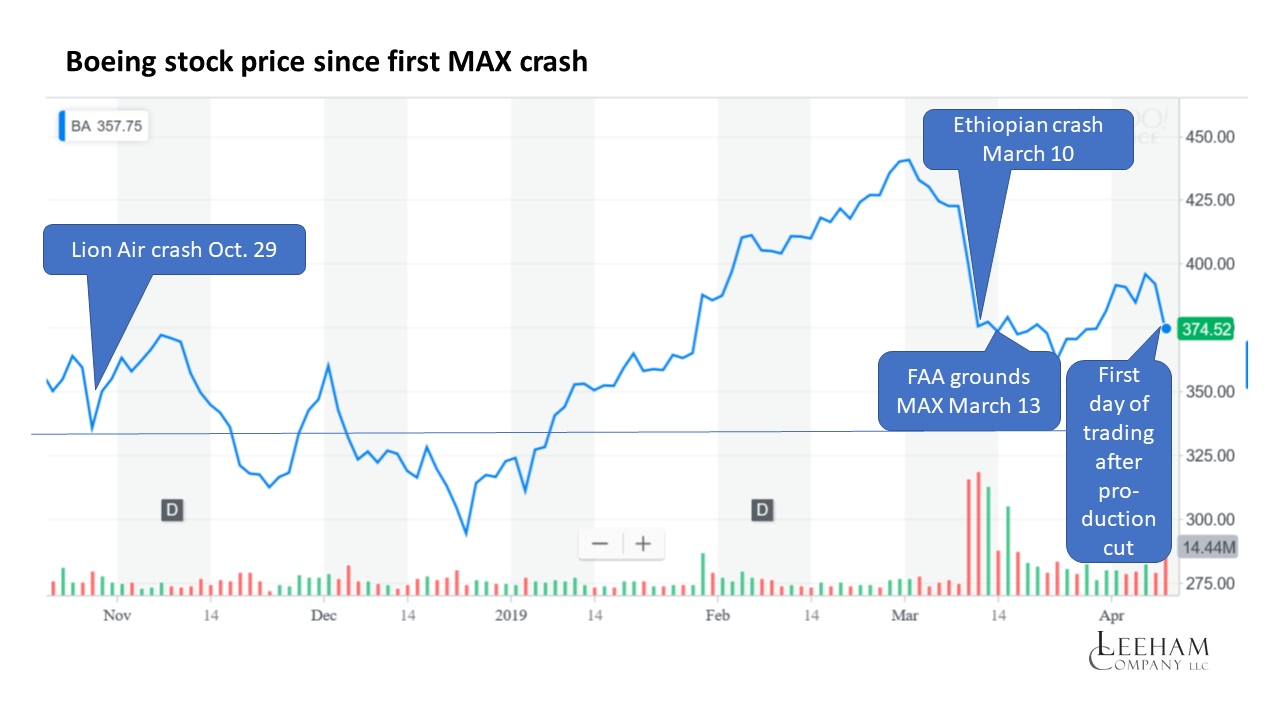
Perhaps no other factor has impacted Boeing’s stock more dramatically in recent years than regulatory scrutiny and safety concerns, particularly following the 737 MAX crashes. Such incidents lead to grounding of fleets, production halts, massive financial penalties, and a severe blow to public and airline confidence. The costs associated with design changes, compensation, and regaining certification can run into billions, directly affecting profitability and investor sentiment. Therefore, news related to aircraft safety, certification processes, and regulatory bodies (like the FAA or EASA) is paramount for BA investors.
Geopolitical Events and Defense Spending
The Defense, Space & Security segment provides a more stable revenue stream, but it is heavily influenced by geopolitical events and government defense budgets. Wars, regional conflicts, and evolving national security priorities often lead to increased defense spending, benefiting Boeing’s defense contracts. Conversely, periods of peace or budget austerity can reduce defense expenditures. International relations also play a role, as many defense sales are to foreign governments.
Supply Chain Challenges and Production Rates
Manufacturing complex aircraft involves an extensive global supply chain. Disruptions, whether due to pandemics, labor shortages, raw material scarcity, or geopolitical tensions, can severely impact Boeing’s production rates, leading to delivery delays and cost overruns. The ability to meet production targets and deliver aircraft efficiently is directly tied to revenue recognition and profitability, making supply chain health a critical determinant of stock performance.
Competition and Innovation
The rivalry with Airbus and other defense contractors pushes Boeing to continuously innovate and invest in research and development. The success of new aircraft programs, the efficiency of existing models, and technological breakthroughs (e.g., sustainable aviation fuels, autonomous flight, advanced materials) can either bolster or undermine Boeing’s competitive edge. Any news regarding new aircraft development, order wins, or major technological advancements by competitors can sway investor perception of Boeing’s long-term market position.
Investing in Boeing: Opportunities and Risks
Like any investment, buying shares in Boeing comes with its own set of potential rewards and significant risks. A balanced perspective is crucial.
Potential Growth Drivers: New Aircraft Cycles, Defense Contracts, Emerging Markets
-
New Aircraft Cycles: The commercial aviation industry undergoes cycles of fleet modernization. As older aircraft retire, airlines need to purchase new, more fuel-efficient, and technologically advanced models. Boeing is well-positioned to capitalize on these long-term replacement cycles.
-
Robust Defense Contracts: Ongoing global security needs ensure a steady demand for defense systems, providing Boeing with a foundational stream of revenue from government contracts. Innovations in space and security also open new avenues for growth.
-
Emerging Markets: Growth in air travel in developing economies presents a significant long-term opportunity for new aircraft sales, as these regions build out their aviation infrastructure and grow their middle class.
-
Global Services Expansion: The high-margin global services segment is expected to grow as the global fleet expands and ages, offering more consistent revenue and profitability.
Significant Headwinds and Volatility: Safety Issues, Production Delays, Economic Downturns
-
Safety and Regulatory Risks: As evidenced by the 737 MAX, safety issues can have catastrophic financial and reputational consequences. Regulatory actions can halt production, ground fleets, and necessitate costly remediations.
-
Production and Supply Chain Bottlenecks: The complexity of aircraft manufacturing makes it susceptible to supply chain disruptions, labor issues, and quality control problems, leading to costly production delays and missed delivery targets.
-
Economic Sensitivity: The commercial aviation sector is highly cyclical. Global economic slowdowns or recessions can significantly dampen airline profitability and demand for new aircraft.
-
Geopolitical Risks: Trade disputes, tariffs, and international political tensions can impact sales, particularly to key export markets like China.
-
High Capital Expenditure: Developing new aircraft models requires enormous upfront investment, and the success of these programs is critical for future profitability.
Beyond the Ticker: Due Diligence for BA Investors
A superficial glance at Boeing’s stock price is insufficient for serious investors. Thorough due diligence is paramount.
Analyzing Financial Statements: Revenue, Earnings, Debt
Investors should regularly review Boeing’s quarterly and annual financial reports (10-K and 10-Q filings with the SEC). Focus on:
-
Revenue trends: Is the company growing its top line? Is it diversified across segments?
-
Profitability: Are margins improving? What is the net income? Look at both GAAP and non-GAAP figures.
-
Cash flow: Is the company generating sufficient cash from operations? How is it using its cash (investing, debt repayment, dividends, buybacks)?
-
Balance sheet strength: Evaluate debt levels, liquidity ratios, and shareholder equity. High debt can be a concern, especially during industry downturns.
Management Commentary and Earnings Calls
Boeing’s management provides crucial insights during quarterly earnings calls and investor presentations. Listening to these calls or reading their transcripts can offer context to financial figures, explain strategic decisions, outline future outlooks, and address challenges. Pay attention to guidance on production rates, new order expectations, and any updates on regulatory issues.
Analyst Ratings and Independent Research
While not the sole basis for decisions, reviewing reports from financial analysts at major investment banks can provide different perspectives. They often offer detailed industry analysis, financial models, and price targets. However, always exercise independent judgment and cross-reference information, as analyst ratings can sometimes lag behind market realities or have inherent biases.
Conclusion: Navigating the Dynamics of a Blue-Chip Aerospace Stock
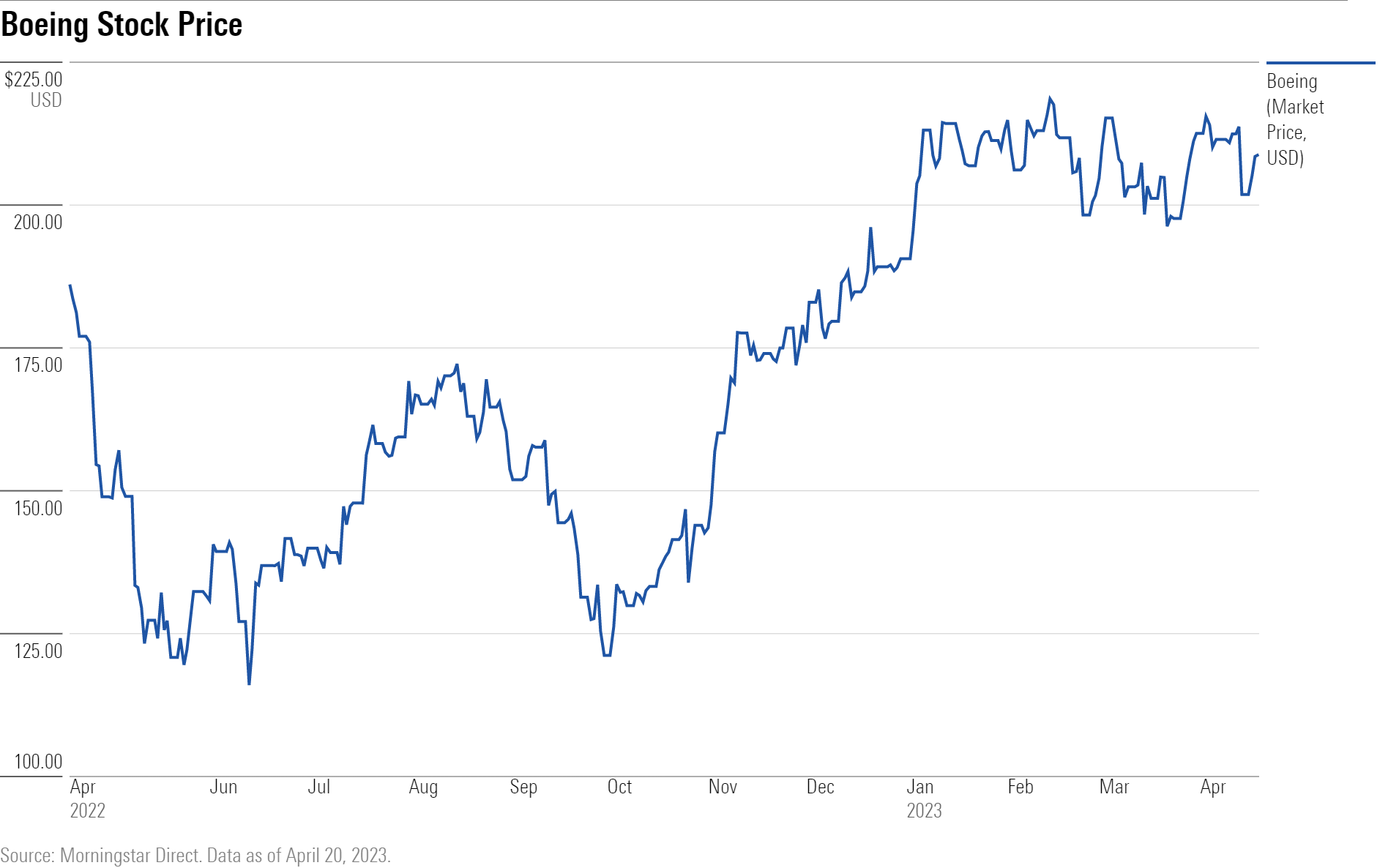
Knowing “what is the stock price of Boeing” is the entry point to understanding a multifaceted investment opportunity. As a cornerstone of the aerospace and defense industries, Boeing’s stock (BA) offers investors exposure to critical global sectors but also carries significant risks tied to economic cycles, geopolitical events, and the inherent complexities of its products.
For those operating within the Money niche, Boeing represents a compelling, albeit complex, case study. Its stock price is a continuous barometer of its operational efficiency, its innovation pipeline, and its ability to navigate a challenging and highly regulated global environment. A savvy investor looks beyond the ticker symbol, delving into the financial statements, understanding industry dynamics, and keeping a pulse on the myriad factors that can send this industrial giant’s valuation soaring or bring it back to earth. Investing in Boeing, like flying one of its magnificent aircraft, requires careful planning, keen attention to detail, and an understanding of the forces at play.
aViewFromTheCave is a participant in the Amazon Services LLC Associates Program, an affiliate advertising program designed to provide a means for sites to earn advertising fees by advertising and linking to Amazon.com. Amazon, the Amazon logo, AmazonSupply, and the AmazonSupply logo are trademarks of Amazon.com, Inc. or its affiliates. As an Amazon Associate we earn affiliate commissions from qualifying purchases.