
In the dynamic and often chaotic realm of commerce, where products and services proliferate at an unprecedented pace, a singular, intangible force often dictates enduring success: the spirit. Far from a mystical concept, in the world of branding, “spirit” encapsulates the very soul of an enterprise – its core essence, its unwavering purpose, and the unique emotional resonance it cultivates with its audience. It is the animating force that transcends mere features and benefits, transforming a company from a provider of goods into a beacon of shared values, aspirations, and identity. Understanding what constitutes this spirit, how it is forged, and its profound impact is not just an academic exercise; it is the strategic imperative for any brand aiming for longevity and profound connection in the modern marketplace.
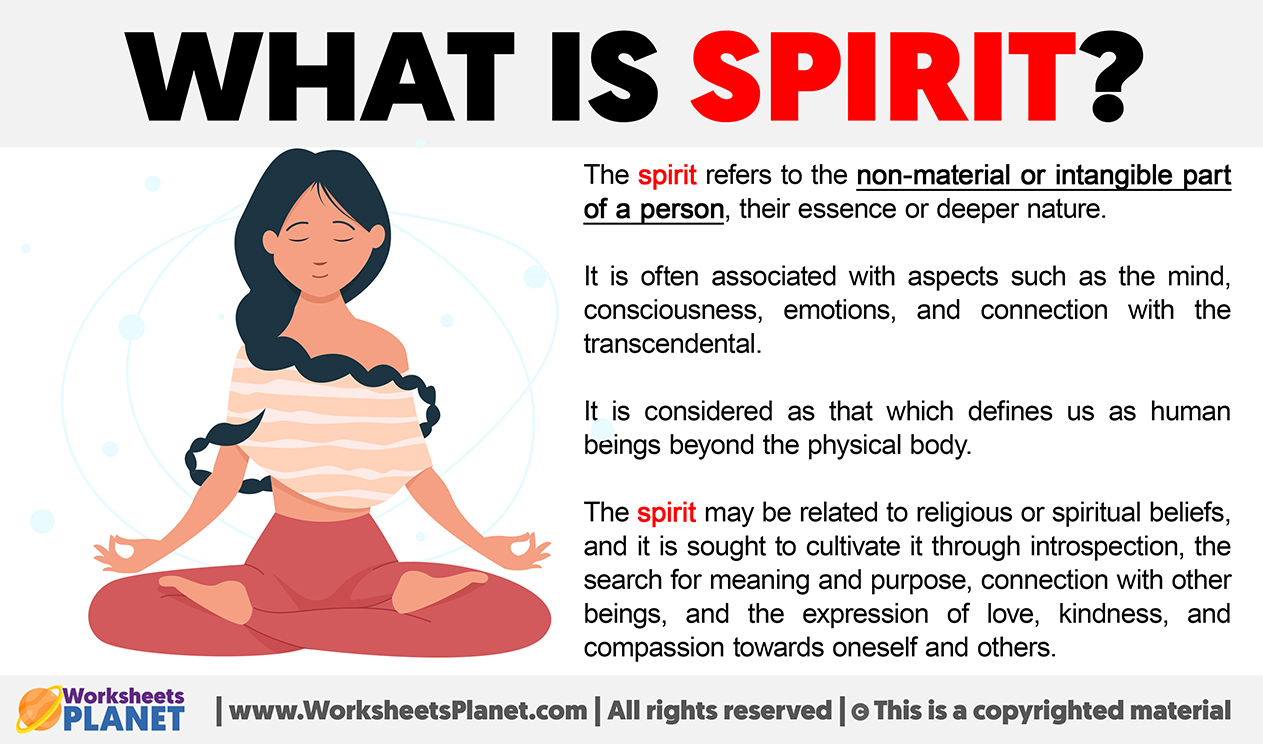
At its heart, the spirit of a brand is the answer to “why.” Why does this brand exist beyond making a profit? What does it stand for? What unique mark does it aspire to leave on the world? It’s the invisible yet palpable energy that differentiates the truly iconic from the merely functional. It’s the intrinsic character that guides every decision, from product development and marketing campaigns to customer service interactions and internal culture. In a landscape saturated with choice, consumers are increasingly drawn to brands that possess a clear, authentic spirit – one that mirrors their own values, tells a compelling story, and offers more than just utility; it offers meaning. This article delves into the multi-faceted nature of the brand’s spirit, exploring its components, cultivation, impact, and evolution, asserting its undeniable role as the bedrock of influential and enduring brands.
Deconstructing the Brand’s Spirit: More Than Just a Logo
The spirit of a brand is often confused with its superficial elements: a catchy logo, a memorable slogan, or a vibrant color palette. While these are certainly expressions of the brand, they are not the spirit itself. The true spirit lies deeper, embedded within the foundational principles and emotional landscape the brand inhabits. It’s the invisible force that gives cohesion and meaning to all outward manifestations.
Core Values and Purpose: The Unseen Foundation
At the very core of a brand’s spirit lie its immutable values and its overarching purpose. These are not merely statements crafted for a marketing brochure but deeply held beliefs that dictate every strategic decision and operational choice. A brand’s purpose answers the fundamental question of “why we exist” beyond profitability. For instance, Patagonia’s spirit is rooted in environmental activism and quality durable goods designed to last, reflecting its core value of sustainability. Its purpose isn’t just to sell outdoor gear but to inspire and implement solutions to the environmental crisis. Similarly, Apple’s spirit, historically, has been about challenging the status quo, empowering creativity through intuitive technology, and thinking differently. These core values and purpose act as an internal compass, guiding innovation, shaping company culture, and ensuring that all external communications are aligned with its true essence. When a brand’s actions consistently reflect its stated values and purpose, it cultivates authenticity – a non-negotiable trait for building trust and resonance.
Emotional Resonance and Connection: The Human Touch
Beyond rational attributes like price or features, the spirit of a brand manifests most powerfully through the emotional connection it forges with its audience. This resonance is built on shared feelings, aspirations, and a sense of belonging. Consumers don’t just buy products; they buy into identities, experiences, and stories that evoke specific emotions. Think of Nike: its spirit isn’t just about athletic wear; it’s about aspiration, overcoming challenges, and the belief that “Just Do It.” Its campaigns evoke feelings of empowerment, determination, and the pursuit of greatness. This emotional scaffolding elevates a brand beyond a mere transactional relationship, creating a deep bond that can withstand market fluctuations and competitive pressures. The spirit communicates empathy, understanding, and a shared worldview, allowing individuals to see themselves reflected in the brand’s narrative and feel a personal connection that goes beyond the tangible.
Authenticity and Identity: The True Self Revealed
Authenticity is the bedrock upon which a strong brand spirit is built. It refers to the genuineness and transparency of a brand – its commitment to being true to its core values and purpose across all touchpoints. In an era of increasing consumer skepticism, brands that project a consistent, genuine identity resonate far more deeply than those that appear to shift their message or values to suit current trends. The brand’s identity, therefore, is the articulation of its spirit – its personality, tone of voice, visual language, and the way it interacts with the world. When this identity consistently and truthfully reflects the brand’s underlying spirit, it fosters trust and credibility. Conversely, a disconnect between a brand’s proclaimed spirit and its actual behavior can swiftly erode trust and damage its reputation. The spirit, therefore, demands a relentless pursuit of integrity, ensuring that the brand’s true self is revealed and consistently lived out, both internally and externally.
Cultivating the Spirit: From Inception to Market Presence
A brand’s spirit is not something that emerges spontaneously; it is carefully cultivated, nurtured, and strategically communicated. It requires intentional effort from the very inception of a company and demands continuous reinforcement across all facets of its operation.
Visionary Leadership and Internal Culture: The Genesis Within
The journey of cultivating a brand’s spirit invariably begins with visionary leadership. The founders and leaders must not only articulate the brand’s core values and purpose but must also embody them daily. Their commitment to the brand’s spirit sets the tone for the entire organization. This leadership then translates into a robust internal culture, where employees understand, embrace, and live the brand’s spirit. Employees are the first and most critical brand ambassadors. If they don’t believe in the brand’s purpose or feel disconnected from its values, it’s impossible for the external message to be authentic. Through consistent internal communications, training, and a work environment that reflects the brand’s essence, companies can ensure that the spirit permeates every level, from executive decisions to frontline customer interactions. This internal alignment is the bedrock upon which a consistent and powerful external brand presence is built.
Narrative and Storytelling: Breathing Life into the Essence
Once the core spirit is defined and embedded internally, it must be articulated through compelling narratives and storytelling. Humans are inherently wired for stories, and a brand’s story is the most powerful vehicle for communicating its spirit. This isn’t just about marketing campaigns; it’s about crafting a coherent and engaging narrative that explains the brand’s origin, its struggles, its triumphs, its vision for the future, and its impact on individuals and the world. A well-told story can evoke emotion, build connection, and make abstract values tangible. Whether through advertising, content marketing, public relations, or even the unboxing experience of a product, every touchpoint is an opportunity to reinforce the brand’s narrative and deepen the audience’s understanding of its spirit. Brands like Disney have mastered this, telling stories that encapsulate a spirit of magic, dreams, and family, which extends far beyond their films into theme parks, merchandise, and customer experiences.
Consistent Expression Across All Touchpoints: The Cohesive Experience
The spirit of a brand must manifest consistently across every single touchpoint with its audience. From the visual identity – logo, colors, typography – to the tone of voice in communications, the design of products, the user experience of a website or app, customer service interactions, and even partnerships, every element must be a faithful expression of the brand’s core. Inconsistency dilutes the brand’s spirit and creates confusion. If a brand proclaims a spirit of luxury and exclusivity but then uses cheap packaging or provides substandard customer service, its authenticity is immediately questioned. Achieving this level of consistency requires meticulous brand guidelines, regular audits, and a unified understanding of the brand’s spirit across all departments and external agencies. It’s about ensuring that the brand’s essence is communicated cohesively, creating a seamless and resonant experience for the consumer at every interaction.

The Impact of a Strong Brand Spirit in the Marketplace
A well-defined and consistently expressed brand spirit is not merely a philosophical construct; it is a powerful strategic asset with tangible benefits that drive market success and foster lasting relationships.
Building Unwavering Loyalty and Advocacy: Beyond Transactions
Perhaps the most significant impact of a strong brand spirit is its ability to cultivate deep, unwavering customer loyalty and transform consumers into passionate advocates. When customers connect with a brand’s spirit – its values, purpose, and emotional appeal – they develop a bond that transcends mere transactional relationships. They feel understood, represented, and part of something larger than themselves. This loyalty makes them more resilient to competitive offers and more forgiving of occasional missteps. Furthermore, these loyal customers often become powerful brand advocates, sharing their positive experiences and recommending the brand within their networks. In an age where trust is paramount and word-of-mouth marketing is highly influential, this organic advocacy, fueled by a shared spirit, is invaluable. Think of communities built around brands like Harley-Davidson or Peloton; their members are not just buying motorcycles or exercise bikes, they are buying into a lifestyle, a camaraderie, and a shared spirit of freedom or fitness.
Differentiating in a Crowded Landscape: Standing Apart
In virtually every market segment, consumers are inundated with choices. Products often achieve parity in terms of features and functionality, making it difficult for brands to stand out based solely on rational attributes. This is where a distinctive brand spirit becomes a critical differentiator. A unique spirit imbues a brand with a unique character, personality, and point of view that sets it apart from competitors. It provides a unique selling proposition that speaks to deeper emotional and aspirational needs, rather than just practical ones. For example, in the highly competitive coffee market, brands like Starbucks differentiate not just with coffee quality but with a distinct spirit of community, comfort, and a “third place” between home and work. Their spirit offers an experience that competitors often struggle to replicate, making them more than just a coffee shop. By tapping into unique values and emotions, a strong spirit allows a brand to carve out its own distinct niche and capture the hearts and minds of a specific audience.
Resilience in Times of Change: Navigating Uncertainty
The business landscape is constantly evolving, marked by technological disruption, shifting consumer preferences, economic volatility, and unforeseen crises. Brands without a clear, strong spirit are often tossed about by these waves of change, struggling to adapt without losing their identity. A robust brand spirit, however, provides an anchor. It serves as a guiding principle during times of uncertainty, helping leaders make decisions that remain true to the brand’s essence, even when those decisions are difficult. When faced with a crisis, a brand with a strong, authentic spirit and a history of living its values is more likely to retain public trust and weather the storm. Its resilience comes from the deep-seated connection it has fostered with its audience, who are more willing to extend grace and understanding. The spirit ensures that while strategies and tactics may evolve, the core identity and purpose of the brand remain steadfast, offering stability in a turbulent world.
Nurturing and Evolving the Brand’s Spirit
While the core spirit should be enduring, a brand’s expression of that spirit must evolve. Like any living entity, a brand’s spirit needs continuous nurturing, careful adaptation, and thoughtful reinforcement to remain vibrant and relevant.
Listening to Your Audience: Adapting Without Losing Core
A brand’s spirit, though intrinsic, is also defined by the relationship it has with its audience. Therefore, nurturing it requires active listening. Understanding how the audience perceives the brand’s spirit, what aspects resonate most strongly, and where there might be disconnects is crucial. Market research, social listening, and direct customer feedback provide invaluable insights. This doesn’t mean changing the core spirit to chase every trend, but rather understanding how to articulate and apply that spirit in ways that remain relevant to contemporary audiences. For instance, a brand whose spirit is innovation might need to constantly explore new technologies and platforms to maintain that perception, while its core belief in progress remains unchanged. The goal is to adapt the expression of the spirit without compromising its essence, ensuring it continues to speak powerfully to new generations while honoring its foundational identity.
Internal Alignment and Reinforcement: Keeping the Flame Alive
The internal cultivation of the brand’s spirit is an ongoing process. As organizations grow and change, and as new employees join, consistent efforts are needed to reinforce the brand’s core values and purpose. This involves continuous internal communication, storytelling about the brand’s impact, training programs that embed the spirit in daily operations, and celebrating employees who exemplify the brand’s essence. Leadership must continue to model the desired behaviors and decisions that reflect the brand’s spirit. Regular internal culture audits can help identify areas where the spirit might be weakening or becoming diluted. By maintaining strong internal alignment, companies ensure that every employee acts as a conscious guardian of the brand’s spirit, translating it into authentic customer experiences.
Measuring the Intangible: Beyond Traditional ROI
Measuring the impact of something as abstract as a brand’s spirit presents a unique challenge, as it extends beyond traditional financial metrics like sales volume or profit margins. While these are ultimate indicators, assessing the health of a brand’s spirit requires looking at qualitative and quantitative data related to brand equity, sentiment, and engagement. Metrics can include brand awareness and recall, brand perception and associations, customer satisfaction scores (CSAT), net promoter scores (NPS), employee engagement, social media sentiment analysis, and the volume and quality of user-generated content and advocacy. These indicators provide a holistic view of how well the brand’s spirit is being received, understood, and embraced by both internal and external stakeholders. Investing in these less tangible aspects of brand health ultimately translates into stronger market performance and sustained competitive advantage.
Conclusion
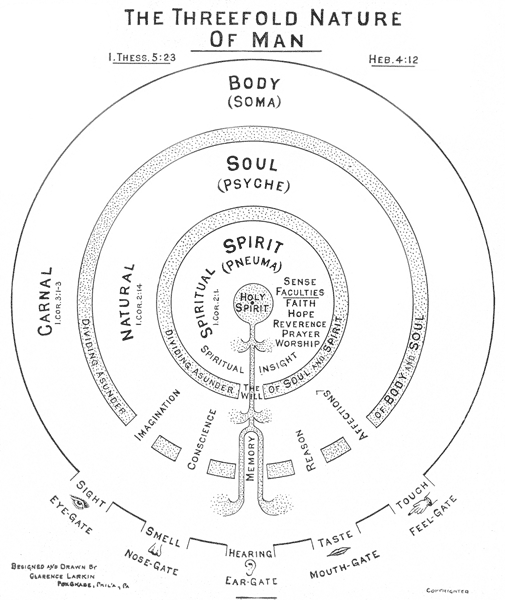
“What is the spirit?” When asked in the context of branding, the answer is profound and far-reaching. The spirit of a brand is its living essence – the confluence of its purpose, core values, emotional resonance, and authentic identity. It is the invisible yet palpable force that elevates a company from a mere provider of goods or services to a meaningful entity with which people can form deep, lasting connections. It provides the foundation for differentiation, builds unwavering loyalty, and offers resilience in an ever-changing world.
Cultivating this spirit demands visionary leadership, a cohesive internal culture, compelling storytelling, and consistent expression across every touchpoint. Nurturing it requires continuous listening, internal reinforcement, and a commitment to measuring its intangible yet powerful impact. In an increasingly crowded and commoditized marketplace, the brands that truly stand out and endure are those that have not only defined their spirit but have also fiercely protected, passionately communicated, and thoughtfully evolved it. The spirit, ultimately, is not just a strategic asset; it is the heartbeat of an enduring brand, a promise of meaning in a world hungry for connection, and the ultimate key to building a legacy that transcends fleeting trends and economic cycles.
aViewFromTheCave is a participant in the Amazon Services LLC Associates Program, an affiliate advertising program designed to provide a means for sites to earn advertising fees by advertising and linking to Amazon.com. Amazon, the Amazon logo, AmazonSupply, and the AmazonSupply logo are trademarks of Amazon.com, Inc. or its affiliates. As an Amazon Associate we earn affiliate commissions from qualifying purchases.