
In the modern landscape of marketing, identity is no longer just a logo or a mission statement. It is a feeling, a digital footprint, and a community-driven narrative. Few recent examples illustrate this evolution more effectively than the emergence of “The Sip” in association with Ole Miss (The University of Mississippi). While to a casual observer “The Sip” might appear to be a simple shorthand for Mississippi, from a brand strategy perspective, it represents a masterclass in regional reclamation, personal brand alignment, and the strategic deployment of a lifestyle identity.
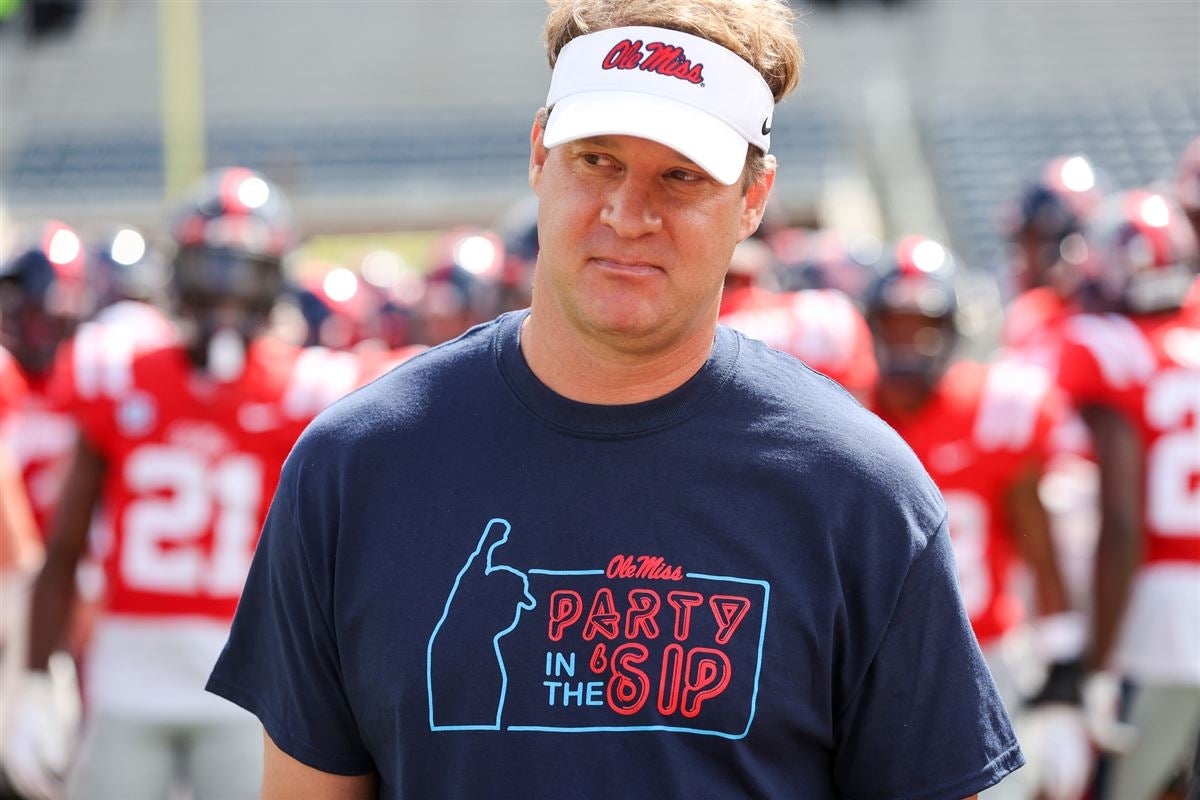
To understand what “The Sip” is, one must look past the football field and into the mechanics of modern brand equity. It is a case study in how an organization can shed a legacy image—often weighed down by historical baggage or traditionalist perceptions—and replace it with a high-energy, aspirational, and digitally native brand that resonates with a younger demographic.
The Strategic Reclamation of Identity
The genesis of “The Sip” as a brand pillar for Ole Miss is rooted in the psychological principle of “ownership.” In branding, ownership occurs when a name, phrase, or visual cue becomes so synonymous with a specific entity that the audience no longer separates the two. For decades, Mississippi as a state faced various branding challenges. By shortening the state’s name to “The Sip,” the university’s marketing engine successfully rebranded the entire region’s identity into something exclusive, rhythmic, and “cool.”
Transforming Geography into a Lifestyle Brand
Geography-based branding is a common tactic, but it is rarely executed with the precision seen in Oxford, Mississippi. Traditional branding often relies on the formal name of a location, which can feel static. “The Sip” functions as a lifestyle brand because it suggests an experience rather than a destination. It implies a certain pace of life, a specific aesthetic (often referred to as “Southern Cool”), and an elite membership.
From a brand strategy standpoint, this transformation allows Ole Miss to compete on a national stage. By positioning itself as the epicenter of “The Sip,” the university creates a narrative that it owns the cultural essence of the state. This is particularly effective in recruitment—whether for students or high-level athletes—because it offers them the opportunity to be part of a movement rather than just an institution.
The Power of Monosyllabic Branding
In the digital age, brevity is the currency of engagement. “The Sip” is punchy, memorable, and optimized for social media consumption. It fits perfectly in a hashtag, on a t-shirt, or in a 280-character post. This linguistic efficiency is a core tenet of modern brand design. By moving away from the multi-syllabic “Mississippi” or the formal “University of Mississippi,” the brand becomes more agile. It allows for a “fast brand” approach where the identity can be integrated into various sub-cultures, from music and fashion to high-stakes collegiate athletics.
Personal Branding: The Lane Kiffin Effect
A brand is rarely successful in a vacuum; it often requires a “Brand Architect” or a human face to personify its values. In the case of Ole Miss and “The Sip,” that figure is Lane Kiffin. The intersection of Kiffin’s personal brand and the university’s institutional brand created a synergistic effect that skyrocketed the visibility of both.
The Brand Disruptor Model
Lane Kiffin operates as a “disruptor” brand. In the corporate world, disruptors are those who challenge the status quo, use unconventional communication methods, and lean heavily into digital transparency. When Kiffin adopted “The Sip” as his personal rallying cry, he gave the brand a persona. It became synonymous with his “Portal King” reputation, his aggressive offensive style, and his playful, often provocative, social media presence.
This alignment is a classic example of co-branding. Kiffin’s personal brand—characterized by self-assurance, modernity, and high performance—was infused into the “The Sip.” Consequently, the university’s brand shifted from being perceived as “traditional and old-school” to “innovative and edgy.”
Authentic Engagement and Digital Sovereignty
Modern branding requires authenticity, or at least the convincing perception of it. Kiffin’s use of “The Sip” feels organic because it aligns with his digital-first communication strategy. He doesn’t just use the brand in official press releases; he uses it in the trenches of social media. This “digital sovereignty”—the ability to control the narrative through direct-to-consumer channels—has allowed the brand to bypass traditional media filters. When the coach “tweets the Sip,” he is performing a brand ritual that reinforces the identity to millions of followers instantly.
The NIL Era and the Commercialization of “The Sip”
The timing of “The Sip” brand explosion is not accidental. It coincided with the revolution of Name, Image, and Likeness (NIL) in collegiate sports. In this new economy, a brand is a financial asset for the individuals within the system. “The Sip” provides a platform for student-athletes to build their own micro-brands under a larger, recognizable umbrella.
Building a Brand Ecosystem for Stakeholders
In brand architecture, an “umbrella brand” provides the credibility and infrastructure, while sub-brands (the athletes) provide the niche engagement. “The Sip” serves as a high-value ecosystem. When a player aligns themselves with “The Sip,” they are instantly tapped into a pre-existing fan base and a set of brand values that local and national businesses want to associate with.
This creates a virtuous cycle:
- The university promotes “The Sip” to build prestige.
- The prestige attracts high-value talent (athletes/influencers).
- The talent uses the brand to secure NIL deals.
- The success of these deals enhances the brand’s overall value, attracting more talent.
Visual Identity and Merchandising Strategy
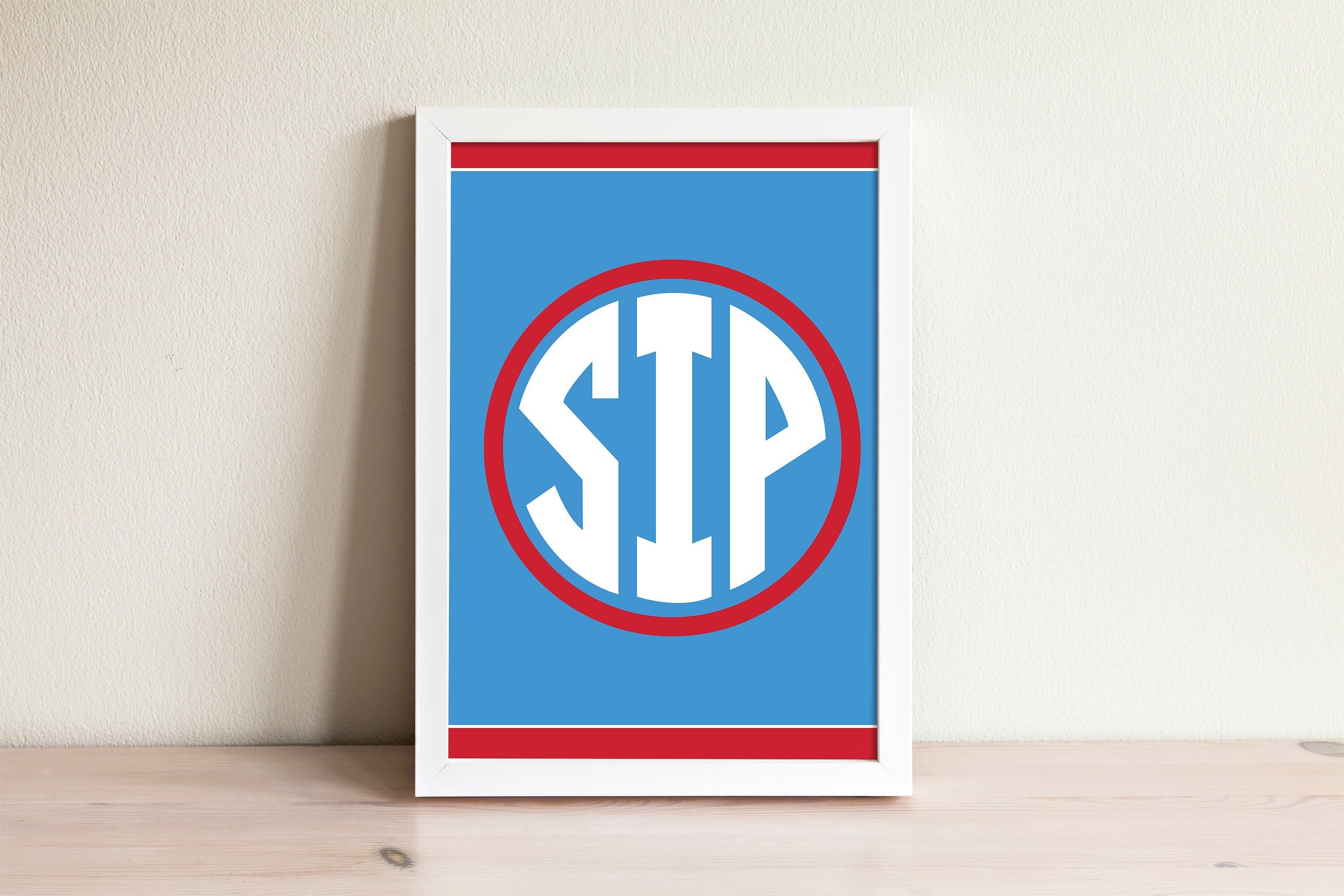
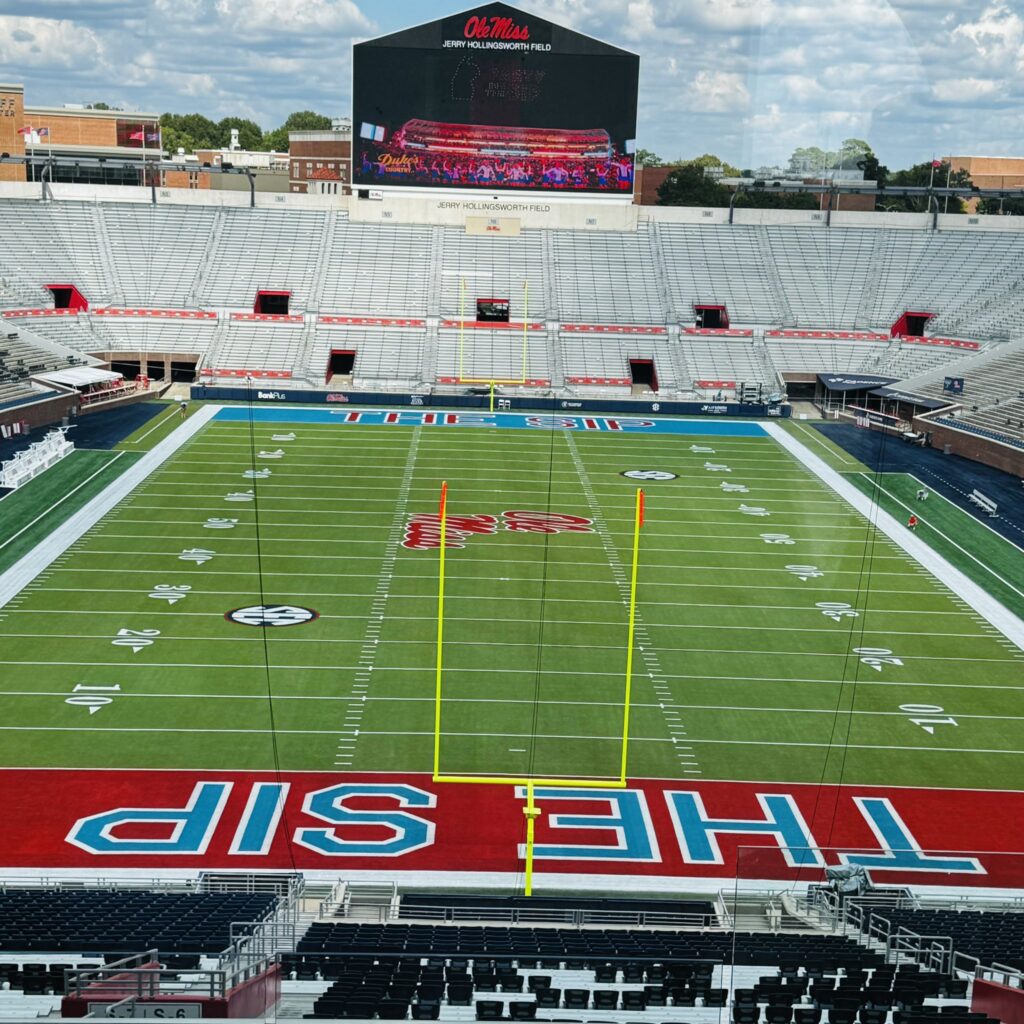
The visual components of “The Sip” are equally vital. The branding uses a specific palette—often incorporating “powder blue” and bold typography—to create a distinct look that separates it from the traditional navy and red of the past. This visual pivot is essential for merchandising. From a brand strategy perspective, if you change the look, you create a new demand for products. “The Sip” apparel isn’t just fan gear; it’s a fashion statement that signals the wearer is part of the “new South” movement that Ole Miss is championing.
Community Building and the Emotional Connection
The ultimate goal of any brand strategy is to foster a sense of belonging. “The Sip” succeeds because it functions as an “in-group” identifier. If you know what “The Sip” is, you are part of the community. If you don’t, you are an outsider. This exclusivity is a powerful tool in building brand loyalty.
Cultivating a Sense of Place
While “The Sip” is a digital powerhouse, its roots are firmly planted in the physical experience of Oxford and the Grove. The brand captures the “vibe” of the place—the tailgating, the hospitality, and the unique culture of Mississippi—and packages it for a global audience. This is “place branding” at its finest. It takes the intangible qualities of a location and distills them into a two-syllable phrase that carries emotional weight.
For alumni and fans, “The Sip” is a source of pride. It represents a modernizing force for a state that is often misunderstood. By embracing this brand, the community is not just supporting a team; they are supporting a renewed vision of their home. This emotional investment ensures that the brand has longevity far beyond a few winning seasons.
Lessons for Modern Brand Managers
The story of “The Sip” offers several critical insights for brand managers and strategists across any industry:
- Reimagine the Familiar: You don’t always need a new product; sometimes you just need a new name for the feeling your product provides. Ole Miss didn’t move to a new state; they just renamed their relationship with the one they were in.
- Lean into Personality: People connect with people. Finding a leader or an influencer whose personal brand aligns with the corporate brand can accelerate growth exponentially.
- Optimize for the Medium: Your brand must be “digital-first.” If it doesn’t look good on a smartphone or work as a hashtag, it isn’t ready for the modern market.
- Create an Ecosystem: A great brand shouldn’t just serve the organization; it should provide value to everyone within it. By creating a brand that others can use to build their own success (like NIL), you ensure the brand’s survival.
“The Sip” at Ole Miss is more than a catchy nickname; it is a sophisticated branding exercise that has successfully merged regional pride with modern marketing tactics. It has transformed the perception of a university and a state, proving that with the right strategy, even the most traditional institutions can become icons of contemporary cool.
aViewFromTheCave is a participant in the Amazon Services LLC Associates Program, an affiliate advertising program designed to provide a means for sites to earn advertising fees by advertising and linking to Amazon.com. Amazon, the Amazon logo, AmazonSupply, and the AmazonSupply logo are trademarks of Amazon.com, Inc. or its affiliates. As an Amazon Associate we earn affiliate commissions from qualifying purchases.