
In the realm of personal and business finance, the difference between those who constantly feel overwhelmed by “surprise” expenses and those who navigate life with composure often comes down to a single, powerful tool: the sinking fund. While the term might sound somber—evoking images of a ship taking on water—the reality is quite the opposite. A sinking fund is one of the most effective ways to keep your financial ship afloat, ensuring that when inevitable costs arise, you have the cash ready and waiting.
In this comprehensive guide, we will explore the mechanics of sinking funds, how they differ from other types of savings, and how you can implement them to transform your financial health.
Understanding the Mechanics of a Sinking Fund
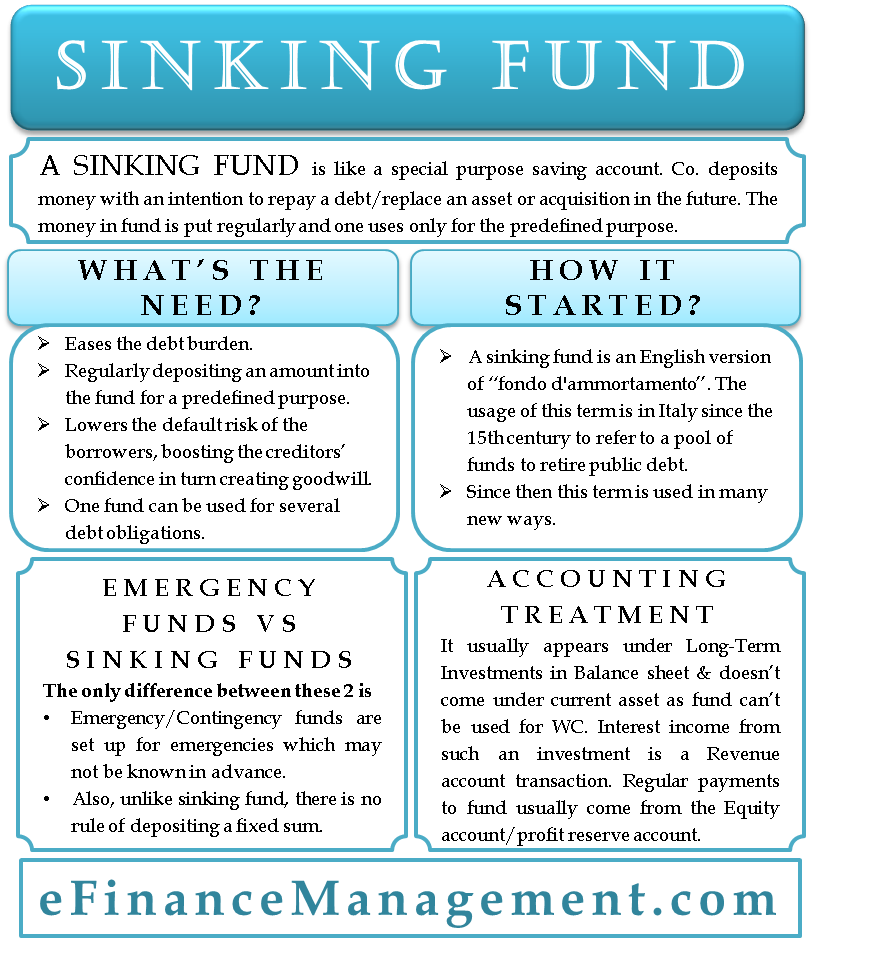
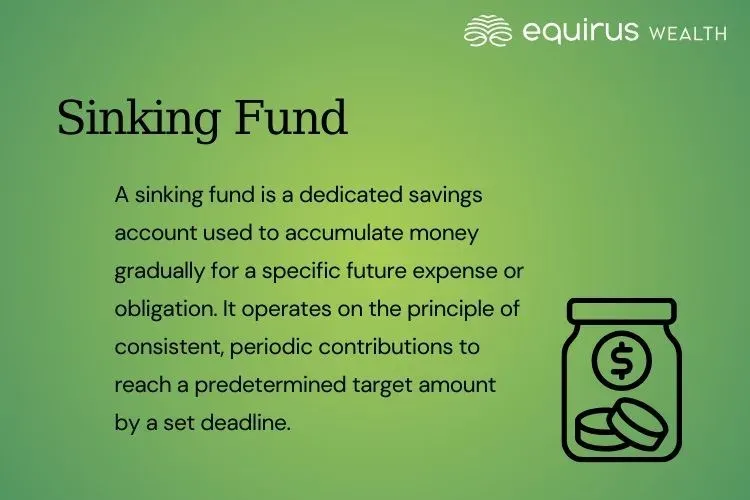
At its core, a sinking fund is a strategic way to save money by setting aside a small amount of cash each month for a specific, known expense that will occur in the future. Unlike a general savings account, a sinking fund is purpose-driven. You are not just “saving for a rainy day”; you are saving for a new roof, a planned vacation, or annual car registration.
The Definition and Core Concept
The term originally comes from corporate finance, where companies would set aside money to “sink” or pay off a debt (like a bond) over time. In the context of personal finance, it refers to the practice of breaking down a large, future expense into manageable monthly installments. Instead of being hit with a $1,200 bill in December for holiday gifts, you “sink” $100 into a dedicated fund every month starting in January. By the time December rolls around, the money is already there, and your monthly budget remains undisturbed.
Sinking Fund vs. Emergency Fund: Key Differences
One of the most common mistakes people make is confusing a sinking fund with an emergency fund. While both provide a financial safety net, they serve very different psychological and practical purposes.
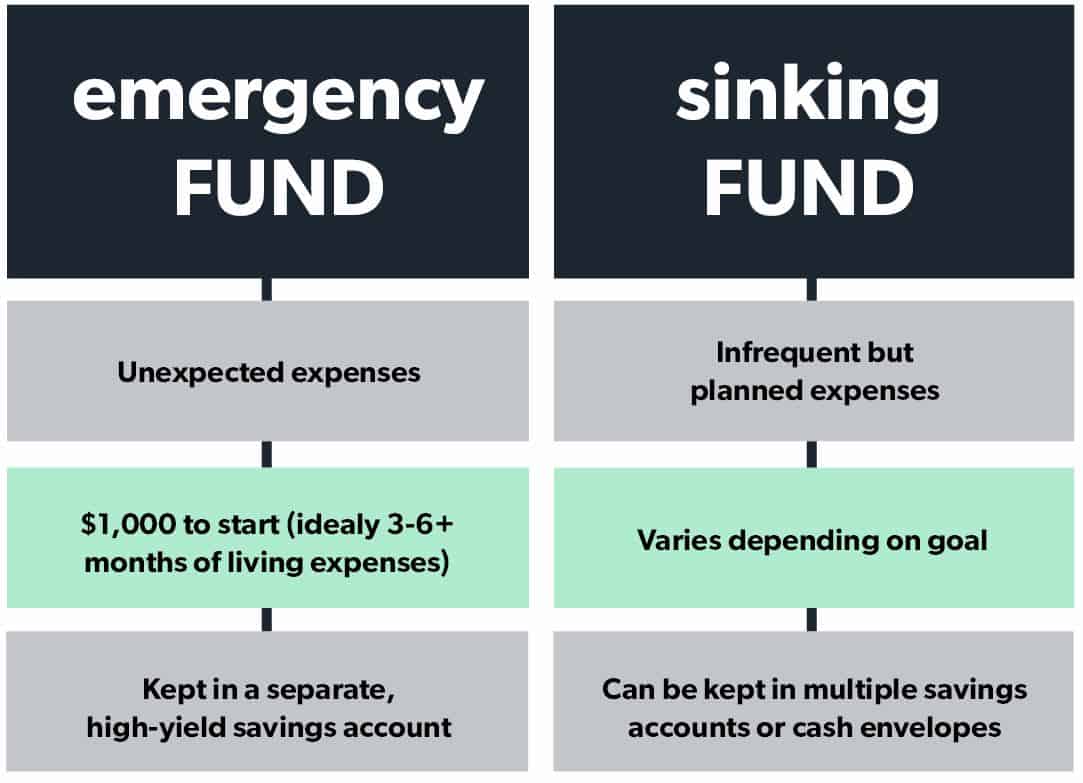
An Emergency Fund is for the “unknown unknowns.” It is meant for genuine crises: an unexpected job loss, a sudden medical emergency, or a major plumbing failure that couldn’t have been predicted. It is a lump sum—usually three to six months of expenses—that stays untouched unless a disaster strikes.
A Sinking Fund, conversely, is for the “known unknowns” or “known knowns.” You know your car will eventually need new tires. You know your property taxes are due in November. You know you want to go to your friend’s wedding in six months. These are not emergencies; they are planned expenditures. Using an emergency fund for a planned vacation is a financial error; using a sinking fund for it is a sign of a disciplined strategy.
Why You Need a Sinking Fund in Your Financial Arsenal
Integrating sinking funds into your money management system does more than just balance your checkbook; it fundamentally alters your relationship with money. It moves you from a reactive state of “firefighting” your bills to a proactive state of wealth management.
Eliminating Financial Stress and Guilt
Most people experience “spender’s remorse” because they pay for large items using their current month’s income or, worse, a credit card. This creates a cycle of debt or a feeling of scarcity for the rest of the month. When you use a sinking fund, the “guilt” is removed because the money was specifically grown for that purpose. When you buy that $2,000 laptop using a fund you’ve been building for 20 months, you aren’t “losing” $2,000; you are simply executing a plan.
Protecting Your Long-term Savings and Investments
Without sinking funds, people often find themselves “dipping into” their long-term investments or retirement accounts to cover large, irregular expenses. Every time you pull money out of a brokerage account or a Roth IRA to cover a car repair, you are robbing your future self of compound interest. Sinking funds act as a barrier, protecting your wealth-building assets from being cannibalized by short-term needs.
Enhancing Budgeting Precision
Standard monthly budgets often fail because they don’t account for “lumpy” expenses. You might be “under budget” in February and March, only to be “over budget” in April when your annual insurance premium is due. This volatility makes it hard to track your true financial progress. Sinking funds smooth out these peaks and valleys, allowing you to see exactly how much disposable income you truly have each month after all future obligations are accounted for.
Practical Examples of Common Sinking Funds
To truly harness the power of this tool, you must identify the areas of your life where large expenses tend to lurk. Most households find success by categorizing their sinking funds into three or four high-priority buckets.
Seasonal and Holiday Expenses
The holidays come at the same time every year, yet they are a leading cause of credit card debt. A “Holiday Sinking Fund” allows you to save for gifts, travel, and decorations throughout the year. Similarly, seasonal expenses like back-to-school shopping, summer camps for children, or even your annual summer vacation should each have their own dedicated fund.
Home and Vehicle Maintenance
If you own a home or a car, you know that maintenance isn’t an “if,” it’s a “when.” Experts recommend setting aside 1% of your home’s value annually for maintenance. If your home is worth $400,000, a sinking fund of $4,000 per year ($333 per month) ensures that when the HVAC system fails or the roof leaks, you can pay the contractor in cash without a second thought. The same applies to vehicle maintenance, covering everything from routine oil changes to the eventual replacement of the vehicle itself.
Annual Subscriptions and Taxes
In the digital age, we are inundated with annual subscriptions—Amazon Prime, software licenses, gym memberships, and professional dues. Individually, they are small; collectively, they can be significant. Furthermore, for freelancers or small business owners, setting aside a sinking fund for quarterly or annual taxes is non-negotiable for staying out of trouble with the IRS.
How to Set Up and Manage Your Sinking Funds
Setting up a sinking fund system is a straightforward process, but it requires consistency and the right financial tools to be effective.
Step 1: Identify Your Future Expenses
Sit down with your bank statements from the last 12 months. Look for any large payments that don’t happen every month. List them out, along with their due dates and estimated costs. Don’t forget to include “fun” categories like a “New Tech Fund” or a “Wedding Guest Fund.”
Step 2: Calculate the Monthly Contribution
The math is simple: (Total Cost / Months until due) = Monthly Savings Goal.
For example, if you want to spend $1,200 on a vacation in 6 months, you need to save $200 per month. If you need $600 for car insurance in 12 months, that’s $50 per month. Total these up to see if your current cash flow can support these goals.
Step 3: Choose the Right Financial Tool
Where you keep your sinking fund is just as important as the act of saving. You want the money to be liquid (easily accessible) but separate from your everyday spending cash.
- High-Yield Savings Accounts (HYSA): This is the gold standard for sinking funds. You earn a higher interest rate than a traditional checking account, and many modern banks (like Ally or SoFi) allow you to create “buckets” or “vaults” within a single account to label your different funds.
- Money Market Accounts: These offer competitive interest rates and often come with a debit card or check-writing abilities, which can be useful for paying contractors directly from your maintenance fund.
Step 4: Automate Your Savings
The “set it and forget it” mentality is the key to financial success. Arrange for an automatic transfer from your primary checking account to your sinking funds on the day you get paid. By automating the process, you remove the temptation to spend that money elsewhere.
Advanced Strategies for Business and Long-term Growth
While sinking funds are a staple of personal finance, their application in business and advanced wealth management provides a deeper look into their utility.
Sinking Funds in Corporate Finance and Debt Management
In the corporate world, a sinking fund is a provision in a bond indenture that requires the issuer to set aside money periodically to retire part of the debt before maturity. This reduces “default risk” for investors. For a small business owner, this same principle can be applied to “sinking” equipment depreciation. If you know a piece of machinery will last five years and cost $50,000 to replace, creating a sinking fund for that equipment ensures the business’s operations won’t be crippled by a massive capital expenditure down the line.
Integrating Sinking Funds into a Holistic Wealth Plan
As you become more comfortable with sinking funds, you can use them to optimize your investment strategy. For instance, if you have a “Home Down Payment” sinking fund that you don’t plan to use for five years, you might move a portion of it into a low-risk short-term bond fund or a Certificate of Deposit (CD) ladder to capture a better yield than a standard savings account. This turns your “pre-spending” into a mini-investment portfolio.
Conclusion: The Path to Financial Peace of Mind
A sinking fund is more than just a line item in a budget; it is a psychological barrier against the chaos of modern life. It allows you to say “yes” to the things that matter—like a last-minute trip with friends or a necessary home upgrade—because you have already done the hard work of preparing for it.
By distinguishing between emergencies and expected expenses, automating your savings into high-yield accounts, and accurately forecasting your future needs, you transition from being a victim of your bills to being the master of your capital. Start small with one or two categories, and over time, you will find that the “sinking” feeling of financial stress is replaced by the buoyancy of being fully prepared for whatever comes your way.
aViewFromTheCave is a participant in the Amazon Services LLC Associates Program, an affiliate advertising program designed to provide a means for sites to earn advertising fees by advertising and linking to Amazon.com. Amazon, the Amazon logo, AmazonSupply, and the AmazonSupply logo are trademarks of Amazon.com, Inc. or its affiliates. As an Amazon Associate we earn affiliate commissions from qualifying purchases.