
In the complex world of personal and business finance, understanding the tools available for capital acquisition is essential for long-term stability and growth. Among the most fundamental concepts in the lending industry is the secured loan. Whether you are looking to purchase a first home, expand a small business, or rebuild a damaged credit score, secured loans often provide the most viable path forward.
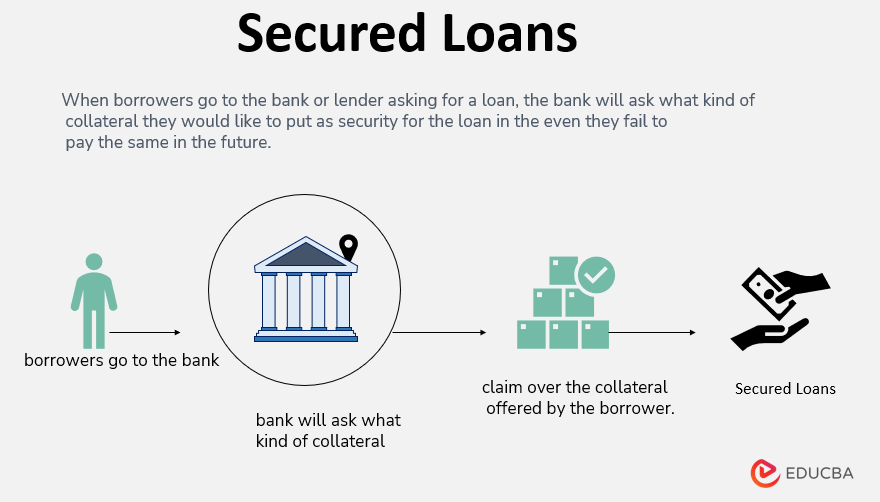
At its core, a secured loan is a financial arrangement where the borrower pledges an asset as “collateral” to back the debt. This collateral serves as a safety net for the lender; if the borrower fails to make payments according to the agreed-upon terms, the lender has the legal right to seize the asset to recoup their losses. This fundamental shift in risk—from the lender to the borrower—fundamentally changes the dynamics of the loan, often resulting in more favorable terms for the individual seeking funds.
Understanding the Mechanics of Secured Loans
To fully grasp what a secured loan entails, one must look beyond the simple exchange of cash. It is a contractual agreement defined by risk mitigation and asset valuation. Unlike unsecured loans (such as personal signatures or standard credit cards), secured loans are rooted in tangible or liquid value.
The Role of Collateral
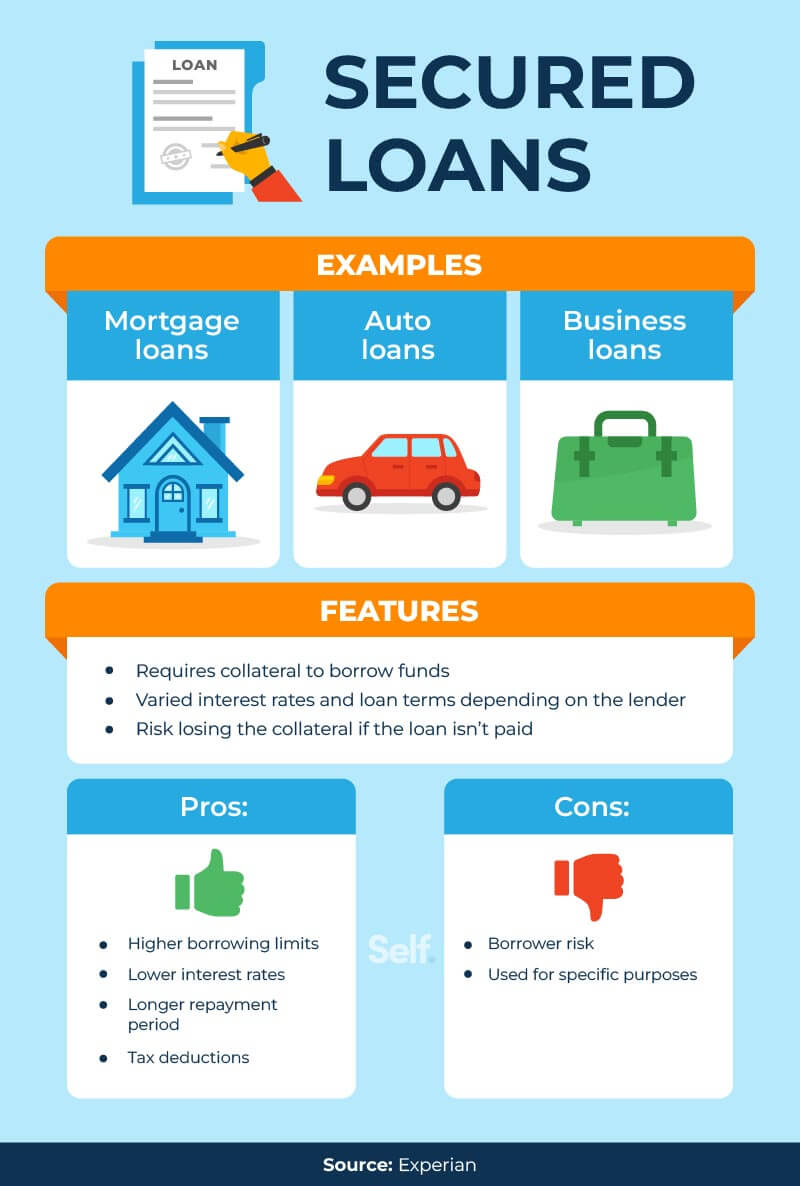
Collateral is the cornerstone of any secured loan. It can take many forms depending on the purpose of the loan. For a mortgage, the collateral is the property itself. For an auto loan, it is the vehicle. In some instances, collateral can be highly liquid, such as a savings account or a Certificate of Deposit (CD). The presence of collateral provides the lender with “security,” which is where the name originates. Because the lender has a guaranteed method of recovering the principal through the liquidation of the asset, they are much more willing to offer larger sums of money and extended repayment periods.
How Lenders Mitigate Risk and Determine Value
When a borrower applies for a secured loan, the lender performs a rigorous assessment known as an appraisal or valuation. Lenders are particularly interested in the Loan-to-Value (LTV) ratio. This ratio compares the amount of the loan to the appraised value of the collateral. For example, if you are buying a $500,000 home and provide a $100,000 down payment, your loan is $400,000, resulting in an LTV of 80%. A lower LTV typically results in better interest rates because the lender’s risk is further reduced; even if the market dips, the asset likely retains enough value to cover the debt.
Common Types of Secured Loans in Today’s Market
Secured loans are not a monolithic product; they are tailored to specific financial needs and asset classes. Understanding the different categories helps borrowers choose the right instrument for their specific financial goals.
Real Estate and Mortgages
The mortgage is perhaps the most ubiquitous form of secured lending. In this scenario, the real estate serves as the collateral. Mortgages are typically long-term commitments, ranging from 15 to 30 years. Because the home serves as security, interest rates on mortgages are generally much lower than any other form of consumer debt. Additionally, products like Home Equity Loans and Home Equity Lines of Credit (HELOCs) allow homeowners to borrow against the “equity” (the portion of the home they own outright) to fund renovations, education, or debt consolidation.
Vehicle Loans and Asset-Backed Financing
Auto loans are the second most common type of secured debt. When you finance a car, the title often carries a “lien,” which is a legal claim by the lender. If payments stop, the lender can repossess the vehicle. Beyond cars, businesses often use equipment financing—a type of secured loan where the machinery, medical equipment, or technology being purchased acts as the collateral. This allows businesses to maintain cash flow while acquiring the tools necessary for operation.
Secured Credit Cards for Credit Building
For individuals with limited credit history or a poor credit score, secured credit cards are a vital financial tool. Unlike a standard credit card, the borrower provides a cash deposit (e.g., $500) that serves as the collateral and usually matches the credit limit. This eliminates risk for the issuing bank. For the borrower, it provides a way to demonstrate responsible payment behavior, which is reported to credit bureaus, eventually allowing them to transition to unsecured products.
The Financial Advantages of Choosing Secured Debt
While the idea of pledging an asset might seem daunting, the financial benefits often outweigh the risks for disciplined borrowers. Secured loans are frequently the most cost-effective way to manage significant expenses.
Lower Interest Rates and Higher Borrowing Limits
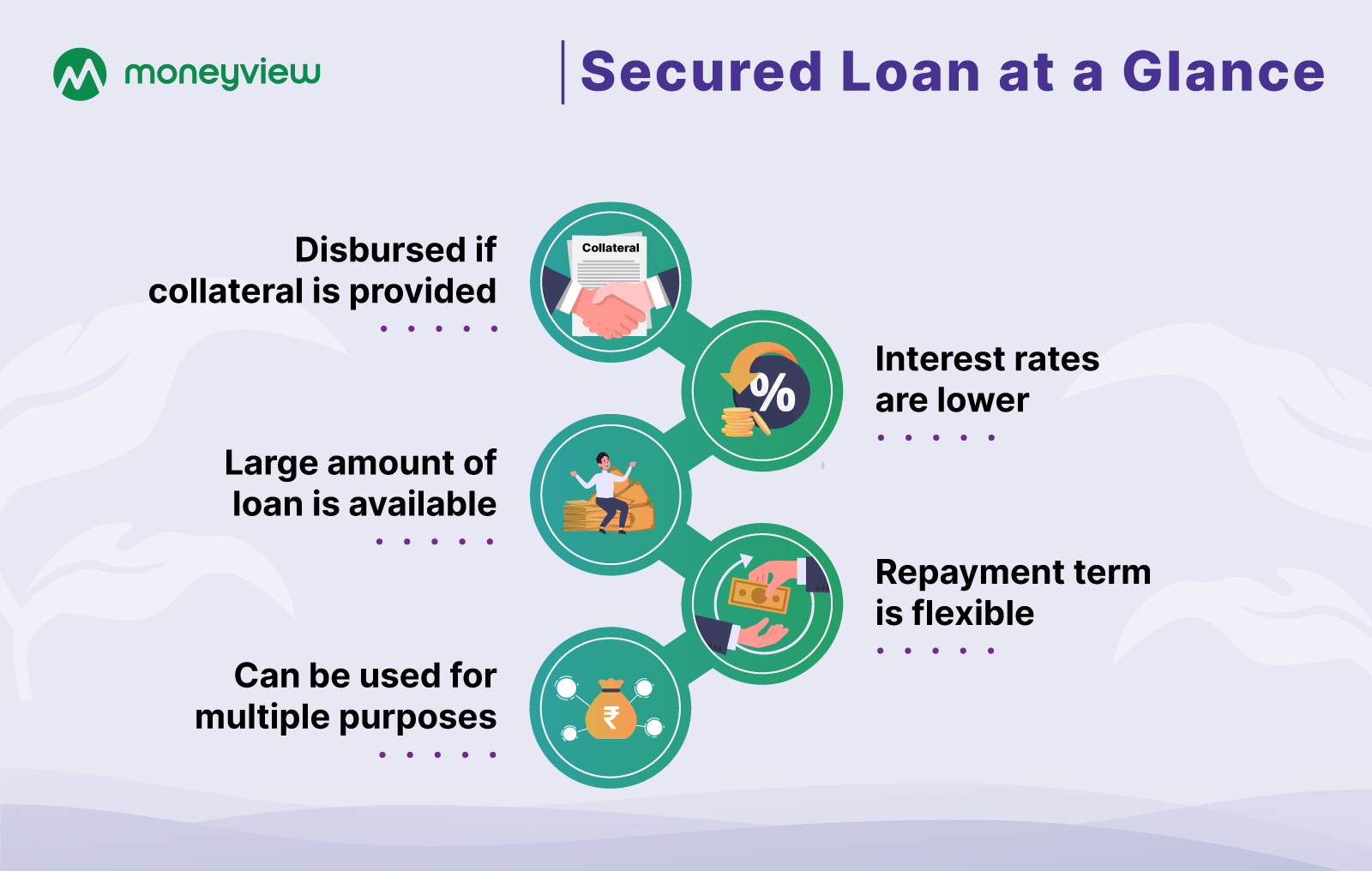
Interest is essentially the “price” of borrowing money, and that price is determined by risk. Because secured loans are lower risk for the lender, they carry significantly lower interest rates than unsecured personal loans or credit cards. Over the life of a loan, a difference of just 2% or 3% in an interest rate can save a borrower tens of thousands of dollars. Furthermore, because there is an asset backing the loan, lenders are often willing to lend much larger sums than they would through a signature loan, making it possible to fund major life milestones.
Improved Approval Odds for Diversified Credit Profiles
Lenders are often hesitant to provide funds to those who do not meet strict income or credit score requirements. However, the presence of collateral changes the conversation. A borrower who might be rejected for a $10,000 unsecured loan might easily be approved for a $10,000 secured loan if they have a vehicle or savings account to pledge. This makes secured lending an inclusive entry point for those looking to engage with the formal financial system.
Risks and Considerations Before Applying
No financial decision should be made without a clear understanding of the potential downsides. The very feature that makes secured loans attractive—the collateral—is also the source of their greatest risk.
The Threat of Asset Foreclosure or Repossession
The most significant risk of a secured loan is the loss of the asset. If financial hardship strikes and you are unable to keep up with payments, the lender can initiate foreclosure (in the case of real estate) or repossession (in the case of vehicles). This can lead to a “double-loss” scenario: you lose the asset you were paying for, and your credit score takes a massive hit due to the default. It is imperative to have a robust emergency fund in place before taking on significant secured debt.
Impact on Long-term Financial Flexibility
Securing a loan against an asset “ties up” that asset. For example, if you use your home as collateral for a business loan, you may find it difficult to sell the home or take out a second mortgage later if you need funds for an emergency. You are essentially capping your future liquidity. Borrowers must weigh the immediate need for capital against the long-term necessity of keeping their assets unencumbered.
How to Strategically Use Secured Loans to Build Wealth
When used correctly, secured loans are not just a way to spend money—they are a way to build wealth. Sophisticated investors and business owners often use “leverage” to multiply their financial potential.
Leveraging Assets for Business Expansion and Investment
The concept of leverage involves using borrowed capital for an investment, with the expectation that the profits made will be greater than the interest paid. A business owner might take a secured loan against their commercial property to buy new inventory or hire more staff. If the resulting business growth generates a 15% return and the loan interest is only 6%, the owner has successfully used a secured loan to create a 9% net gain in wealth that wouldn’t have been possible with cash alone.
Debt Consolidation Strategies
High-interest debt, particularly from credit cards, is one of the greatest obstacles to wealth accumulation. A common financial strategy is to use a secured loan (like a home equity loan) to pay off high-interest unsecured debts. By moving a 20% interest rate debt to a 7% interest rate secured loan, the borrower reduces their monthly outflow significantly. This extra cash flow can then be redirected into retirement accounts or other investments, accelerating the journey toward financial independence.
In conclusion, a secured loan is a powerful instrument in the personal finance toolkit. By understanding the relationship between collateral and risk, borrowers can access lower rates, higher limits, and strategic opportunities for growth. However, the requirement of “skin in the game” means these loans must be handled with professional diligence and a clear-eyed understanding of the responsibilities involved. When managed wisely, the secured loan is more than just debt; it is a bridge to a more prosperous financial future.
aViewFromTheCave is a participant in the Amazon Services LLC Associates Program, an affiliate advertising program designed to provide a means for sites to earn advertising fees by advertising and linking to Amazon.com. Amazon, the Amazon logo, AmazonSupply, and the AmazonSupply logo are trademarks of Amazon.com, Inc. or its affiliates. As an Amazon Associate we earn affiliate commissions from qualifying purchases.