
In the landscape of higher education and personal finance, few numbers carry as much weight as the SAT score. For students and their families, understanding the answer to “what is the SAT score out of?” is only the first step. While the immediate answer is a maximum of 1600 points, the deeper significance of this number lies in its role as a financial lever. A high SAT score is not merely a badge of academic prowess; it is a critical asset that can unlock tens of thousands of dollars in merit-based scholarships, reduce the long-term burden of student debt, and dictate the return on investment (ROI) of a college degree.
Understanding the 1600-Point Scale: The Mechanics of the Exam
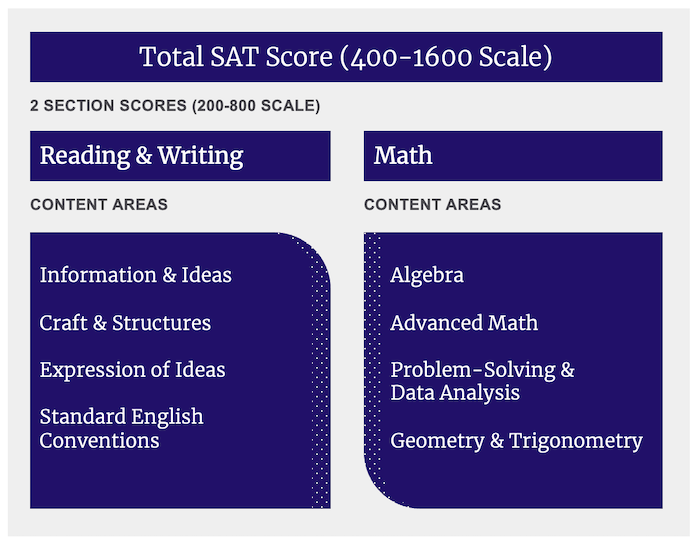
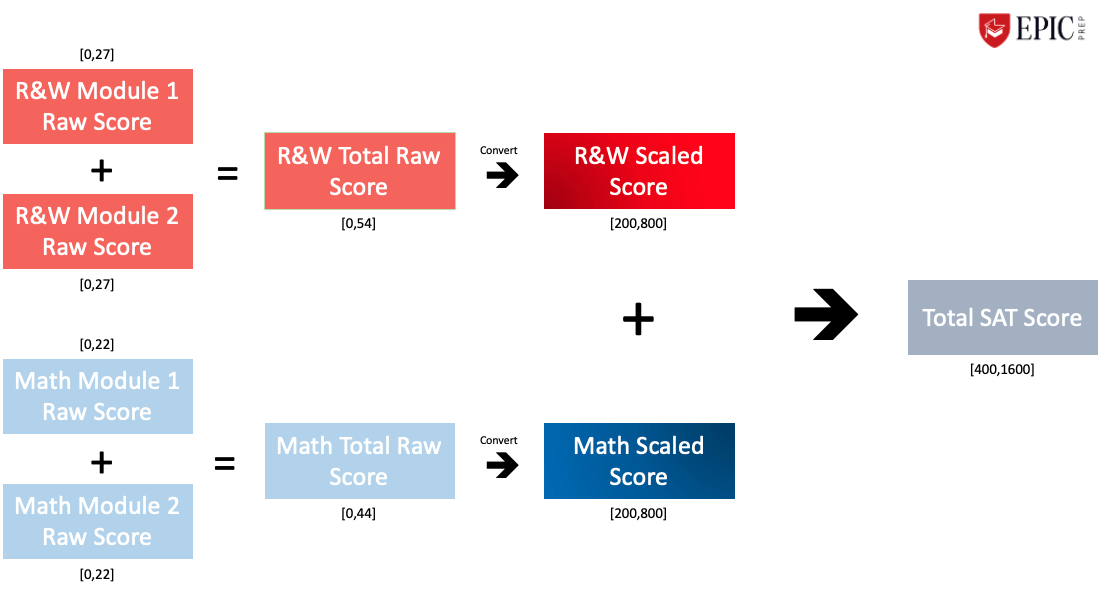
To effectively leverage the SAT for financial gain, one must first understand the structure of the scoring system. Since 2016, and continuing with the transition to the Digital SAT, the exam has returned to its classic 1600-point scale. This scale is divided into two primary sections, each accounting for half of the total potential score.
The Reading and Writing Section (200–800 Points)
The Evidence-Based Reading and Writing (EBRW) section is the first pillar of the SAT. Scoring in this section ranges from a minimum of 200 to a maximum of 800. This section measures a student’s ability to interpret complex texts, identify grammatical errors, and understand the nuances of rhetoric. From a financial perspective, mastery of this section demonstrates the communication skills that are highly valued in high-earning corporate sectors, such as law, marketing, and management.
The Math Section (200–800 Points)
The Math section also operates on a 200–800 point scale. It focuses on algebra, problem-solving, data analysis, and advanced mathematics. For students pursuing careers in STEM (Science, Technology, Engineering, and Mathematics), the Math score is often scrutinized more heavily. High scores in this area are frequently linked to admissions into prestigious engineering programs, which statistically offer some of the highest starting salaries for new graduates.
The Composite Score and Percentiles
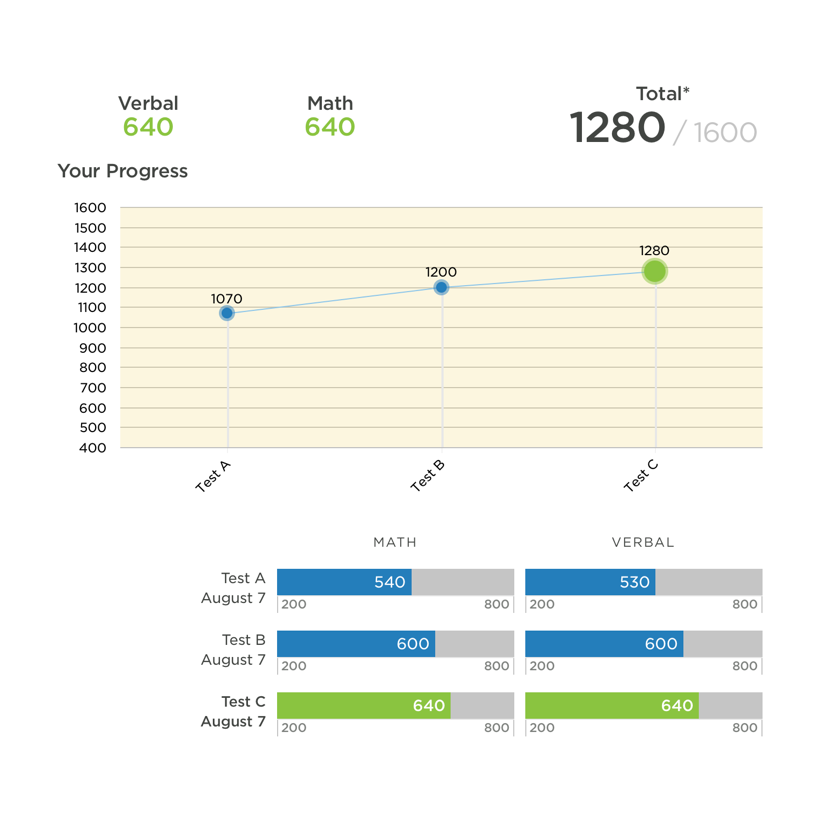
The total or “composite” score is the sum of these two sections, resulting in a range of 400 to 1600. However, the raw number is only part of the story. Universities and scholarship committees look at percentiles—how a student’s score compares to the rest of the testing population. A score of 1200 may be solid, but a score of 1400 or 1500 places a student in the top tier of candidates, making them prime targets for “institutional aid,” which is money granted directly by the college to attract high-performing students.
The Direct Correlation Between Scores and Merit-Based Aid
For most families, the primary interest in the SAT score is its ability to lower the “sticker price” of a college education. Understanding how scores translate into dollars is essential for strategic financial planning.
The Merit Scholarship Grid
Many public and private universities utilize a transparent scholarship grid. On one axis is the student’s Grade Point Average (GPA), and on the other is their SAT score. A student with a 1300 might qualify for a $5,000 annual scholarship, but that same student, by increasing their score to a 1450, could jump to a $15,000 or even a $25,000 annual tier. Over four years, that 150-point increase represents a $40,000 to $80,000 reduction in tuition costs. This is a massive “yield” on the time spent studying for the exam.
The National Merit Scholarship Program
The SAT also serves as the gateway to the National Merit Scholarship Program, specifically through its precursor, the PSAT/NMSQT. However, the SAT itself is often required as a “confirming score” for finalists. Earning the title of National Merit Scholar can lead to full-ride scholarships at various institutions, covering not just tuition but also room and board. In terms of personal finance, this can be the difference between a student graduating with $30,000 in debt and graduating with a significant savings cushion.
Private and Corporate Scholarships
Beyond the universities themselves, private organizations and corporations often use SAT scores as a screening tool for their own financial awards. These “outside” scholarships can be stacked on top of university aid, further driving down the cost of education. For a student focused on building wealth early, these funds are essential because they prevent the accrual of high-interest student loan debt that can hamper financial independence in one’s twenties.
Strategic Spending: Test Prep as a High-Yield Investment
In the world of investing, we look for assets that provide a high return relative to the initial capital outlay. When viewed through this lens, SAT preparation is one of the most lucrative investments a family can make.
Cost-Benefit Analysis of Tutoring and Resources
If a family spends $1,500 on a high-quality SAT prep course or private tutor, and that investment results in a score increase that secures a $10,000-per-year scholarship, the return on that $1,500 is $40,000 over four years. This represents an ROI of over 2,500%. Very few traditional financial instruments—stocks, bonds, or real estate—can offer such a dramatic and rapid return.
Leveraging Free Financial Resources
For those who do not have the liquid capital to invest in expensive tutoring, the “democratization” of test prep has become a financial game-changer. Platforms like Khan Academy, which partners directly with the College Board, offer comprehensive, free prep tools. By utilizing these free resources, students can achieve the same score gains as their more affluent peers, effectively “earning” their scholarship money through sweat equity rather than capital investment.
The Budget for Testing Fees
While the test itself carries a fee, it is important to view this as a necessary business expense. Families should also be aware of fee waivers. The College Board offers waivers for the SAT to students from low-income backgrounds, which also include free score reports and waived application fees for many colleges. Failing to utilize these waivers is essentially leaving money on the table.
The Long-Term Financial Impact of Institutional Prestige
While the SAT score is primarily used for admissions and scholarships, its influence extends into the student’s future earning potential and career trajectory.
Access to High-Earning Career Pipelines
Top-tier universities—those that require SAT scores in the 1500+ range—often serve as direct pipelines to high-paying industries like investment banking, management consulting, and Big Tech. These institutions host exclusive recruitment events that are not available at lower-ranked schools. While a degree from any accredited institution has value, the “prestige factor” facilitated by a high SAT score can lead to a starting salary that is 20% to 50% higher than the national average.
Networking and Social Capital
From a financial perspective, your “net worth is your network.” High-scoring students who gain admission to elite universities are surrounded by peers who will go on to become founders, executives, and policymakers. The social capital built in these environments is an intangible financial asset that pays dividends throughout a professional career.
The Reality of Test-Optional Policies
In recent years, many colleges have moved to “test-optional” policies. From a financial strategy standpoint, however, submitting a strong score remains advantageous. Even at test-optional schools, scores are often still used for merit scholarship consideration. A student who applies without a score may be admitted, but they may miss out on the financial packages that are reserved for high-scoring applicants. Therefore, aiming for a high score out of 1600 remains a sound financial strategy, even if it is not a strictly mandated one.
Conclusion: Maximizing the Value of the 1600
When we ask “what is the SAT score out of?”, we are really asking about the boundaries of a financial opportunity. The 1600-point scale is more than a metric of academic aptitude; it is a roadmap for financial planning. By understanding the sections, targeting the score tiers required for merit aid, and treating test preparation as a strategic investment, students and families can significantly alter their financial future.
In an era where the cost of higher education continues to outpace inflation, the SAT remains one of the few tools available to students to actively “earn” their way into a lower tuition bracket. Whether it is through securing a full-ride scholarship or gaining access to a high-paying career path, the value of those 1600 points cannot be overstated. It is a vital component of a comprehensive personal finance strategy for anyone looking to navigate the complexities of modern education and wealth building.
aViewFromTheCave is a participant in the Amazon Services LLC Associates Program, an affiliate advertising program designed to provide a means for sites to earn advertising fees by advertising and linking to Amazon.com. Amazon, the Amazon logo, AmazonSupply, and the AmazonSupply logo are trademarks of Amazon.com, Inc. or its affiliates. As an Amazon Associate we earn affiliate commissions from qualifying purchases.