
In an era where the smartphone is an extension of the human hand, and wireless connectivity permeates every aspect of our lives—from the watches on our wrists to the headphones in our ears—the conversation surrounding technology safety has never been more relevant. Among the technical specifications listed in the fine print of device manuals, one metric stands out as a critical benchmark for safety and regulatory compliance: the SAR value.
SAR, or Specific Absorption Rate, is the standard measure used globally to quantify the amount of radiofrequency (RF) energy absorbed by the human body when using a wireless device. As we transition deeper into the age of 5G, the Internet of Things (IoT), and hyper-connectivity, understanding what this value represents is essential for any tech-savvy consumer or hardware enthusiast.
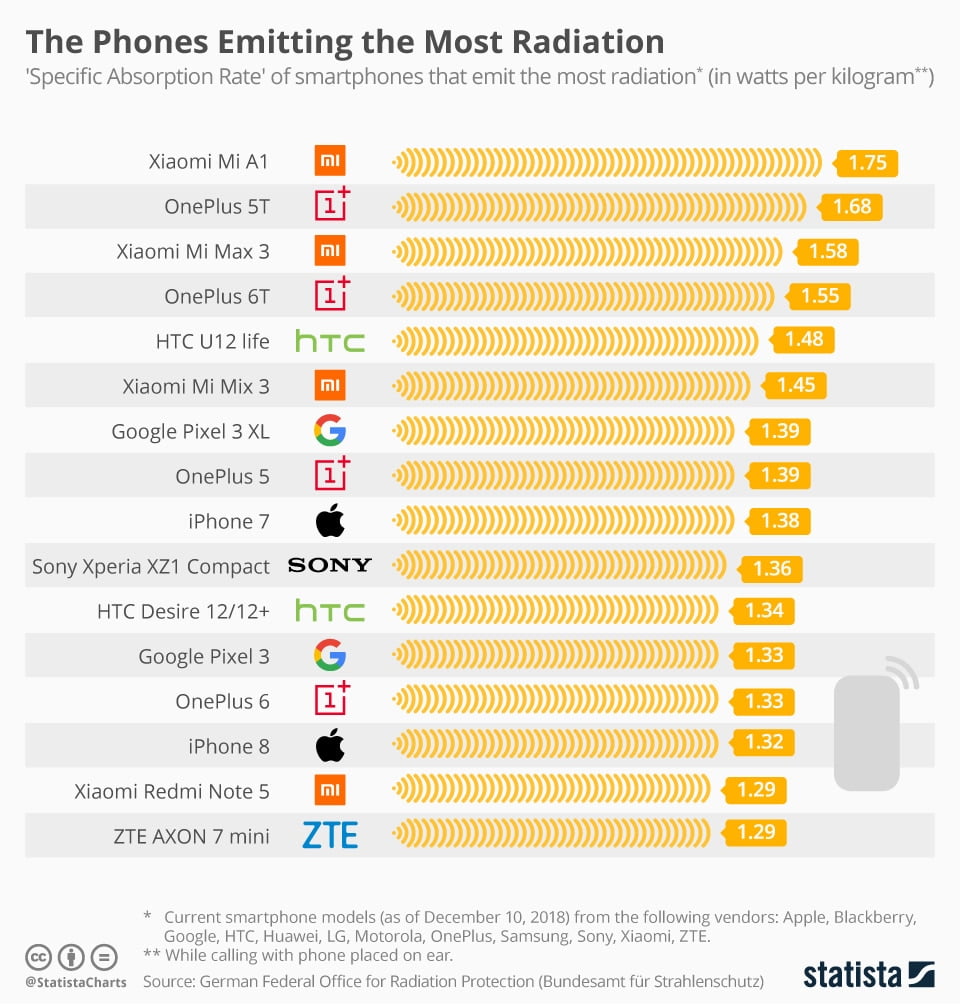
The Science and Mechanics of SAR Values
To understand SAR, one must first understand how modern gadgets communicate. Devices like smartphones, tablets, and smartwatches transmit and receive information using radiofrequency electromagnetic fields. While this is non-ionizing radiation—meaning it lacks the energy to strip electrons from atoms, unlike X-rays or gamma rays—it can still cause tissue heating if absorbed in high enough quantities.
Defining the Metric: Watts per Kilogram
The Specific Absorption Rate is expressed in units of Watts per Kilogram (W/kg). It is a measure of the power absorbed per mass of tissue. When a manufacturer tests a new device, they are essentially measuring how much energy is deposited into a specific volume of human tissue (usually representing the head or the body) during maximum power transmission.
How SAR is Measured in the Lab
The process of determining a device’s SAR value is rigorous and highly standardized. Testing laboratories use sophisticated “phantoms”—human-sized models filled with liquids that simulate the electrical characteristics of human muscle, brain, and fat tissue.
During the test, the device is placed in various positions against the phantom (such as held to the ear or placed in a pocket). Robotically controlled probes then map the electric field strength within the liquid while the device is operating at its highest possible power level. The resulting data provides the “worst-case scenario” SAR value, ensuring that even under extreme conditions, the device remains within safety limits.
Global Regulatory Standards: FCC vs. ICNIRP
Different regions have established different thresholds for what is considered a safe SAR level.
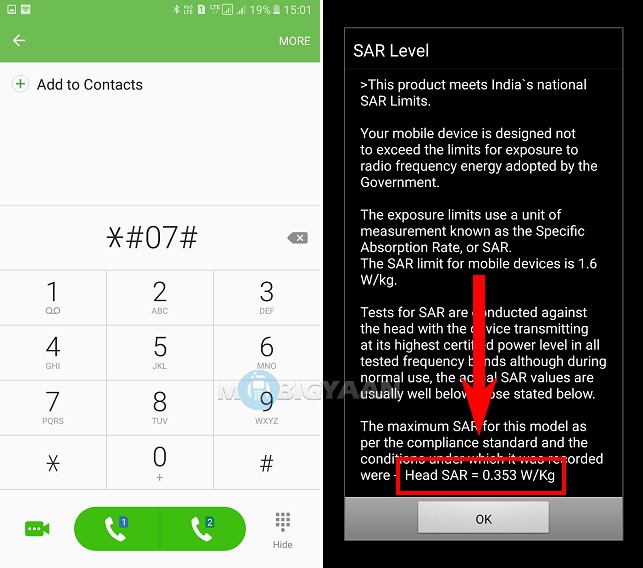
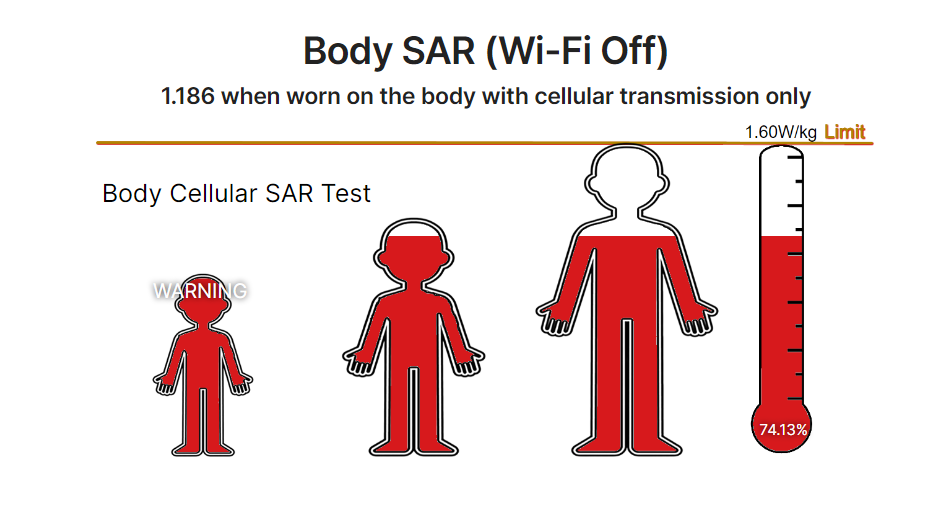
- The United States (FCC): The Federal Communications Commission requires that the SAR level for handheld devices does not exceed 1.6 W/kg averaged over one gram of tissue.
- European Union and others (ICNIRP): Many other countries follow the guidelines of the International Commission on Non-Ionizing Radiation Protection, which sets the limit at 2.0 W/kg averaged over ten grams of tissue.
Because the averaging mass differs (1g vs. 10g), the values are not directly comparable, though both are designed to provide a massive “safety cushion” well below the levels where any thermal damage could occur.
SAR and the Evolution of Modern Gadgets
As technology evolves from 4G LTE to 5G and beyond, the hardware components within our devices have become more complex. This evolution directly impacts how SAR values are calculated and managed by engineers.
The Impact of 5G Technology
The rollout of 5G has introduced new frequency bands, including millimeter-wave (mmWave) spectrum. These higher frequencies do not penetrate as deeply into the body as lower frequencies but are absorbed more readily at the skin’s surface. This has led to a shift in how regulatory bodies view SAR, sometimes incorporating “Power Density” measurements alongside traditional SAR for high-frequency bands. Despite the increase in data speeds, 5G devices are designed to be highly efficient, often operating at lower power levels than older 3G devices when a strong signal is present.
Antenna Design and Placement
The SAR value of a smartphone is heavily influenced by the placement of its antennas. Modern flagship phones often contain a dozen or more antennas for cellular, Wi-Fi, Bluetooth, and NFC. Tech companies invest millions in “Antenna Tuners” and proximity sensors. These sensors can detect when a phone is held against your head or placed in your lap, triggering the device to instantly reduce its output power to ensure it stays within SAR compliance.
Wearables: A Different Category of Exposure
With the rise of smartwatches and fitness trackers, SAR is no longer just about the head. Wearables are in constant contact with the skin. Regulatory standards distinguish between “Head SAR,” “Body SAR,” and “Extremity SAR.” Because the limbs (arms and legs) are less sensitive to RF-induced heating than the brain or torso, the SAR limits for extremities are typically higher (around 4.0 W/kg in many jurisdictions).
The Tech Industry’s Safety Protocols and Consumer Transparency
For the technology industry, compliance with SAR regulations is not optional; it is a prerequisite for market entry. This has created a robust ecosystem of testing and transparency that consumers can leverage.
Finding Your Device’s SAR Value
Transparency is a hallmark of modern tech manufacturing. Most smartphone manufacturers include SAR information in the “Legal” or “Regulatory” section of the device’s settings menu. Furthermore, the FCC ID found on the back of devices (or in digital menus) can be used to look up detailed radiation reports on the FCC’s official database. This allows enthusiasts to compare the RF performance of different models before making a purchase.
Why “Low SAR” Doesn’t Always Mean “Safer”
A common misconception in the tech community is that a phone with a SAR value of 0.5 W/kg is “safer” than one with 1.2 W/kg. In reality, both are significantly below the regulatory limit. Because the SAR value represents the maximum possible power, it rarely reflects everyday usage.
In a real-world scenario, a phone with a higher laboratory SAR value might actually emit less radiation if it has a superior antenna system that allows it to maintain a connection with a cell tower using minimal power. Conversely, a “low SAR” phone with a poor antenna might have to ramp up to its maximum power more frequently to stay connected, resulting in higher average exposure.
Technical Innovations in RF Shielding
Engineers are constantly developing new materials and shielding techniques to direct RF energy away from the user and toward the cell tower. High-end smartphones use internal shielding and specialized chassis designs to ensure that the “lobe” of the radio signal is directed outwards, minimizing the amount of energy absorbed by the user’s hand or head.
Best Practices for the Tech-Conscious User
While regulatory bodies maintain that devices within SAR limits are safe for use, many tech users prefer to follow the “ALARA” principle—As Low As Reasonably Achievable. Understanding the physics of RF energy allows users to optimize their tech habits.
The Inverse Square Law: Distance is Your Friend
In physics, the intensity of radiation decreases sharply with distance. By doubling the distance between the device and your body, you reduce the exposure by four times. Utilizing tech accessories like wired earbuds, Bluetooth headsets (which have a much lower SAR than cellular radios), or simply using the speakerphone function are the most effective ways to minimize absorption.
Signal Strength and Power Output
Your device is a smart machine that scales its power based on the environment. In areas with a weak signal (one bar), the phone must work much harder to reach the tower, increasing its RF output. From a technical standpoint, it is “healthier” for the device to be used in areas with strong signal reception, as the device will naturally operate at its lowest possible power setting.
Debunking Tech Myths: “Radiation Shields”
The market is flooded with stickers and cases that claim to “block” or “neutralize” SAR radiation. From a hardware engineering perspective, these are often counterproductive. If a case blocks the phone’s signal, the phone’s internal sensors will detect the interference and compensate by boosting the transmission power to maintain the connection. This not only drains the battery faster but can actually increase the user’s overall RF exposure.
Conclusion: Balancing Innovation and Health
The SAR value is a testament to the rigorous safety standards that govern the modern technology landscape. It serves as a bridge between high-speed innovation and biological safety, ensuring that as our devices become more powerful, they remain within the bounds of human physiological limits.
For the consumer, the SAR value should be viewed as a mark of compliance and a data point for informed decision-making. As we look toward a future of 6G, augmented reality glasses, and even more integrated tech, the methodologies for measuring and managing Specific Absorption Rates will continue to evolve, keeping pace with the invisible waves that power our digital world. By understanding the tech behind the numbers, we can enjoy the benefits of a connected life with confidence and clarity.
aViewFromTheCave is a participant in the Amazon Services LLC Associates Program, an affiliate advertising program designed to provide a means for sites to earn advertising fees by advertising and linking to Amazon.com. Amazon, the Amazon logo, AmazonSupply, and the AmazonSupply logo are trademarks of Amazon.com, Inc. or its affiliates. As an Amazon Associate we earn affiliate commissions from qualifying purchases.