
In the intricate world of personal finance, certain numbers serve as linchpins, facilitating the seamless movement of money across institutions and accounts. Among these, the routing number stands as a fundamental identifier, a critical piece of information that underpins nearly every electronic financial transaction involving your checking account. Far from being a mere string of digits, a routing number is a sophisticated tool that ensures your funds reach their precise destination, whether you’re receiving a paycheck, paying a bill online, or transferring money between banks. Understanding its nature, purpose, and how to locate it is not just beneficial but essential for navigating modern financial landscapes with confidence and security. This article delves deep into the essence of the routing number, exploring its functions, importance, and practical implications for every checking account holder.
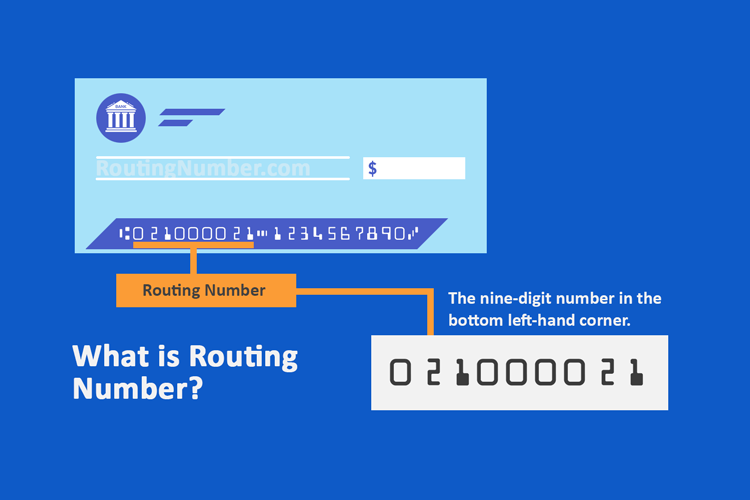
Understanding the Foundation: What Exactly is a Routing Number?
At its core, a routing number, also known as an ABA routing transit number (RTN), is a nine-digit code used by U.S. financial institutions to identify themselves. It’s akin to a bank’s unique mailing address within the vast postal system of the financial world, ensuring that checks and electronic transactions are directed to the correct bank or credit union. Established in 1910 by the American Bankers Association (ABA), these numbers were initially designed to process paper checks efficiently. Over time, their utility expanded dramatically, making them indispensable for the digital era of banking.
The ABA Standard: A Unique Identifier
Every bank, credit union, or financial institution in the United States that handles transactions requiring routing has at least one unique routing number. Larger institutions, particularly those operating across different regions or offering specialized services, may have multiple routing numbers. For instance, a bank might use one routing number for ACH (Automated Clearing House) transactions like direct deposits and bill payments, and another for wire transfers. This differentiation is crucial, as using the wrong routing number can lead to delays, fees, or even the rejection of a transaction. The structure of the nine digits itself holds specific information, with the first four digits identifying the Federal Reserve routing symbol, followed by a code for the institution, and finally a checksum digit for validation. This intricate system minimizes errors and enhances the security of financial transfers.
More Than Just Numbers: Its Core Purpose
The primary purpose of a routing number is to act as a directional guide for funds. When you write a check, the routing number tells the receiving bank which institution to draw the funds from. In digital transactions, such as direct deposits or electronic bill payments, it directs the sender’s bank to the correct recipient bank. Without this precise identification, the sheer volume of daily financial transactions would be chaotic and unmanageable. It’s the silent workhorse behind the scenes, ensuring that billions of dollars move accurately and efficiently through the financial system every day. Its existence facilitates trust and reliability, forming the bedrock of electronic fund transfers that have become central to our daily economic activities.
Where to Find Your Routing Number
Locating your routing number is generally straightforward, though its exact position can vary slightly depending on the source. It’s crucial to know where to find it reliably, as you’ll need it for a myriad of financial tasks. Always ensure you are using the correct routing number for the specific transaction you intend to make, as some institutions have different numbers for different types of transfers.
Your Checking Account Checks: The Most Common Place
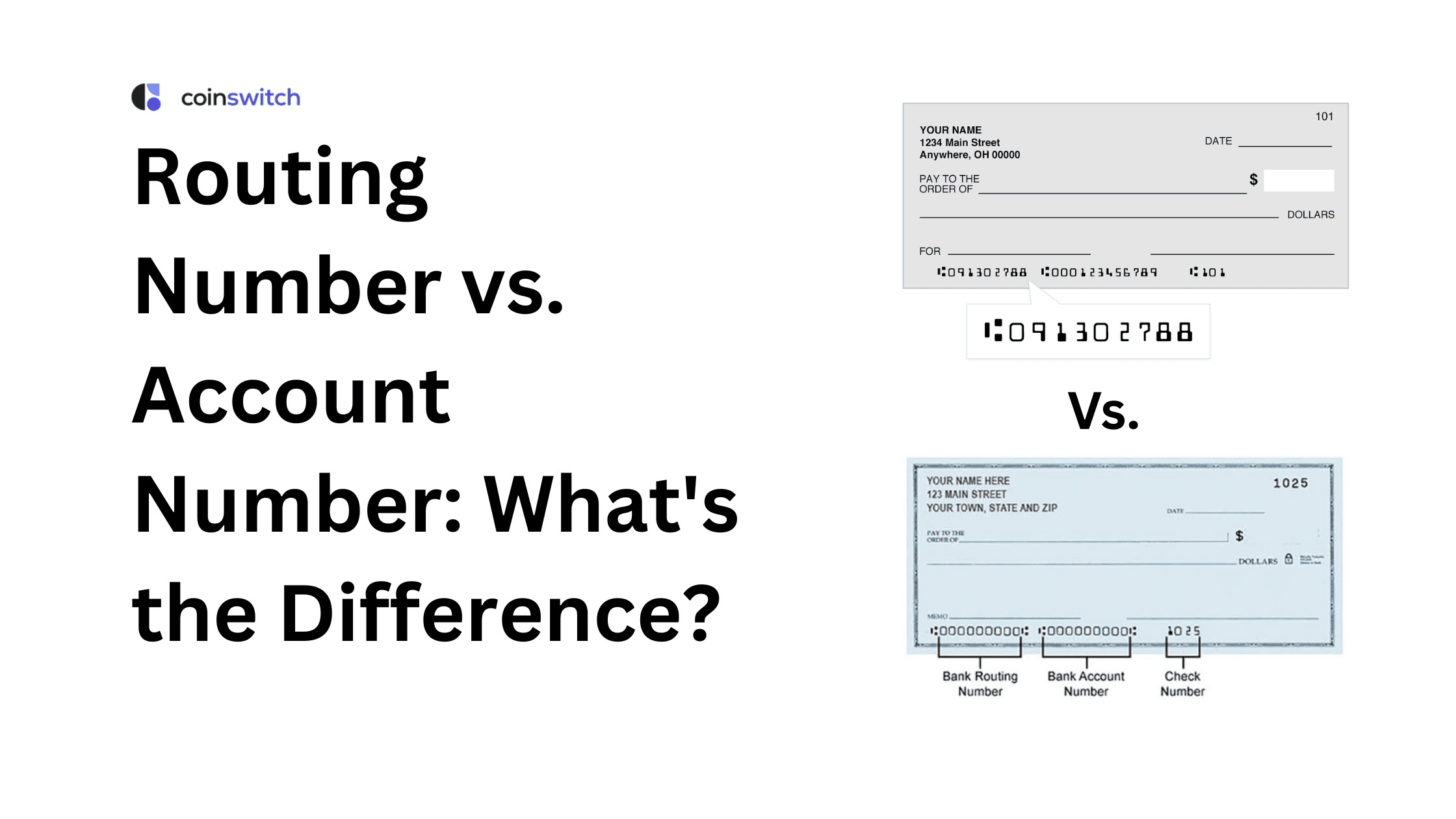
For many years, the most iconic place to find a routing number has been directly on your paper checks. If you look at the bottom of a personal check, you’ll see a series of numbers printed in magnetic ink. From left to right, these numbers typically represent:
- The Routing Number: This is usually the first set of nine digits.
- Your Account Number: This is the second set of numbers, identifying your specific account within the bank.
- The Check Number: The third set, matching the printed number on the top right corner of the check.
This traditional method remains a highly reliable way to find your routing number, provided you have a physical check handy.
Online Banking and Mobile Apps: Digital Access
In today’s digital age, your routing number is readily accessible through your bank’s online banking portal or mobile application. After logging into your account, navigate to the details of your checking account. Banks typically display the routing number prominently alongside your account number and current balance. Some apps might require you to tap on the account itself or look for a “Account Details” or “Statements” section. This method offers instant access to your routing number anytime, anywhere, making it particularly convenient for setting up online payments or direct deposits from your computer or smartphone. Many banks even offer a dedicated “Direct Deposit Form” within their online portals, which often pre-populates your routing and account numbers, streamlining the process.
Bank Statements and Direct Contact: Other Reliable Sources
Your monthly bank statements, whether physical or electronic, also list your checking account’s routing number. Look for it usually near the top of the statement, close to your account number and bank address. This can be a reliable backup if you don’t have access to checks or online banking.
If all else fails, or if you need to confirm a specific routing number for an unusual transaction (like an international wire transfer, which often uses different routing codes or SWIFT/BIC codes), you can always contact your bank directly. A quick call to customer service or a visit to a local branch will provide you with the accurate information you need. Bank staff are equipped to clarify which routing number is appropriate for various types of transactions, ensuring you avoid potential errors.
The Critical Functions of Your Routing Number
The routing number is not merely a static identifier; it is an active component in a vast network of financial transactions. Its functions are diverse and critical, impacting how you receive money, pay bills, and manage your finances electronically. Without a correct routing number, many of the conveniences of modern banking would be impossible.
Facilitating Electronic Fund Transfers (EFTs)
One of the most significant roles of a routing number is enabling Electronic Fund Transfers (EFTs). This broad category includes a multitude of digital transactions that move money from one account to another without the use of paper checks. When you initiate an EFT, such as paying a utility bill online directly from your bank account, your bank uses its routing number (and the recipient’s bank’s routing number) to direct the funds accurately. The Automated Clearing House (ACH) network is a primary system that leverages routing numbers for batch processing of these transactions, making them efficient and cost-effective.

Setting Up Direct Deposits and Automated Payments
For many individuals, the routing number’s most frequent application is in setting up direct deposit for paychecks, government benefits, or tax refunds. Employers and government agencies require your routing number (along with your account number) to electronically transfer funds directly into your checking account. This eliminates the need for paper checks, offering faster access to funds and reducing the risk of lost or stolen checks. Similarly, recurring payments like mortgage payments, rent, insurance premiums, and subscription services often utilize your routing number to set up automated deductions, ensuring bills are paid on time without manual intervention. This automation is a cornerstone of personal financial management, aiding budgeting and preventing late fees.
The Role in Wire Transfers and Bill Pay
While ACH transfers are common for everyday transactions, wire transfers represent a different class of electronic funds movement—typically for larger, time-sensitive, or international transfers. Domestic wire transfers still utilize routing numbers, often a specific one designated by the bank for wires, which can be different from the ACH routing number. For international wires, banks use SWIFT/BIC codes in conjunction with or instead of routing numbers, further highlighting the need for specific identifiers depending on the transaction type and destination. For online bill pay services, whether initiated directly through your bank or through a third-party biller, your routing and account numbers are the fundamental pieces of information that ensure your payments are accurately directed from your account to the merchant’s.
Distinguishing Between Different Routing Numbers (e.g., Wire vs. ACH)
It is crucial to understand that a bank might have different routing numbers for different purposes. The most common distinction is between routing numbers for ACH transactions (like direct deposit, bill pay) and those for wire transfers. A wire transfer routing number is typically used for instantaneous, irreversible transfers, which have higher security protocols and often higher fees. ACH transfers are batched and processed over a period of a day or two and are generally used for routine transactions. Using the incorrect routing number can lead to delays, transaction rejections, and sometimes even fees. Always verify with your bank which routing number is appropriate for the specific type of transaction you are performing to avoid these issues. Some banks may also have unique routing numbers for specific branches or geographical regions, though this is less common for typical personal checking accounts.
Common Pitfalls and Best Practices
While routing numbers are designed to simplify financial transactions, missteps can occur. Being aware of common pitfalls and adhering to best practices can save you time, money, and potential headaches. The integrity of your financial operations often hinges on the accuracy and security of these vital identifiers.
Verifying the Correct Number: A Small Error, A Big Problem
The single most critical best practice is always to verify the routing number before initiating any transaction. A single incorrect digit can reroute funds to the wrong institution, leading to significant delays and potentially making it difficult to recover your money. Imagine a direct deposit for your paycheck bouncing because of a typo – that could impact your immediate financial stability. When setting up a new direct deposit, an automated payment, or a wire transfer, take an extra moment to double-check the routing number against a reliable source (your check, online banking, or bank statement). If in doubt, contacting your bank directly is the safest approach. This simple verification step is your first line of defense against costly errors.
Security Considerations: Protecting Your Financial Data
Given the importance of routing numbers, protecting this information, along with your account number, is paramount. While a routing number alone isn’t enough for someone to access your funds, combined with your account number, it forms the key to your bank account. Be cautious about sharing this information, especially through insecure channels.
- Physical Checks: Be mindful of where you leave paper checks, as they contain both your routing and account numbers.
- Online Security: Ensure that any website or application you use to input banking details is secure (look for “https://” in the URL and a padlock symbol).
- Phishing Scams: Be wary of emails or calls requesting your banking information. Legitimate institutions will rarely ask for this sensitive data via unsolicited communications.
- Public Wi-Fi: Avoid conducting banking transactions or entering sensitive financial details on unsecured public Wi-Fi networks.
Practicing good digital hygiene and being vigilant about information security helps protect your assets from fraudsters.
When Routing Numbers Change: What You Need to Know
While routing numbers are generally stable, they can change. This most commonly occurs when banks merge, are acquired, or undergo significant restructuring. When such an event happens, your bank will typically notify you well in advance, providing instructions on any necessary actions you might need to take. It’s vital to pay attention to these communications. If your bank’s routing number changes, you will need to update this information with any entities that perform direct deposits into your account (e.g., your employer, the Social Security Administration) and any companies for whom you have set up automated payments (e.g., utility companies, loan providers). Failing to update this information can lead to failed transactions, late payments, and potential financial penalties. Keeping your contact information current with your bank ensures you receive these critical updates promptly.
The Broader Financial Ecosystem: Routing Numbers in Context
Routing numbers don’t operate in isolation; they are part of a larger, interconnected financial system designed for efficiency and security. Understanding how they fit into this broader context enhances your appreciation for their role and informs smarter financial decisions.
How Routing Numbers Interact with Account Numbers
The routing number and your individual account number are two sides of the same coin when it comes to identifying your checking account. The routing number identifies which bank the funds are going to or coming from, while the account number specifies which specific account within that bank belongs to you. Both are absolutely necessary for almost all electronic transactions. Think of the routing number as the street address of a building and the account number as the specific apartment number within that building. Without both, mail (or money) cannot be delivered accurately. Together, they create a unique identifier for your funds, ensuring precision in financial movements.
The Future of Banking: Digitalization and Routing Numbers
As banking continues its rapid evolution towards greater digitalization, the role of routing numbers remains central, albeit increasingly integrated into seamless digital experiences. While blockchain technology and cryptocurrencies present alternative paradigms for transferring value, traditional fiat money systems still rely heavily on the established infrastructure that routing numbers support. Future innovations in payment processing, such as real-time payment systems, will likely leverage routing numbers in new ways to accelerate transaction speeds further. As financial technology (fintech) companies emerge, they often build upon existing banking rails, making routing numbers an enduring component of the financial tools we use. Staying informed about these developments will help individuals and businesses adapt to an ever-changing financial landscape, where the precision offered by routing numbers continues to be invaluable.
In conclusion, the routing number on your checking account is more than just a nine-digit code; it’s a foundational element of the modern financial system. It ensures accuracy, security, and efficiency in the movement of money, empowering everything from your daily transactions to your long-term financial planning. By understanding what it is, where to find it, how it functions, and how to protect it, you gain a significant advantage in managing your personal finances effectively and confidently navigating the complex yet indispensable world of banking.
aViewFromTheCave is a participant in the Amazon Services LLC Associates Program, an affiliate advertising program designed to provide a means for sites to earn advertising fees by advertising and linking to Amazon.com. Amazon, the Amazon logo, AmazonSupply, and the AmazonSupply logo are trademarks of Amazon.com, Inc. or its affiliates. As an Amazon Associate we earn affiliate commissions from qualifying purchases.