
The global financial landscape is rarely a matter of pure extremes. While the theoretical models of absolute command economies and unfettered laissez-faire capitalism provide excellent academic benchmarks, the reality of modern business and personal finance exists within the “mixed economy.” This system blends the invisible hand of the market with the visible hand of government intervention. For investors, entrepreneurs, and taxpayers, understanding the specific roles the government plays in this framework is not just a matter of political science—it is a fundamental requirement for navigating market volatility, assessing risk, and identifying long-term financial opportunities.

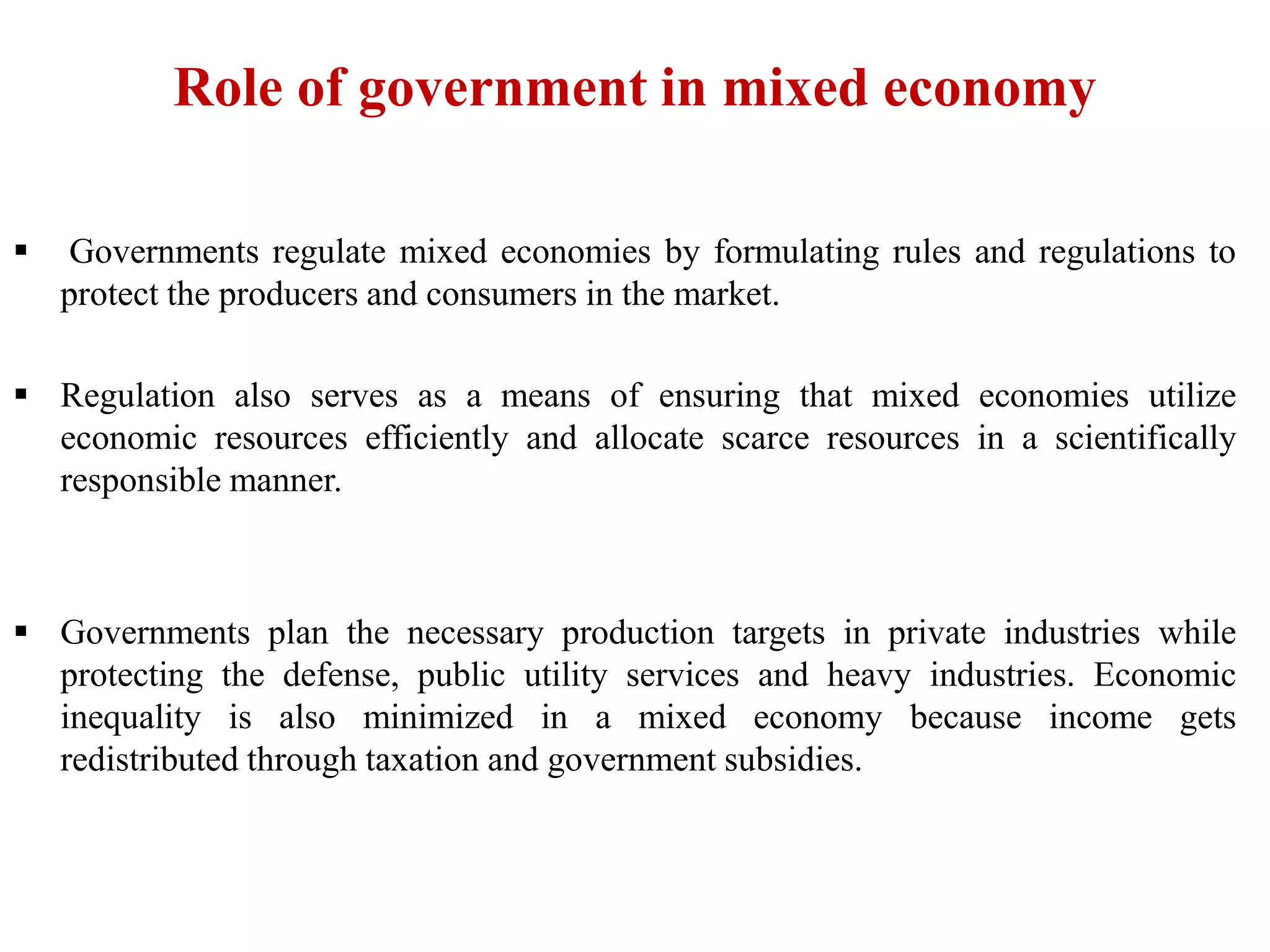
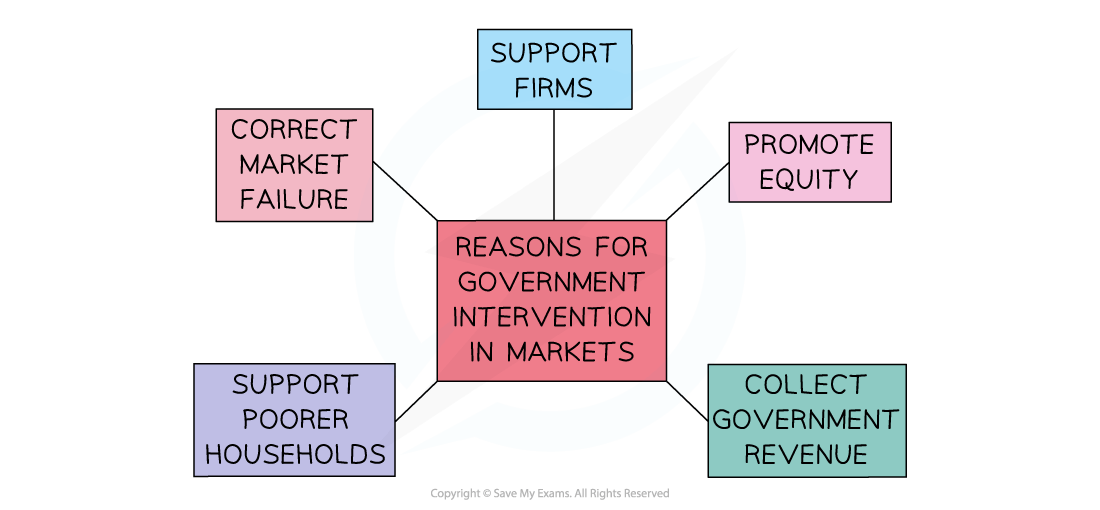
In a mixed economy, the government serves as a regulator, a consumer, a provider, and a stabilizer. By balancing private enterprise with public oversight, the state attempts to correct market failures while preserving the incentives that drive innovation and wealth creation.
Regulatory Oversight: Maintaining Market Integrity and Fair Competition
One of the primary roles of government in a mixed economy is the establishment and enforcement of a legal framework. Without a robust rule of law, private property rights—the bedrock of any financial system—cannot be guaranteed. However, the government’s role goes far beyond simply protecting property; it actively shapes the competitive landscape to ensure that markets remain efficient and fair.
Preventing Monopolies and Antitrust Action
In a purely free market, successful firms often seek to eliminate competition to increase profit margins. Left unchecked, this can lead to monopolies or oligopolies that stifle innovation and inflate prices for consumers. Governments intervene through antitrust laws to prevent anti-competitive mergers and break up entities that threaten the health of the broader economy. For the business-minded individual, these regulations define the barriers to entry and the potential for market disruption. By ensuring a level playing field, the government fosters an environment where new startups can compete with established giants, driving the creative destruction necessary for economic growth.
Consumer and Investor Protection
Market efficiency relies on the flow of accurate information. When information asymmetry exists—where one party has significantly more information than another—markets can fail. The government mitigates this through regulatory bodies such as the Securities and Exchange Commission (SEC) or the Financial Conduct Authority (FCA). These institutions mandate transparency in financial reporting, protecting retail investors from fraud and ensuring that capital markets operate with integrity. In the realm of personal finance, these protections are what allow individuals to invest in stocks, bonds, and mutual funds with a degree of confidence that the system is not rigged against them.
Fiscal Policy and Economic Stabilization
The government acts as the “manager of the business cycle.” Economies naturally go through periods of expansion and contraction, but extreme volatility can be devastating for personal savings, employment, and business solvency. Through fiscal policy, the government uses its power to tax and spend to influence the overall direction of the economy.
Counter-Cyclical Spending
During economic downturns or recessions, private demand often evaporates as consumers save more and businesses cut investment. To prevent a deflationary spiral, governments frequently engage in deficit spending—injecting liquidity into the economy through stimulus packages, infrastructure projects, and unemployment benefits. This “Keynesian” approach aims to provide a floor for the economy, maintaining consumer demand until the private sector regains its footing. For investors, understanding these cycles is critical for asset allocation; government intervention during a crisis often signals a shift in market sentiment and liquidity levels.
Tax Policy as an Incentive Tool
Taxation is more than just a revenue stream for the state; it is a powerful tool for shaping economic behavior. By offering tax credits for research and development (R&D), green energy investments, or small business equipment purchases, the government directs private capital toward sectors deemed vital for future growth. Conversely, “sin taxes” on products like tobacco or carbon emissions are used to discourage behaviors that have negative social costs. From a business finance perspective, staying abreast of changing tax codes is essential for optimizing bottom-line performance and maximizing after-tax returns on investment.
Providing Public Goods and Essential Infrastructure
There are certain services and structures that the private market is often unwilling or unable to provide efficiently because they are “non-excludable” and “non-rivalrous.” These are known as public goods. The government’s role in providing these goods is a direct investment in the nation’s productive capacity.
Physical and Digital Infrastructure
Modern commerce is impossible without a functioning network of roads, bridges, ports, and airports. In the 21st century, this has expanded to include digital infrastructure, such as high-speed internet access in rural areas and the protection of national power grids. When the government funds these projects, it lowers the “cost of doing business” for every private enterprise in the country. A logistics company, for example, relies on publicly funded highways to move goods efficiently. By socializing the cost of this infrastructure, the government enables private companies to scale and generate profits that would otherwise be eaten up by logistical inefficiencies.
Investing in Human Capital
The most valuable asset in any economy is its people. Governments in mixed economies play a central role in funding education and healthcare. By ensuring a baseline level of education and vocational training, the state provides a steady supply of skilled labor for the private sector. From a macroeconomic perspective, a healthy and educated workforce is more productive, more innovative, and less dependent on social safety nets. For the individual, public investment in education is often the primary driver of upward social mobility and long-term income potential.
Correcting Market Failures and Managing Externalities
Market failures occur when the private market does not allocate resources efficiently to maximize social welfare. The most common type of market failure is an “externality,” which occurs when the production or consumption of a good affects a third party who is not involved in the transaction.
Environmental Stewardship and Carbon Economics
Pollution is a classic “negative externality.” A factory may find it profitable to dump waste into a river because it avoids the cost of proper disposal, but the public pays the price through degraded health and environment. In a mixed economy, the government intervenes through environmental regulations, carbon taxes, or cap-and-trade systems. These mechanisms force companies to “internalize” the costs of their externalities. While this may increase short-term operational costs for businesses, it protects the long-term viability of the economy by preventing ecological collapse and reducing future healthcare expenditures.
Addressing Information Asymmetry and Public Health
In sectors like healthcare and insurance, the government often steps in to provide a safety net or to mandate coverage. This is because these markets can become dysfunctional when only the high-risk individuals seek insurance (adverse selection) or when providers have significantly more information than patients. By regulating these industries or providing public alternatives, the government ensures that a sudden health crisis does not lead to mass personal bankruptcy, which would have a cascading negative effect on the broader financial system.
The Intersection of Government Intervention and Private Enterprise
The ultimate challenge in a mixed economy is finding the “Goldilocks” zone—the perfect balance where the government provides enough stability and infrastructure to support growth without imposing so much regulation or taxation that it stifles the entrepreneurial spirit.
For those focused on business finance and wealth management, the government is not merely an external observer but an active participant in the market. Every interest rate hike by a central bank, every new trade tariff, and every shift in the corporate tax rate ripples through the stock market and affects the valuation of businesses.
The role of government in a mixed economy is to provide the “rules of the road” and the “pavement” upon which the private sector drives. While the private sector provides the engine of innovation and wealth creation, the government ensures that the road is safe, the signs are clear, and that the benefits of the journey are distributed in a way that allows the system to remain stable for the long term. Understanding this interplay is key to making informed financial decisions and navigating the complexities of the modern global economy.
aViewFromTheCave is a participant in the Amazon Services LLC Associates Program, an affiliate advertising program designed to provide a means for sites to earn advertising fees by advertising and linking to Amazon.com. Amazon, the Amazon logo, AmazonSupply, and the AmazonSupply logo are trademarks of Amazon.com, Inc. or its affiliates. As an Amazon Associate we earn affiliate commissions from qualifying purchases.