
The rapid evolution of internet culture often leaves a trail of neologisms that transition from niche community jargon to mainstream global recognition in a matter of months. Perhaps no term exemplifies this phenomenon better than “rizz.” In 2023, Oxford University Press named “rizz” its Word of the Year, signaling a shift in how digital native generations—specifically Gen Z and Gen Alpha—perceive social influence and charisma. However, beneath the playful surface of the “Rizzler” meme lies a complex interplay of social media technology, algorithmic reinforcement, and the burgeoning industry of AI-driven social tools. Understanding “The Rizzler” requires more than a dictionary definition; it requires an analysis of the digital architecture that allows such a concept to flourish.

The Evolution of Digital Linguistics: From Charisma to “Rizz”
The term “rizz” is a linguistic shortening of “charisma.” While the core concept of being charming is centuries old, its transformation into “rizz” marks a significant shift in how tech-mediated communication shapes language. The term was popularized largely through live-streaming platforms like Twitch and video-sharing giants like TikTok, where “The Rizzler” became the ultimate honorific for an individual possessing effortless social magnetism.
From Twitch to TikTok: The Evolutionary Path
The journey of “The Rizzler” began in the high-energy, real-time environment of livestreaming. Creators like Kai Cenat utilized the term to describe social interactions during “e-dates” or public challenges. Because these platforms facilitate a “parasocial” connection through real-time chat and low-latency interaction, slang moves at the speed of light. Unlike traditional media, where language undergoes a vetting process, digital platforms allow for the immediate iteration of terms. “Rizz” evolved into “The Rizzler,” a persona that embodies the peak of social confidence, often used ironically or admiringly across the digital landscape.
Linguistic Compression in the Gen Z Tech Ecosystem
The brevity of “rizz” is a hallmark of the mobile-first era. On platforms where character limits and rapid scrolling are the norms, language naturally compresses. Technology hasn’t just provided the medium for the word; it has influenced its phonetics and usage. “The Rizzler” functions as a digital shorthand—a way to tag, categorize, and identify high-value social content within seconds. This linguistic efficiency is essential for the “Attention Economy,” where users have less than three seconds to decide if a piece of content is worth their engagement.
The Algorithm as Kingmaker: How “The Rizzler” Became a Global Trend
Technology does not just host memes; it actively manufactures their ubiquity. The transition from “rizz” as a slang term to “The Rizzler” as a cultural phenomenon is a masterclass in how recommendation engines and pattern recognition software function.
Pattern Recognition and Content Propagation
Social media algorithms, particularly TikTok’s “For You” page (FYP), are designed to identify high-engagement clusters. When the term “rizz” began appearing in video captions and hashtags, the algorithm identified it as a high-velocity keyword. As users interacted with “Rizzler” content—through likes, shares, and high watch-through rates—the machine learning models prioritized similar content to billions of users. This creates a feedback loop: creators produce “Rizzler” content because the algorithm rewards it, and the algorithm rewards it because the data shows an insatiable user appetite for the trend.
The Role of Short-Form Video Platforms
The architecture of modern social apps is uniquely suited for the “Rizzler” archetype. Short-form video allows for the visual and auditory demonstration of charisma in “micro-doses.” Whether it is a specific look (the “Rizz Stare”) or a clever verbal exchange, the technology allows for the distillation of personality into a repeatable, meme-able format. This format is easily digestible and highly “remixable,” allowing other users to use “duet” or “stitch” features to participate in the trend, thereby cementing “The Rizzler” as a cornerstone of the digital zeitgeist.
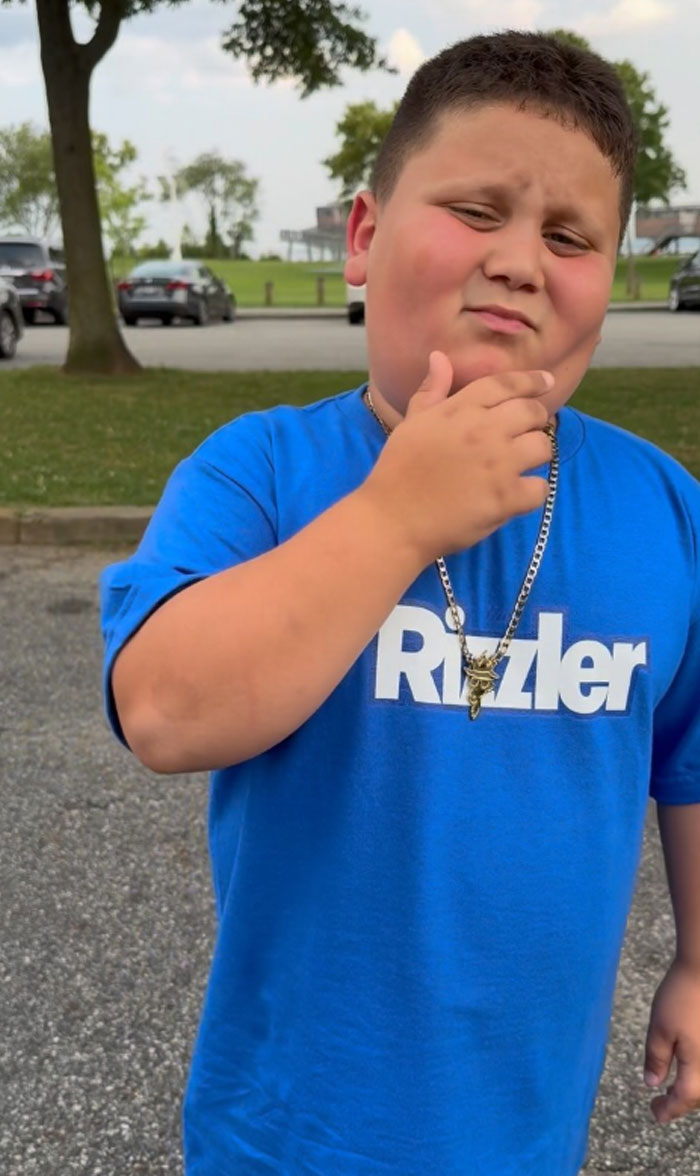
The Rise of “Rizz Tech”: AI Tools and Charisma-as-a-Service
Perhaps the most fascinating technological development stemming from this trend is the emergence of “Rizz Tech.” As the concept of the Rizzler went viral, a new sub-sector of mobile applications appeared, leveraging Large Language Models (LLMs) and Generative AI to help users automate their social interactions.
Generative AI and the Gamification of Social Interaction
Dozens of apps now exist in the iOS and Google Play stores that claim to “increase your rizz.” These apps typically use OpenAI’s GPT-4 or similar proprietary models to analyze screenshots of dating app conversations or text messages. A user uploads a screenshot, and the AI—acting as a digital “Rizzler”—suggests a witty, charming, or “smooth” response. This represents a significant shift in the utility of AI; we are moving from AI as a productivity tool (writing emails or code) to AI as a social intermediary. This “Charisma-as-a-Service” model reflects a growing reliance on algorithmic assistance for even the most basic human connections.
Privacy and Ethical Concerns in Automated Communication
The rise of “Rizz Tech” raises important questions about digital security and the authenticity of communication. When a user employs an AI to act as “The Rizzler” on their behalf, the line between human identity and machine output blurs. Furthermore, the data privacy implications are significant. Users are uploading private conversations to third-party servers to be processed by AI models. This creates a vast repository of social data that could, if mishandled, lead to breaches of privacy or the training of models designed to manipulate social sentiment. The technologization of “rizz” proves that even the most human traits—charisma and wit—are now subject to the same data-harvesting practices as our shopping habits.
Cultural Persistence and the Lifecycle of Digital Memetics
In the tech world, the lifecycle of a trend is often short. However, “The Rizzler” has shown surprising resilience due to its integration into the broader digital infrastructure.
Longevity vs. Saturation in the Attention Economy
Most memes suffer from “over-optimization”—where they are used so frequently that they lose their original value. “The Rizzler” has survived this by evolving. It has moved from a sincere compliment to a self-deprecating joke, and eventually to a meta-commentary on internet culture itself. In the tech industry, this is similar to how a software product might pivot from a niche tool to a platform. By becoming a versatile term used across different contexts (gaming, dating, sports), “rizz” has avoided the immediate obsolescence that plagues most internet slang.
Integrating Social Slang into Enterprise and Educational Tools
The impact of “The Rizzler” is even being felt in professional tech spaces. Marketers use the term to optimize SEO for younger demographics, while UI/UX designers look at the “Rizzler” trend to understand how to make digital interfaces more “charismatic” and engaging. We are seeing a move toward “Human-Centric Design” that prioritizes the same effortless flow and charm that the Rizzler persona represents. Even educational tech (EdTech) is beginning to gamify social learning by using the language of the digital native, recognizing that the medium and the message must align with the user’s cultural context.
Conclusion: The Future of the Digital Persona
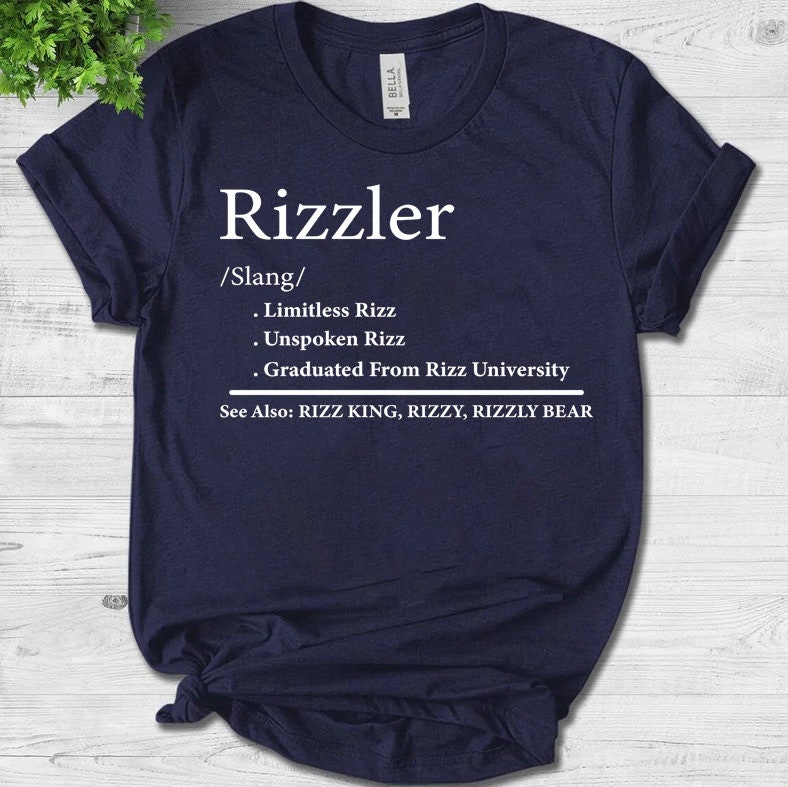
What is “The Rizzler”? At its surface, it is a playful nickname for someone with social prowess. But from a technological perspective, it is a symbol of the modern digital condition. It represents the way language is compressed by mobile interfaces, the way our personalities are curated by social algorithms, and the way our very interactions are being augmented by Artificial Intelligence.
As we look toward the future, the “Rizzler” phenomenon suggests that our digital and physical identities are becoming inseparable. We no longer just “have” charisma; we optimize it, we automate it, and we broadcast it through a complex web of global technology. Whether through a viral TikTok video or an AI-generated text response, “The Rizzler” is a reminder that in the digital age, technology is not just a tool we use—it is the lens through which we define who we are and how we connect with others. The “Rizzler” isn’t just a person; it’s a testament to the power of the algorithm to shape the human experience.
aViewFromTheCave is a participant in the Amazon Services LLC Associates Program, an affiliate advertising program designed to provide a means for sites to earn advertising fees by advertising and linking to Amazon.com. Amazon, the Amazon logo, AmazonSupply, and the AmazonSupply logo are trademarks of Amazon.com, Inc. or its affiliates. As an Amazon Associate we earn affiliate commissions from qualifying purchases.