
The question of who holds the title of the wealthiest person on the planet is one that transcends mere curiosity; it serves as a barometer for the global economy, a reflection of market sentiment, and a masterclass in capital accumulation. When we ask “what is the richest man in the world,” we are not just identifying an individual—we are examining a complex financial structure built on equity, leverage, market timing, and industrial disruption.
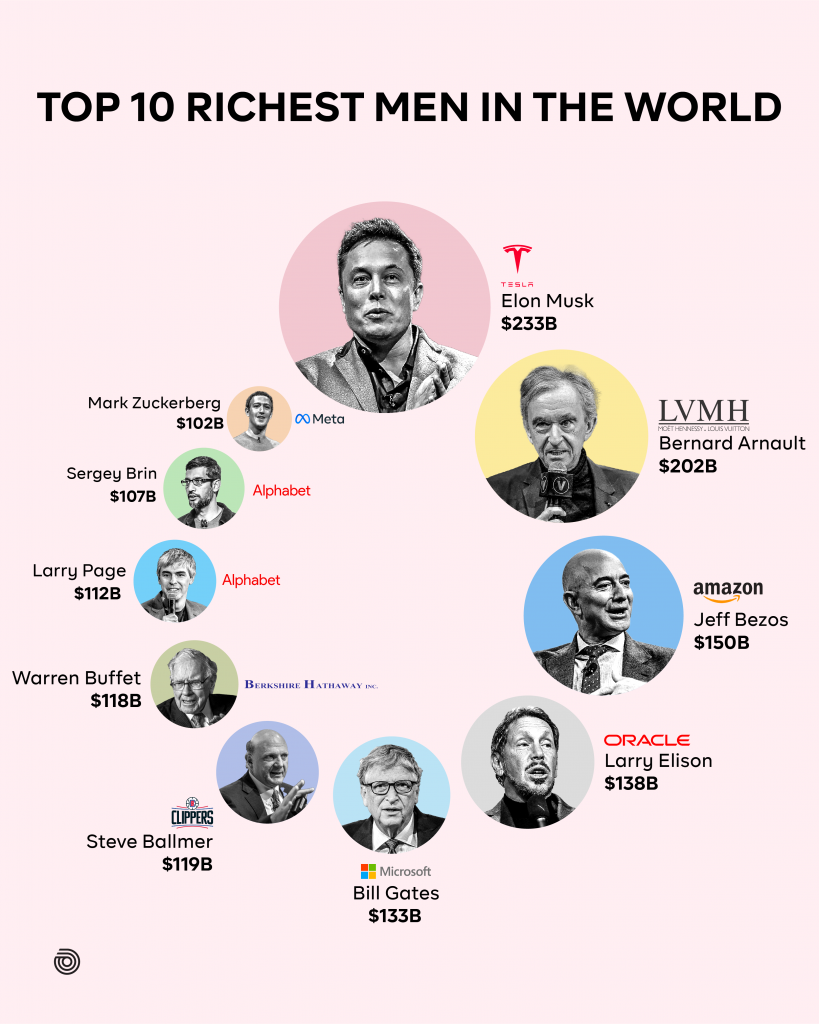
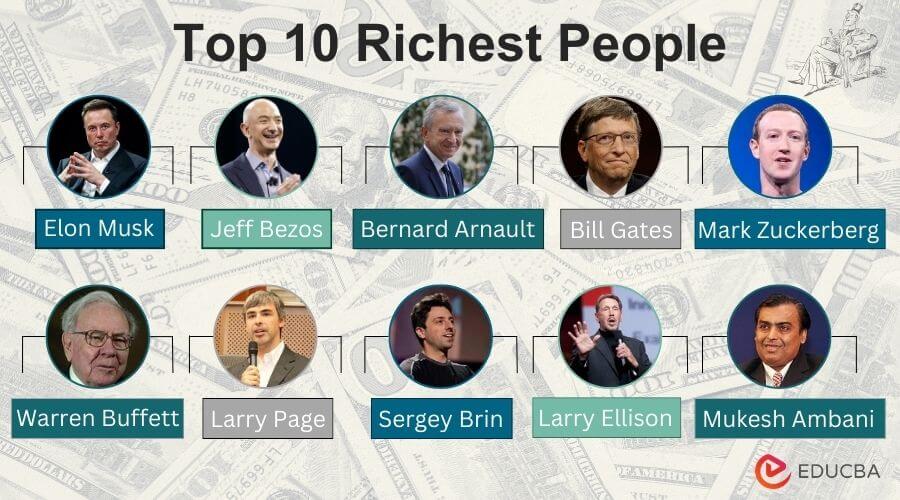
In the modern era, the identity of the world’s richest individual fluctuates with the opening and closing bells of the New York, Paris, and Hong Kong stock exchanges. Whether it is a tech visionary like Elon Musk, a retail titan like Jeff Bezos, or a luxury mogul like Bernard Arnault, the “richest man” represents the pinnacle of business finance and personal wealth management. To understand this phenomenon, one must look past the headlines and into the underlying financial principles that allow for the concentration of such immense capital.
The Fluid Nature of the World’s Wealthiest Individuals
The ranking of the world’s billionaires is rarely static. It is a live scoreboard influenced by a myriad of economic factors. For most people, wealth is a measure of savings, real estate, and retirement accounts. For the ultra-high-net-worth (UHNW) individual, wealth is almost entirely defined by equity ownership in massive, publicly traded or private corporations.
Equity as the Primary Engine of Growth
The defining characteristic of the world’s richest men is that their wealth is not derived from a salary. Instead, it is generated through the ownership of productive assets. When Elon Musk’s net worth surges by $10 billion in a single day, he has not received a paycheck; rather, the market’s valuation of Tesla or SpaceX has shifted. This illustrates the most fundamental rule of wealth building: ownership is the only path to exponential financial growth. While high-income earners (surgeons, lawyers, executives) trade their time for money, billionaires trade capital for equity. This equity compounds over time, often outstripping inflation and general market growth by significant margins.
The Volatility of Paper Wealth
It is crucial to distinguish between “liquid wealth” and “paper wealth.” The richest men in the world are often “cash poor” relative to their net worth. Their billions are tied up in shares of the companies they founded or manage. Because these shares are subject to the whims of the stock market, a billionaire can lose or gain the equivalent of a small country’s GDP in a week. This volatility highlights the risk-reward ratio inherent in concentrated positions. While financial advisors typically suggest diversification for the average investor, the world’s richest have traditionally achieved their status by doing the opposite: concentrating their bets on a single, world-changing enterprise and holding those positions for decades.
Strategic Asset Allocation: How the 0.01% Maintain Dominance
Maintaining the top spot on the billionaire index requires more than just a successful company; it requires sophisticated asset management and protection strategies. Once a certain threshold of wealth is reached, the goal often shifts from aggressive growth to wealth preservation and strategic expansion.
Diversification Beyond Public Markets
While the core of their wealth usually resides in a flagship company, the world’s richest individuals utilize family offices to diversify their holdings. A family office is a private wealth management advisory firm that serves ultra-high-net-worth investors. These entities invest in a wide array of asset classes that are often inaccessible to the general public, including private equity, venture capital, high-end commercial real estate, and rare commodities.
By diversifying into these alternative assets, the wealthiest individuals hedge against downturns in their primary industry. For instance, Jeff Bezos’s investment arm, Bezos Expeditions, has held stakes in everything from Airbnb to Uber long before they were household names. This level of institutional-grade investing ensures that even if their primary company faces a regulatory or market setback, their overall net worth remains insulated.
The Role of Private Equity and Technological Leverage
In recent years, we have seen a shift where the “richest” are increasingly those who leverage technology to scale their businesses at zero marginal cost. In the “Money” niche, we call this the “Software-as-a-Service” (SaaS) or “Platform” effect. When a business can add a million new customers without a corresponding increase in physical infrastructure, the profit margins become astronomical. This is why the rankings are dominated by tech founders. Their wealth is a direct result of the efficiency of modern digital markets, where a single innovation can be scaled globally in a matter of months.
Economic Drivers Behind the Billionaire Rankings
The title of the richest person is often decided by macroeconomic forces that are entirely outside the individual’s control. Understanding these forces provides insight into why certain names rise to the top at specific points in history.
Interest Rates and Valuation Multiples
Central bank policies, specifically those of the Federal Reserve, play a massive role in billionaire net worth. In a low-interest-rate environment, investors are more willing to pay a premium for future earnings, which drives up the P/E (Price-to-Earnings) ratios of growth stocks—typically the tech companies owned by the world’s richest men. Conversely, when interest rates rise, the “discount rate” applied to future cash flows increases, often leading to a sharp decline in the valuations of tech giants. This explains why the gap between the world’s richest tech moguls and luxury or industrial titans narrows during periods of high inflation.
Global Consumer Trends and the Luxury Paradox
While tech moguls often trade places at the top, the presence of Bernard Arnault (LVMH) near the pinnacle of wealth demonstrates a different financial principle: the resilience of the luxury market. Unlike tech, which can be disrupted by the next big algorithm, luxury brands rely on heritage and perceived scarcity. This “Veblen good” status means that even during economic downturns, the ultra-wealthy continue to spend on high-end goods, providing a stable and consistently growing wealth base for the owners of these conglomerates. This highlights a key lesson in business finance: the power of brand moat and pricing power.
Wealth Building Principles: Applying High-Level Strategies to Personal Finance
While few will ever reach the stratosphere of the world’s richest, the financial mechanics they employ are scalable and applicable to personal finance and investing.
The Power of Compound Growth and Ownership
The most significant takeaway from studying the world’s richest is the necessity of moving from “labor income” to “capital income.” Every person in the top 100 of the Forbes list is an owner. For the average individual, this translates to the importance of consistent investing in equities, whether through index funds or individual stocks. The goal is to build a portfolio of assets that work for you while you sleep, utilizing the same compounding power that turned a garage startup into a trillion-dollar empire.
Managing Risk and Liquidity
The world’s richest men also teach us a lesson in leverage. Many UHNW individuals do not sell their shares to fund their lifestyle; instead, they take out low-interest loans against their equity. This allows them to maintain their ownership stake (and avoid capital gains taxes) while accessing liquidity. For the personal investor, this underscores the importance of tax-advantaged accounts and the strategic use of credit. Understanding how to use debt as a tool rather than a burden is a hallmark of sophisticated financial management.
The Evolution of Global Wealth: Emerging Sectors and New Frontiers
As we look toward the future, the sectors that will produce the next “richest man” are already becoming clear. We are moving out of the era of simple e-commerce and social media and into an era defined by deep tech and resource scarcity.
Artificial Intelligence and the Next Wealth Wave
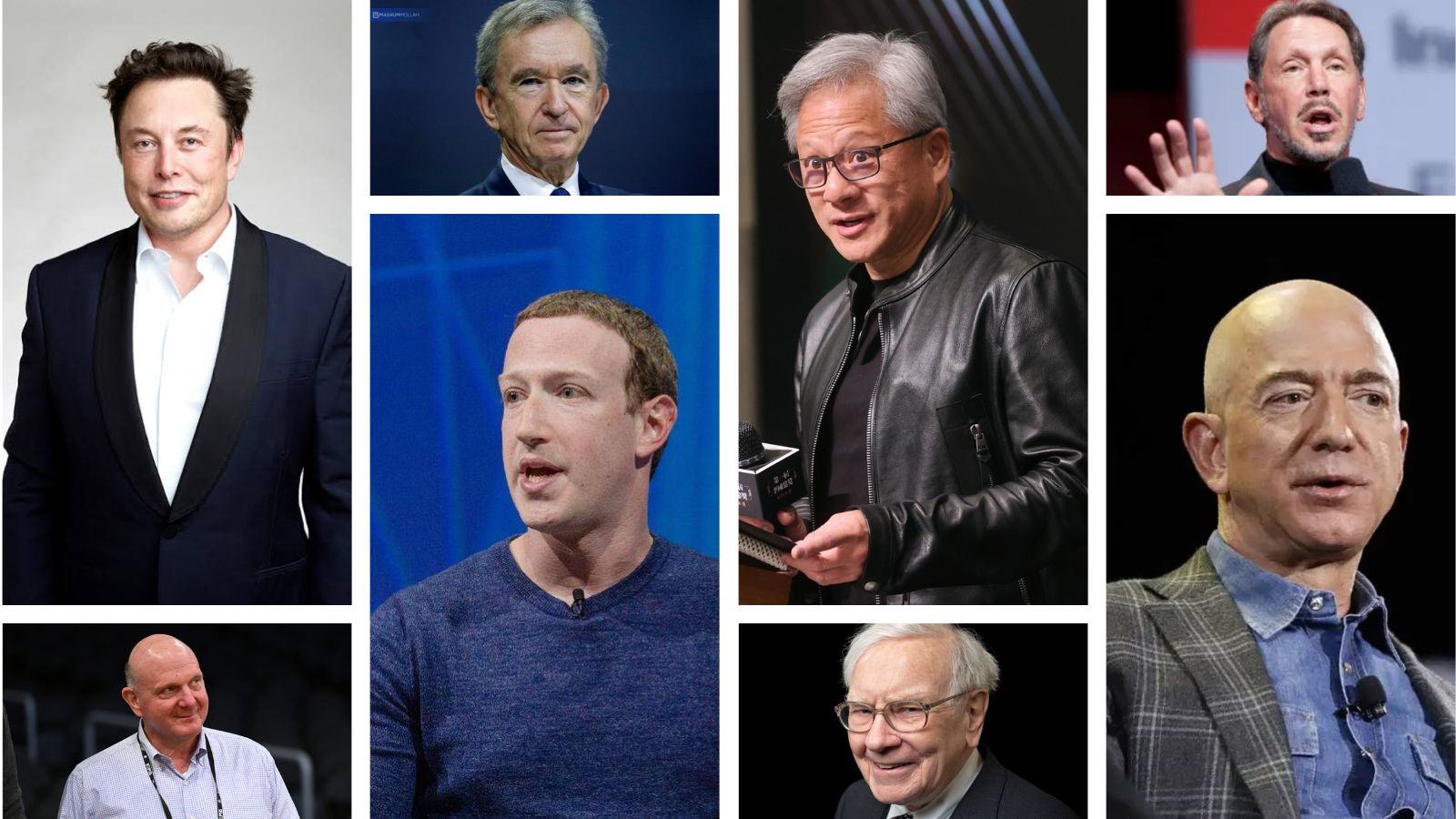
AI is currently the most significant driver of market cap growth. Companies that provide the infrastructure for AI (like Nvidia) or the platforms that integrate it are seeing unprecedented surges in value. The next individual to hold a permanent lead in the wealth rankings will likely be someone who successfully commercializes AGI (Artificial General Intelligence) or solves the energy requirements needed to power the next century of computing.
Green Energy and the Trillionaire Potential
The transition to a carbon-neutral economy represents the largest reallocation of capital in human history. Whether it is battery technology, fusion energy, or carbon capture, the individuals who lead these industries are positioned to become the world’s first trillionaires. This is a crucial area for investors to watch; the “Money” of the future is tied directly to how we solve the world’s most pressing physical and environmental challenges.
In conclusion, “what is the richest man in the world” is a question about the peak of economic potential. It is a study of how ownership, market cycles, and strategic asset allocation converge to create unimaginable wealth. By observing the movements of these individuals, we gain a clearer understanding of where the global economy is heading and how we can apply those same financial principles to our own journeys toward financial independence.
aViewFromTheCave is a participant in the Amazon Services LLC Associates Program, an affiliate advertising program designed to provide a means for sites to earn advertising fees by advertising and linking to Amazon.com. Amazon, the Amazon logo, AmazonSupply, and the AmazonSupply logo are trademarks of Amazon.com, Inc. or its affiliates. As an Amazon Associate we earn affiliate commissions from qualifying purchases.