
Determining which nation holds the title of the “richest” in the world is a task that requires more than a simple glance at a balance sheet. Depending on the metrics used—whether it is the total size of the economy, the average wealth of an individual citizen, or the purchasing power within local markets—the answer changes significantly. From a financial and investment perspective, understanding these nuances is essential for grasping how global capital flows, where market stability resides, and which fiscal policies drive unprecedented growth.
To answer the question of what the richest country is, we must delve into the mechanics of Gross Domestic Product (GDP), the strategic advantages of tax-efficient jurisdictions, and the long-term management of natural resources.
Measuring National Wealth: Beyond the Surface Figures
When economists and financial analysts discuss the wealth of a nation, they typically look at Gross Domestic Product (GDP). However, the raw GDP figure only tells part of the story. To get a true sense of a nation’s economic standing, several layers of data must be peeled back.
The Distinction Between Nominal GDP and GDP per Capita
Nominal GDP measures the total market value of all finished goods and services produced within a country’s borders in a specific time period. By this metric, the United States and China consistently lead the pack. However, nominal GDP does not account for population size. A country with a massive population might have a high nominal GDP but a very low standard of living for the average person.
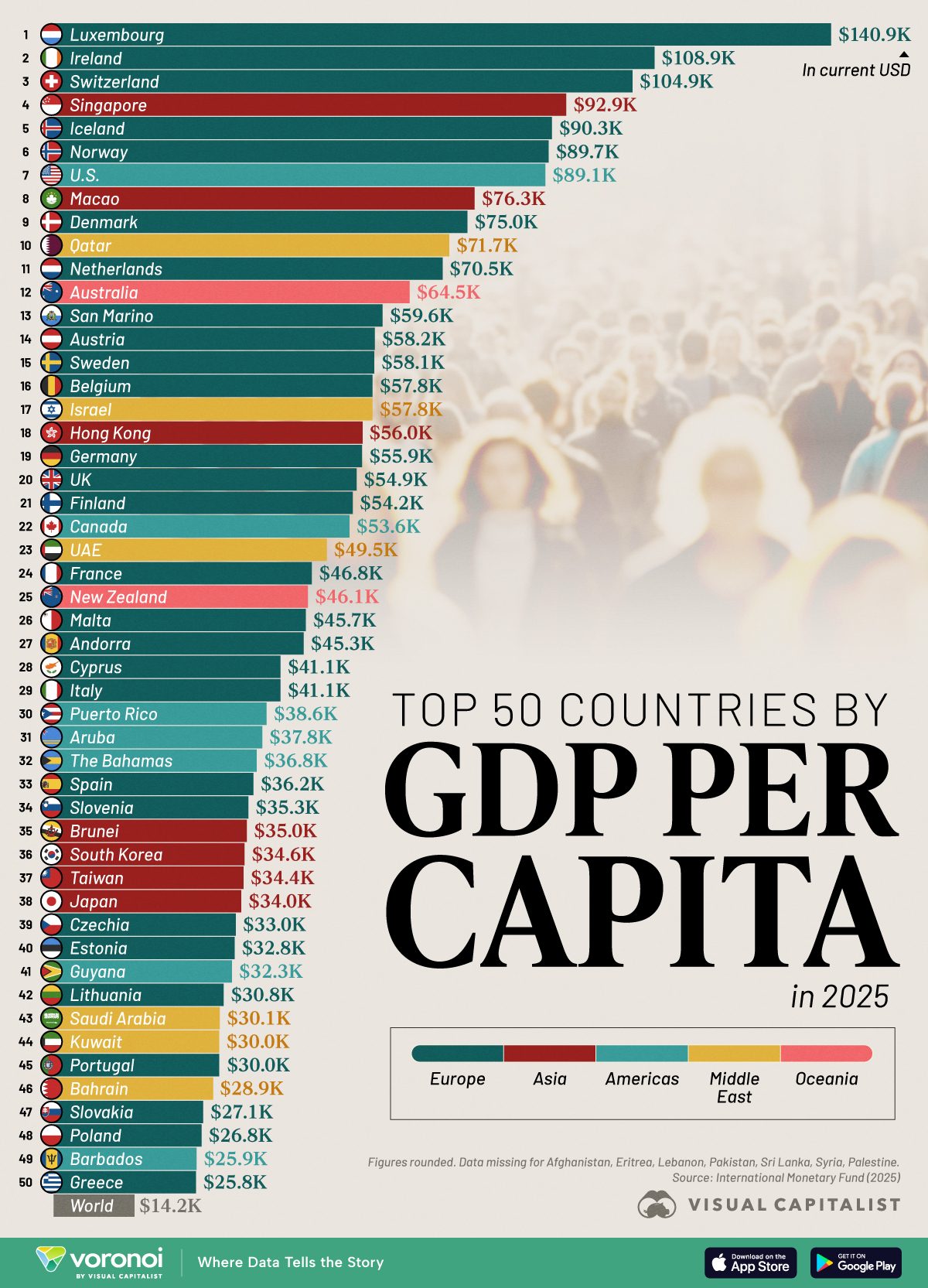
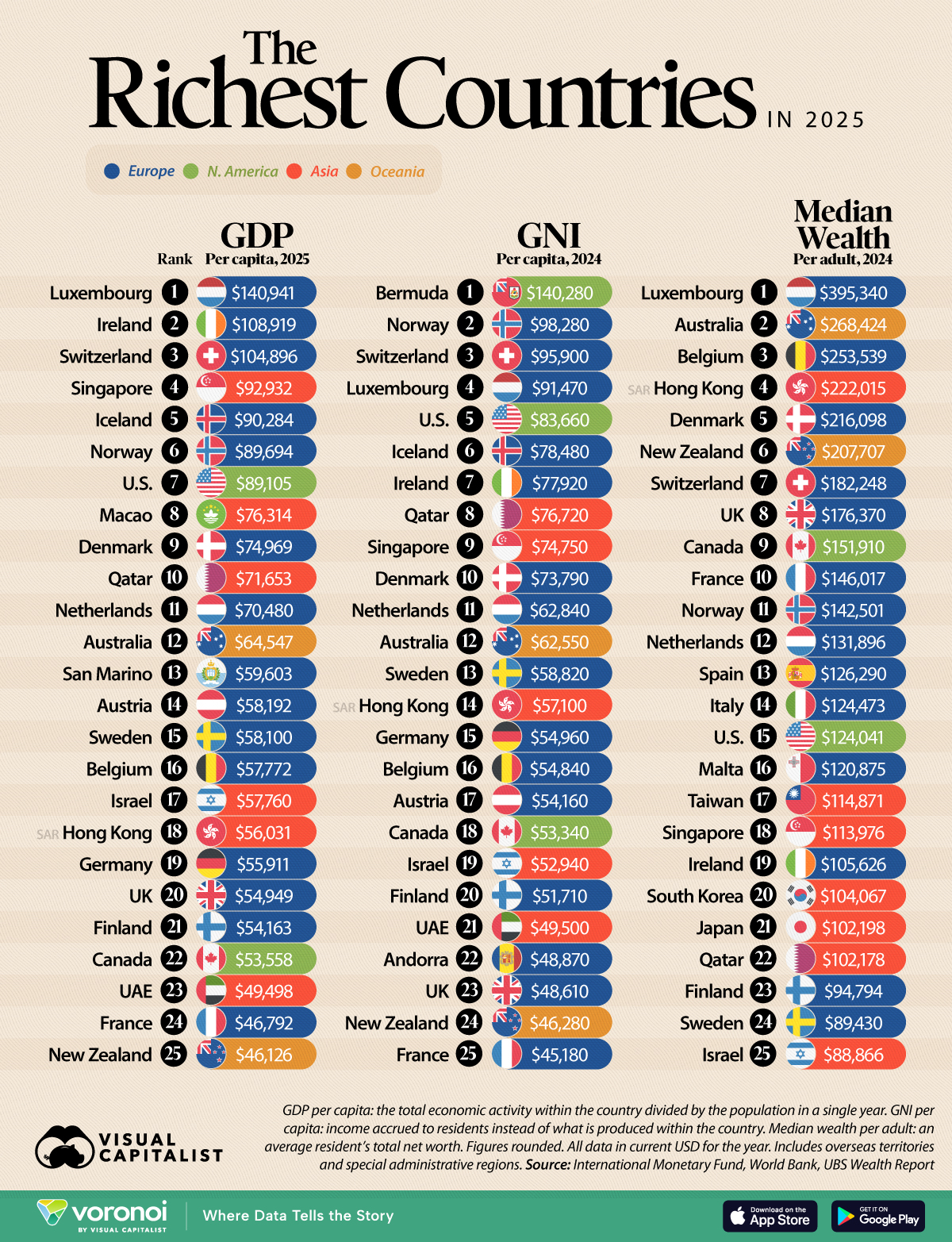
In the realm of personal finance and economic well-being, GDP per capita is a much more revealing metric. By dividing the total GDP by the population, we gain insight into the share of wealth attributable to each citizen. This is why smaller nations, such as Luxembourg or Singapore, often rank significantly higher than global superpowers when “wealth” is defined by individual prosperity.
The Importance of Purchasing Power Parity (PPP)
Even GDP per capita has its limitations. It does not account for the cost of living or inflation rates in different countries. This is where Purchasing Power Parity (PPP) becomes crucial. PPP adjusts the GDP figures to reflect the actual buying power of the local currency within the domestic market.
For instance, $1,000 in New York City does not buy the same amount of goods as $1,000 in Ho Chi Minh City. By adjusting for PPP, analysts can compare the “real” wealth of citizens across borders. Most rankings of the world’s richest countries prioritize GDP per capita (PPP) because it offers the most accurate reflection of the average citizen’s economic reality.
The Frontrunners: Profiles of the World’s Wealthiest Nations
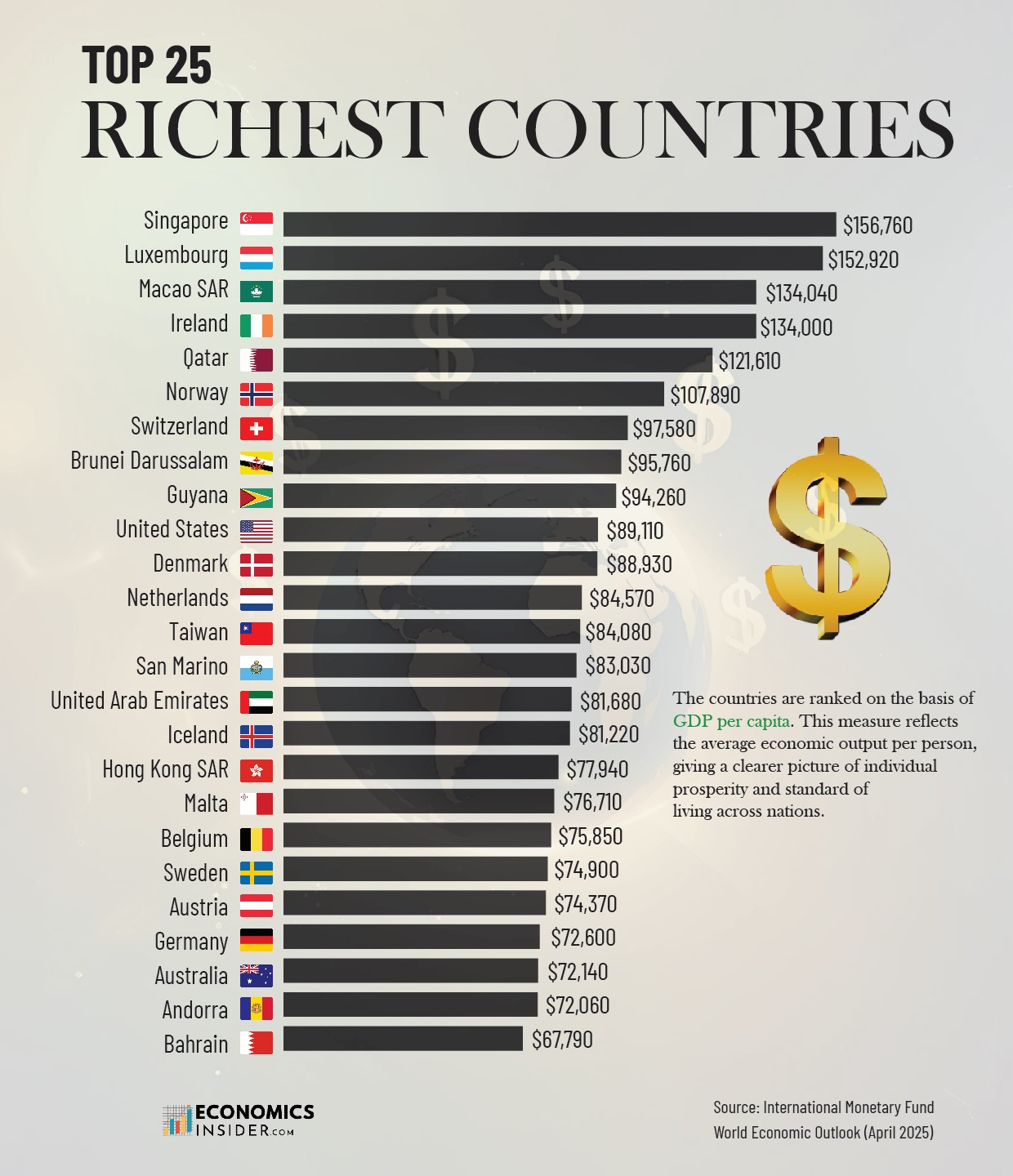
When applying the GDP per capita (PPP) metric, the list of the richest countries is dominated by small, highly specialized economies. These nations have leveraged unique geographic or fiscal positions to accumulate vast amounts of capital.
Luxembourg: The European Financial Hub
Luxembourg consistently tops the list as the world’s richest country. Despite its small size and population of just over 600,000, it possesses a disproportionately large financial sector. Luxembourg has positioned itself as a premier destination for investment funds, private banking, and corporate headquarters.
A significant factor in Luxembourg’s high GDP per capita is its cross-border workforce. Thousands of employees travel from neighboring France, Germany, and Belgium every day to work in Luxembourg. Their productivity contributes to the nation’s GDP, but because they do not live there, they are not included in the “per capita” population count. This creates an exceptionally high wealth ratio. Furthermore, the nation’s political stability and favorable regulatory environment make it a safe haven for international capital.
Ireland: The Strategic Base for Global Corporations
Ireland’s rise to the top tier of the world’s richest nations is a modern economic phenomenon. Driven by low corporate tax rates and a highly educated, English-speaking workforce, Ireland has become the European home for many of the world’s largest technology and pharmaceutical companies.
While critics often point to “contractual wealth”—where multinational profits are booked in Ireland for tax purposes—the impact on the local economy is undeniable. The influx of foreign direct investment (FDI) has spurred massive infrastructure development and high-paying job growth. While the “modified GNI” (Gross National Income) is often used to get a more “real” look at Ireland’s domestic economy, even by conservative measures, it remains a global powerhouse of wealth.
Singapore: The Innovation Engine of Southeast Asia
Singapore is a masterclass in how a nation with zero natural resources can become one of the wealthiest on earth through strategic planning. Since its independence, Singapore has focused on being a global gateway for trade and finance.
Its success is built on three pillars: a world-class shipping port, a transparent and business-friendly legal system, and a focus on high-tech manufacturing and financial services. By maintaining low corruption and high ease-of-doing-business scores, Singapore attracts the world’s elite investors and entrepreneurs. Its wealth is not just a product of trade, but of a robust ecosystem that encourages innovation and capital accumulation.
Qatar and Norway: The Resource Wealth Model
Nations like Qatar and Norway represent a different path to extreme wealth: the responsible management of natural resources. Qatar, sitting on some of the world’s largest natural gas reserves, has the highest GDP per capita in the Middle East. The state has used this revenue to modernize its infrastructure and diversify its economy through the Qatar Investment Authority.
Norway, while often categorized as a high-tax Nordic model, owes much of its national wealth to North Sea oil. However, Norway is distinguished by its fiscal discipline. Instead of spending all its oil revenue, it funnels profits into the Government Pension Fund Global—the world’s largest sovereign wealth fund. This ensures that the nation’s wealth remains sustainable long after the oil reserves are depleted.
The Mechanics of Prosperity: How Small Nations Build Massive Wealth
Looking at these top-tier nations, several common themes emerge that explain how they achieved such status. Wealth is rarely an accident; it is the result of specific fiscal and structural strategies.
Fiscal Policy and Tax Competitive Advantage
One of the most effective ways for a small country to grow its economy is to offer a competitive tax environment. By lowering corporate taxes, these nations attract multinational corporations that bring capital, technology, and employment. This “tax competition” allows smaller states to compete with much larger neighbors. However, as international tax regulations evolve—such as the OECD’s global minimum tax initiatives—these nations are increasingly pivoting toward becoming hubs for intellectual property and specialized services rather than just low-tax jurisdictions.
Specialized Labor and Financial Services
Rich countries almost always have a high concentration of tertiary-sector industries. Manufacturing and agriculture can build a solid foundation, but high-end financial services, fintech, and professional services generate the highest margins. By investing heavily in education and attracting international talent, these nations create a high-value labor market that commands top-tier global wages.
The Sustainability of Wealth: Sovereign Wealth Funds and Future-Proofing
A key differentiator between a country that is currently “rich” and one that will remain rich is the presence of a Sovereign Wealth Fund (SWF). These are state-owned investment funds that take the surplus revenues of a nation and invest them in global markets, real estate, and private equity.
The goal of an SWF is twofold: to stabilize the economy against price volatility (especially for resource-rich nations) and to provide a source of income for future generations. Countries like Norway, the UAE, and Singapore have trillions of dollars under management. For an investor, the presence of a strong SWF is a sign of long-term macroeconomic stability, as it provides a buffer against global recessions and currency fluctuations.
Wealth vs. Welfare: The Nuances of Economic Success
While GDP per capita (PPP) tells us who is the “richest” in terms of money, it does not always correlate perfectly with the quality of life or the distribution of that wealth. Financial analysts often look at the Gini Coefficient alongside GDP to understand wealth inequality.
A country may have a high average wealth, but if that wealth is concentrated in the hands of a small elite, the “average” citizen may not feel rich. This is why the Human Development Index (HDI), which accounts for life expectancy and education, is often paired with financial data to provide a holistic view of a nation’s success.
In the final analysis, the “richest” country in the world depends on your perspective. If you value sheer economic might and market influence, the United States remains the leader. If you value the individual’s purchasing power and financial opportunity, Luxembourg and Singapore take the crown. For those looking at long-term financial security and social safety nets, the resource-rich but fiscally conservative nations like Norway represent the pinnacle of national wealth management. Understanding these distinctions is the first step in navigating the complex landscape of global finance and international business.
aViewFromTheCave is a participant in the Amazon Services LLC Associates Program, an affiliate advertising program designed to provide a means for sites to earn advertising fees by advertising and linking to Amazon.com. Amazon, the Amazon logo, AmazonSupply, and the AmazonSupply logo are trademarks of Amazon.com, Inc. or its affiliates. As an Amazon Associate we earn affiliate commissions from qualifying purchases.