
In the wake of global economic disruptions, new financial terminologies often emerge to describe the complex relationship between consumer behavior and fiscal policy. Among these, the “Revenge Tax” has surfaced as a multifaceted concept. While not always a literal line item on a government tax form, the revenge tax represents the cumulative financial “penalties” individuals and businesses pay as a result of “revenge spending,” inflationary pressures, and punitive fiscal policies designed to recoup pandemic-era stimulus.
Understanding the revenge tax is essential for anyone looking to safeguard their personal finance or manage a business in an era of high volatility. It is the invisible friction in the gears of the modern economy—a mixture of literal taxation, rising interest costs, and the premium placed on goods and services as the world attempts to return to a sense of normalcy.

Understanding the Genesis of the “Revenge Tax”
To understand the revenge tax, one must first understand the phenomenon of “revenge spending.” Following periods of forced austerity or lockdowns, consumers often exhibit a psychological drive to overcompensate for lost time. This surge in demand for travel, luxury goods, and dining out is what economists call revenge spending. However, this behavior does not occur in a vacuum; it triggers a series of economic reactions that serve as a de facto tax on the consumer.
From Revenge Spending to Fiscal Repercussions
When millions of people decide to spend their accumulated savings simultaneously, demand far outstrips supply. In a classic economic cycle, this leads to rapid price appreciation. The “revenge tax” in this context is the premium paid for goods that were significantly cheaper just months prior. From a personal finance perspective, your purchasing power is effectively “taxed” by the collective urgency of the market. Furthermore, as prices rise, so do the ad valorem taxes—such as sales tax and Value Added Tax (VAT)—meaning the government collects a larger nominal amount of revenue on every “revenge” purchase you make.
The Psychology of Compulsive Consumption
The psychological root of the revenge tax lies in the “fear of missing out” (FOMO). After experiencing a period where choices were limited, consumers often feel a “right” to indulge. This emotional spending often leads to poor financial decision-making, such as taking on high-interest debt to fund lifestyles that are temporarily inflated. The interest paid on this debt is perhaps the most direct form of the revenge tax, as it represents capital that could have been invested but is instead surrendered to financial institutions as a penalty for immediate gratification.
The Hidden Taxes on “Revenge” Behaviors
While literal taxes are transparent, the revenge tax often manifests through “shadow” mechanisms that erode wealth over time. For the savvy investor or the disciplined saver, identifying these hidden costs is the first step toward mitigation.
Inflation as a “Shadow Tax”
Inflation is frequently described by economists as a hidden tax because it reduces the value of the money in your pocket without a single law being passed. When the economy experiences a “revenge” phase, the resulting inflation acts as a massive transfer of wealth. For those holding cash or fixed-income assets that do not keep pace with rising prices, the revenge tax is the loss of real-world value. In this environment, the cost of living increases, and the “tax” is paid at the grocery store, the gas pump, and in monthly utility bills.
Increased Interest Rates and the Cost of Credit
To combat the inflation caused by excessive spending, central banks typically raise interest rates. This is the “revenge tax” applied by monetary policy. For homeowners with variable-rate mortgages or individuals with credit card balances, the cost of borrowing increases sharply. This interest rate hike is a deliberate tool used to “cool down” the economy, essentially taxing the use of credit to discourage further spending. For a business, this increases the cost of capital, making it more expensive to expand or innovate, thereby slowing down potential income growth.
Policy-Driven “Revenge Taxes” in a Shifting Economy
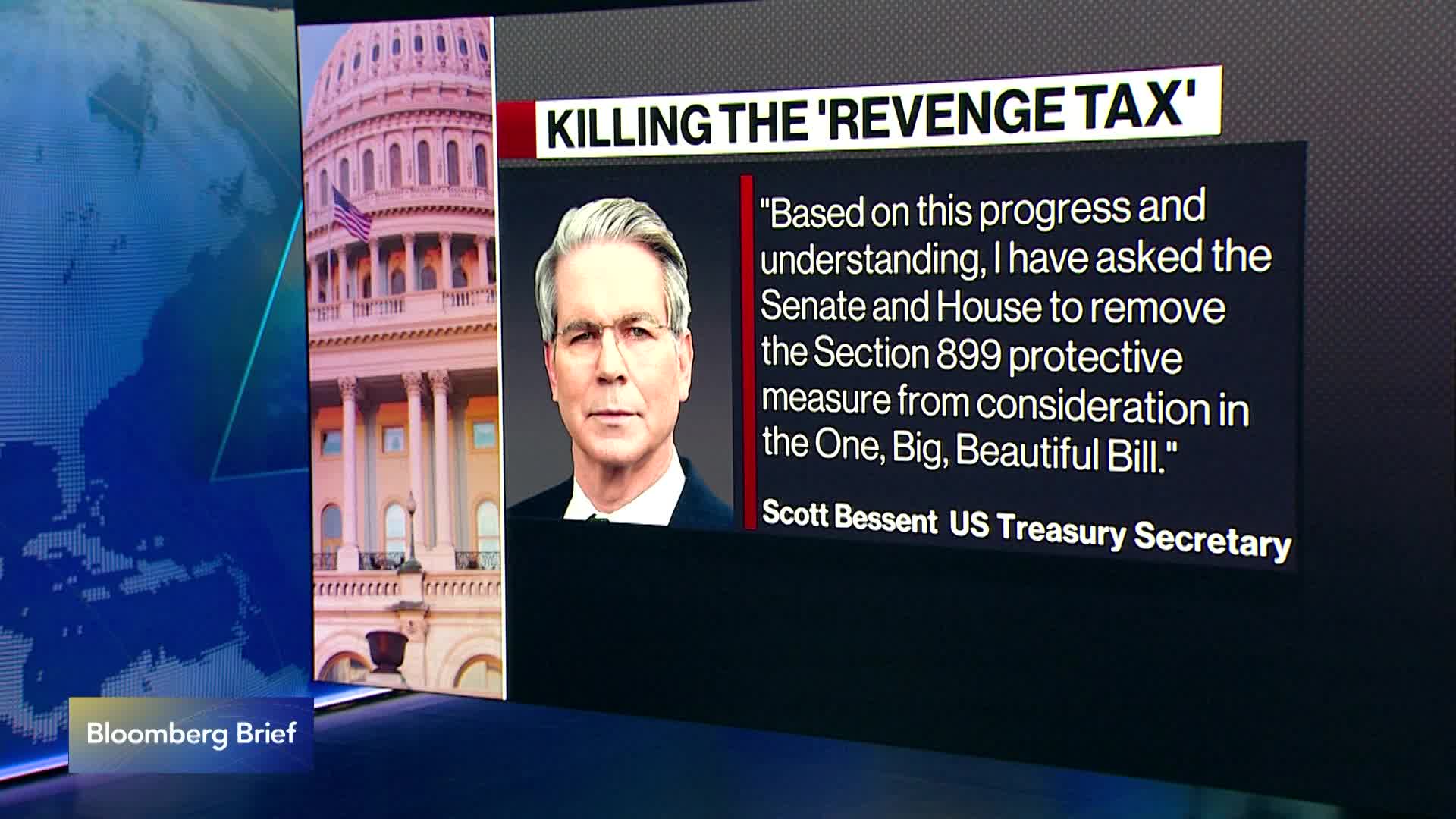
Beyond the metaphorical and shadow taxes, there are literal policy shifts that can be categorized as “revenge taxes.” These are often punitive measures taken by governments to balance budgets or to address perceived inequities in the market during a recovery.
Punitive Tariffs and Trade-Related Revenge Taxes
In the arena of international trade, “revenge tax” is often another name for retaliatory tariffs. When one nation imposes a tax on imports, the affected nation often responds with its own set of taxes on the first nation’s most profitable exports. These tit-for-tat measures are “revenge” in the most literal sense. For the consumer and the business owner, this results in higher prices for electronics, raw materials, and consumer goods. Navigating these trade-driven costs requires a deep understanding of supply chain management and a proactive approach to sourcing.
Corporate Windfall Taxes: Punishing Unforeseen Profit
During economic shifts, certain sectors—such as energy or big tech—often see record-breaking profits due to supply constraints or changes in consumer habits. Governments may respond by implementing “Windfall Taxes.” These are essentially “revenge taxes” on success, designed to redistribute the high profits earned during a crisis back into the public coffers. While intended to support the broader population, these taxes can lead to reduced investment in infrastructure and higher prices for the end consumer as companies pass the tax burden down the line.
Managing Your Personal Finances Against the Revenge Tax
In an era defined by the revenge tax, standard financial advice often falls short. Protecting your wealth requires a more aggressive and strategic approach to money management.
Strategies for Wealth Preservation
To avoid being a victim of the revenge tax, one must move away from high-liquidity, low-yield environments during inflationary periods. Investing in “hard assets” or equities that have pricing power is a classic defense. Companies that can raise prices without losing customers are essentially able to pass the revenge tax onto others, protecting their profit margins and, by extension, your investment. Additionally, shortening the duration of your debt or locking in fixed rates can shield you from the “interest rate tax” imposed by central banks.
Tax-Loss Harvesting and Strategic Reinvestment
For the sophisticated investor, managing the “tax” side of the revenge tax involves proactive tax planning. Tax-loss harvesting allows you to sell investments that have lost value to offset capital gains in other areas of your portfolio. By strategically managing when you realize gains and losses, you can minimize the literal tax burden you owe the government, effectively “taking back” some of the wealth lost to the broader economic revenge tax.

The Future of Fiscal Retribution: What to Expect Next
The concept of the revenge tax is likely to evolve as global economies become more interconnected and digital. We are entering an era where fiscal policy is increasingly used as a tool for social and behavioral engineering.
As we move forward, we may see the emergence of “Green Revenge Taxes”—higher levies on carbon-intensive behaviors or products as a way to “get back” at industries contributing to climate change. Similarly, as the digital economy grows, new taxes on data and digital services are being proposed globally. These represent the next frontier of the revenge tax: a shift from taxing what we earn to taxing how we live, travel, and interact in a digital space.
To thrive in this environment, individuals must remain financially agile. This means maintaining a healthy emergency fund to absorb price shocks, investing in assets that provide an inflation hedge, and staying informed about changing tax codes. The “revenge tax” is a reminder that in the world of finance, every action has a reaction. By understanding the mechanics of these reactions, you can position yourself not as a victim of the cycle, but as a beneficiary of the new economic order.
In conclusion, while the “revenge tax” may not be an official term in a tax manual, its effects are felt by everyone. It is the cost of a world trying to balance itself after a period of extreme imbalance. By recognizing the patterns of revenge spending, inflation, and punitive policy, you can build a financial fortress that stands firm against the shifting tides of the global economy.
aViewFromTheCave is a participant in the Amazon Services LLC Associates Program, an affiliate advertising program designed to provide a means for sites to earn advertising fees by advertising and linking to Amazon.com. Amazon, the Amazon logo, AmazonSupply, and the AmazonSupply logo are trademarks of Amazon.com, Inc. or its affiliates. As an Amazon Associate we earn affiliate commissions from qualifying purchases.