
The Economic Interdependence: Understanding the Mistletoe-Spruce Dynamic in Forestry
The seemingly simple botanical question regarding the relationship between mistletoe and spruce trees carries significant weight within the financial landscape of forestry, timber production, and even niche seasonal markets. This isn’t merely a tale of two plants; it’s a detailed exploration of parasitic interaction with profound economic consequences, influencing everything from long-term investment in forest health to the immediate profitability of lumber yields. Spruce trees (genus Picea) are vital components of global timber industries, providing wood for construction, paper production, and various other wood products. Their growth, health, and market value are paramount to foresters, landowners, and investors. Mistletoe, specifically species like dwarf mistletoe (Arceuthobium spp.) which commonly infect conifers, introduces a complex layer of financial risk and management cost into this equation.
Financial Vulnerabilities in Forestry
The presence of mistletoe directly translates into economic vulnerability for spruce stands. As obligate hemi-parasites, mistletoe plants attach to the host spruce, penetrating its bark to extract water and nutrients. This constant drain starves the host, diverting essential resources away from growth and maintenance. For commercial forestry, this means slower timber growth rates, which directly impact the yield and rotation periods of marketable spruce. A forest intended to be harvested in 50 years might require an additional 5-10 years to reach the same timber volume if heavily infested, deferring revenue and increasing holding costs for landowners. Moreover, prolonged or severe infestations can lead to deformed branches, called “witches’ brooms,” and cankers on the trunk, which compromise the structural integrity and aesthetic value of the wood. This damage often results in downgraded lumber quality, fetching lower prices at market or even rendering certain portions of timber unsellable for high-value applications.
Impact on Timber and Pulpwood Industries
The financial repercussions extend across the entire value chain of the timber and pulpwood industries. Timber companies investing in vast tracts of spruce forests must factor mistletoe prevalence into their financial models, adjusting expected yields and potential profit margins. Reduced timber volume per acre means higher per-unit harvesting costs, as equipment and labor are utilized less efficiently. For pulpwood, where wood fiber is processed into paper and other cellulose-based products, the impact might seem less severe than for high-grade lumber, but it is still significant. Mistletoe-infected wood often has lower density and altered fiber properties, potentially requiring more intensive processing or yielding lower quality pulp. This can drive up operational costs for pulp mills and reduce their competitive edge. Furthermore, the presence of mistletoe can increase the susceptibility of spruce trees to secondary infections from other pests and diseases, creating a cascading financial risk where initial mistletoe damage opens the door to further, more devastating, and costly problems.
Christmas Tree Farming: A High-Stakes Battle Against Parasites
Beyond large-scale timber operations, the relationship between mistletoe and spruce takes on a particularly sharp financial edge in the specialized sector of Christmas tree farming. Spruce varieties, such as Norway spruce and Colorado blue spruce, are popular choices for festive decorations due to their shape, needle retention, and fragrance. In this market, aesthetic perfection is paramount, and any defect can severely impact marketability and price.
Reduced Market Value and Aesthetic Damage
Mistletoe infestation poses a direct and tangible threat to the economic viability of a Christmas tree farm. The characteristic “witches’ brooms” formed by mistletoe are unsightly, distorting the classic conical shape desired in a Christmas tree. Needles on infected branches may be stunted, discolored, or shed prematurely. A tree that might otherwise command a premium price during the holiday season can be rendered unsellable, or significantly devalued, if it exhibits even minor signs of mistletoe damage. Consumers are highly selective, especially in a competitive market, and will opt for unblemished trees. This means farmers face write-offs for affected stock, converting potential revenue into irrecoverable losses. The financial impact isn’t limited to the visibly infected trees; surrounding trees may also suffer from reduced growth and vigor, making them less robust and less attractive to buyers.
Prevention and Mitigation Costs
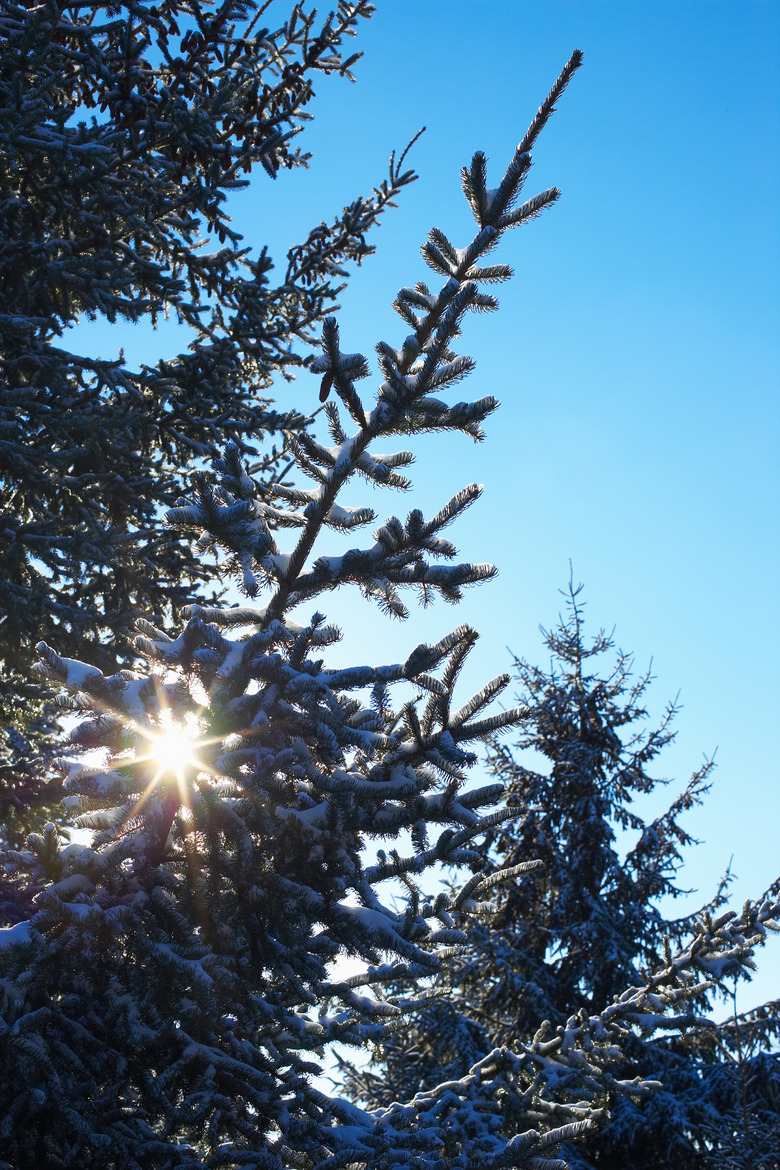
Managing mistletoe in a Christmas tree plantation is an ongoing and often costly endeavor. Prevention strategies include careful site selection to avoid areas with known mistletoe populations, as well as strict hygiene protocols to prevent the introduction of seeds. Once an infestation is identified, mitigation becomes critical. This typically involves labor-intensive manual removal, where infected branches or entire trees must be pruned or culled. Pruning must be done carefully to remove all parasitic tissue without causing further damage to the host tree, requiring skilled labor. For larger infestations, chemical control might be considered, adding material and application costs. These operational expenses directly eat into profit margins, transforming what would otherwise be a straightforward seasonal sale into a battle against biological threats that erode financial returns. For a small-scale Christmas tree farmer, a severe mistletoe outbreak can be the difference between a profitable season and financial distress.
Mistletoe as a Niche Commodity: A Double-Edged Sword
While often viewed as a financial detriment to spruce and other host trees, mistletoe itself possesses a unique, albeit seasonal and niche, market value, particularly during the holiday season. This presents a curious economic duality, where the very plant that causes significant losses in one segment of the forestry industry can generate income in another.
Seasonal Income Opportunities
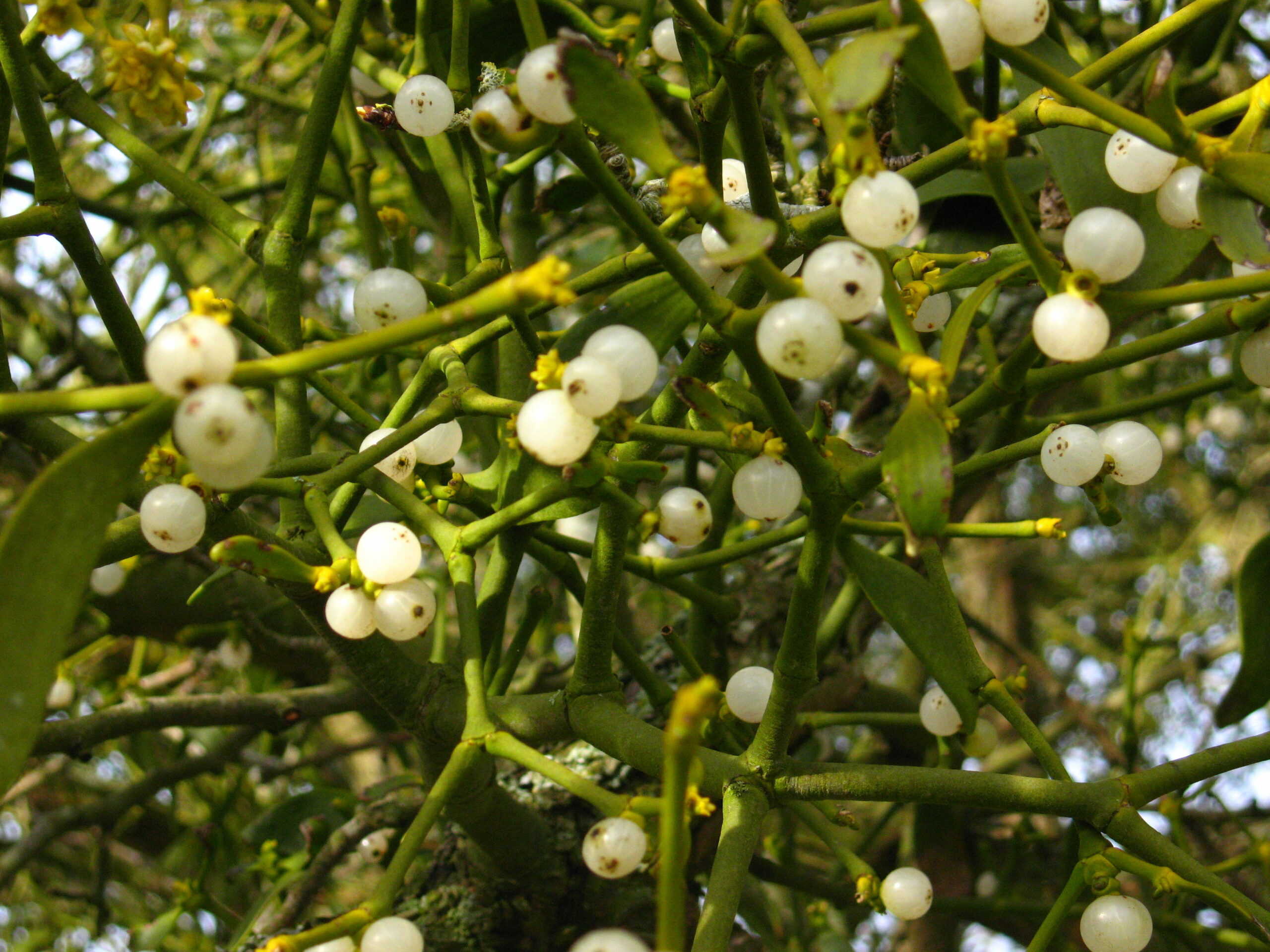
The tradition of “kissing under the mistletoe” creates a demand for its distinctive green foliage and berries in the weeks leading up to Christmas. For individuals or small businesses with access to mistletoe populations, harvesting and selling it can serve as a side hustle or seasonal income stream. This often involves collecting mistletoe from infected trees, packaging it, and selling it directly to consumers at farmers’ markets, craft fairs, or through online platforms. The profit margins can be attractive, given the relatively low cost of collection (primarily labor) and the high demand for a limited-time product. This activity, however, is often conducted on a small scale, rarely offsetting the large-scale financial losses incurred by commercial timber operations. Moreover, the sustainability and legality of harvesting must be considered, as some mistletoe species are protected, or harvesting may require permits on public or private land.
Sustainable Harvesting and Market Dynamics
The financial viability of mistletoe as a commodity is subject to market dynamics and sustainable harvesting practices. Over-harvesting could deplete local populations, diminishing future income potential. Responsible harvesters might focus on removing mistletoe from heavily infected trees where its presence is already causing significant damage, thereby potentially aiding tree health while generating income. Pricing strategy is also crucial; as a seasonal novelty, mistletoe commands prices influenced by supply, demand, and regional traditions. Online platforms can expand the market reach, allowing small-scale sellers to tap into a broader customer base beyond their immediate locality, potentially increasing sales volume and revenue. However, competition from large retailers sourcing commercially grown or mass-produced holiday decor can cap pricing and limit profit potential for independent sellers.
Investment in Forest Health: Long-Term Financial Planning
Understanding the financial implications of the mistletoe-spruce relationship necessitates a broader perspective on long-term forest health and investment. For any individual or entity with a financial stake in forests, managing parasitic threats like mistletoe is not just about immediate damage control but about safeguarding future assets and ensuring sustainable returns.
Risk Management and Insurance Considerations
Forest owners and investors face inherent risks from natural factors like pests, diseases, and parasites. Mistletoe infestation is a predictable and manageable risk, but one that requires proactive financial planning. Risk management strategies include regular forest health surveys to detect early signs of mistletoe, which allows for timely and less costly interventions. Diversification of tree species within a forest stand can also mitigate risk, as mistletoe species are often host-specific. Financial tools like forest insurance can provide a safety net against significant losses from widespread infestations or other natural disasters, though policies must be carefully reviewed to understand coverage specifics related to parasitic damage. The cost of insurance, coupled with the ongoing expenses of monitoring and prevention, must be weighed against the potential for catastrophic financial loss if left unaddressed.
The Cost-Benefit of Ecological Interventions
Decisions regarding mistletoe management are fundamentally economic. The cost of intervention (e.g., pruning, culling, chemical treatment) must be carefully weighed against the projected financial benefits (e.g., increased timber yield, higher quality lumber, preserved aesthetic value). Early intervention, though incurring immediate costs, often proves more cost-effective in the long run by preventing widespread damage that would require far more expensive and extensive measures later. For investors focused on sustainable forestry and long-term asset appreciation, investing in ecological interventions to maintain spruce forest health is a critical financial decision. It ensures the longevity and productivity of the asset, preserving capital and securing future income streams from timber sales, carbon credits, or even recreational use. The financial health of a spruce forest, intricately linked to its biological health and parasitic burdens like mistletoe, underscores the necessity of integrated financial and ecological management strategies.
aViewFromTheCave is a participant in the Amazon Services LLC Associates Program, an affiliate advertising program designed to provide a means for sites to earn advertising fees by advertising and linking to Amazon.com. Amazon, the Amazon logo, AmazonSupply, and the AmazonSupply logo are trademarks of Amazon.com, Inc. or its affiliates. As an Amazon Associate we earn affiliate commissions from qualifying purchases.