
Sleep paralysis has long been relegated to the realm of folklore and psychological mystery, often described through the lens of “The Old Hag” or supernatural visitations. However, in the modern era, the “reason” for sleep paralysis is being redefined through the rigorous application of neurotechnology, data science, and biohacking. When we strip away the myth, we find a fascinating technological “glitch” in the human operating system—a temporary desynchronization between the brain’s software (consciousness) and its hardware (the physical body).
As we advance our understanding of neural monitoring and digital health, the underlying causes of this phenomenon are no longer mysteries. Instead, they are becoming data points that can be tracked, analyzed, and eventually mitigated through sophisticated technological interventions.
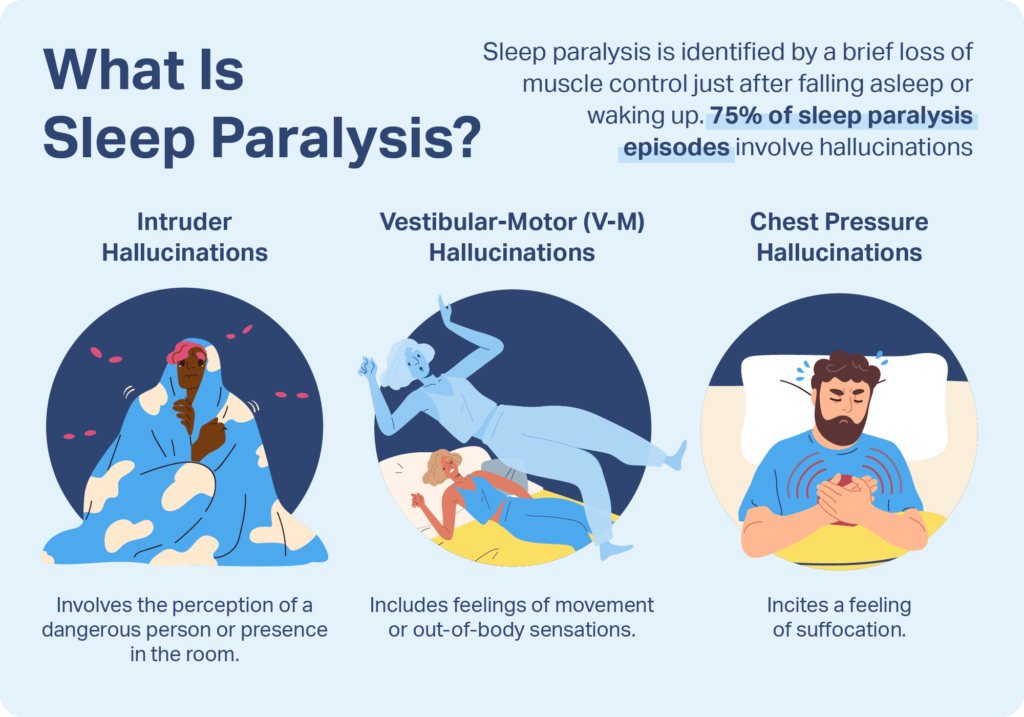
The Neuro-Technological Landscape of Sleep Science
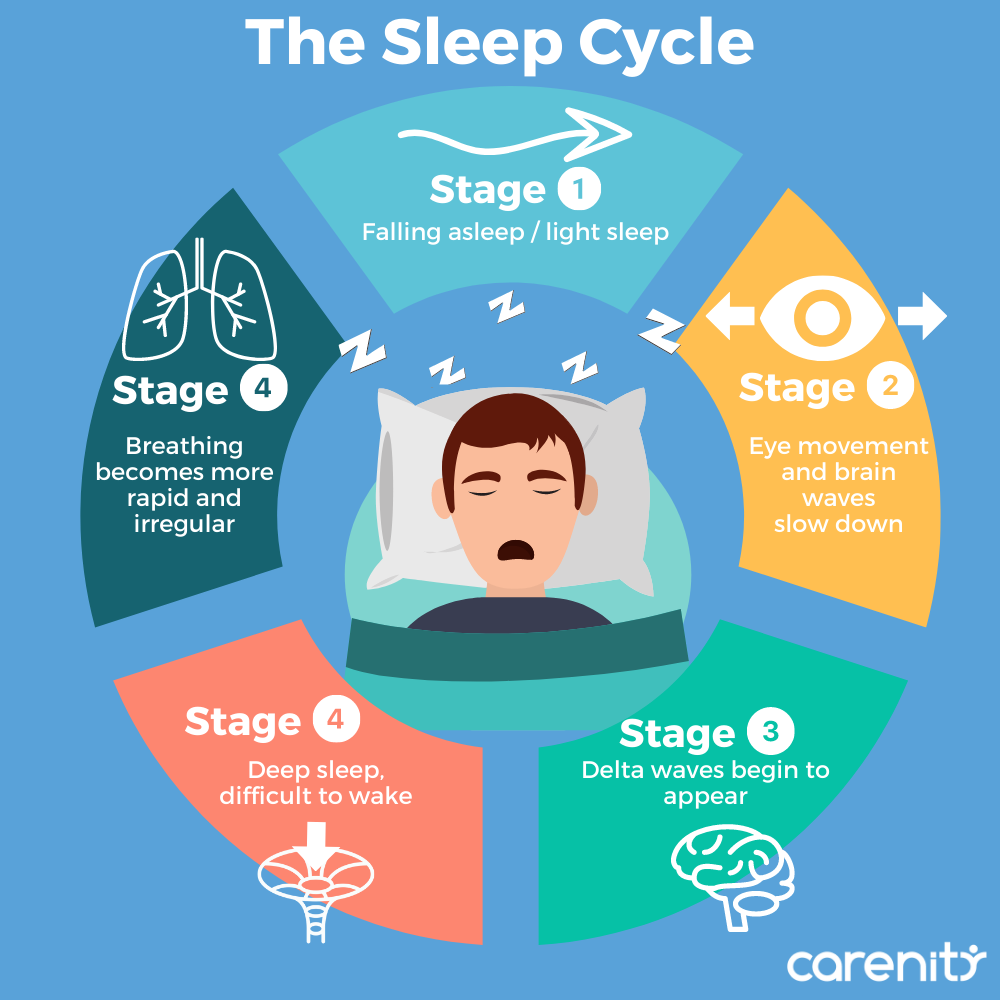
To understand why sleep paralysis occurs, we must look at the brain as a complex biological processor. The primary “reason” is a failure in the transition between sleep stages, specifically a breakdown in the signaling protocols of the REM (Rapid Eye Movement) cycle. During a healthy REM cycle, the brain initiates a process known as REM atonia. This is a biological “safety switch” that paralyzes the skeletal muscles to prevent the body from physically acting out dreams, which could lead to injury.
REM Atonia and the Disconnect in Neural Signaling
In a standard operating environment, the brain’s neurotransmitters—specifically glycine and GABA—are released to inhibit motor neurons. Sleep paralysis occurs when the user “boots up” into a state of wakefulness while this atonia protocol is still active. From a technological standpoint, this is an asynchronous processing error. The cognitive centers of the brain (the prefrontal cortex) regain consciousness, but the motor control center remains in an “offline” state dictated by the brainstem.
Advanced polysomnography (PSG) technology—the gold standard in sleep lab diagnostics—allows researchers to visualize this disconnect. By using multi-channel EEG (electroencephalogram) to track brain waves and EMG (electromyogram) to track muscle activity, technologists can identify the exact millisecond where the brain’s “wake” command fails to reach the muscular hardware.
The Role of Biosensors in Identifying Triggers
Modern sleep technology has moved beyond the lab and into the consumer space, providing a wealth of data on what triggers these “glitches.” High-fidelity biosensors in wearables can now track Heart Rate Variability (HRV), peripheral oxygen saturation (SpO2), and skin temperature. Data analysis reveals that sleep paralysis is often triggered by “system stressors.” These include irregular sleep-wake cycles (circadian rhythm disruption), sleep apnea, and high levels of cortisol.
By using machine learning algorithms to process months of sleep data, tech-savvy users can now identify the specific environmental and physiological “inputs” that lead to a paralysis episode. For example, a sudden drop in HRV combined with a spike in body temperature may be a leading indicator of a fragmented REM cycle, allowing for predictive alerts before the user even enters the sleep state.
Leveraging Wearables to Map the Paralyzed State
The proliferation of “Quantified Self” technology has changed the way we approach the reason for sleep paralysis. It is no longer just a subjective experience; it is a measurable event. Smartwatches and specialized headbands are now capable of mapping the architectural integrity of a user’s sleep stages, providing a granular look at the fragmentation that leads to a paralyzed episode.
Actigraphy and Heart Rate Variability (HRV) Analysis
Actigraphy—the use of accelerometers to track movement—is a foundational technology in sleep tracking. During sleep paralysis, actigraphy data shows a “flatline” in movement despite the user’s internal perception of struggling to move. When this is overlaid with HRV data, a clear picture emerges. During an episode, the sympathetic nervous system (the “fight or flight” response) often spikes, while the motor system remains dormant.
This data is crucial for understanding the “reason” behind the intense fear associated with the condition. The technological insight here is that the fear isn’t just psychological; it is a physiological feedback loop. The brain detects the inability to move, interprets it as a threat, and triggers a massive adrenaline release. Wearable tech allows users to see this spike in their data logs, demystifying the experience and reducing the psychological impact of future episodes.
AI-Driven Predictive Modeling for Sleep Episodes
One of the most exciting frontiers in sleep tech is the use of Artificial Intelligence to predict and prevent sleep paralysis. By feeding large datasets of sleep patterns into neural networks, researchers are developing models that can predict the likelihood of an episode with increasing accuracy. These models take into account variables such as “blue light” exposure, the timing of the last caffeine intake, and even the atmospheric pressure recorded by smart home devices.
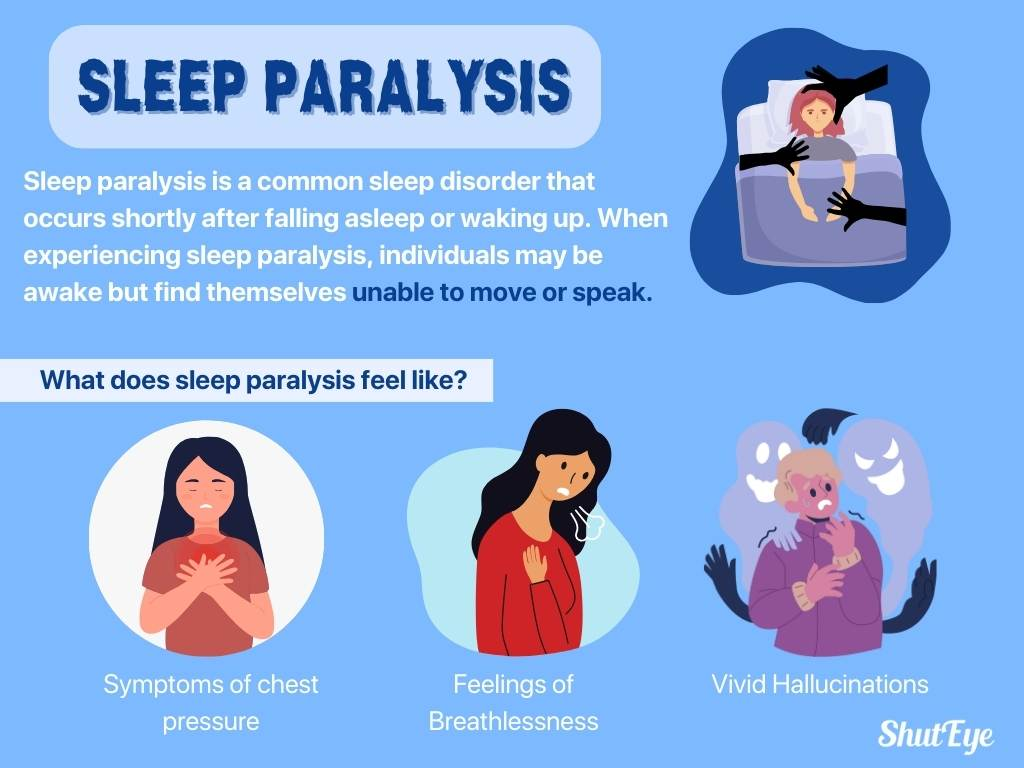
For a user prone to sleep paralysis, an AI-driven app could analyze their daily tech usage and biometric data to send a “High Risk” notification. This allows the user to implement preventative measures, such as adjusting their sleeping position (as supine sleeping is a known technological trigger for airway obstruction and REM fragmentation) or using a programmed “smart light” sequence to ease the transition out of sleep.
Tech-Driven Interventions and Solutions
Identifying the “reason” for sleep paralysis is only the first step; the second is utilizing technology to override the glitch. As we integrate more deeply with the Internet of Things (IoT) and digital therapeutics (DTx), the tools for managing sleep paralysis are becoming increasingly sophisticated and accessible.
Smart Lighting and Circadian Rhythm Synchronization
A primary driver of sleep fragmentation is the disruption of the circadian rhythm, often caused by modern technology itself—specifically the blue light emitted by screens. However, tech is also providing the solution. Smart lighting systems, programmed via protocols like Zigbee or Matter, can simulate a natural sunset and sunrise. By slowly shifting the color temperature from 5000K (cool blue) to 2700K (warm amber) in the hours before sleep, these systems help regulate the natural production of melatonin.
This technological synchronization ensures that the transition between sleep stages is smoother, reducing the “ragged” edges of REM sleep where paralysis episodes are most likely to occur. Digital “sunset” routines are now a standard feature in many smart home ecosystems, serving as a first line of defense against the neurological desync that causes paralysis.
Neurofeedback and Digital Therapeutics (DTx)
For chronic sufferers, specialized neurofeedback tech offers a way to “train” the brain out of the paralyzed state. Devices like EEG headbands can monitor brainwave activity in real-time and provide auditory or haptic feedback. This process, known as operant conditioning, helps users recognize the specific mental state that precedes an episode.
Furthermore, Digital Therapeutics (DTx) are emerging as a regulated category of software-based medical treatments. These apps use Cognitive Behavioral Therapy for Insomnia (CBT-I) protocols, delivered via interactive interfaces, to address the underlying sleep hygiene issues. By gamifying the process of sleep stabilization, these tech tools address the “reason” for sleep paralysis at its root: the inconsistent scheduling and high-stress environments of the modern digital worker.
The Future of Sleep Tech: Preventing the “Ghost in the Machine”
As we look toward the future, the “reason” for sleep paralysis will likely be viewed as a solvable engineering challenge. We are moving toward a world of “Integrated Sleep Ecosystems” where the bedroom itself becomes a diagnostic and therapeutic chamber.
Integrated Sleep Ecosystems
The future lies in the seamless integration of various tech stacks. Imagine a bed equipped with piezoelectric sensors that monitor every breath and heartthrob without the need for a wearable. This bed is connected to a smart HVAC system that adjusts the room temperature in real-time to optimize REM cycles. If the system detects the signature biometric markers of a sleep paralysis episode—such as rapid breathing coupled with total immobility—it could trigger a gentle haptic vibration or a specific sound frequency designed to nudge the user into full wakefulness or back into a deeper sleep state.
This “closed-loop” system effectively acts as an external nervous system, monitoring the user’s state and intervening when a biological “logic error” occurs. In this scenario, the reason for sleep paralysis becomes irrelevant because the technology identifies and corrects the state before the user even becomes aware of it.
Ethical Considerations in Neural Monitoring
With the rise of high-fidelity neural monitoring, we must also consider the ethical implications of this technology. As we gain the ability to map and intervene in the most private moments of human existence—our sleep and dream states—data privacy becomes paramount. The “reason” for sleep paralysis is encoded in our brain waves, which are the ultimate form of biometric data.
The tech industry must prioritize end-to-end encryption and decentralized data storage (using technologies like blockchain or edge computing) to ensure that a user’s sleep data remains their own. As we use tech to fix the “glitches” in our biology, we must ensure that we aren’t introducing new vulnerabilities into our digital lives.
In conclusion, the reason for sleep paralysis is a complex interplay of neurological timing and environmental stressors. Through the lens of technology, we can see this phenomenon not as a terrifying mystery, but as a manageable state of physiological desynchronization. By leveraging wearables, AI, and smart home ecosystems, we are moving closer to a future where “the ghost in the machine” is simply a data point to be optimized.
aViewFromTheCave is a participant in the Amazon Services LLC Associates Program, an affiliate advertising program designed to provide a means for sites to earn advertising fees by advertising and linking to Amazon.com. Amazon, the Amazon logo, AmazonSupply, and the AmazonSupply logo are trademarks of Amazon.com, Inc. or its affiliates. As an Amazon Associate we earn affiliate commissions from qualifying purchases.