
The name “Annabelle” conjures images of a sinister doll, a harbinger of supernatural dread, and a central figure in a sprawling cinematic universe that has captivated audiences worldwide. Yet, beyond the jump scares and chilling narratives, the “real story” of Annabelle is not just a tale of the paranormal; it is a fascinating case study in brand development, strategic marketing, and the astonishing power of narrative to transcend its origins and become a global phenomenon. This article will dissect Annabelle’s journey, from a localized legend to an international brand icon, examining the branding principles that underpin its enduring success.
From Local Legend to Global Icon: The Annabelle Brand Genesis
Every powerful brand begins with a compelling origin story, and the Annabelle brand is no exception. Its foundation lies in the purported true experiences documented by Ed and Lorraine Warren, self-proclaimed demonologists and paranormal investigators. This initial narrative served as the fertile ground from which a multi-faceted brand would later emerge, demonstrating how even the most obscure accounts can be cultivated into a recognizable identity.
The Foundational Narrative: Crafting a Compelling Origin Story
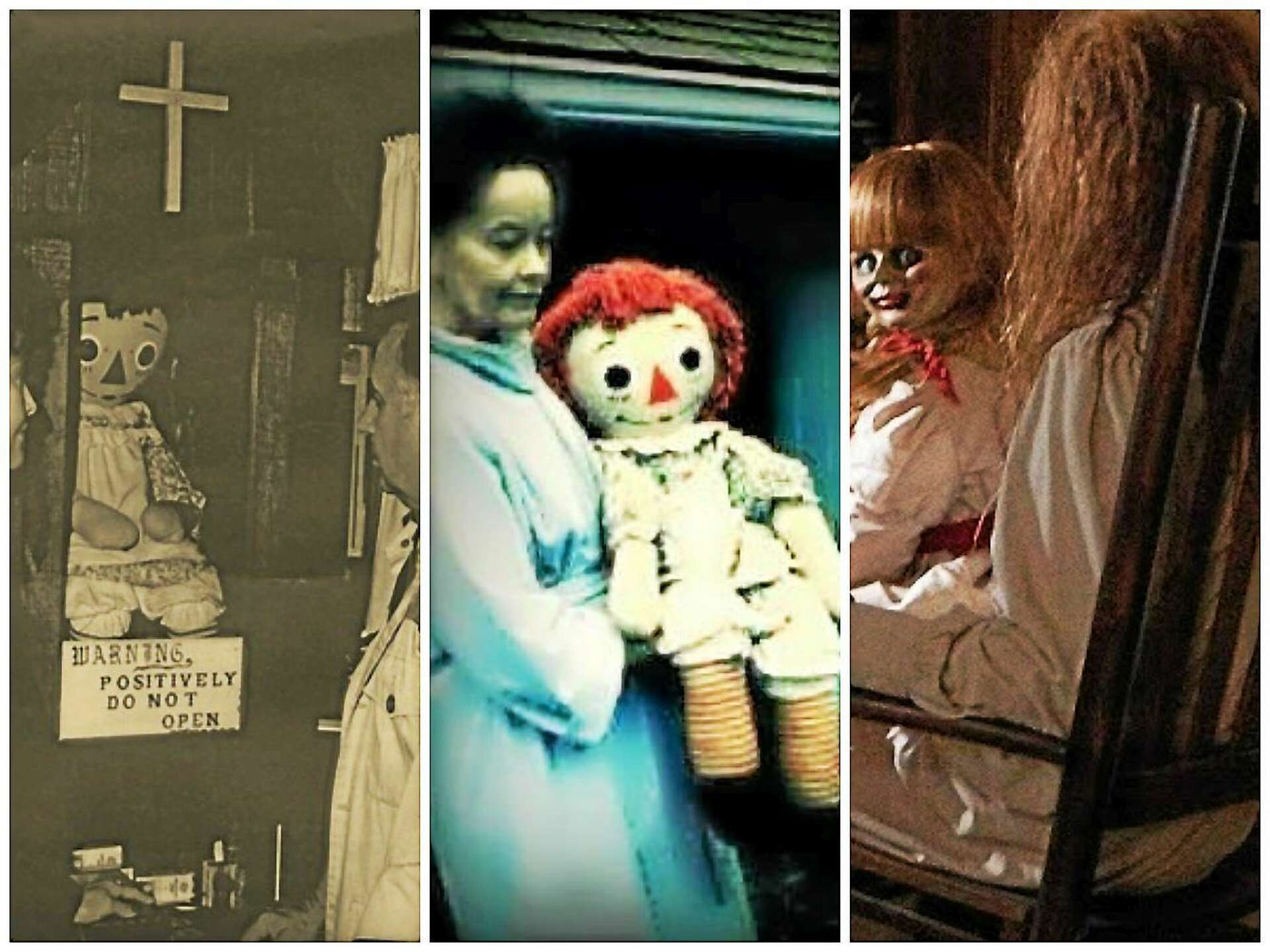
The “Annabelle” story, as propagated by the Warrens, began in the early 1970s with a Raggedy Ann doll purportedly given to a nursing student, Donna. The doll, it was claimed, exhibited increasingly disturbing behavior, leading Donna and her roommate to believe it was possessed by the spirit of a deceased girl named Annabelle Higgins. When a psychic informed them of this “spirit,” they initially felt sympathy. However, the occurrences escalated to malevolent acts, culminating in an attack on a friend. This prompted them to contact the Warrens, who concluded the doll was not possessed by a human spirit but manipulated by an inhuman demonic entity. They reportedly removed the doll and secured it in their Occult Museum.
This narrative contained all the essential elements for a captivating brand origin: a seemingly innocent object turning malevolent, a tangible threat, and a definitive resolution by authoritative figures (the Warrens). The specificity of the doll’s type (Raggedy Ann), the purported names (Annabelle Higgins, Donna), and the involvement of reputable investigators lent an air of authenticity and a concrete foundation upon which to build. This original account, whether factual or fabricated, became the unshakeable cornerstone of the Annabelle brand identity, providing a rich, detailed lore that subsequent iterations could draw upon and expand. It was a story designed to intrigue, to terrify, and, crucially, to be remembered.
Early Brand Building: Media Coverage and Cultivating Intrigue
Before the big screen, the Annabelle brand gained traction through a more grassroots approach to content marketing. The Warrens themselves were pioneers in this regard, using their lectures, books, and media appearances to disseminate their cases, including Annabelle’s. Their book, “The Demonologist” (1980), featured Annabelle prominently, serving as an early form of brand literature that reached a dedicated audience interested in the paranormal. Documentaries and television specials further amplified the story, presenting it as a chilling “true” account and establishing Annabelle as a symbol of genuine supernatural horror.
The doll’s physical presence in the Warrens’ Occult Museum in Monroe, Connecticut, became a powerful marketing asset. Displayed within a glass case emblazoned with a warning sign, it offered a tangible, albeit indirect, encounter with the legend. This museum acted as a physical touchpoint for the burgeoning brand, a pilgrimage site for believers and skeptics alike, further solidifying Annabelle’s notoriety and adding an experiential layer to its early brand strategy. This careful cultivation of intrigue through various media platforms and a physical brand presence laid the groundwork for Annabelle’s eventual explosion into mainstream consciousness.
The Conjuring Universe: Scaling the Annabelle Brand
The true apotheosis of the Annabelle brand occurred with its strategic integration into “The Conjuring Universe.” This cinematic franchise didn’t just tell stories; it meticulously built an interconnected world, positioning Annabelle as a cornerstone figure whose distinct identity and narrative potential could be leveraged for exponential growth.
Strategic Brand Integration: Annabelle’s Role in a Wider Cinematic Universe
The genius of “The Conjuring” (2013) was not merely in introducing the Warrens’ most famous case (the Perron family haunting) but in subtly weaving in references to other legendary cases from their occult museum. Annabelle was one of the first, introduced in the opening scene of “The Conjuring” as a prologue to the main narrative. This was a masterful brand strategy: it immediately established Annabelle as a distinct, powerful entity within the wider Warren universe, signaling to audiences that this doll possessed a history and menace all its own.
By giving Annabelle a standalone prequel film in 2014, aptly titled “Annabelle,” the brand officially bifurcated from being merely an artifact in a museum to a fully fleshed-out character. The film explored her origin (albeit a fictionalized one for cinematic purposes), her powers, and the fear she evoked. This move was crucial for scaling the brand, as it demonstrated Annabelle’s capacity to carry her own narrative, independent yet connected to the larger Conjuring brand. Subsequent films, “Annabelle: Creation” (2017) and “Annabelle Comes Home” (2019), deepened her lore, explored different aspects of her malevolence, and solidified her position as the most recognizable and commercially successful spin-off character within the franchise. This strategic integration allowed for cross-promotion and audience migration, with fans of one film naturally drawn to others featuring the iconic doll.
Marketing the Macabre: Crafting an Enduring Image
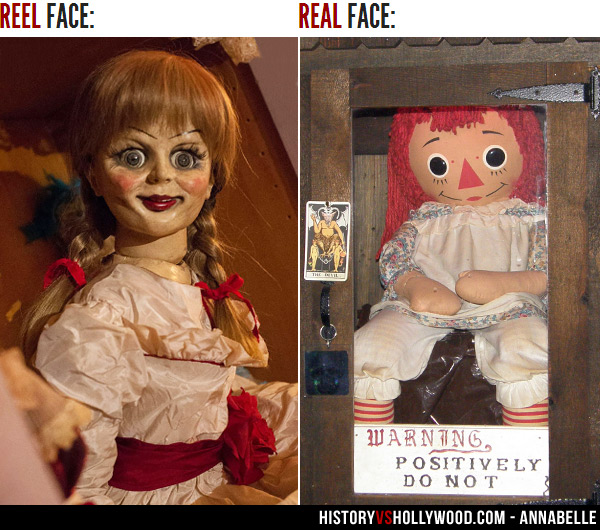
The marketing for the Annabelle films proved to be as effective as the films themselves, expertly crafting an enduring image for the brand. The key was the doll’s visual identity: the antique, slightly unsettling porcelain doll with wide, vacant eyes. While the “real” Annabelle is a Raggedy Ann doll, the cinematic portrayal chose a more overtly creepy aesthetic, a decision that proved immensely successful. This distinct visual branding made Annabelle instantly recognizable, transcending linguistic and cultural barriers.
Promotional campaigns heavily featured close-ups of the doll, often in dimly lit, ominous settings, accompanied by unsettling sounds or jump scares. Trailers focused on the doll’s inanimate yet malevolent presence, letting its iconic image do much of the heavy lifting. This visual consistency across all marketing materials – posters, trailers, social media campaigns – reinforced the Annabelle brand identity. Furthermore, the marketing consistently leveraged the “true story” aspect, even when the films took creative liberties, blurring the lines between fact and fiction to heighten the sense of dread and authenticity. This approach tapped into primal fears of the uncanny and the corrupted innocent, ensuring Annabelle’s image resonated deeply with target audiences.
Fan Engagement and Community Building: Leveraging Brand Loyalty
The Annabelle brand has effectively cultivated a dedicated fanbase, transforming passive viewers into active participants in its narrative world. This engagement goes beyond simply watching the films; it involves discussions, theories, and a shared appreciation for the horror genre. Social media platforms played a crucial role, providing avenues for fans to interact with the brand, share their reactions, and engage in discussions about the lore.
The Conjuring Universe, with Annabelle at its core, actively encourages this community building. The interconnectedness of the films means fans are always looking for Easter eggs, connecting plot points, and anticipating future installments. This inherent curiosity fosters loyalty and keeps the brand relevant between releases. Fan art, cosplay, and online communities further demonstrate the deep level of engagement, where the Annabelle brand is not just consumed but actively celebrated and reinterpreted by its audience. This sustained interaction ensures the brand remains alive and dynamic, fueled by the collective enthusiasm of its followers.
Beyond the Big Screen: Brand Diversification and Legacy
The true measure of a powerful brand lies in its ability to extend its reach beyond its primary medium and diversify its offerings. Annabelle has successfully navigated this path, transforming from a cinematic entity into a multifaceted brand generating value across various platforms.
Merchandise and Licensing: Expanding the Brand Ecosystem
Like any successful entertainment brand, Annabelle has a robust merchandise and licensing program. Replicas of the iconic cinematic doll, ranging from collectible figures to plush toys, allow fans to own a piece of the horror. T-shirts, posters, home decor, and other branded items extend Annabelle’s presence into the daily lives of consumers. This diversification is crucial for brand longevity and revenue generation beyond ticket sales. Each piece of merchandise acts as a miniature billboard, reinforcing the brand’s image and keeping it top-of-mind.
The licensing deals for these products ensure brand consistency and quality, while simultaneously generating significant passive income. The ability to translate the essence of Annabelle into various product forms speaks to the strength and versatility of its brand identity. It’s a testament to how a horror icon can become a marketable entity, appealing to a broad demographic of horror enthusiasts and collectors.
Experiential Marketing: Haunts, Museums, and Interactive Storytelling
Beyond tangible products, the Annabelle brand has embraced experiential marketing, offering immersive opportunities for engagement. The original Warren’s Occult Museum, where the “real” doll resides (or resided until its purported closure), served as the ultimate experiential touchpoint, allowing visitors to feel a direct connection to the legend. This physical presence amplified the brand’s mystique and authenticity.
The brand’s influence extends to themed attractions and Halloween haunts, where Annabelle-inspired scenarios and characters become interactive elements. These experiences allow audiences to step into the world of Annabelle, transforming passive consumption into active participation. Such interactive storytelling reinforces the brand’s emotional impact, solidifying its place in popular culture and creating memorable encounters that deepen brand loyalty. These diverse experiential ventures illustrate a sophisticated brand strategy that understands the value of immersion in maintaining audience interest.
The Brand’s Enduring Appeal: Psychology of Horror and Narrative Power
Annabelle’s enduring appeal lies in its tapping into fundamental human fears. The concept of an inanimate object coming to life, especially one associated with innocence (a doll), evokes a profound sense of the uncanny and corrupted purity. This psychological resonance is a key ingredient in the brand’s success. Furthermore, the narrative power of Annabelle is undeniable. It’s a story that operates on multiple levels: a cautionary tale, a gothic horror, and a testament to the battle between good and evil.
The brand’s careful balance between its “true story” origins and its cinematic embellishments creates a compelling mythos that audiences want to believe, or at least entertain. This narrative depth ensures that Annabelle is not just a fleeting horror trend but a deeply ingrained cultural reference point. The brand successfully leverages the human fascination with the unknown, the terrifying, and the extraordinary, ensuring its narrative remains potent and relevant for generations of horror fans.
Challenges and Future of the Annabelle Brand
Even the most successful brands face challenges, and Annabelle is no different. Navigating the delicate balance between its perceived authenticity and the demands of commercial entertainment, along with the need for continuous innovation, are critical for its future.
Maintaining Authenticity vs. Creative License: Balancing the “Real Story” with Cinematic Demands
One of the central challenges for the Annabelle brand is managing the tension between its “true story” origins and the creative liberties taken in its cinematic adaptations. The “real” Annabelle doll (a Raggedy Ann) is visually distinct from the porcelain doll depicted in the films. The cinematic narratives often expand or alter events from the Warrens’ accounts for dramatic effect. This discrepancy can sometimes lead to confusion or criticism from purists of the original legend.
The brand’s strategy has been to lean into the “inspired by true events” tagline, acknowledging the foundation while allowing creative freedom. The key is to maintain the spirit of the original brand identity – malevolence, demonic influence, the Warrens’ involvement – even when the specifics differ. For the Annabelle brand to thrive, it must continually find ways to reference its foundational narrative without being rigidly bound by it, allowing for fresh interpretations while respecting its core identity. This balance is crucial for maintaining credibility with both new audiences and long-time fans of the Warren lore.
Brand Saturation and Evolution: Keeping the Narrative Fresh
With multiple films, spin-offs, and other media, there’s always a risk of brand saturation. Audiences can grow fatigued if the narrative becomes repetitive or predictable. The Annabelle brand must continuously evolve, finding new angles, new threats, and new ways to explore its established lore. This requires creative teams to push boundaries, introduce compelling new characters, and explore different facets of the Conjuring Universe without diluting Annabelle’s unique identity.
Future strategies could involve exploring different time periods, introducing Annabelle into other cultural contexts, or even developing new media formats like animated series or interactive games that delve deeper into the brand’s mythology. The brand’s longevity will depend on its ability to innovate while staying true to the core elements that made it successful. By keeping the narrative fresh and engaging, the Annabelle brand can continue to captivate audiences and secure its place as a lasting icon in the horror genre.

Conclusion
The “real story” of Annabelle, when viewed through the lens of brand strategy, is a remarkable testament to the power of narrative, strategic marketing, and consistent identity. What began as a chilling anecdote recounted by paranormal investigators has been meticulously crafted into a multi-million-dollar global brand. From its compelling origin story and early grassroots dissemination to its sophisticated integration into a cinematic universe, Annabelle exemplifies how a strong narrative, coupled with effective visual branding and diversified content, can transcend its initial form.
The Annabelle brand demonstrates the commercial viability of fear and fascination, effectively tapping into universal human curiosities about the unknown. Its journey highlights that a powerful brand is not just a product or service, but an evolving story, an identity that resonates deeply with its audience, and a carefully managed ecosystem that ensures its enduring relevance and profitability. Annabelle’s chilling gaze has not only terrified millions but has also cemented its status as a masterclass in modern brand creation and sustained market dominance.
aViewFromTheCave is a participant in the Amazon Services LLC Associates Program, an affiliate advertising program designed to provide a means for sites to earn advertising fees by advertising and linking to Amazon.com. Amazon, the Amazon logo, AmazonSupply, and the AmazonSupply logo are trademarks of Amazon.com, Inc. or its affiliates. As an Amazon Associate we earn affiliate commissions from qualifying purchases.