
In the glittering, often manufactured world of global superstardom, a name is far more than just a label; it’s the cornerstone of a brand. For millions worldwide, the name “Katy Perry” evokes images of vibrant pop anthems, whimsical aesthetics, and an undeniably effervescent personality. Yet, like many who rise to such iconic status, the woman behind the brand was born with a different name. Her birth name is Katheryn Hudson. The strategic decision to adopt “Katy Perry” wasn’t merely a stylistic choice but a masterclass in personal branding, a deliberate act to carve out a unique identity, manage public perception, and forge a lasting legacy in the fiercely competitive entertainment industry.

Understanding the shift from Katheryn Hudson to Katy Perry offers profound insights into the mechanics of personal branding, corporate identity (in the sense of a solo artist operating as a business), and the delicate balance between authenticity and market appeal. This article delves into the strategic rationale behind such a transformation, examining how a stage name becomes an integral part of a meticulously crafted brand, and what lessons can be gleaned for individuals and businesses alike seeking to establish a memorable and impactful presence.
The Strategic Pivot: From Birth Name to Global Persona
The adoption of a stage name is a common practice in entertainment, driven by a myriad of reasons ranging from practical considerations to profound branding objectives. For Katheryn Hudson, the decision to become Katy Perry was a pivotal moment in her career, marking the official launch of a distinct brand identity.
Why Stage Names Matter in Personal Branding
A stage name serves several crucial functions within the realm of personal branding. Firstly, it offers differentiation. In a crowded field, a unique name can help an artist stand out and avoid confusion with others. For Katheryn Hudson, this was particularly pertinent, as the acclaimed actress Kate Hudson was already a prominent figure in Hollywood. Operating under her birth name could have led to misidentification, diluting her nascent brand and complicating marketing efforts.
Secondly, a stage name allows for the creation of a persona that may not fully align with an individual’s private self. It’s a psychological and marketing tool that enables an artist to embody a character, genre, or aesthetic more completely. The name itself can carry connotations, evoke feelings, or subtly hint at the brand’s core values. “Katy Perry,” with its punchier cadence and alliterative quality, naturally lends itself to a pop star image, suggesting youthfulness, vibrancy, and approachability—attributes that became hallmarks of her public persona.
Thirdly, a stage name can provide a layer of protection and separation between the public brand and the private individual. This allows the artist to compartmentalize their professional life, preserving a degree of privacy and mental space outside the demanding spotlight. For someone whose brand is built on larger-than-life performances and playful theatrics, maintaining this distinction can be vital for mental well-being and long-term career sustainability.
The Genesis of “Katy Perry”
The evolution from Katheryn Hudson to Katy Perry wasn’t an overnight phenomenon but a strategic evolution. Initially, she had attempted to launch a career under her birth name with a Christian rock album. However, the commercial reception was limited, and her sound and image were still in development. The transition to pop music, coupled with a refreshed identity, became essential for broader appeal.
The name “Perry” was adopted from her mother’s maiden name, a nod to personal history while simultaneously creating a new public identity. This choice offers an interesting dual benefit: it’s personal enough to feel authentic and grounded, yet distinct enough to create a new brand. It allowed her to shed the associations of her previous musical endeavors and embrace a fresh start, signaling a clear shift in genre, image, and target audience. This rebranding was comprehensive, touching not just her name but her entire aesthetic, from music style to visual presentation.
Crafting an Unforgettable Brand: The Elements of “Katy Perry”
The success of “Katy Perry” as a brand goes far beyond just a catchy name. It encompasses a meticulously designed visual identity, consistent thematic messaging, and a well-defined persona that resonates deeply with her target demographic.
Visual Identity and Thematic Consistency
Katy Perry’s brand is synonymous with bold, colorful, and often whimsical aesthetics. From her music videos to her stage costumes and album art, there’s a consistent visual language that is instantly recognizable. Think candy-colored dreams, exaggerated props, and playful theatrics. This visual identity is not arbitrary; it reinforces her brand values of joy, empowerment, and unconventional self-expression.
This thematic consistency is crucial. Whether she’s dressed as a giant cheeseburger for the Met Gala or performing on a stage shaped like a giant lion, every visual element serves to amplify the “Katy Perry” brand. It creates a cohesive narrative that makes her memorable and ensures that her brand message is effectively communicated across all platforms. For any brand, whether personal or corporate, a strong and consistent visual identity builds recognition, trust, and emotional connection with the audience.
Auditory Branding: Sound and Message
Beyond visuals, Katy Perry’s auditory branding is equally powerful. Her music is characterized by infectious pop melodies, relatable lyrics, and anthemic choruses that often carry messages of resilience, self-love, and overcoming adversity. Songs like “Firework,” “Roar,” and “Part of Me” are not just catchy tunes; they are emotional touchstones that encapsulate her brand’s empowering ethos.
This combination of accessible pop music with uplifting messages creates a powerful auditory brand identity. It positions her as an artist who understands and celebrates her audience, fostering a deep sense of loyalty and connection. The “sound” of Katy Perry is as distinctive as her look, ensuring that her brand resonates through multiple sensory channels. This multi-sensory branding approach strengthens recall and deepens audience engagement, a lesson critical for any brand aiming for market dominance.
The Persona as a Marketable Asset
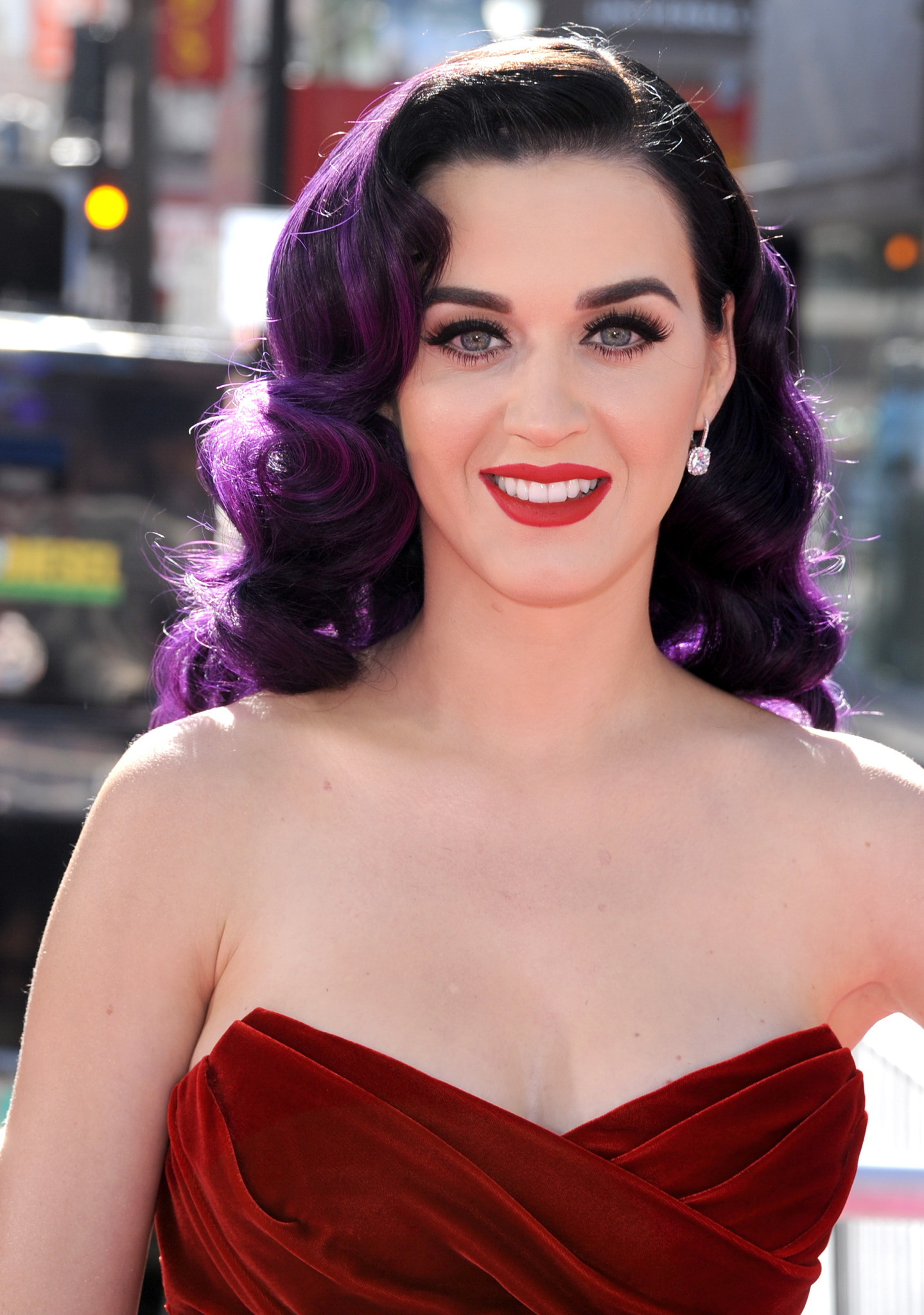
The “Katy Perry” persona is a carefully cultivated marketable asset. She embodies a playful, slightly rebellious, yet ultimately optimistic and relatable figure. This persona allows her to connect with a diverse audience, from young fans attracted to her vibrant energy to adults who appreciate her humor and genuine warmth.
This persona is not static; it evolves, but always within the established boundaries of her core brand identity. Whether she’s a quirky California gurl or a fierce pop queen, there’s an underlying consistency that makes her authentic. This authenticity, even within a constructed persona, is vital. Audiences are savvy; they can detect manufactured fakery. Katy Perry’s success lies in her ability to project a larger-than-life character that still feels grounded in genuine emotion and experience. This creates trust, which is the ultimate currency of any successful brand.
Managing Brand Evolution and Authenticity
No brand, particularly a personal one, can remain static. The entertainment landscape shifts, audience tastes change, and artists themselves grow and evolve. Managing this evolution while maintaining brand authenticity is a significant challenge for any long-term brand.
Navigating Public Perception and Brand Shifts
Katy Perry’s career illustrates the dynamic nature of brand management. From her early “bubblegum pop” days to more mature themes and motherhood, her brand has seen deliberate shifts. These shifts require careful navigation of public perception. As an artist matures, her brand must mature with her, or risk appearing out of touch.
Each album cycle, each major life event (such as her marriage and becoming a mother), presents an opportunity and a challenge for her brand. How does a whimsical pop star maintain relevance and authenticity while embracing new chapters? It requires strategic communication, consistent messaging that acknowledges her growth, and an openness to adapt her aesthetic and sound without completely abandoning her core identity. This balance ensures that loyal fans grow with her, while also attracting new audiences who resonate with her evolving story.
The Role of Authenticity in Sustained Branding
Ultimately, the long-term success of the “Katy Perry” brand, or any personal brand, hinges on perceived authenticity. While a stage name and persona are constructed, the underlying values, passion, and genuine connection with the audience must be real. Katy Perry consistently projects a sense of being true to herself, even as she embraces various artistic expressions.
This authenticity is crucial for building deep, lasting relationships with fans. It’s what differentiates a transient celebrity from an enduring icon. Audiences don’t just buy music or merchandise; they invest in the person, the story, and the values that the brand represents. For Katy Perry, her vulnerability, resilience, and commitment to joy and empowerment are authentic traits that shine through her meticulously crafted brand, allowing it to withstand the tests of time and public scrutiny.
The Business of Being Katy Perry: A Case Study in Brand Equity
The “Katy Perry” brand is not just an artistic expression; it’s a powerful economic entity. Her name, image, and music collectively represent significant brand equity, allowing for diversification and sustained commercial success.
Diversifying the Brand Portfolio
A strong personal brand like Katy Perry’s opens doors to a vast array of commercial opportunities beyond music. This diversification is a key strategy for maximizing brand equity. Katy Perry has leveraged her brand into lucrative endorsement deals with major companies (e.g., CoverGirl, Adidas, Pepsi), fragrances, and even her own shoe line. Each venture is carefully chosen to align with her established brand image – vibrant, playful, and empowering.
These extensions aren’t random; they are strategic moves that expand the brand’s reach and revenue streams. By carefully selecting partnerships that resonate with her core brand identity, she avoids diluting her image and instead reinforces it, turning her personal brand into a multi-faceted empire. This demonstrates how a well-managed personal brand can transcend its original medium and become a platform for broader entrepreneurial endeavors.

Legacy Building Through Brand Management
The ultimate goal of long-term brand management is not just current success but the creation of a lasting legacy. For Katy Perry, this means ensuring that her brand continues to inspire and resonate for generations. This involves not only consistent artistic output but also strategic decisions about public engagement, philanthropy, and how her story is told.
Her work as a UNICEF Goodwill Ambassador, her advocacy for LGBTQ+ rights, and her candidness about her personal struggles all contribute to building a legacy that extends beyond her catchy pop songs. These actions enrich her brand with depth and purpose, positioning her not just as an entertainer but as a cultural figure with a positive impact. By consistently reinforcing her values through her work and public life, Katy Perry is actively shaping her legacy, ensuring that the “Katy Perry” brand remains relevant and celebrated long into the future.
In conclusion, the question “what is the real name of Katy Perry?” serves as an excellent entry point into understanding the sophisticated world of personal branding. Katheryn Hudson’s transformation into Katy Perry is a testament to the power of strategic identity creation, consistent messaging, and authentic self-expression in building a global powerhouse brand. It highlights that in the modern landscape, whether you’re a pop star or a small business owner, your name is just the beginning; the brand you build around it is what truly defines your impact and legacy.
aViewFromTheCave is a participant in the Amazon Services LLC Associates Program, an affiliate advertising program designed to provide a means for sites to earn advertising fees by advertising and linking to Amazon.com. Amazon, the Amazon logo, AmazonSupply, and the AmazonSupply logo are trademarks of Amazon.com, Inc. or its affiliates. As an Amazon Associate we earn affiliate commissions from qualifying purchases.