
The modern smart home is a marvel of interconnected systems, but at its core, it relies on legacy hardware foundations that have existed for decades. For many homeowners and tech enthusiasts, the first encounter with the complexity of home automation occurs during the installation of a smart thermostat. As you remove the faceplate of an old analog unit, you are met with a colorful array of copper wires, each labeled with cryptic letters. Among these, the “RC” wire stands as one of the most critical components for ensuring your cooling system functions correctly within a high-tech ecosystem.
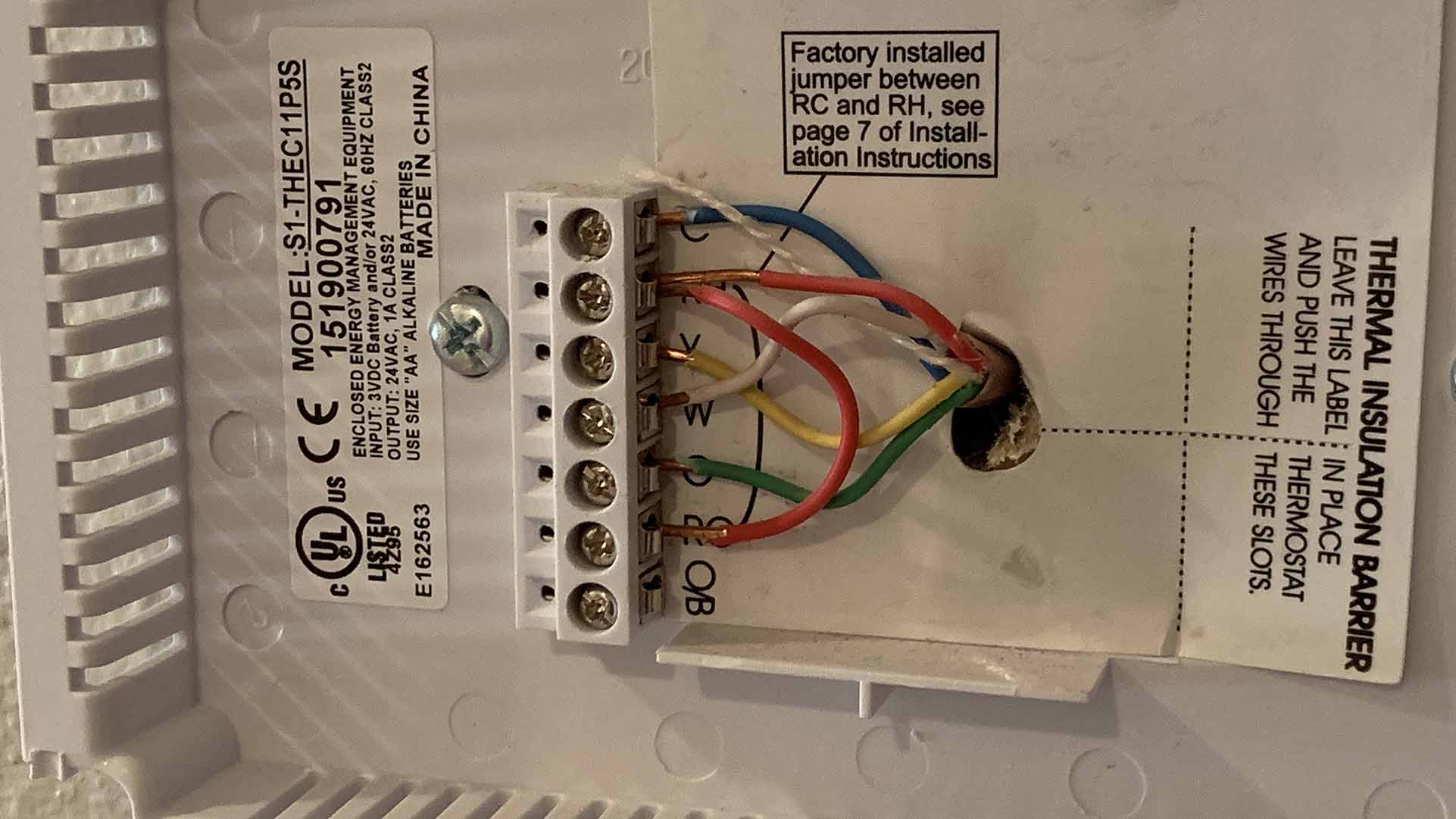
Understanding the RC wire is not just about home maintenance; it is an exploration of how low-voltage hardware interfaces with sophisticated software to manage ambient environments. In this guide, we will break down the technical specifications of the RC wire, its role in dual-transformer systems, and how it fits into the broader landscape of smart home technology.
Decoding the Anatomy of Thermostat Wiring Systems
To understand the RC wire, one must first understand the standard “R” wire. In the world of HVAC (Heating, Ventilation, and Air Conditioning) technology, the “R” terminal represents the 24-volt AC power supply. This is the lifeblood of the thermostat, providing the electricity necessary to trigger relays that turn on fans, compressors, and furnaces.
The 24V AC Power Standard
Unlike the high-voltage electricity that powers your microwave or refrigerator, thermostats operate on a low-voltage system, typically 24 volts. This standard was adopted to allow for safer, thinner wiring throughout the walls of a residential building. The “R” wire carries this power from the HVAC transformer to the thermostat. When the thermostat senses a need for temperature adjustment, it acts as a smart switch, closing a circuit and sending that 24V signal back down other wires (like “Y” for cooling or “W” for heating).
Color Coding and Identification
In a standard installation, the RC wire is typically red (the “R” stands for Red), but the “C” suffix specifically stands for “Cool.” While HVAC wiring follows a general color code—Yellow for cooling, White for heat, Green for the fan—the labels on the thermostat backplate are the definitive source of truth. The RC wire is specifically designated as the power feed for the cooling side of your system.
The Technical Significance of the RC Wire
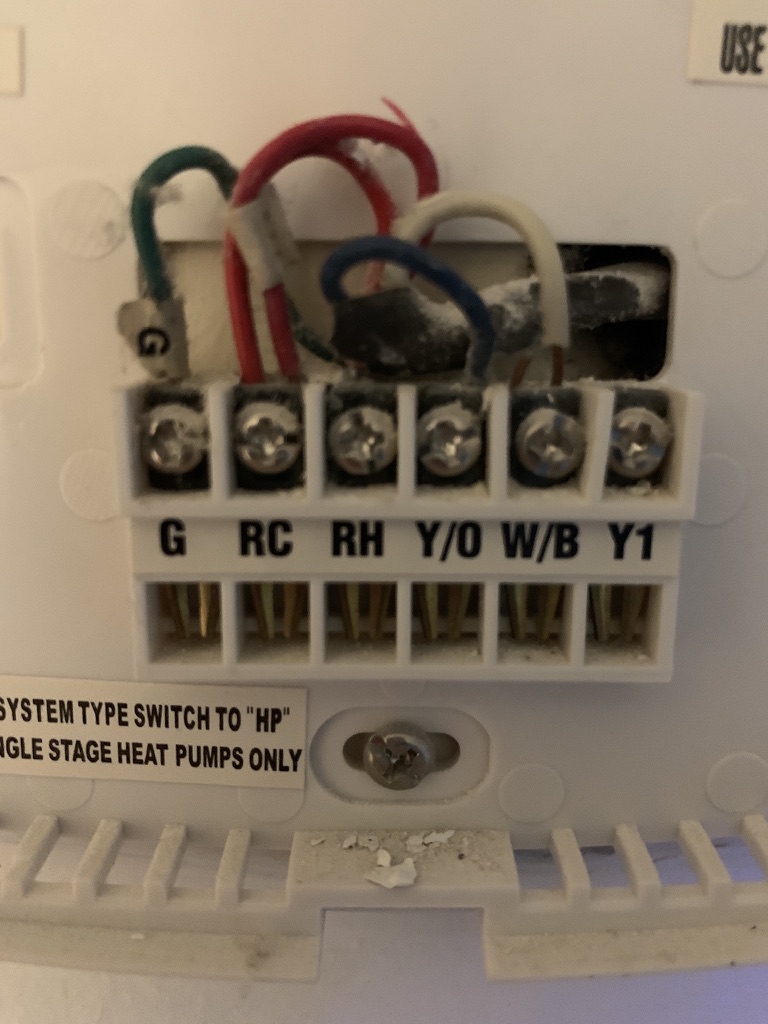
In many modern homes, a single transformer provides power for both heating and cooling. In these scenarios, you might see a small metal “jumper” wire connecting the “RH” (Red-Heat) and “RC” (Red-Cool) terminals. However, as smart home technology becomes more integrated, the distinction between these two terminals becomes vital.
RC vs. RH: The Dual Transformer Dilemma
The primary reason for a dedicated RC wire is the presence of a dual-transformer system. Some homes use a separate furnace for heating and a standalone air conditioning unit for cooling. Each of these units has its own transformer.
- RH (Red-Heat): This wire brings 24V power from the heating system’s transformer.
- RC (Red-Cool): This wire brings 24V power from the cooling system’s transformer.
If you have two separate power sources, you must remove the jumper between the RC and RH terminals on your smart thermostat. Failing to do so can result in a “transformer fight,” where two different electrical sources clash, potentially blowing a fuse or damaging the sensitive circuitry of your Nest, Ecobee, or Honeywell smart hub.
Powering the Cooling Relay
When your smart thermostat’s internal software determines that the room temperature has exceeded the set point, it completes the circuit between the RC wire and the Y (Yellow) wire. This allows the 24V current to flow to the outdoor condenser’s contactor, which then engages the high-voltage power to start the compressor. Without a stable connection on the RC terminal, your smart home system may be able to display the weather and connect to Wi-Fi, but it will be unable to actually engage the cooling hardware.

Integrating Smart Technology with HVAC Hardware
The transition from “dumb” thermostats to IoT (Internet of Things) devices has introduced new challenges regarding power management. Traditional thermostats were simple bimetallic switches that required no power to operate. Modern smart thermostats, however, feature high-resolution displays, Wi-Fi radios, and advanced processors that require a constant stream of electricity.
Power Stealing and the C-Wire
This is where the RC wire often becomes part of a larger conversation about the “C-wire” (Common wire). To power a smart thermostat, the device needs a complete circuit. It takes power from the RC (or RH) wire and returns it through the C-wire.
In some older tech setups where a C-wire is missing, smart thermostats attempt “power stealing.” They draw a small amount of electricity from the RC wire when the cooling system is off. However, this can cause “chattering” or flickering in the HVAC contactors. Tech-savvy installers often recommend using a C-wire adapter or a dedicated power extender kit to ensure the RC wire isn’t over-taxed by the demands of a high-performance smart device.
IoT Ecosystem Compatibility
When configuring a smart home via platforms like Apple HomeKit, Google Home, or Amazon Alexa, the software often asks for the wiring configuration. Correctly identifying the RC wire during the digital setup phase allows the thermostat’s AI to optimize “Short Cycle Protection.” This software feature prevents the cooling compressor from turning on and off too rapidly, which protects the hardware and extends the lifespan of the cooling system.
Troubleshooting Hardware for the Modern Smart Home
Even with a perfectly installed smart thermostat, hardware failures can occur. Because the RC wire is the primary power source for the cooling system, it is often the first place a technician looks when an AC unit fails to kick on during a heatwave.
Identifying Power Loss
If your smart thermostat remains powered on (likely via the RH wire or a battery backup) but the air conditioning won’t engage, the issue may lie with the RC connection. Using a digital multimeter, a user can check for 24V AC between the RC wire and the C-wire. If the multimeter reads 0V, the transformer in the air handler or the cooling unit has likely failed, or a fuse on the control board has blown.
Using Multi-meters for Tech Diagnostics
For those who treat their home like a lab, understanding the voltage tolerances of the RC wire is essential. Most smart thermostats operate within a range of 20V to 30V AC. If the voltage coming from the RC wire is inconsistent, it can cause the thermostat’s Wi-Fi module to drop offline or the screen to reset. High-quality smart home integration requires clean, stable power, making the health of the RC wire and its associated transformer a top priority for digital stability.
The Future of Climate Control: Beyond the Copper Wire
As we move toward more advanced smart home standards like Matter and Thread, the way we interact with HVAC hardware is evolving. We are seeing a shift from traditional multi-wire setups toward digital “communicating” systems.
Wireless Communication Protocols
In high-end HVAC tech, such as variable-speed heat pumps and ductless mini-splits, the traditional RC and Y wires are being replaced by digital data lines. Instead of a simple 24V “on/off” signal, these systems send complex data packets back and forth, allowing the thermostat to tell the cooling system exactly what percentage of power to use. This represents a shift from analog electrical engineering to digital data architecture.
AI and Predictive Maintenance
The integration of AI into the smart home means that the RC wire’s performance can now be monitored remotely. Future smart thermostats will be able to detect “electrical noise” or voltage drops on the RC line and alert the homeowner to a failing capacitor or a struggling compressor before the system actually breaks down. This predictive maintenance is the pinnacle of current smart home technology, turning a simple copper wire into a data point for a comprehensive home-health algorithm.
In conclusion, while the RC wire may seem like a relic of old-school electrical engineering, it remains a cornerstone of modern smart home climate control. Whether it is providing the necessary 24V jump to start a cooling cycle or serving as the power foundation for a high-tech IoT hub, the RC wire bridges the gap between the physical mechanics of HVAC hardware and the digital elegance of modern smart technology. Understanding its function is essential for anyone looking to master the technical nuances of a truly connected home.
aViewFromTheCave is a participant in the Amazon Services LLC Associates Program, an affiliate advertising program designed to provide a means for sites to earn advertising fees by advertising and linking to Amazon.com. Amazon, the Amazon logo, AmazonSupply, and the AmazonSupply logo are trademarks of Amazon.com, Inc. or its affiliates. As an Amazon Associate we earn affiliate commissions from qualifying purchases.